
safety
Essential Summer Safety Tips for Your Pets
As temperatures rise, it's crucial to ensure your pets stay cool and healthy. Here are expert-recommended tips, detailed safety advice, and common mistakes to avoid to keep your furry friends safe all summer long.
6. Keep Your Home Environment Cool and Comfortable
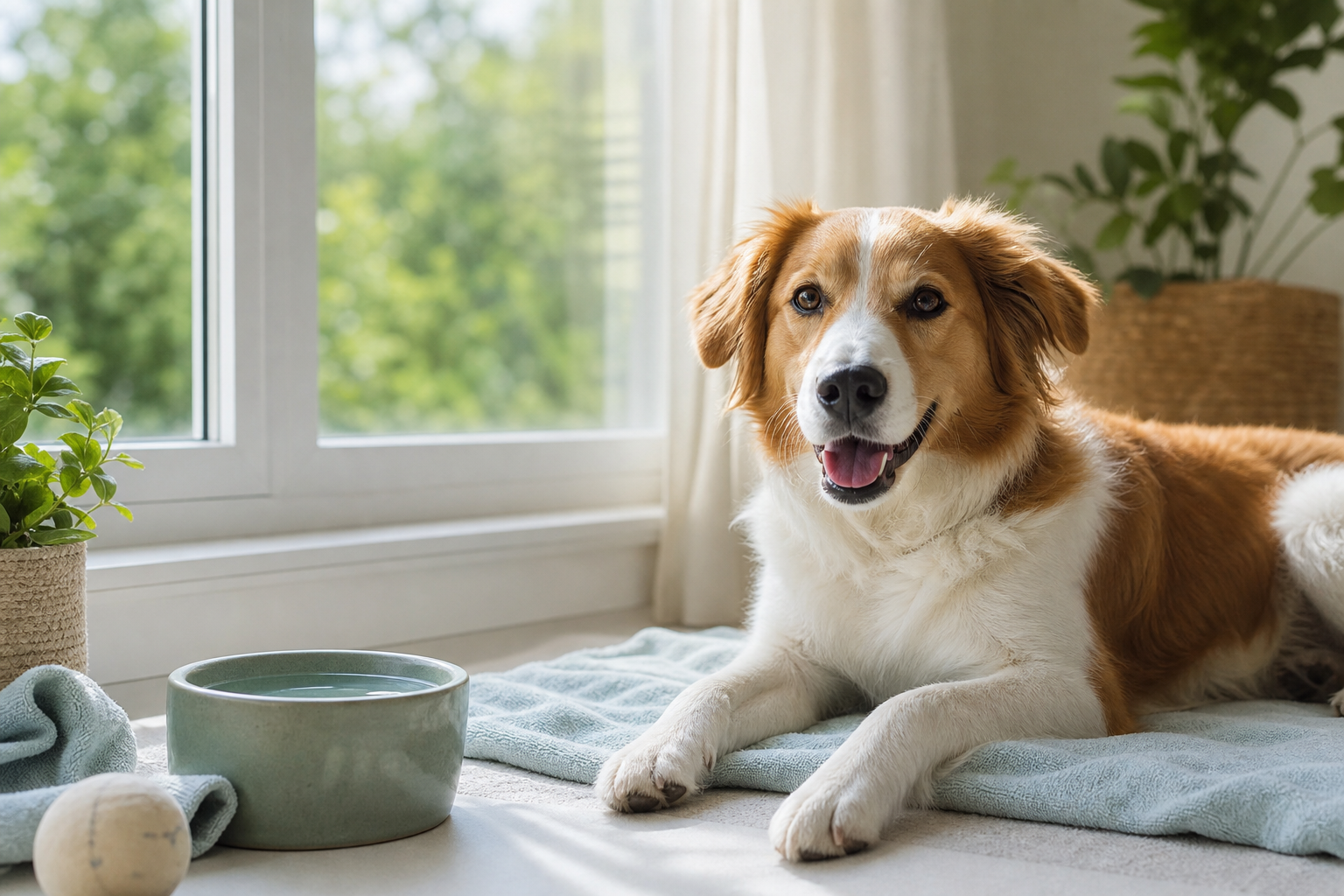
Ensure your pets have access to a cool, well-ventilated area inside your home. Air conditioning or fans can help maintain safe temperature levels. Avoid confining your pet in areas that retain excessive heat, like garages or sunrooms.
Additional tips:
- Close blinds or curtains during peak sunlight hours to reduce indoor heat buildup.
- Place cooling mats or damp towels in favorite resting spots.
- Monitor pets for signs of discomfort or overheating indoors.
7. Schedule Regular Veterinary Check-ups and Preventive Care
Maintaining your pet’s overall health during summer includes routine veterinary visits. Discuss heat-related risks specific to your pet’s breed and age. Ask about preventive treatments, such as heartworm medication, which is crucial in warm months when mosquitoes are active.
Owner tip: Early summer check-ups can help identify vulnerabilities to heat stress and other seasonal health issues.
Additional Safety Tips
- Be cautious with grooming: Avoid shaving double-coated breeds as their fur helps regulate temperature and protects skin from UV rays.
- Keep toxic plants and chemicals away: Summer often brings increased outdoor toxins like certain plants, pesticides, and antifreeze, which can be dangerous if ingested.
- Monitor outdoor pets carefully: Pets left outside are more prone to heat-related illnesses, pests, and other hazards. Provide adequate shelter, water, and shade.
By following these detailed guidelines, you can help ensure your pets remain safe, healthy, and happy throughout the summer season. Awareness, prevention, and quick action are key to protecting your beloved companions from heat-related dangers.
FAQ
What are the signs of heatstroke in pets?
Signs include excessive panting, drooling, weakness, vomiting, seizures, bloody diarrhea, and a body temperature over 104°F (40°C). Immediate veterinary care is crucial.
How can I protect my pet's paws from hot pavement?
Avoid walking your pet on pavement during peak heat. Test the ground with your hand; if it's too hot for you, it's too hot for them. Use protective booties or walk during cooler parts of the day.
When is the best time to exercise my pet in summer?
Exercise your pet early in the morning or late in the evening when temperatures are cooler to prevent overheating and paw burns.
Can I leave my pet outside all day during summer?
Pets left outside are at risk of heatstroke, dehydration, and pests. If pets are outdoors, ensure they have fresh water, ample shade, and shelter from heat.