dogs
Effective Dog Training Tips for 2024: Insights and Practical Guidance from Experts
Discover practical and expert-backed dog training methods to improve your dog's behavior and build a lasting bond in 2024.
Effective dog training is essential not only for fostering a well-behaved canine but also for building a trusting and joyful relationship with your pet. In 2024, experts continue to emphasize humane, consistent, and positive methods to help dogs learn behaviors that keep both dog and owner happy. Below are key expert-recommended techniques along with practical advice, pitfalls to avoid, and step-by-step guidance to help you succeed in training your dog.
1. Utilize Positive Reinforcement
Using treats, praise, and play to reward your dog’s desired behaviors encourages repetition of those behaviors. This approach is both effective and compassionate, creating a positive learning environment that strengthens your bond. Avoid punishment-based training as it can lead to fear and anxiety, undermining trust.
Practical tip: Start by rewarding simple commands, like "sit" or "stay," immediately when your dog obeys. Gradually increase criteria for rewards to reinforce better manners. Consistency is key for success. For example, if your dog successfully lies down on command consistently, slowly delay the treat to build patience and reliability.
2. Keep Training Sessions Short and Consistent
Short, frequent training sessions (about 5 to 10 minutes) are far more productive than long, infrequent ones. Dogs, especially puppies, have limited attention spans and can become bored or frustrated during lengthy sessions.
Practical tip: Aim for two to three sessions daily. Incorporate training naturally throughout the day, such as practicing "wait" before meals or "heel" during walks. This enhances reinforcement and helps your dog understand expectations. For instance, practicing "leave it" during playtime helps your dog learn impulse control in real-world scenarios.
3. Use Clear and Consistent Cues
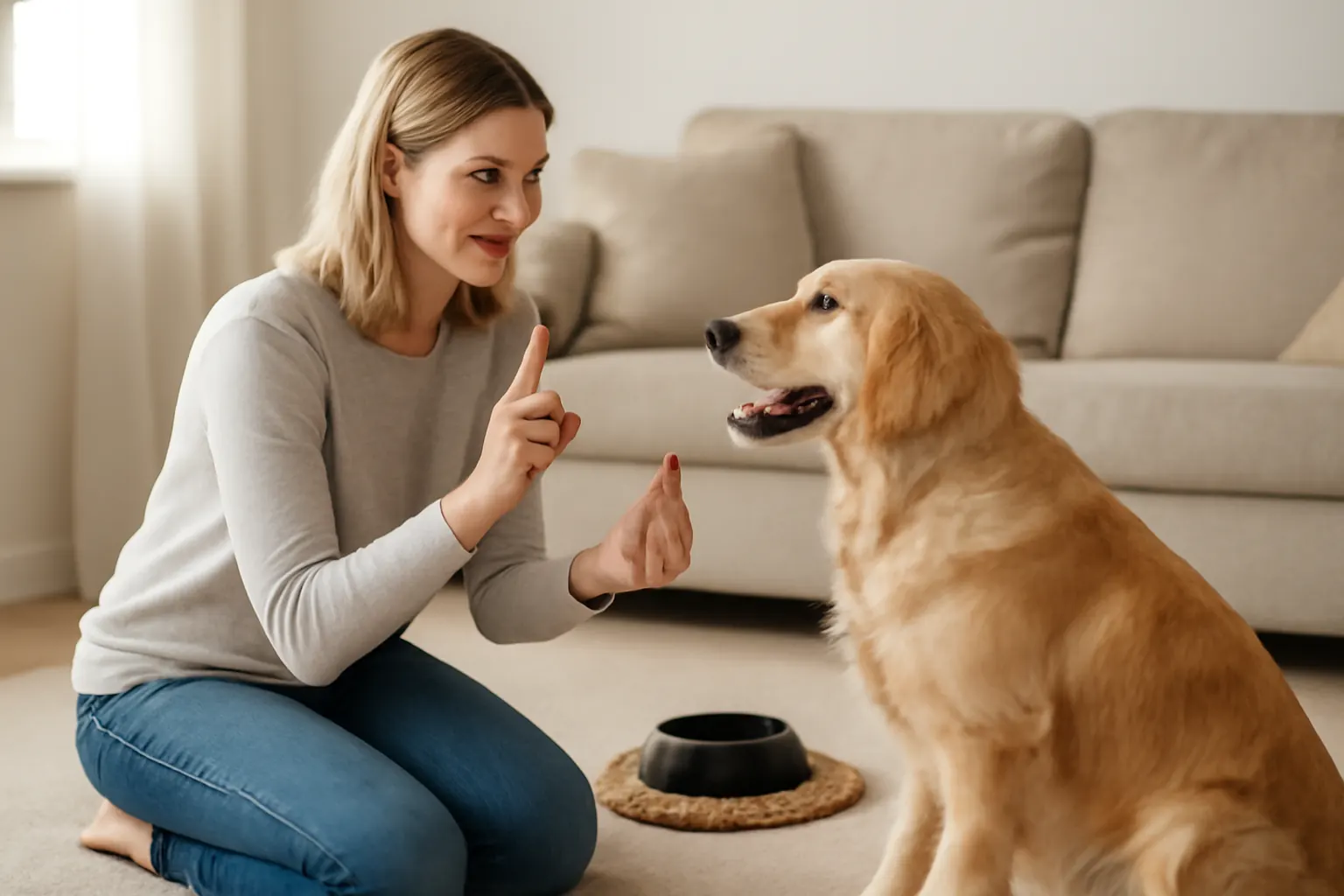
Using specific, consistent words or hand signals for each command prevents confusion. Changing words or phrases can mislead your dog and slow progress.
Common mistake to avoid: Switching commands mid-training, such as alternating between "come" and "here," can confuse your dog. Stick to one cue per behavior. Make sure all family members use the same cues and signals to maintain consistency.
4. Be Patient and Understanding
Every dog learns at their own pace, influenced by breed, age, personality, and prior experiences. Patience helps maintain a stress-free atmosphere that encourages learning.
When to seek help: If your dog shows signs of anxiety, aggression, or persistent disobedience despite consistent training, consider consulting a professional trainer or behaviorist. Early intervention can prevent escalation and help tailor strategies to your dog's specific needs.
5. Incorporate Play into Training
Making training fun by integrating play improves your dog’s motivation and engagement. Play also serves as a great reward.
Step-by-step suggestion: Use a favorite toy as a reward after a correctly performed command and alternate between treats and play throughout the session to keep your dog interested. For example, after a successful "fetch" command, reward with a brief game of tug or a quick chase, reinforcing the behavior and preventing boredom.
Bonus: Mistakes to Avoid and How to Respond
- Inconsistency: Different family members giving different commands or enforcing rules inconsistently can confuse your dog. Agree on commands and enforcement methods as a household to ensure unified training.
- Overuse of treats: Excessive treats can lead to weight gain and devaluation of rewards, reducing their effectiveness. Balance treats with praise, play, and affection to keep rewards meaningful.
- Rapid progression: Expecting too much too soon can discourage your dog. Break training into manageable steps and celebrate small victories to build confidence and motivation.
- Ignoring body language: Dogs communicate discomfort or confusion through body language. Pay attention to signs like yawning, lip licking, or turning away to adjust your approach and reduce stress.
Step-by-Step Guide to a Successful Training Routine
- Set clear goals: Identify the specific behaviors you want to teach or improve.
- Create a schedule: Plan consistent, brief training sessions throughout the day.
- Prepare rewards: Have treats and toys ready to reinforce good behavior immediately.
- Start simple: Begin with basic commands before progressing to advanced skills.
- Observe and adapt: Watch your dog’s reactions and adjust training intensity or reward types accordingly.
- Include the family: Ensure everyone uses the same commands and follows the same training methods.
- Celebrate progress: Recognize and reward small milestones to keep motivation high.
By adopting these expert-backed methods and practical strategies, you create a nurturing training environment that yields results and a happy canine companion. Remember, successful dog training is a journey of patience, consistency, and understanding. Staying attentive to your dog’s unique needs and adjusting your approach as needed will make this journey rewarding for both of you.
FAQ
How often should I train my dog each day?
Short, frequent sessions of about 5 to 10 minutes, two to three times daily, are most effective for maintaining your dog's attention and reinforcing behavior.
What should I do if my dog is not responding to commands?
Ensure you are consistent with cues and rewards. If your dog still struggles, consider consulting a professional trainer or a veterinary behaviorist to rule out underlying issues.
Can training be integrated into daily routines?
Yes, incorporating training into everyday activities like walks, feeding time, and play increases practice opportunities and reinforces behaviors naturally.