dogs
A Practical Guide to Managing Your Dog’s Seasonal Shedding
Seasonal shedding is a natural process for many dogs. We offer useful tips to keep your dog comfortable and your home clean through the changing seasons, along with practical owner advice and signs to watch for.
Understanding Seasonal Shedding in Dogs
Many dog owners notice an increase in shedding during spring and fall — a natural cycle where dogs shed old or damaged hair to grow a new coat suited to the changing weather. Shedding varies significantly by breed, coat type, age, and individual health factors. Breeds like Siberian Huskies, Golden Retrievers, and German Shepherds often have intense seasonal shedding periods, while others like Poodles shed minimally year-round. Understanding this process helps owners manage shedding more effectively and maintain their pet’s comfort throughout the year.
Why Dogs Shed Seasonally
Seasonal shedding helps dogs regulate their body temperature and adapt to the climate. In cooler months, dogs grow a thicker undercoat for insulation, which they shed in warmer months to stay cool. This cyclical process is influenced by daylight length and environmental factors such as indoor heating and humidity levels. Additionally, factors like stress, hormonal changes, and health conditions can affect shedding patterns.
Step-by-Step Owner Guidance to Manage Seasonal Shedding
Managing your dog’s shedding involves more than just brushing. Here’s a detailed, practical approach to help you navigate shedding seasons confidently:
1. Choose the Right Grooming Tools
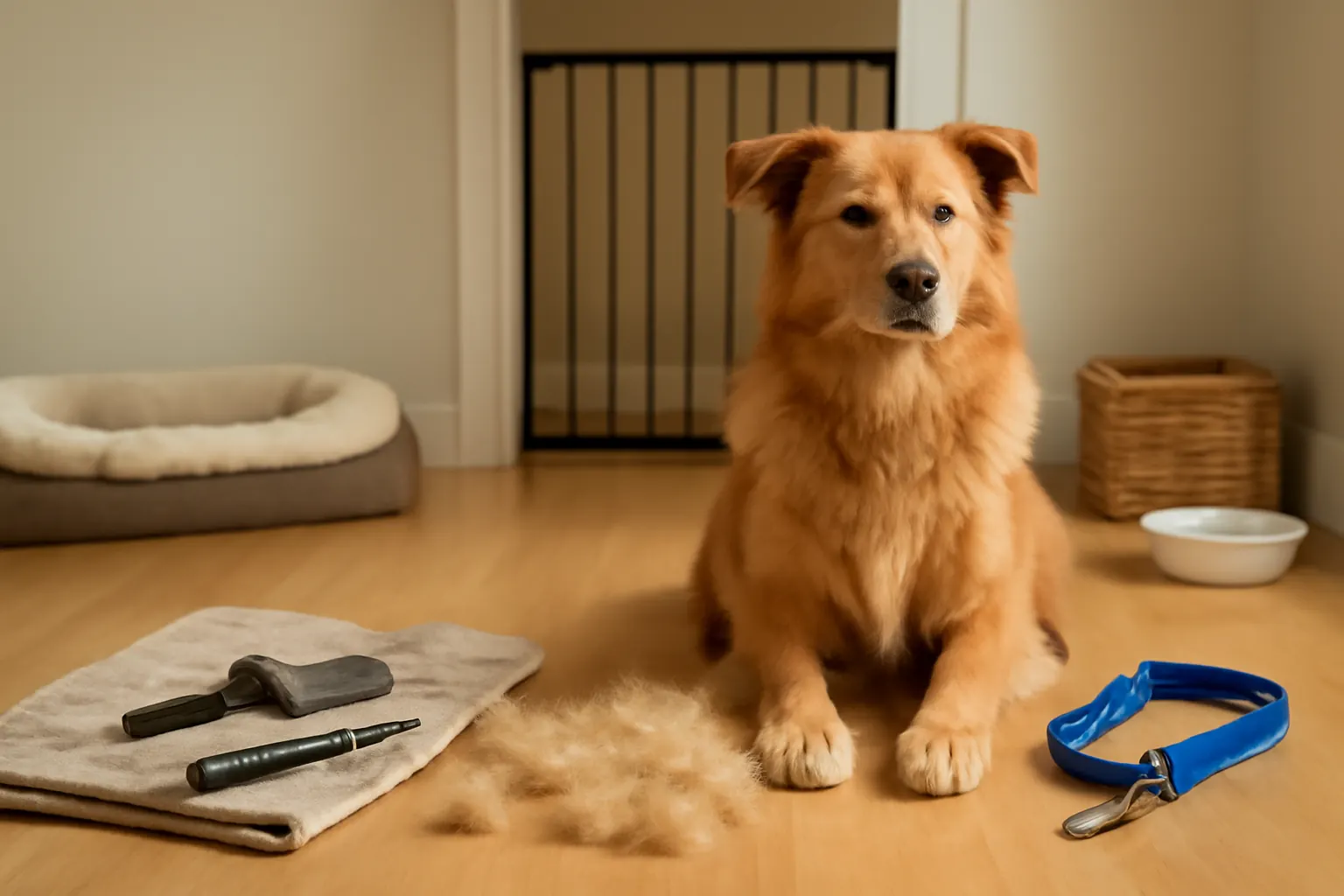
Select grooming tools tailored to your dog’s coat type for optimal results:
- Long-haired breeds: Use a slicker brush or a pin brush to reach through the coat and detangle. For very long hair, incorporating a wide-tooth comb can help remove tangles gently and prevent breakage.
- Short-haired breeds: A rubber curry comb or grooming gloves help remove loose hair effectively and massage the skin without causing irritation.
- Double-coated breeds: Use a deshedding tool like a FURminator to safely reach the undercoat without damaging the topcoat. Be cautious not to overuse to avoid skin irritation and hair thinning.
Regularly cleaning your tools to remove accumulated hair and debris improves efficiency and hygiene, preventing skin irritation or bacterial build-up. Consider disinfecting brushes periodically, especially if your dog has any skin conditions.
2. Establish a Brushing Routine
During peak shedding seasons, daily brushing is ideal, but at minimum, aim for 3-4 times per week. Always brush gently following the direction of hair growth to avoid irritation and skin damage. Pay close attention to areas where mats and tangles commonly form, such as behind the ears, chest, armpits, and belly. Neglecting these spots can lead to uncomfortable mats that trap dirt and moisture, potentially causing skin infections.
Practical tip: Establish a consistent grooming schedule and use positive reinforcement, like treats or praise, to help your dog enjoy and tolerate brushing sessions. Take breaks during longer grooming sessions to keep your dog calm and cooperative.
3. Incorporate Bathing Wisely
Bathing helps remove dead hair and refreshes the coat, but overbathing can dry the skin leading to more shedding. Follow these tips:
- Use a moisturizing dog shampoo formulated for sensitive skin to maintain natural oils and prevent dryness.
- Limit baths to every 4–6 weeks during shedding periods, unless your dog gets excessively dirty or has skin issues requiring more frequent cleaning.
- Rinse thoroughly to remove all shampoo residue as leftover product can cause skin irritation and itching.
- Supplement baths with conditioner or leave-in sprays designed to hydrate the coat, reduce static, and help loosen shedding hair.
- Consider professional grooming for heavy shedding or thick coats, as groomers can use specialized de-shedding treatments and provide coat thinning or trimming if needed.
4. Support Skin and Coat Through Nutrition
A healthy diet plays a crucial role in reducing excessive shedding and promoting a shiny coat. Here’s how to ensure your dog's diet supports its skin health:
- Incorporate omega-3 and omega-6 fatty acids, commonly found in fish oils, flaxseed, and certain commercial dog foods formulated for skin health. They help reduce inflammation and keep skin supple.
- Include high-quality proteins and vitamins such as Vitamin E, Biotin, and zinc that support hair follicle health and skin repair.
- Consult your veterinarian before adding supplements to ensure proper dosage and avoid nutrient imbalances or interactions, especially if your dog is on medication.
- Maintain consistent feeding schedules and provide fresh water at all times to support overall health and hydration, which influences skin and coat condition.
- Owner mistake to avoid: Sudden dietary changes without veterinary advice can negatively affect digestion and coat condition. Gradually transition foods over 7–10 days if changing diet.
5. Maintain a Clean Home Environment
Shed hair can quickly accumulate around your living space, causing not only mess but potential allergies for family members. Reduce mess and allergens with these cleaning strategies:
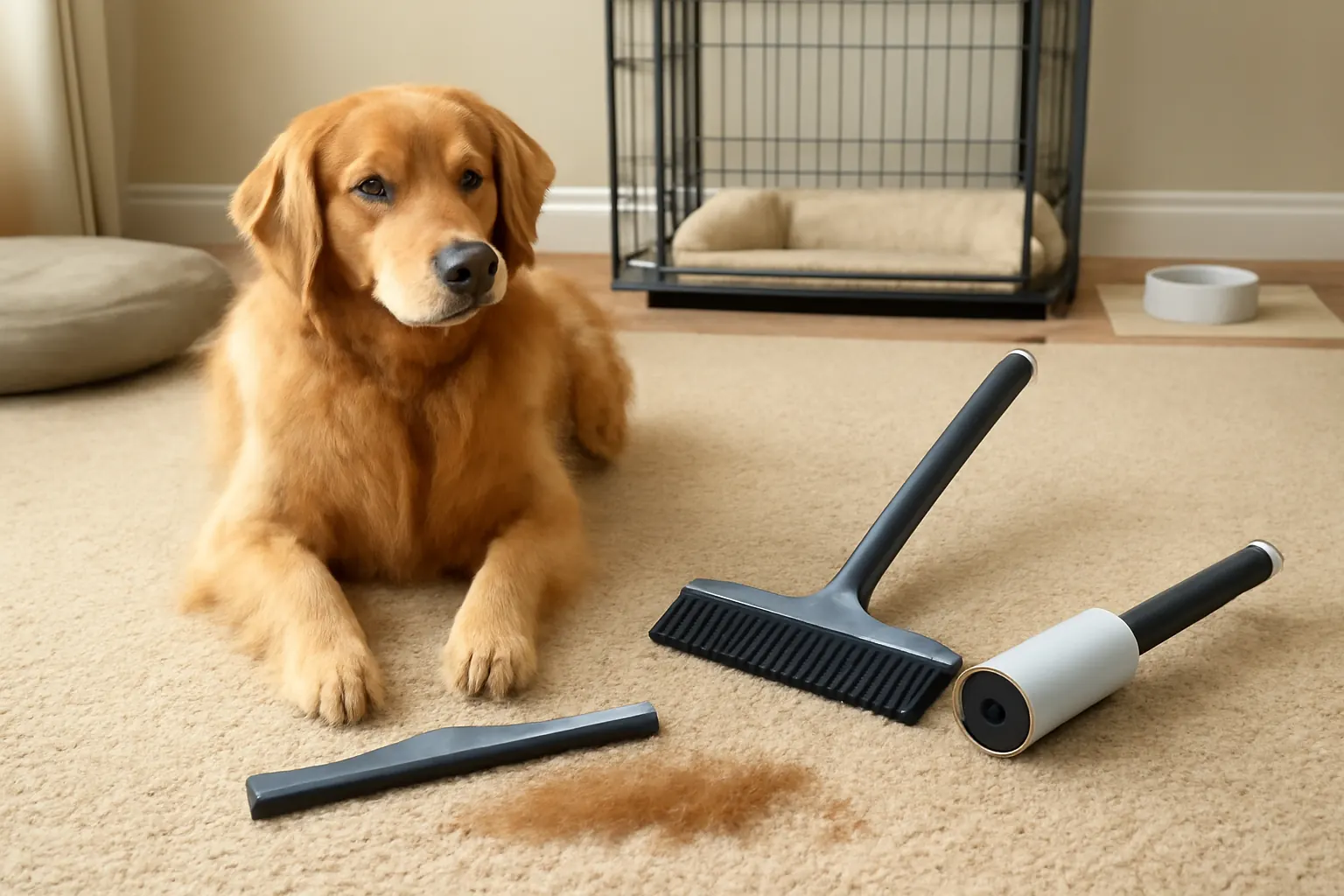
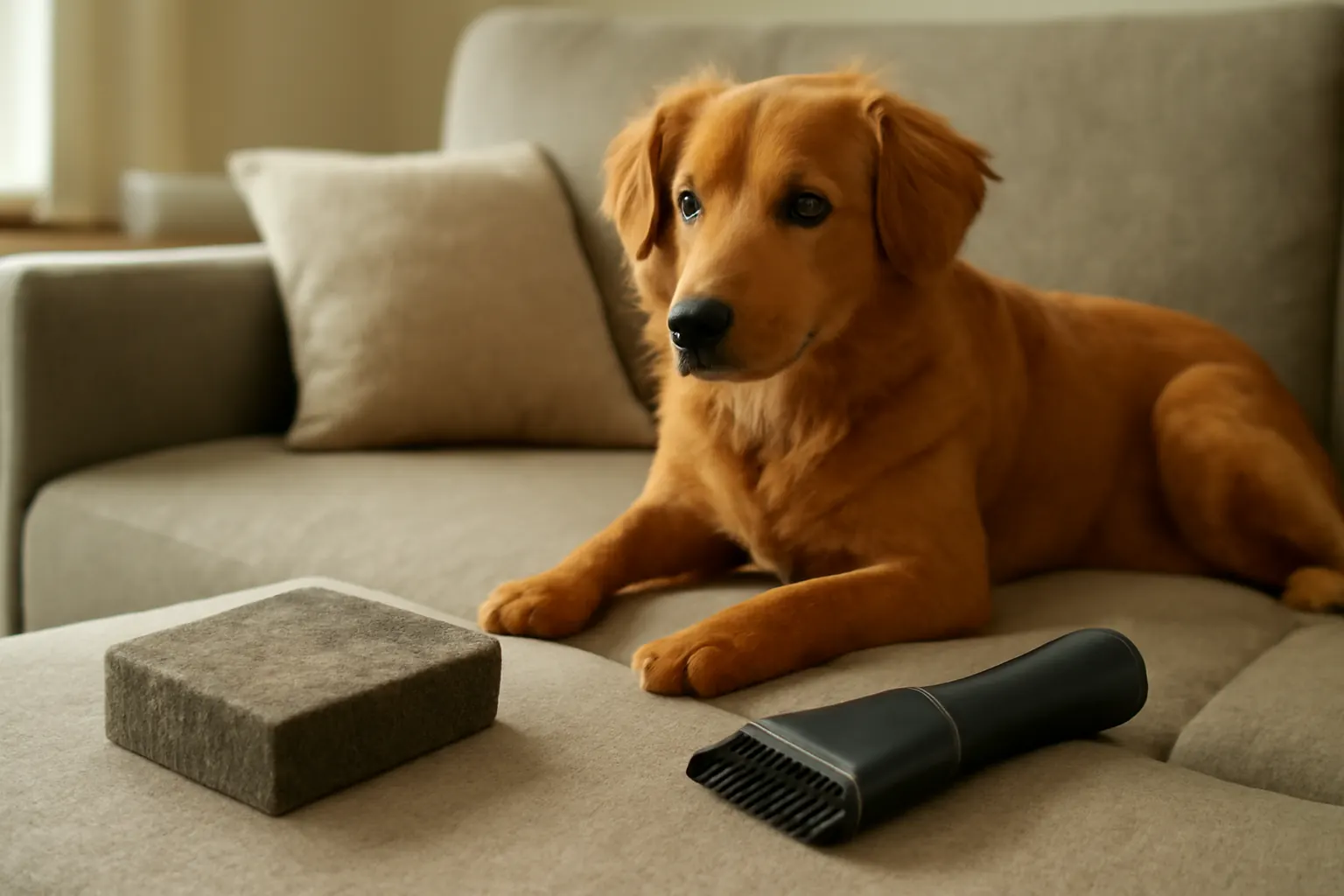
- Vacuum floors, carpets, and upholstery regularly using a pet-specific or HEPA-filter vacuum cleaner designed to capture pet hair and dander effectively.
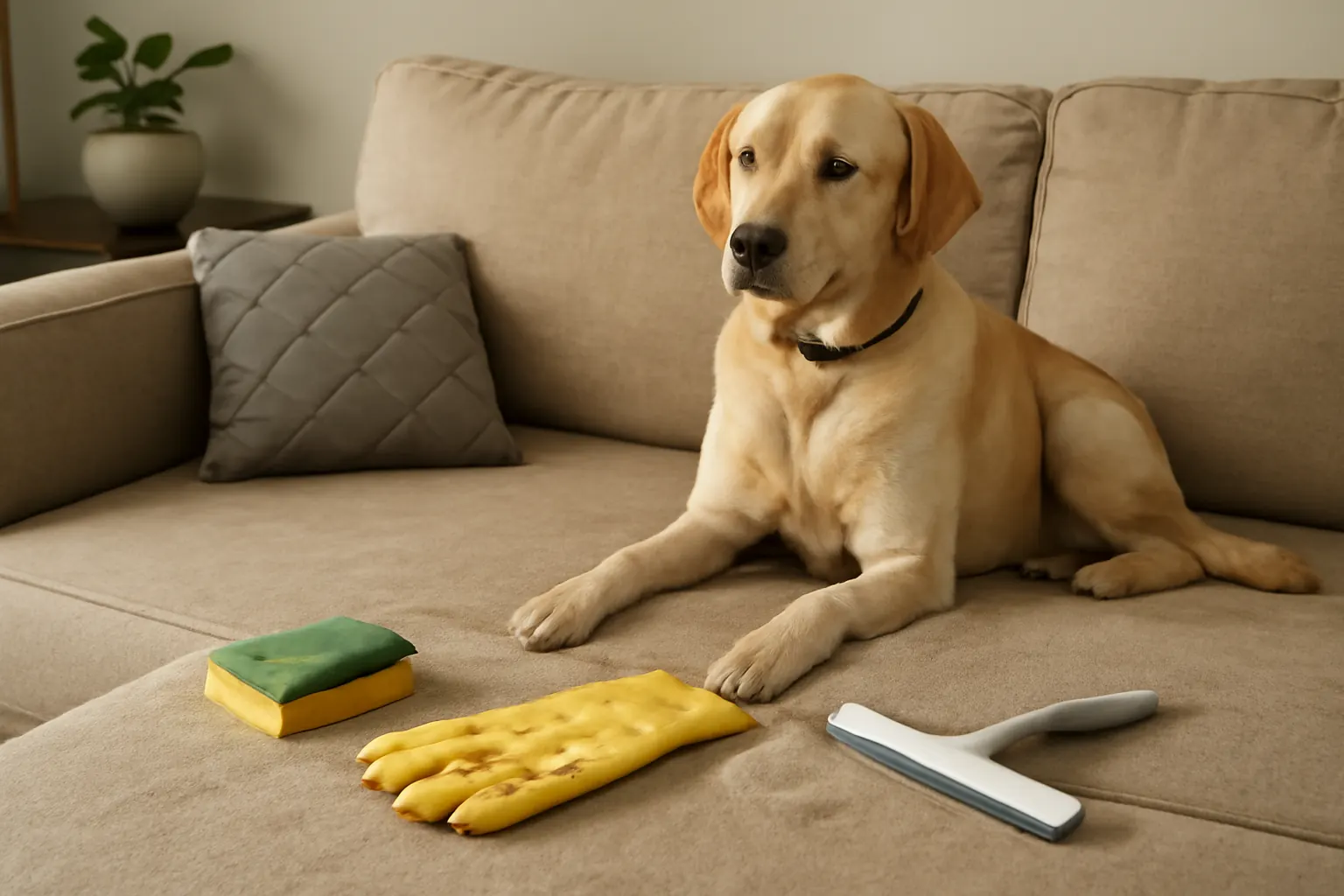
- Use lint rollers, rubber gloves, or damp sponges for quick removal of hair from furniture, carpets, and clothing between vacuum sessions.
- Wash pet bedding weekly in hot water to minimize hair, dander buildup, and potential allergens.
- Consider air purifiers equipped with HEPA filters to reduce airborne pet hair and allergens inside your home.
- Use washable slipcovers on furniture for easier cleaning.
6. Monitor Indoor Climate and Humidity
Dry indoor air, especially in winter, can aggravate skin dryness leading to increased shedding. Use a humidifier to maintain indoor humidity levels between 30-50%. This supports healthy skin and reduces flaking. Additionally, avoid excessive use of heaters or air conditioners that can further dry out your dog's skin.
7. Recognize When to Seek Professional Grooming
Professional groomers are invaluable partners in managing heavy shedding, especially for dogs with thick, double coats or prone to matting. They can:
- Provide de-shedding treatments using specialized tools safely and efficiently.
- Trim and thin coats where appropriate to reduce shedding load and maintain coat health.
- Identify skin issues early on to recommend veterinary care and prevent complications.
- Offer personalized advice tailored to your dog's breed and coat type.
- Schedule appointments every 6-8 weeks during shedding seasons to support your home grooming routine.
Common Owner Mistakes and How to Avoid Them
- Overbrushing or Using Incorrect Tools: This can cause skin irritation or damage hair follicles. Always use the appropriate brush and gentle strokes. Overbrushing may increase oil production, leading to greasy coats.
- Neglecting Signs of Health Issues: Abnormal shedding like bald spots, itching, redness, or sores should prompt a veterinary evaluation to check for infections, allergies, or parasites.
- Using Human Grooming Products: Human shampoos often contain harsh chemicals and pH levels unsuitable for dogs, risking skin irritation.
- Irregular Grooming Schedule: Inconsistent brushing and bathing can lead to mats, tangles, and worsen shedding problems.
- Poor Nutrition and Hydration: Inadequate diet or dehydration contributes to unhealthy skin and excessive shedding but is often overlooked.
- Not Rewarding Your Dog: Grooming should be a positive experience. Failing to reward can lead to resistance or anxiety during grooming sessions.
- Ignoring Environmental Factors: Not managing indoor humidity or cleanliness can exacerbate skin dryness and hair shedding.
When to Consult Your Veterinarian
While seasonal shedding is normal, some signs require professional veterinary attention to ensure your dog’s health isn’t compromised:
- Shedding that is heavy, patchy, or occurring outside normal seasonal periods.
- Skin abnormalities such as redness, inflammation, sores, scabs, hair loss, or unusual odors.
- Persistent itching, scratching, licking, or visible discomfort.
- Behavioral changes like lethargy, decreased appetite, or unusual aggression, which might indicate underlying systemic issues.
- Signs of external parasites such as fleas or mites contributing to shedding and skin problems.
- Sudden changes in coat texture or color.
Early veterinary diagnosis can prevent complications and help tailor treatment plans, including allergy management, parasite control, or medical treatment for skin conditions.
Expert Tips for Year-Round Coat Care
Veterinarians and groomers recommend integrating the following practices year-round to maintain optimal skin and coat health:
- Perform quick daily coat checks during grooming to identify early signs of irritation, parasites, or changes in skin condition.
- Maintain consistent grooming regardless of shedding level to keep the coat healthy and prevent mats.
- Adjust nutrition based on life stage, breed, and health issues under veterinary guidance.
- Modify grooming routines seasonally, increasing brushing during shedding peaks and applying moisturizing treatments in dry months.
- Monitor your dog's response to grooming tools and products, discontinuing use if irritation occurs.
- Keep a grooming diary to track shedding intensity and skin changes, facilitating veterinary consultations if needed.
Additional Practical Advice for Owners
For owners facing severe or stubborn shedding issues, consider the following practical steps and mistakes to avoid:
- Regularly Inspect During Walks: Check your dog’s coat and skin during walks or at playtime for early signs of irritation or excessive hair loss.
- Provide Distraction and Comfort: Some dogs resist grooming due to discomfort or anxiety. Use distraction techniques like chew toys or calming music, and be patient.
- Integrate Grooming with Daily Routine: Make brushing part of your morning or evening routine to reduce stress and ensure consistency.
- Avoid Overbathing: Excessive shampooing strips natural oils, worsening shedding. Stick to recommended bath intervals.
- Adapt to Environmental Changes: When moving to different climates, anticipate changes in shedding and adjust grooming accordingly.
- Consult Professionals Early: If you notice abnormal shedding or skin issues, early consultation with a groomer or vet can prevent more serious problems.
Summary
Seasonal shedding is a natural and healthy process for many dogs but it requires proactive management to keep your dog comfortable and your home tidy. A combination of regular, appropriate grooming, balanced nutrition, hydration, home cleaning, and vigilant health monitoring is essential. Avoid common errors like overbrushing or using inappropriate products. Always consult your veterinarian if shedding appears abnormal or is accompanied by other signs of illness. By following this practical guide with expanded steps and detailed owner advice, you can make shedding seasons manageable and ensure your dog’s coat stays healthy and shiny year-round.
FAQ
Why do dogs shed more in spring and fall?
Dogs shed more in these seasons as they adjust their coat thickness to regulate body temperature for warmer or colder weather.
How often should I brush my dog during shedding season?
Daily brushing is ideal during heavy shedding seasons, but at minimum, several times a week is recommended depending on the coat type.
Can diet affect my dog's shedding?
Yes, a diet rich in omega fatty acids promotes healthy skin and coat, which can reduce excessive shedding.
What are signs that my dog's shedding may be unhealthy?
Signs include bald patches, redness, itching, sores, or persistent excessive shedding outside normal seasonal cycles.
When should I see a vet about my dog's shedding?
Consult your vet if shedding is severe, accompanied by skin problems, or behavioral changes, as these may indicate underlying health issues.