Rescue & Adoption
A New Pet Parent’s Guide to Successfully Adopting from a Shelter or Rescue
Adopting a pet is a rewarding experience that requires preparation, knowledge, and patience. This guide provides practical steps, detailed owner scenarios, common mistakes to avoid, and professional advice to ensure a smooth, successful adoption and a lasting bond with your new pet.
Adopting a pet from a shelter or rescue is a wonderful way to provide a loving home to an animal in need. However, many new pet parents feel unsure about the adoption process and how to best prepare for bringing their new companion home. This guide offers practical and detailed advice to help you navigate the adoption process successfully and ensure your pet’s transition is smooth and positive for both of you.
Understand the Adoption Process
The first step is to familiarize yourself with how shelters and rescue groups operate. Each organization may have unique procedures, but typically the process includes:
- Application: Complete an adoption application detailing your living situation, experience with pets, and preferences for your new companion. Being honest about your lifestyle and needs helps match you with the right pet.
- Meet & Greet: Spend quality time interacting with potential pets to assess compatibility. Pay close attention to their behavior, temperament, and energy level to ensure a good fit for your household.
- Home Check: Some organizations require a home visit or references to ensure a safe, pet-friendly environment. This step safeguards your new pet’s well-being and helps you prepare your living space properly.
- Adoption Fee: Covers part of the animal’s care including vaccinations, spay/neuter surgery, and sometimes microchipping. Fees vary but contribute to the pet’s healthcare and future medical needs.
Being informed about these stages allows you to set realistic expectations and approach each step with confidence and readiness.
Prepare Your Home Before the Adoption
Good preparation minimizes stress for your new pet and sets the foundation for a happy life together. Consider these essential preparations:
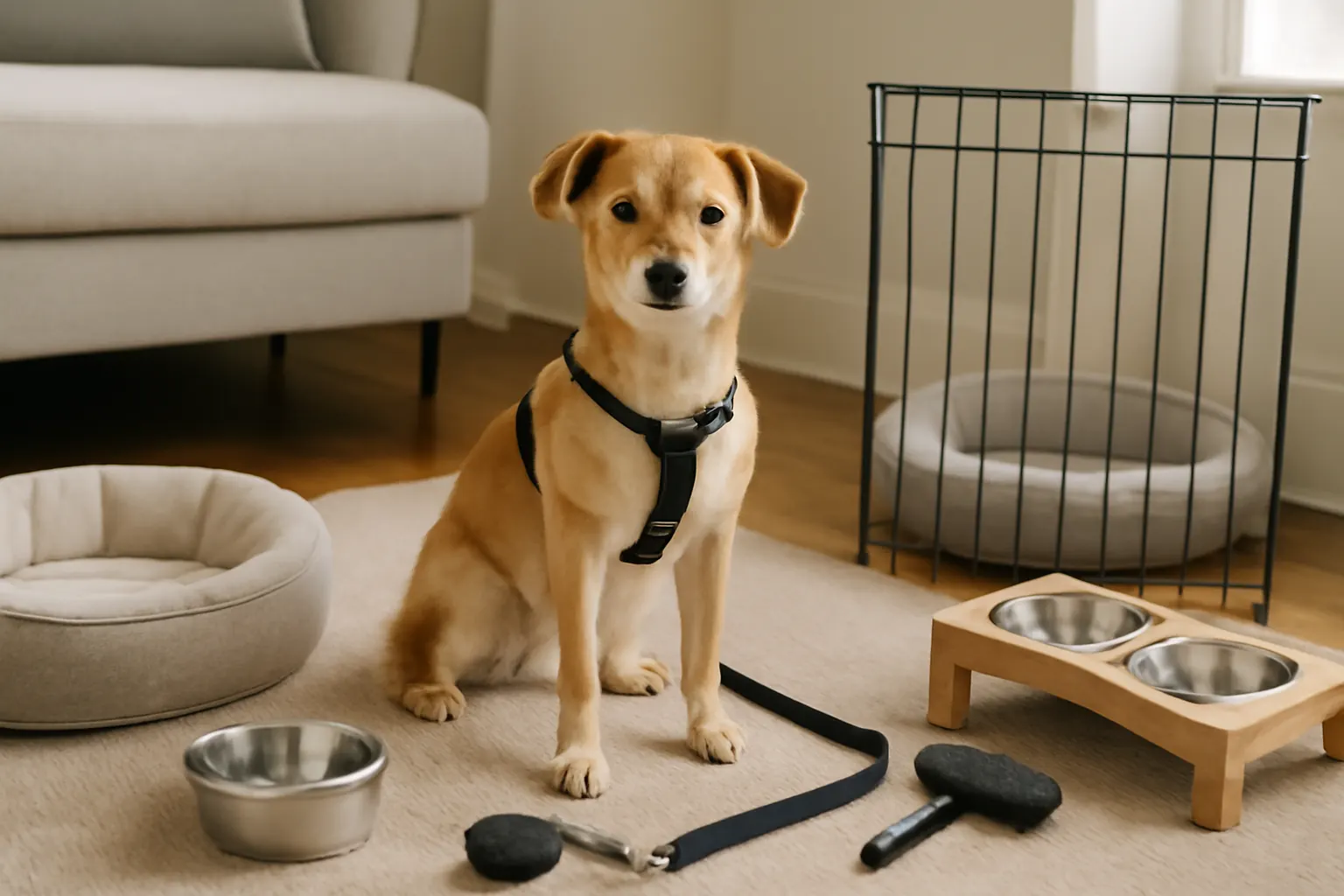
- Create a safe space: Designate a quiet, comfortable area with a bed, water, and food bowls where your pet can retreat and feel secure during their adjustment period.
- Remove hazards: Secure chemicals, remove toxic plants, and hide electrical cords to prevent accidental injury or poisoning.
- Gather supplies: Have essentials ready such as collar, leash, shelter-recommended pet food, toys, grooming tools, and a crate or carrier for secure transportation and confinement if needed.
- Plan routines: Consistent feeding times, bathroom breaks, play sessions, and quiet time help pets settle more quickly by creating predictable daily rhythms.
For instance, if adopting a puppy, prepare for frequent bathroom breaks and teething behaviors with appropriate chew toys. For shy or fearful adult animals, setting up a calm, low-traffic space can significantly ease their transition. In homes with existing pets, arrange a separate area for gradual, supervised introductions to reduce stress and potential conflicts.
Understand Your New Pet’s Needs and Behavior
Shelter and rescue animals often have experienced stress, trauma, or neglect, affecting their behavior and adaptation. Use these strategies to support a positive transition:
- Allow your pet to explore their environment at their own pace: Avoid forcing interactions; let them approach when comfortable to build trust and confidence.
- Keep introductions to other pets and family members gradual and supervised: Slow, controlled introductions reduce anxiety and minimize aggressive incidents. Utilize leashes or barriers if needed initially.
- Recognize body language indicating stress or fear: Signs like lip licking, yawning, avoidance behaviors, or a tucked tail signal the need for calm responses, space, or distraction.
- Provide enrichment and mental stimulation: Incorporate puzzle feeders, training games, and varied walks to engage your pet’s mind, reducing anxiety and destructive behaviors.
If problems such as aggression, extreme fear, or destructiveness arise, seek professional help early. Certified animal behaviorists or trainers can provide tailored interventions that prevent issues from worsening, enhancing the quality of life for both owner and pet.
Common Mistakes to Avoid During Adoption
- Rushing the adoption: Impulsive decisions without adequate research can result in mismatches and challenges. Thoroughly understand your own needs and your chosen pet’s personality before committing.
- Neglecting veterinary visits: Avoid skipping a veterinary checkup soon after adoption. Early health assessments catch hidden conditions and ensure vaccinations and parasite control are up to date.
- Ignoring gradual introductions: Immediate exposure to new pets, family members, or busy environments can overwhelm your pet causing stress or behavioral issues.
- Overlooking training needs: Consistent positive reinforcement builds trust and teaches basic manners, preventing future problems. Harsh punishments increase fear or aggression, so avoid them.
- Forgetting ongoing commitment: Adoption is a long-term promise requiring continuous effort, veterinary care, socialization, and financial resources for your pet's entire life.
Step-by-Step Guidance for Your Adoption Journey
- Research shelters and rescues: Visit multiple organizations, review their adoption policies, and inquire about available pets and care needs to find the best match.
- Prepare your home and supplies: Ensure your environment is safe and fully stocked before your pet arrives to reduce stress and prevent accidents.
- Complete adoption application thoughtfully: Provide accurate, honest information to aid matching you with a pet suitable for your lifestyle and preferences.
- Plan your meet-and-greet visit: Spend time interacting with pets you’re interested in. Bring family members who will live with or care for the pet for valuable input.
- Complete the adoption process: Upon approval, carefully review contracts, pay fees, and coordinate transportation or pickup arrangements.
- Integrate your pet gradually: Introduce your new companion slowly to both their surroundings and family members, using gentle methods and positive reinforcement.
- Schedule veterinary and follow-up care: Book a vet appointment within the first week to evaluate health, update vaccinations, and plan ongoing wellness support.
- Engage in ongoing training and socialization: Establish routines and positive habits early to foster a well-adjusted pet, and address behavioral concerns promptly.
When to Consult a Veterinarian
Even if your pet appears healthy, prompt veterinary care is essential to identify hidden illnesses and provide vaccinations and parasite control. Contact your vet or an emergency clinic immediately if you notice symptoms such as:
- Persistent vomiting, diarrhea, or coughing
- Changes in appetite, water intake, or bathroom habits
- Lethargy, limping, or unusual behavior such as aggression or excessive hiding
- Excessive scratching, hair loss, signs of skin infection
- Signs of pain including whining, limping, or reluctance to move
Routine veterinary visits also support long-term wellness and help detect health issues early to ensure your pet enjoys a good quality of life.
Additional Resources for New Pet Parents
Leverage trusted resources for ongoing education and support post-adoption. These organizations provide valuable information on adopter responsibilities, pet care, training, and behavior:
- ASPCA Adoption Tips – Comprehensive advice on adoption readiness and pet care from a leading animal welfare group.
- Humane Society Shelter Adoption Guidance – Detailed steps for responsible adoption from a reputable nonprofit.
- Petfinder Adoption Resources – Tools and articles for finding and caring for shelter pets, including behavior tips and local pet listings.
- American Veterinary Medical Association Adoption Resources – Veterinary health and behavioral advice to support your adopted pet’s well-being.
- Preventive Vet Adoption Guide – Expert veterinary guidance on the adoption process, care considerations, and wellness planning.
- Best Friends Animal Society: Bringing Home Your New Pet – Practical advice on preparing for and welcoming a new pet.
- Cornell Feline Health Center Adoption Advice – Specialized guidance for adopting cats from a veterinary academic source.
- VCA Hospitals Pet Behavior and Training – Veterinary perspectives on behavior issues and training techniques for new pet owners.
Final Thoughts
Adopting a pet from a shelter or rescue is a deeply fulfilling journey. By understanding the process, preparing thoughtfully, and embracing patience and consistent care, you can build a loving, lasting relationship with your new furry family member. Remember, adoption is not just about providing a home; it’s about creating a lifetime of care, trust, and companionship.
Always seek support from reputable organizations and veterinary professionals throughout this important transition and address any challenges proactively to ensure a successful experience for you and your pet.
FAQ
What should I prepare before bringing my adopted pet home?
Prepare a quiet, safe space with essentials like a bed, food and water bowls, and remove hazards such as toxic plants or cords. Gather supplies like a collar, leash, shelter-recommended food, toys, and grooming tools to ensure your pet feels comfortable and secure.
How can I help my new rescue pet adjust to their new home?
Be patient and allow your pet to explore their environment at their own pace. Make introductions to family members and other pets gradual and supervised. Maintain consistent routines for feeding, play, and bathroom breaks to reduce stress and build trust.
When is it important to take my newly adopted pet to a veterinarian?
Schedule a veterinary visit shortly after adoption to evaluate health, update vaccinations, and discuss parasite prevention. Contact a vet urgently if your pet shows symptoms like vomiting, diarrhea, lethargy, or unusual behavior to address potential health issues early.