Rescue & Adoption
Keys to a Smooth Transition: Preparing Your Home Before Bringing Home a Rescue Dog
Before welcoming a rescue dog into your family, thoughtful preparation can ease their adjustment and create a safe, loving environment.
Understanding the Importance of Preparation
Bringing a rescue dog into your home is an exciting and rewarding experience. However, without proper preparation, the transition can be overwhelming for both you and your new furry family member. Rescue dogs often come from unfamiliar, sometimes traumatic backgrounds, and a calm, well-prepared environment helps them adjust more comfortably and confidently. Proper preparation sets the stage for a positive bond and reduces stress-related behaviors.
Steps to Prepare Your Home
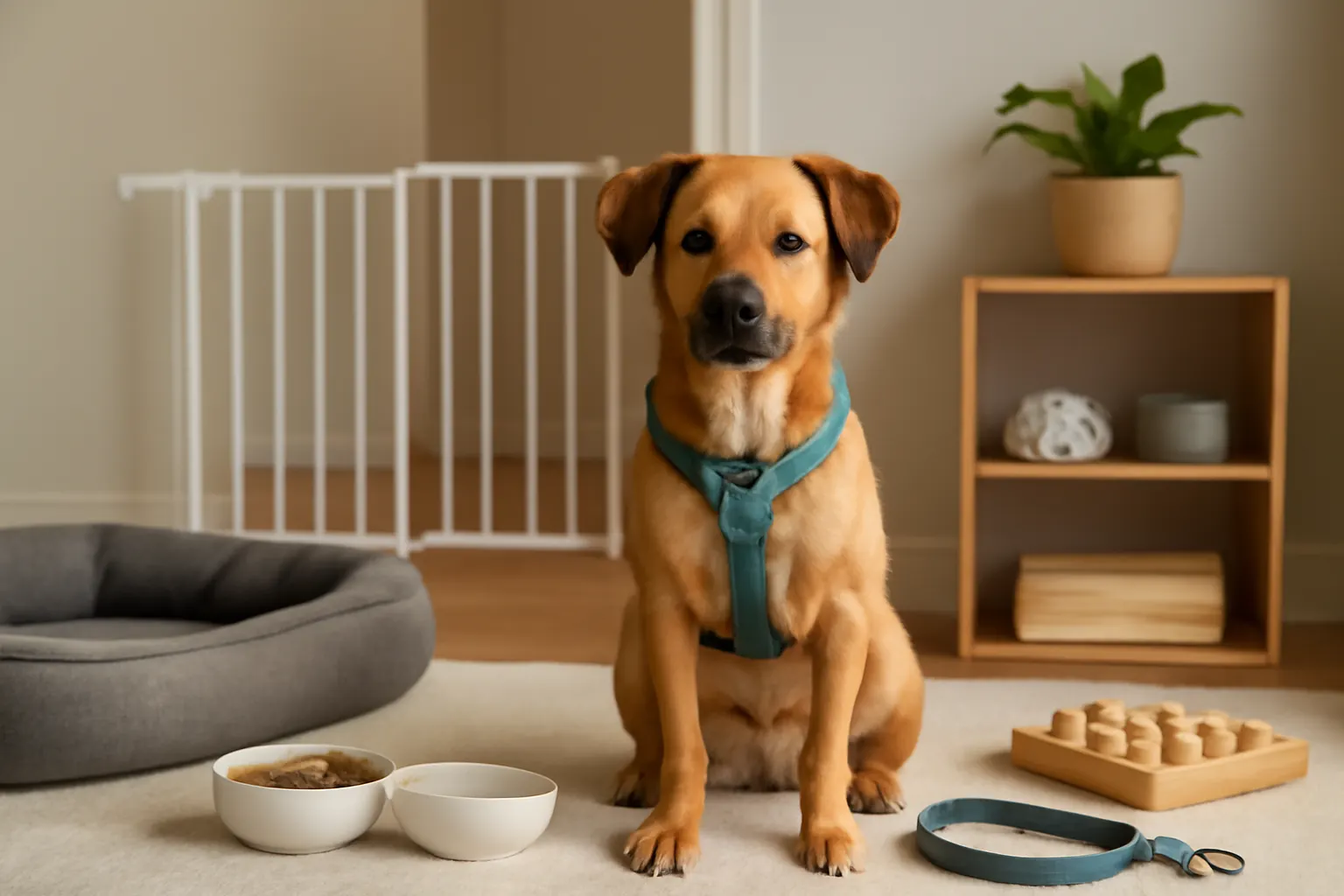
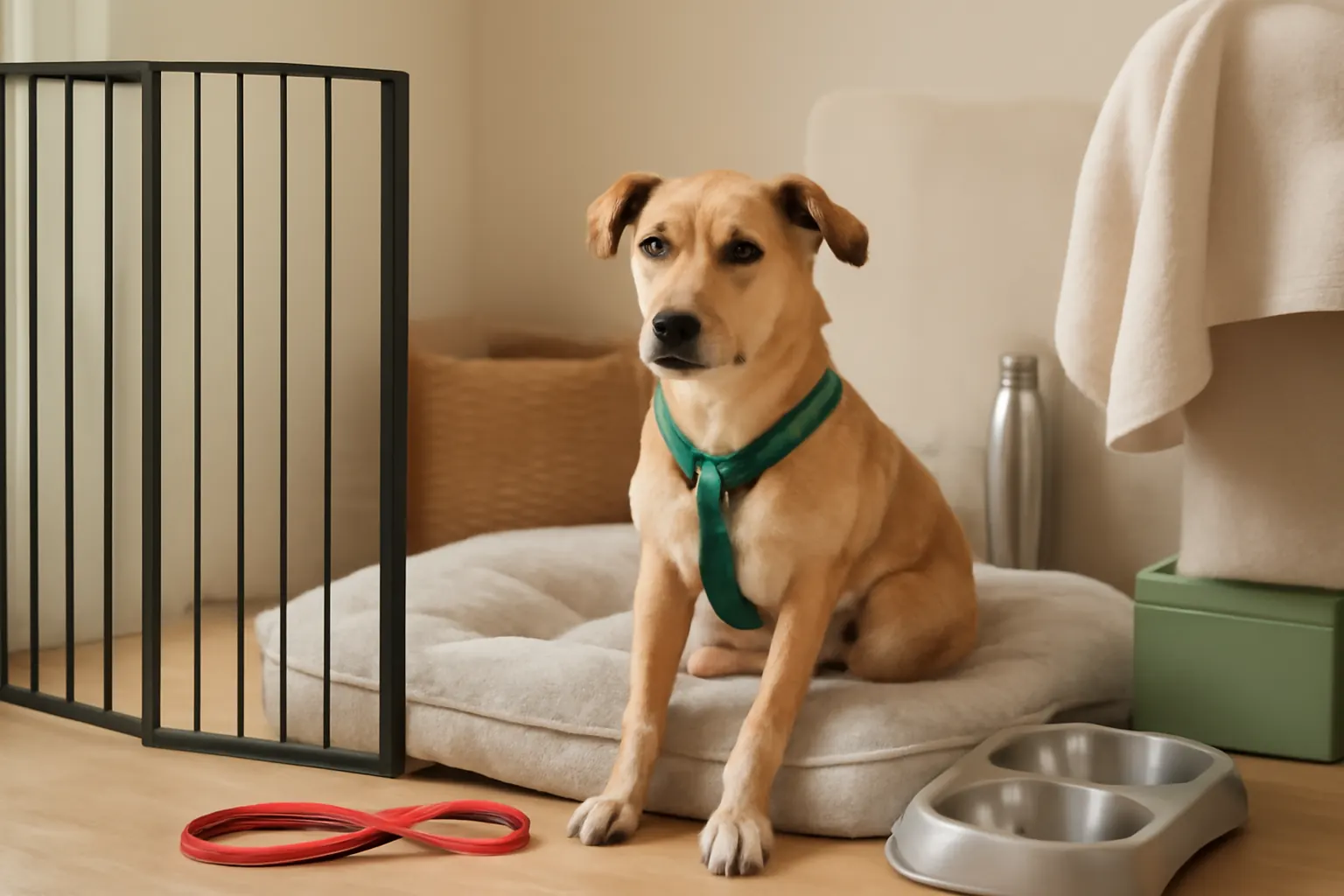
- Designate a Safe Space: Set up a quiet, comfortable area with a dog bed or crate where your dog can retreat to rest and feel secure. This space should be away from heavy household traffic and loud noises. Consider placing familiar-smelling items like a blanket or an old t-shirt with your scent to provide comfort. Providing a consistent safe space helps your rescue dog build confidence and feel secure in their new environment. (dogstrust.org.uk)
- Gather Essential Supplies: Have necessary items ready before bringing your dog home. This includes food and water bowls, high-quality dog food (consult the shelter about their current diet to ease transition), a secure collar with ID tags, leash, toys to encourage mental stimulation, grooming tools, waste bags, and crate or bedding. If your veterinarian or rescue center recommends training pads, calming aids, or supplements, have these available. Being fully prepared helps avoid stressful last-minute store trips. (spotpet.com)
- Dog-proof Your Home: Remove or secure items that could be hazardous or tempting to chew, such as electrical cords, toxic plants, chemicals, medications, and small objects. Check spots accessible to your dog, including under furniture, and secure trash bins. Consider using baby gates or closed doors to block unsafe areas. This not only protects your dog but also prevents damage to your belongings. (ask.com)
- Establish House Rules Ahead of Time: Decide on boundaries such as off-limit rooms, furniture rules, and designated potty areas. Inform all household members about these rules to maintain consistency. Consistent commands, routines, and expectations help your dog understand their new home dynamics and feel secure. Avoid sudden changes in rules which can confuse your dog. (dogstrust.org.uk)
- Plan a Quiet Arrival: Arrange for a calm, low-key introduction to your home without loud noises, crowds, or other pets initially. Allow your dog to explore their new environment at their own pace while maintaining a calm and positive demeanor yourself. Avoid overwhelming your rescue dog with visitors or excessive handling during the first 24-48 hours. This helps reduce stress and builds trust. (dogstrust.org.uk)
- Prepare for Behavior Variations: Rescue dogs may initially show fear, anxiety, mistrust, or even defensive behaviors. Prepare yourself to manage these with patience, gentle handling, and consistency. Avoid punishment or sudden movements; instead, use calm voices and positive reinforcement. Building trust takes time, so maintain predictable routines with regular feeding, walks, and rest periods to help your dog feel safe. (petsradar.com)
- Plan for Initial Health Care: Schedule a veterinary examination soon after adoption to identify any existing health issues, update vaccinations, discuss flea and tick prevention, and assess dietary or behavioral needs. Early intervention supports a smoother transition and helps set long-term care plans. Keep medical records from the shelter handy for the vet. (spotpet.com)
Common Owner Mistakes to Avoid
- Rushing Socialization: Forcing your new dog into social settings, such as dog parks or busy gatherings, too soon can elevate anxiety and fearful behaviors. Introduce new people, animals, and environments gradually and at your dog's pace. Positive, controlled social experiences over time help build confidence. (petsradar.com)
- Inconsistent Training and Rules: Changing commands, boundaries, or routines frequently confuses your rescue dog and may hinder bonding and behavior development. Ensure all family members use consistent verbal cues, gestures, and house rules. This clarity enhances communication and trust. (petsradar.com)
- Neglecting Health Checkups: Skipping initial veterinary visits risks missing underlying health problems that can affect behavior and well-being. Make sure your dog receives a comprehensive health assessment promptly and follows up on vet recommendations. Regular health care is essential for recovery and adjustment. (spotpet.com)
- Overwhelming with Attention: While affection and bonding are important, overwhelming a stressed rescue dog with excessive petting, handling, or loud voices can increase anxiety. Allow your dog to initiate interaction and respect their need for space, building trust gradually through calm, positive interactions.
- Ignoring Mental Stimulation: Rescue dogs benefit immensely from mental enrichment activities such as interactive toys, puzzle feeders, and positive training sessions. Neglecting this can lead to boredom and destructive behaviors. Incorporate daily mental challenges to promote emotional balance. (aspca.org)
Step-by-Step Guidance for the First Week
- Day 1: Bring your dog directly to their designated safe space. Allow them to explore quietly and provide water. Keep interactions calm, minimal, and positive to help your dog acclimate without pressure.
- Day 2-3: Begin short, gentle walks in quiet areas to build confidence. Maintain consistent feeding and rest routines, and introduce family members gradually, one at a time. Observe behavioral cues to adjust interaction levels.
- Day 4-5: Start simple training commands using positive reinforcement techniques like treats and praise. Continue offering mental enrichment through toys and games to build engagement and reduce stress.
- Day 6-7: Introduce supervised interactions with other household pets if applicable. Monitor behavior closely and adjust routines as needed for comfort and wellbeing.
When to Consult a Veterinarian or Behaviorist
Schedule a comprehensive veterinary examination soon after adoption to assess your rescue dog's health status, update vaccinations, and discuss any behavioral or nutritional needs. Seek prompt veterinary advice if your dog shows signs of illness such as vomiting, diarrhea, lethargy, coughing, or excessive scratching. Furthermore, if your dog exhibits persistent anxiety, aggression, or fear that interfere with daily life, consult a professional dog behaviorist or trainer experienced in rescue dog rehabilitation. Early intervention supports successful long-term adjustment. (spotpet.com)
Supporting Your Rescue Dog’s Adjustment
Patience and consistency are essential for building trust and comfort. Offer gentle support and establish stable routines for feeding, walks, rest, and training. Use positive reinforcement with treats and praise to encourage desired behaviors and reinforce bonds. Understand that your new dog may take several days or weeks to settle fully, so set realistic expectations and celebrate small progress milestones. Avoid punishment for fearful or anxious behaviors as this can damage trust. Regular physical exercise combined with mental stimulation promotes emotional balance and overall wellbeing. (dogstrust.org.uk)
Additional Practical Tips for a Successful Transition
- Maintain a Consistent Schedule: Dogs thrive on routine. Keep feeding, play, walks, and rest at roughly the same times each day to provide predictability and security.
- Use Calm, Reassuring Communication: Speak softly and avoid sudden movements. Your calm demeanor helps reduce your dog's anxiety.
- Monitor for Stress Signals: Watch for signs like yawning, lip licking, pacing, or tucked tail, and adjust your interactions accordingly to avoid overwhelming your dog.
- Provide Safe Chew Toys: Chewing can be a stress-reliever. Offer appropriate chew toys to help your dog self-soothe.
- Keep Patience During Training: Rescue dogs may take longer to learn new commands due to past trauma. Celebrate small victories and remain consistent.
Conclusion
Properly preparing your home before bringing home a rescue dog creates the foundation for a successful, loving adoption. Creating a safe, welcoming space, establishing clear routines, avoiding common mistakes, and approaching the transition with patience and care give your new companion the best chance to thrive in their new family. Continuous support, consistent health care, and positive reinforcement help build a strong and rewarding bond that lasts a lifetime. (dogstrust.org.uk)
FAQ
How soon should I take my rescue dog to the vet after adoption?
It’s recommended to schedule a veterinary visit within the first week of adoption to ensure your dog is healthy, update vaccinations, and discuss care needs.
What is the best way to introduce a rescue dog to my home?
Introduce your rescue dog gradually in a quiet, calm space with minimal noise and distractions. Let them explore and settle at their own pace while providing comfort and reassurance.
How do I create a safe space for my new rescue dog?
Designate a quiet area away from household bustle with a comfortable bed or crate where the dog can relax and feel secure. Keep this space consistently available to your dog.
What should I avoid doing when my new rescue dog first arrives?
Avoid overwhelming your dog with too much attention or forcing social interactions. Also, maintain consistent house rules and don't rush training or socialization.
When should I consult a professional for behavior issues?
If your rescue dog shows persistent signs of anxiety, aggression, or fear that interfere with daily life, seek help from a professional dog behaviorist or trainer experienced with rescue dogs.