Rescue & Adoption
Keys to a Smooth Transition: Preparing Your Home Before Bringing Home a Rescue Dog
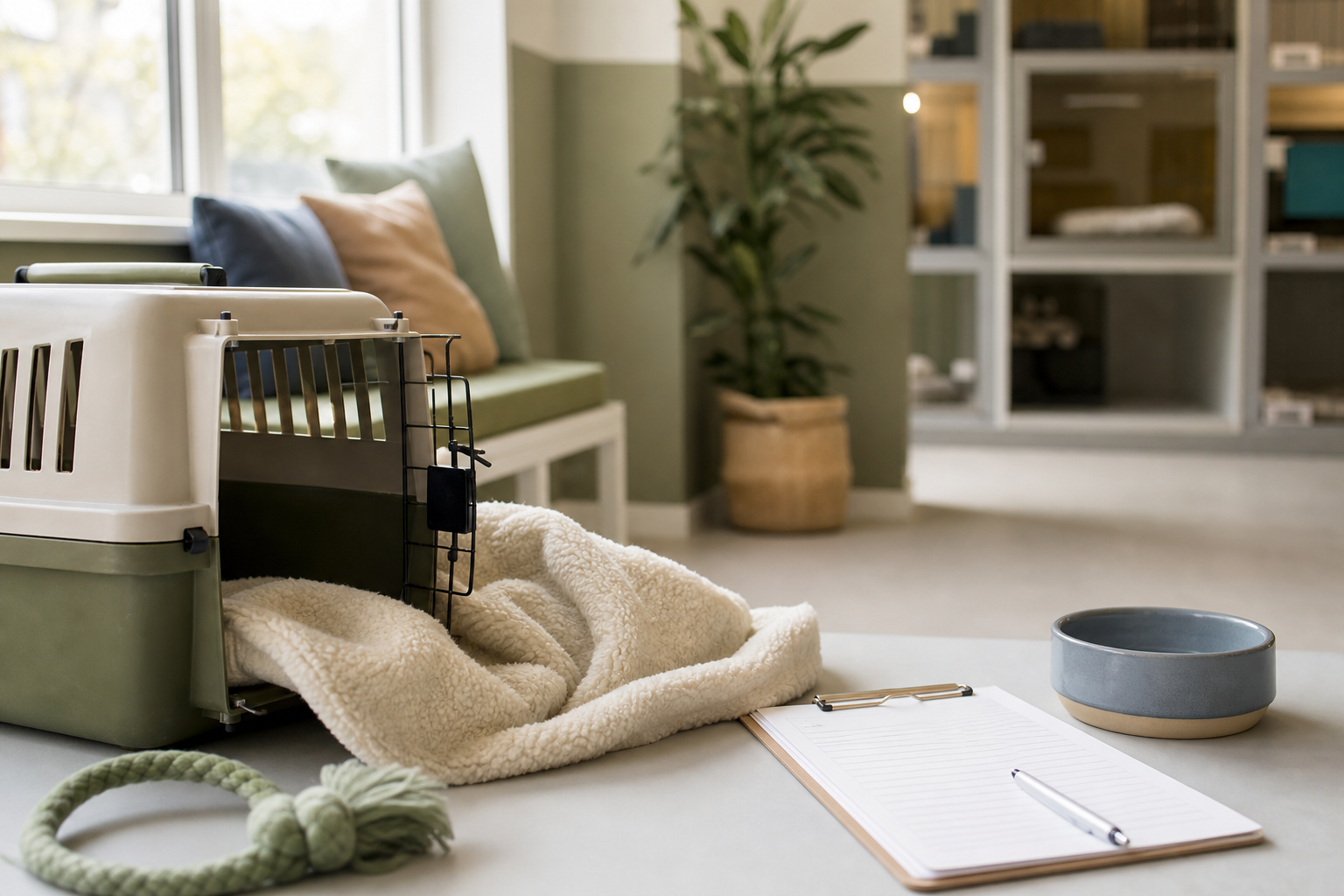
Before welcoming a rescue dog into your family, thoughtful preparation can ease their adjustment and create a safe, loving environment.
Additional Practical Tips for a Successful Transition
- Maintain a Consistent Schedule: Dogs thrive on routine. Keep feeding, play, walks, and rest at roughly the same times each day to provide predictability and security.
- Use Calm, Reassuring Communication: Speak softly and avoid sudden movements. Your calm demeanor helps reduce your dog's anxiety.
- Monitor for Stress Signals: Watch for signs like yawning, lip licking, pacing, or tucked tail, and adjust your interactions accordingly to avoid overwhelming your dog.
- Provide Safe Chew Toys: Chewing can be a stress-reliever. Offer appropriate chew toys to help your dog self-soothe.
- Keep Patience During Training: Rescue dogs may take longer to learn new commands due to past trauma. Celebrate small victories and remain consistent.
Conclusion
Properly preparing your home before bringing home a rescue dog creates the foundation for a successful, loving adoption. Creating a safe, welcoming space, establishing clear routines, avoiding common mistakes, and approaching the transition with patience and care give your new companion the best chance to thrive in their new family. Continuous support, consistent health care, and positive reinforcement help build a strong and rewarding bond that lasts a lifetime. (dogstrust.org.uk)
FAQ
How soon should I take my rescue dog to the vet after adoption?
It’s recommended to schedule a veterinary visit within the first week of adoption to ensure your dog is healthy, update vaccinations, and discuss care needs.
What is the best way to introduce a rescue dog to my home?
Introduce your rescue dog gradually in a quiet, calm space with minimal noise and distractions. Let them explore and settle at their own pace while providing comfort and reassurance.
How do I create a safe space for my new rescue dog?
Designate a quiet area away from household bustle with a comfortable bed or crate where the dog can relax and feel secure. Keep this space consistently available to your dog.
What should I avoid doing when my new rescue dog first arrives?
Avoid overwhelming your dog with too much attention or forcing social interactions. Also, maintain consistent house rules and don't rush training or socialization.
When should I consult a professional for behavior issues?
If your rescue dog shows persistent signs of anxiety, aggression, or fear that interfere with daily life, seek help from a professional dog behaviorist or trainer experienced with rescue dogs.