Safety Alerts
Essential Steps to Safeguard Your Pets During Product Recalls and Safety Alerts
Stay prepared and ensure your pet’s safety amid recalls and safety alerts with clear, actionable advice every pet owner needs.
Understanding Pet Product Recalls and Safety Alerts
Pet product recalls and safety alerts can arise unexpectedly, ranging from contaminated foods to hazardous toys or medical supplies. These incidents pose significant risks to your pet’s health. As a responsible pet owner, staying informed about recalls and knowing how to respond promptly can prevent serious harm and ensure the well-being of your furry family members.
Immediate Actions to Take When a Recall is Announced
When you hear about a recall affecting pet products, follow these crucial steps to protect your pet:
- Verify the Recall Details: Always confirm recall announcements through official sources such as the FDA animal and veterinary recalls page or the ASPCA pet care resources. Beware of misinformation or unofficial updates that may cause unnecessary panic.
- Inspect Your Products Thoroughly: Check your inventory for the exact products and batch numbers mentioned in the recall. Keep in mind that some recalls target specific lots, so even products from the same brand may not be affected.
- Discontinue Use Immediately: Remove any recalled items from your home and stop feeding or using them right away to prevent accidental ingestion or injury.
- Follow Proper Return or Disposal Instructions: Manufacturers often provide guidance for returning recalled products for a refund or safe disposal. Follow these instructions carefully to avoid environmental hazards or other pets coming into contact with harmful items.
- Inform Everyone Caring for Your Pet: Ensure that family members, pet sitters, or anyone else involved in your pet’s care is aware of the recall and the steps to avoid using the recalled products.
Recognizing Symptoms of Pet Exposure to Hazardous Products
Exposure to recalled items may cause a range of symptoms, some of which can escalate quickly. Monitor your pets closely for:
- Vomiting or diarrhea
- Lethargy or weakness
- Loss of appetite
- Excessive drooling or pawing at the mouth
- Unusual behavior such as restlessness or distress
- Seizures, difficulty breathing, or collapse (seek emergency veterinary care immediately)
When to Consult Your Veterinarian
If your pet exhibits any symptoms after exposure to a recalled product, contact your veterinarian promptly. Early evaluation and intervention can prevent complications and provide the best outcomes. Do not wait for symptoms to worsen, and in cases of severe reaction like seizures or difficulty breathing, seek emergency veterinary services immediately.
Common Owner Mistakes to Avoid
To keep your pet safe during recalls, avoid these frequent errors:
- Ignoring recall notices: Many pet owners underestimate the importance of recall alerts. Regularly check trusted sources for updates and do not assume your products are safe without verification.
- Using recalled products even in small amounts: Even minimal exposure can be harmful depending on the contaminant or hazard involved.
- Failing to communicate recall information to caregivers: Anyone who feeds or looks after your pet must be informed immediately to prevent accidental use.
- Improper storage of pet products: Store food, treats, and supplements in cool, dry places to avoid spoilage or accidental contamination, which can compound recall risks.
Preparing Ahead to Minimize Risks
Proactive preparation enhances your ability to safeguard your pets during recalls or emergencies:
- Stay Updated: Set up alerts from reputable sources like the FDA recall page and the ASPCA to automatically receive notifications of new recalls.
- Keep Emergency Contacts Accessible: Maintain a list including your veterinarian, emergency animal hospital, and the ASPCA Animal Poison Control Hotline.
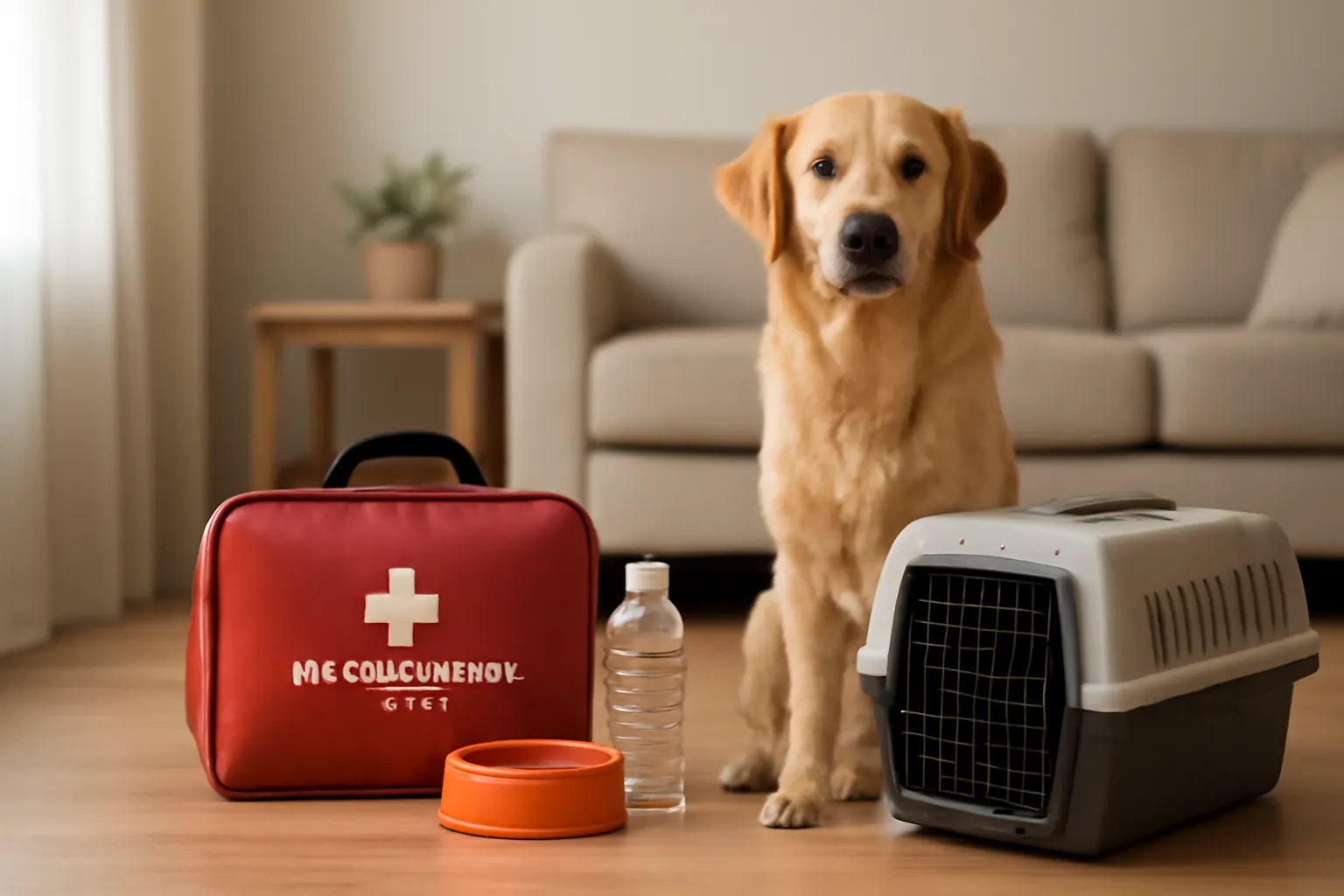
- Maintain an Emergency Kit: Prepare a kit with safe, non-recalled food, bottled water, essential medications, and copies of your pet’s medical records.
- Educate Household Members: Train everyone involved in your pet’s care on recognizing recall alerts and the proper response to ensure prompt and coordinated action.
Real-Life Examples and Practical Owner Guidance
Consider the following scenario to illustrate the importance of vigilance during recalls:
Jane recently discovered a recall for her dog's favorite brand of treats due to salmonella contamination. She carefully checked the batch numbers and immediately removed the affected treats. Jane informed her dog walker and family members about the recall and disposed of the treats safely following manufacturer guidelines. When her dog showed mild vomiting symptoms, Jane promptly contacted her veterinarian, who advised monitoring and provided supportive care. Early action helped avoid severe illness.
This example underscores the critical importance of prompt verification, communication, and veterinary consultation during recalls.
Final Thoughts
Product recalls and safety alerts can be alarming, but with proper awareness and preparedness, pet owners can protect their pets effectively. Always act swiftly and responsibly—verify information, remove recalled products, monitor your pet’s health, and seek veterinary care if needed. These steps help ensure your pet stays safe and healthy, even when unexpected risks arise.
FAQ
How can I find out if a pet product I use has been recalled?
You can check official sources like the FDA's animal and veterinary recalls website or sign up for recall alerts from organizations such as the ASPCA to stay informed about any recalled pet products.
What should I do if my pet shows symptoms after using a recalled product?
If your pet shows symptoms such as vomiting, diarrhea, lethargy, or any unusual behavior after using a recalled product, contact your veterinarian immediately for advice and possible treatment.
Is it safe to continue feeding my pet an unaffected product brand during a recall?
Yes, as long as the product is not part of the recall, you can continue feeding it. However, always verify batch numbers and recall details carefully to ensure safety.