dogs
Mastering Leash Training: A Comprehensive, Practical Guide for Dog Owners
Leash training is vital for a safe, enjoyable walking experience. This comprehensive guide offers expert methods, detailed instructions, practical scenarios, common pitfalls, and clear guidance to build confident, well-controlled walks tailored to your dog.
Introduction
Leash training is a fundamental part of responsible dog ownership. Beyond safety, it promotes good behavior, strengthens your bond with your dog, and turns daily walks into enjoyable, enriching activities. Without proper leash training, walks can become stressful and pose risks not only to your dog but also to others.
Why Leash Training Matters
Effective leash training delivers critical benefits for dogs and owners alike:
- Safety: Prevents your dog from running into dangerous situations such as traffic, aggressive dogs, or getting lost.
- Control: Helps you guide your dog calmly, curbing pulling, lunging, or chasing behaviors that can be hazardous.
- Enjoyment: Makes walks relaxed and rewarding, contributing to your dog’s social and mental well-being.
- Socialization: Supports your dog’s ability to navigate new environments and encounters confidently.
Essential Equipment for Leash Training
Proper equipment contributes significantly to training success and your dog's comfort:
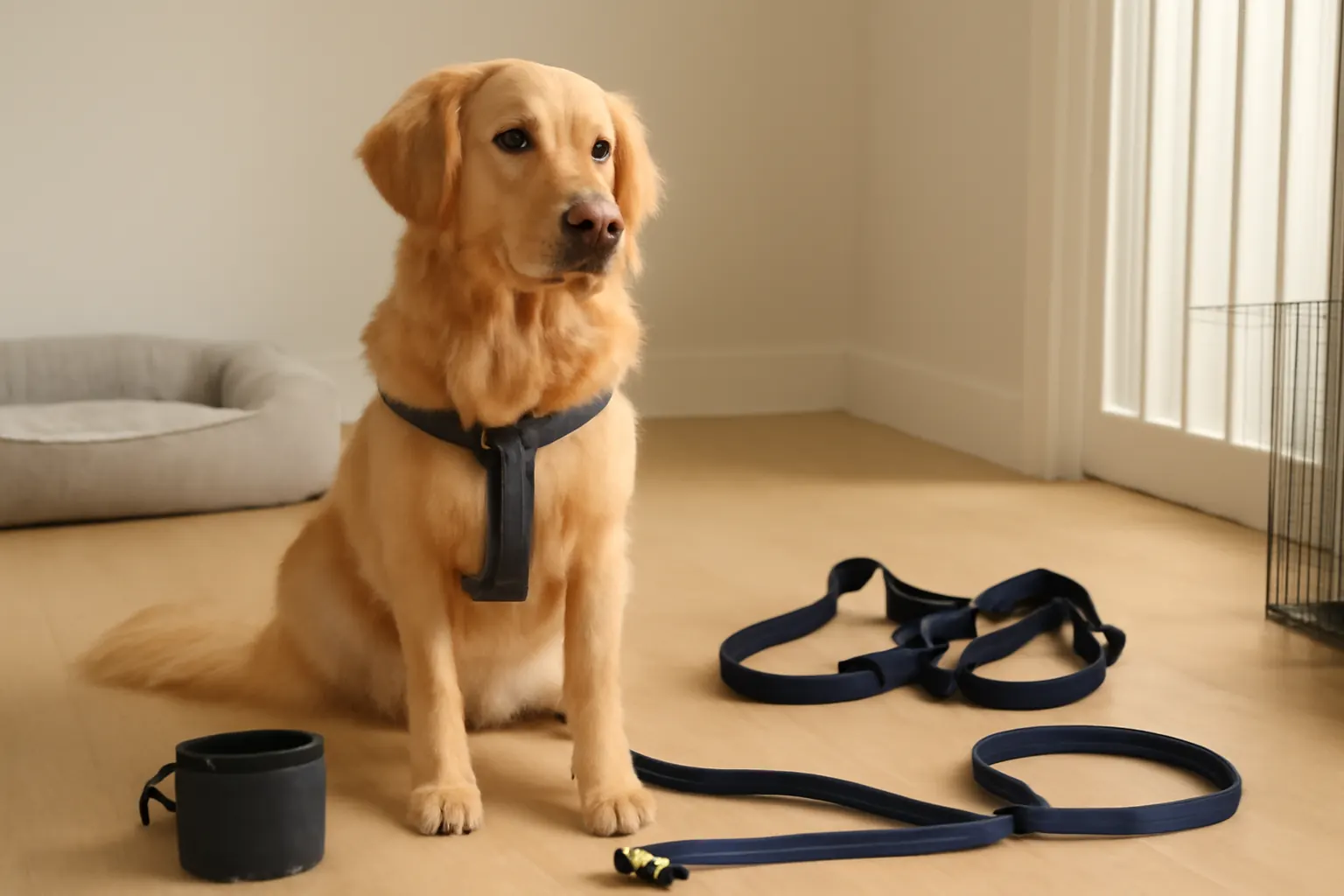
- Leash: A sturdy 4-6 foot leash made from nylon or leather is ideal. Avoid retractable leashes, which can encourage pulling and may cause injuries. (petco.com)
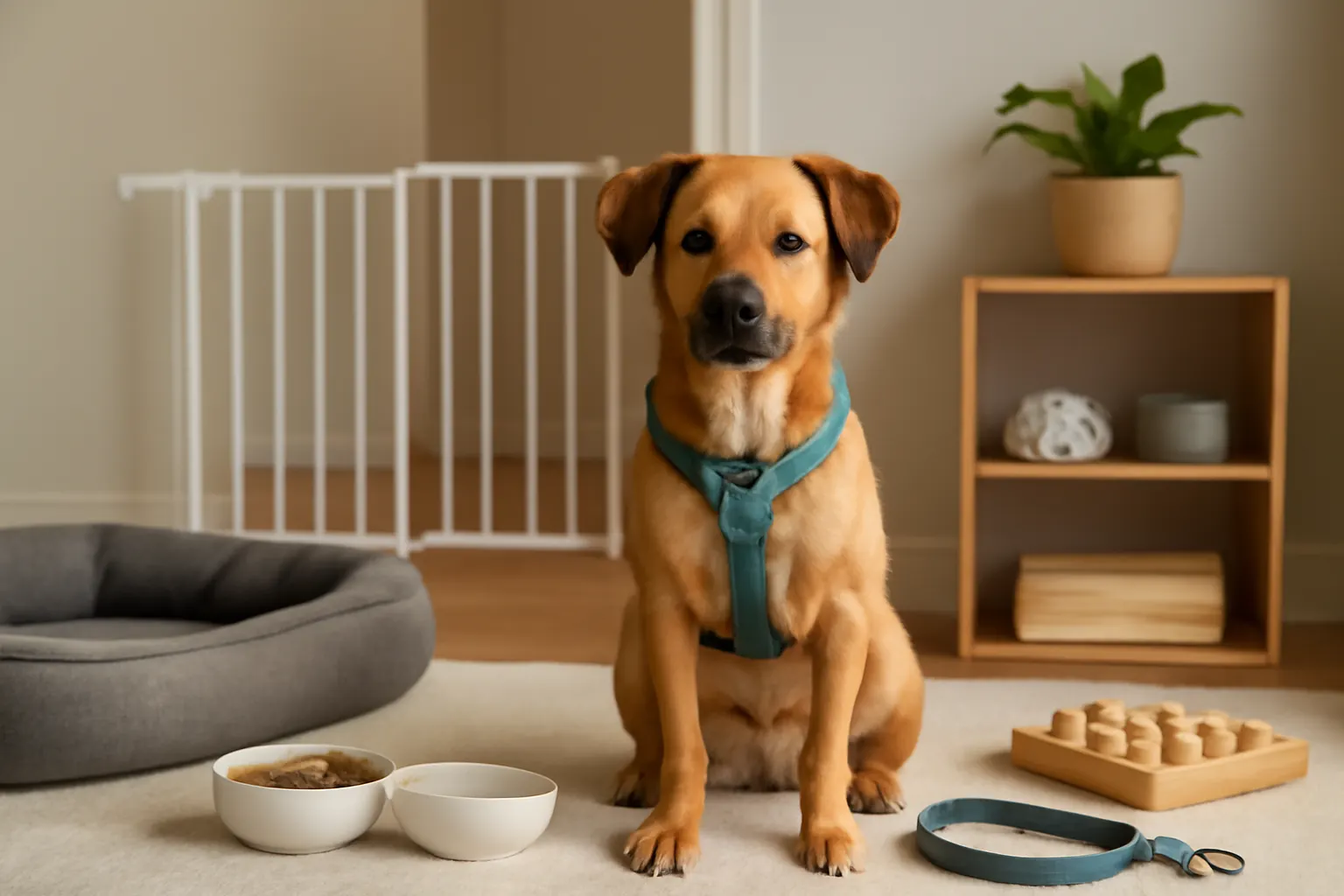
- Harness: Choose a well-fitted front-clip harness that evenly distributes pressure and helps redirect pulling without discomfort. Check for proper fit to prevent chafing. (puppytrainingwarehouse.com)
- Collar: Flat collars work well for ID tags but provide limited leash control. Avoid choke chains, prong collars, or shock collars due to potential harm. (carecredit.com)
- Training Treats: Use small, high-value treats reserved exclusively for training sessions to strengthen positive behaviors. (njdog.com)
- Clicker (Optional): Provides an auditory marker to reinforce timing and clarity in training. (petmd.com)
Step-by-Step Leash Training Guide with Practical Owner Examples
Apply these steps consistently, combining positive reinforcement, patience, and observation to achieve effective leash manners:
- Create a Positive Association with Equipment: Begin indoors by allowing your dog to explore leash and harness freely without pressure. Reward calm, curious behavior immediately. For example, if your dog sniffs or touches the harness, immediately provide a treat and praise. Avoid forcing the equipment on your dog to prevent fear or resistance. (petmd.com)
- Short Indoor Training Sessions: Once comfortable, practice moving short distances indoors with the leash and harness. Reward your dog for walking calmly beside you. Keep sessions brief, around 5-10 minutes, to maintain engagement and avoid frustration. For example, walk around the living room, rewarding your dog each time they stay close and relaxed. Repeat daily. (chewy.com)
- Transition Gradually to Quiet Outdoor Spaces: Progress to low-distraction outdoor areas like your backyard or a quiet park. Continue rewarding loose-leash walking and focused attention. Limit session lengths initially to prevent overstimulation. Watch for stress signs like yawning or lip licking and slow down if needed. This stage helps your dog acclimate to new sights and sounds while practicing control. (petmd.com)
- Teach Loose-Leash Walking Technique: Encourage walking with a relaxed leash. When your dog pulls ahead, immediately stop walking and wait for slack before continuing. Use verbal cues such as "heel" or "let's go" consistently to signal desired behavior. For instance, if your dog lunges toward another dog, stop, regain focus with treats, then resume only when calm. This method teaches that pulling stops progress. (akc.org)
- Introduce Distractions Slowly: Gradually expose your dog to distractions like other pets, people, or noises. Reward attention and calm behavior amidst distractions generously. If your dog shows stress or distraction, reduce stimuli by retreating to a quieter spot and progressing more slowly. For example, pause and redirect attention with treats when passing an unfamiliar dog. (petmd.com)
- Manage Pulling with the "Stop-and-Go" Method: Stop moving at the first sign of leash tension and only continue once slack returns. This clear communication helps your dog make the connection that pulling is counterproductive. Avoid harsh corrections or leash jerks, which can increase anxiety or aggression. Use treats gently to guide your dog back to your side if needed. (smalldoorvet.com)
- Regular Practice with Patience: Consistency is key — daily short sessions with positive reinforcement work best. Understand every dog learns at their own pace; setbacks are normal and require patience. Celebrate incremental improvements to stay motivated. If a session is challenging, pause and restart later with a fresh approach. (petmd.com)
Common Owner Mistakes to Avoid
Awareness of pitfalls ensures smoother progress and better outcomes:
- Irregular Training Sessions: Inconsistent timing confuses your dog. Aim for regular, multiple short sessions daily instead of sporadic long ones. (akc.org)
- Use of Punishment or Harmful Tools: Avoid choke chains, prong collars, shock collars, or physical corrections. These methods damage trust, instill fear, and worsen behaviors. Positive reinforcement is safer and more effective long-term. (carecredit.com)
- Ignoring Stress Signals: Watch for signs like lip licking, yawning, tucking tail, or stiffness. If observed, pause training and return to easier steps to rebuild confidence. For example, if your dog freezes near an unfamiliar dog, move to a calmer location. (smalldoorvet.com)
- Failing to Reward Calm Walking: Missing the opportunity to reinforce loose-leash walking or focused attention can slow progress. Reward calm behavior frequently to reinforce good habits. (njdog.com)
- Rushing Expectations: Avoid expecting instant results. Leash training is a gradual process that requires steady effort, patience, and celebrating small wins. (petmd.com)
When to Seek Professional Help
Some situations warrant expert intervention:
- If your dog exhibits severe fear, aggression, or anxiety during leash training.
- If consistent, patient training does not resolve persistent issues.
- If your dog experiences physical pain or medical conditions affecting walking.
Veterinarians or certified trainers can diagnose medical or behavioral underlying causes and tailor personalized training or treatment plans. Early professional support can prevent worsening problems. (petmd.com)
Conclusion
Successfully leash training your dog is achievable through patience, consistency, and positive reinforcement. With appropriate equipment, a clear and gradual training plan, awareness of common mistakes, and willingness to seek professional help when needed, you’ll nurture safe, enjoyable, and well-controlled walks that enrich both your lives. Stay adaptable, celebrate progress, and strengthen your bond through effective leash manners.
Frequently Asked Questions
- How long does it typically take to leash train a dog?
Training duration varies by age, temperament, and experience. Most dogs develop good leash behavior within 2-4 weeks of consistent daily sessions. - What should I do if my dog keeps pulling on the leash?
Stop walking immediately when your dog pulls and only resume when the leash is slack. Reward calm walking beside you and avoid harsh corrections that may cause fear or anxiety. - Is it better to use a collar or a harness for leash training?
A well-fitted front-clip harness is preferred as it reduces neck strain and provides greater control compared to collars. - Can I use treats every walk during training?
Frequent treats are helpful in early training stages to reinforce desired behavior. As your dog progresses, reduce treat frequency while maintaining praise and occasional rewards. - What if my dog is scared of the harness or leash?
Introduce the equipment gradually indoors and use positive reinforcement. Let your dog explore at their own pace without pressure to build familiarity and trust.
Helpful Tools for Successful Leash Training
- Long Training Leash: Provides controlled freedom in open spaces, aiding leash recall and loose-leash walking training. (petmd.com)
- Treat Pouch: Keeps training treats accessible, allowing for timely and consistent positive reinforcement without interrupting sessions. (petmd.com)
- Clicker: A consistent auditory marker to precisely signal desired behaviors, enhancing learning pace and clarity. (petmd.com)
- Comfortable Front-Clip Harness: Reduces pulling and improves walking comfort, supporting better leash manners. (puppytrainingwarehouse.com)
By following this comprehensive, practical guide with dedication and the right tools, dog owners can build a strong foundation for safe, enjoyable, and stress-free walks that promote a happy, well-behaved companion.
FAQ
How long does it typically take to leash train a dog?
Training duration varies by age, temperament, and experience. Most dogs develop good leash behavior within 2-4 weeks of consistent daily sessions.
What should I do if my dog keeps pulling on the leash?
Stop walking immediately when your dog pulls and only resume when the leash is slack. Reward calm walking beside you and avoid harsh corrections that may cause fear or anxiety.
Is it better to use a collar or a harness for leash training?
A well-fitted front-clip harness is preferred as it reduces neck strain and provides greater control compared to collars.
Can I use treats every walk during training?
Frequent treats are helpful in early training stages to reinforce desired behavior. As your dog progresses, reduce treat frequency while maintaining praise and occasional rewards.
What if my dog is scared of the harness or leash?
Introduce the equipment gradually indoors and use positive reinforcement. Let your dog explore at their own pace without pressure to build familiarity and trust.