Health & Behavior
Effective Strategies for Managing Your Dog's Fear and Anxiety
Discover practical and veterinary-approved methods to understand and reduce your dog's fear and anxiety for a happier, calmer pet.
Fear and anxiety in dogs are common challenges many pet owners face. Understanding your dog's emotional state and knowing how to respond effectively can greatly improve their quality of life and strengthen your bond. This guide provides practical, safe, and veterinary-approved methods to recognize, manage, and support dogs experiencing fear and anxiety—whether it’s triggered by loud noises, separation, or past trauma.
Recognizing Signs of Fear and Anxiety in Dogs
- Body language cues: tucked tail, cowering, shaking, panting, excessive drooling, or wide eyes with visible whites (whale eye).
- Behavioral signs: avoidance, whining, barking excessively, destructive activity, inappropriate elimination, or compulsive behaviors like spinning.
- Physical symptoms: trembling, pacing, drooling, vomiting, diarrhea, or reduced appetite.
Common Causes of Fear and Anxiety
- Loud noises: fireworks, thunderstorms, or construction sounds often trigger acute fear responses.
- New environments or changes: moving to a new home, addition of a family member or pet, or even rearranging furniture.
- Previous traumatic experiences: abuse, neglect, attack by another dog, or a frightening event.
- Lack of socialization or training early in life during the critical developmental window (3–16 weeks for dogs).
- Medical conditions: pain, thyroid disorders, or neurological issues can mimic or exacerbate anxiety.
Practical Strategies to Help Your Dog
1. Create a Safe Haven
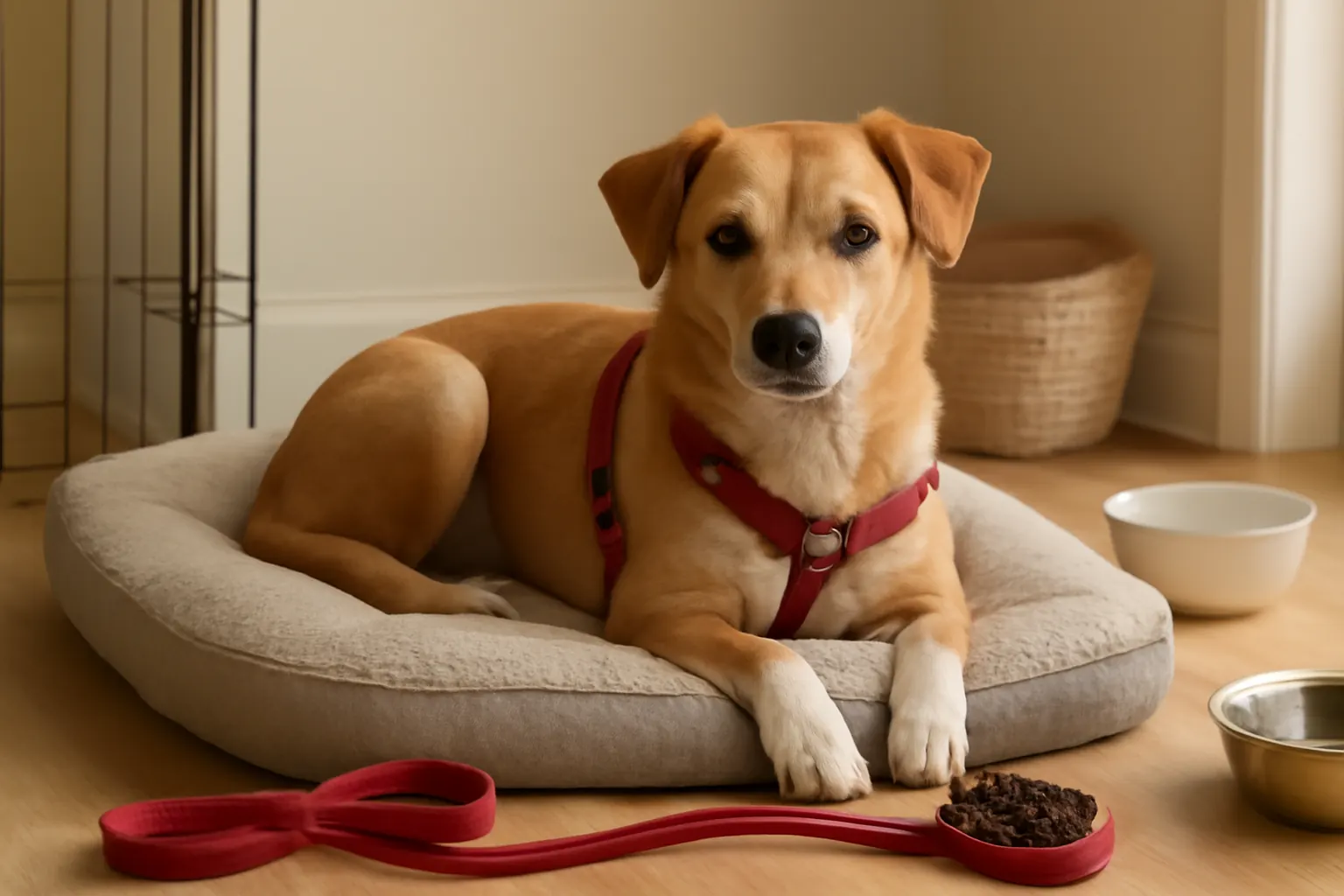
Designate a quiet, comfortable area where your dog can retreat when feeling overwhelmed. Use a crate if your dog is crate-trained, or a quiet corner with bedding, favorite toys, and an article of your clothing for scent comfort. A pheromone diffuser (e.g., Adaptil) may enhance calm.
2. Use Desensitization and Counter-Conditioning
Desensitization involves gradually exposing your dog to the fear trigger at a very low intensity that does not cause a reaction, slowly increasing only when your dog remains calm. Counter-conditioning pairs the trigger with something highly positive—like special treats, play, or praise—to build a new, happy association. For example, for noise phobia, play recorded thunder at barely audible volume while giving high-value treats, gradually increasing volume over many sessions.
3. Maintain Consistent Routines
Dogs thrive on predictability. Keeping regular feeding, walking, playtimes, and quiet times each day provides a sense of security. Written daily schedules help all household members stay consistent.
4. Training and Positive Reinforcement
Teach simple commands (sit, down, touch, mat) using reward-based methods to boost your dog’s confidence and strengthen your bond. Reward calm behavior spontaneously to reinforce emotional regulation.
5. Provide Physical and Mental Exercise
Adequate exercise reduces overall stress. Customize to your dog’s age and health: brisk walks, fetch, puzzle toys, nose work, or basic obedience drills. Mental stimulation can tire a dog just as effectively as physical exertion.
6. Use Calming Aids Thoughtfully
Pressure wraps (ThunderShirt) work for some dogs. Calming music or white noise can mask anxiety triggers. Pheromone products (Adaptil) mimic the natural comforting scent of a nursing mother. Always consult your vet before using supplements like L-theanine, melatonin, or CBD.
When to Consult a Veterinarian
Seek veterinary advice if your dog’s anxiety is severe, persistent, self-injurious, or leads to aggression. A vet can rule out medical causes and discuss behavioral therapy, prescription anxiety medications (such as fluoxetine, clomipramine, or situational drugs), or referral to a board-certified veterinary behaviorist or certified applied animal behaviorist. Do not self-medicate; human medications can be toxic to dogs.
Safety Considerations for Anxious Dogs
- Prevent escapes: Anxious dogs may bolt through doors or windows. Ensure secure fencing, use double leashes on walks, and consider GPS trackers.
- Avoid punishment: Never yell, yank, or spray water—it intensifies fear and can trigger defensive aggression.
- Supervise desensitization sessions: Watch for subtle stress signals (lip licking, yawning) and stop when you see any.
- Manage multi-pet households: Other pets can sense and react to anxiety. Keep aggressive or overly exuberant pets separate during episodes.
- Child safety: Teach children not to approach, hug, or corner an anxious dog; fear can lead to bites.
Common Mistakes Dog Owners Make
- Forcing interaction or exposure: Pushing a fearful dog into a stressful situation can worsen anxiety and erode trust.
- Inconsistent responses: Sometimes comforting, sometimes scolding confuses the dog and increases distress.
- Skipping veterinary checks: Unrecognized pain or illness can underlie behavioral problems.
- Using aversive tools: Shock collars, prong collars, or citronella sprays can make fear worse and damage the human-animal bond.
- Relying on quick fixes: Magic pills or single techniques rarely work alone; a multimodal plan is essential.
Professional Support and Resources
For persistent or severe anxiety, a multi-faceted approach often works best. Work with your veterinarian to design a behavior modification plan, and consider a referral to a veterinary behaviorist (Diplomate of the American College of Veterinary Behaviorists, DACVB) or a certified trainer experienced with fear-based issues (Certified Professional Dog Trainer-Knowledge Assessed, CPDT-KA). Always check credentials and methods—force-free, positive reinforcement practitioners are recommended.
FAQ
How can I quickly calm my dog during a thunderstorm?
Move your dog to a soundproofed or interior room with white noise or calming music. Offer a safe hiding spot, and use a pressure wrap like a ThunderShirt if your dog is accustomed to it. Avoid excessive comforting, as it can reinforce fear, but provide calm, quiet companionship.
Is it safe to give my dog CBD oil for anxiety?
CBD oil may help some dogs, but research is limited. Always consult your veterinarian before use, as dosing is unstandardized, quality varies, and it can interact with other medications. Veterinary guidance ensures safe usage.
Can fear and anxiety be cured permanently?
Most anxiety is managed, not cured. With consistent behavior modification, environmental changes, and sometimes medication, many dogs improve significantly and lead happy, relatively calm lives. The goal is to increase the dog’s ability to cope.
What exactly is desensitization and counter-conditioning?
Desensitization means gradually exposing your dog to a fear trigger at a level too low to cause a response, while counter-conditioning pairs that exposure with something wonderful (treats, play) to create a positive emotional link. Over time, the trigger predicts good things.
When should I see a vet instead of handling anxiety at home?
Seek veterinary help if your dog shows aggression, self-injury, extreme destruction, inability to eat or sleep, or if anxiety worsens despite your efforts. A vet can rule out medical causes and guide you toward professional behavior support or medication.