safety
Expert Strategies to Safeguard Your Pets from Recalls and Safety Alerts
Pet product recalls can pose serious health risks to pets. This guide equips pet owners with effective strategies to stay informed, manage supplies, prepare emergency response plans, and take swift action to protect their pets from recalled products.
Pet product recalls represent an urgent threat to the health and safety of pets across the country. Such recalls typically occur due to contamination with harmful bacteria like Salmonella or Listeria, presence of toxic substances such as aflatoxins or xylitol, mislabeling of ingredients, or physical defects in items including pet food, treats, medications, and accessories. Exposure to these recalled products can cause symptoms ranging from mild gastrointestinal upset to severe reactions like seizures, organ failure, or serious allergic responses.
Proactive pet owners who regularly monitor reliable recall information, maintain well-organized inventories of their pet supplies, develop and rehearse emergency response plans, and react quickly to recall alerts can significantly mitigate these health risks. This comprehensive guide provides evidence-based, practical strategies to keep your pets safe.
Understanding Pet Product Recalls: Causes and Risks
A pet product recall is an official notification indicating that a product is unsafe for animal use and should be removed from the market and pet environments immediately. Recalls often stem from the discovery of contamination by pathogens such as Salmonella, Listeria, or toxins like aflatoxin and xylitol—both harmful even in small amounts. Other causes include undeclared allergens and foreign physical materials, such as metal fragments, in products.
The health risks associated with exposure to these recalled products are serious. Symptoms in pets exposed may include vomiting, diarrhea, lethargy, seizures, difficulty breathing, and severe allergic reactions. Prompt identification and removal of recalled products are critical. If you suspect your pet has ingested a recalled product or shows unusual symptoms, seek veterinary care immediately to improve outcomes.
Authoritative resources to monitor official pet product recall updates include:
- FDA Animal and Veterinary Recalls – The primary U.S. federal source for verified recall notifications.
- ASPCA Animal Poison Control Center – Offers expert toxicology advice and emergency support for pet poisoning.
- American Veterinary Medical Association Pet Owner Resources – Comprehensive veterinary guidance on pet health and safety.
- ASPCA Pet Care Resources – Detailed information covering pet health, prevention, and safety topics.
Five Practical Strategies to Protect Your Pets from Recalls
1. Stay Informed Through Trusted, Official Sources
- Set Routine Reminders: Check official recall websites weekly or biweekly to catch new alerts promptly.
- Subscribe to Direct Notifications: Enroll in alert services from the FDA, trusted pet brands, ASPCA, and veterinary networks to receive recall updates via email or SMS.
- Follow Verified Social Media Accounts: Monitor accounts like FDA Animal Health, ASPCA, and the AVMA for real-time, accurate information.
- Use Recall-Detection Mobile Apps: Utilize apps that scan barcodes to verify product recall status quickly within your home inventory.
- Educate All Caregivers: Ensure that partners, pet sitters, daycare providers, and boarding personnel receive recall alerts to maintain collective vigilance.
2. Maintain a Detailed, Organized Inventory
- Record Product Information Thoroughly: Keep track of product names, brands, lot/batch numbers, purchase dates, and expiration dates; including photos and receipts aids recall identification.
- Conduct Monthly Audits: Regularly inspect stored food, treats, medications, and supplements to identify expired or recalled items for immediate removal.
- Organize by Type and Brand: Use labeled containers or shelves to systematically separate pet foods, treats, medications, and accessories for easy access and management.
- Leverage Digital Tools: Cloud-based spreadsheets or dedicated pet inventory apps shared among caregivers streamline updates and recall responses.
3. Keep a Well-Rotated Emergency Backup Supply
- Store Trusted Backups: Maintain at least a 3-5 day supply of your pet’s preferred food, treats, and medications to cushion against potential recall-related shortages.
- Implement First-In-First-Out Rotation: Use older items first and replenish backups regularly to ensure freshness and avoid waste.
- Clearly Label Emergency Supplies: Mark emergency products distinctly, and communicate their location to all caregivers for quick access during crises.
4. Develop and Run Through an Emergency Recall Response Plan
- Compile Essential Contacts: Maintain an updated list including your veterinarian, emergency animal hospitals, the ASPCA Poison Control Center, and local animal welfare organizations; keep both physical copies and digital versions accessible.
- Designate Isolation Areas: Prepare spaces where potentially affected pets can be kept separated to avoid contamination or transmission of illness.
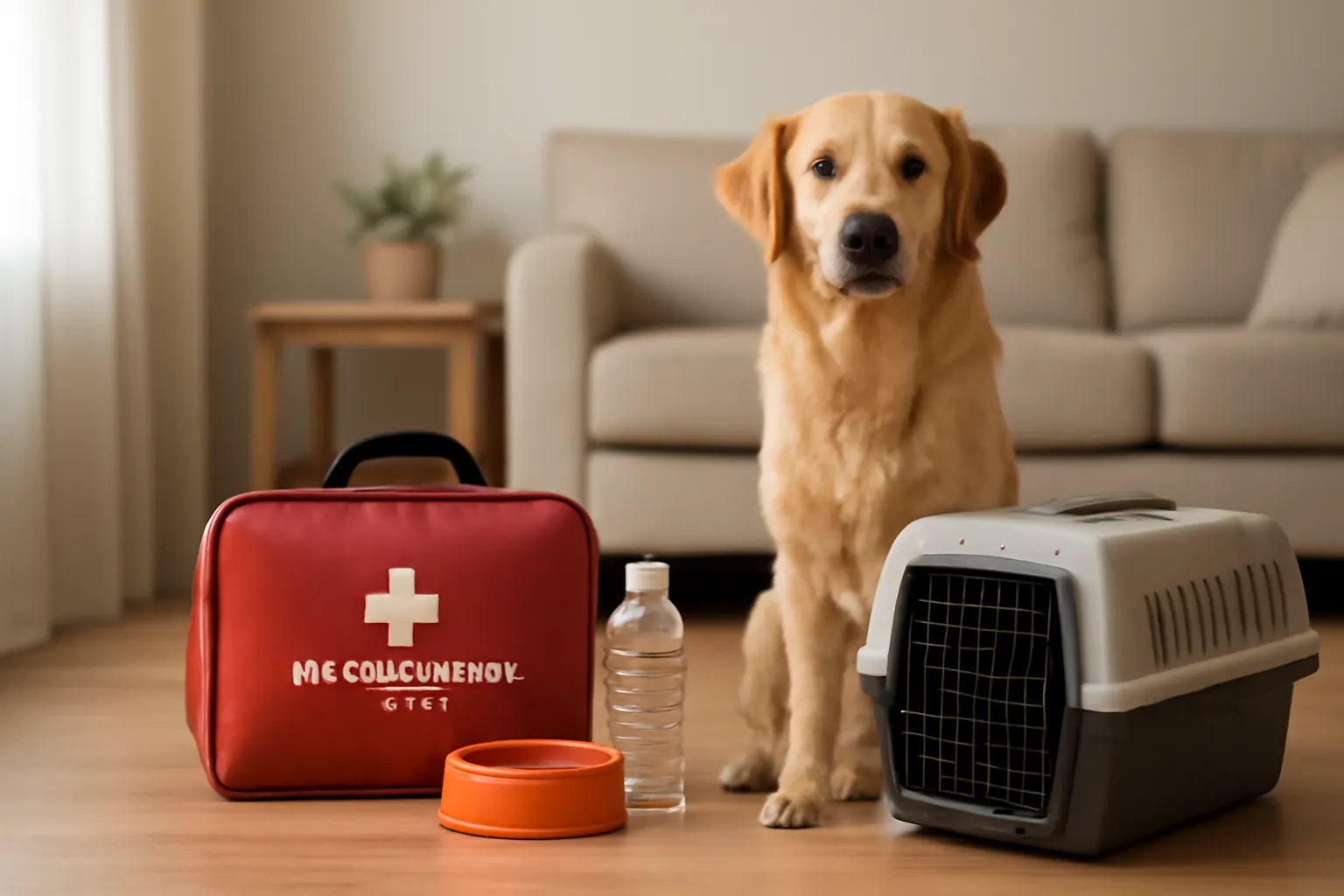
- Assemble a Pet Emergency Kit: Include carriers, leashes, current medications, trusted food, grooming tools, and printed vaccination and medical records to facilitate urgent care or evacuation.
- Practice the Plan Regularly: Conduct drills with all caregivers to ensure smooth, stress-free execution during real emergencies.
5. Educate Everyone Involved in Your Pet’s Care
Make sure family members, pet sitters, dog walkers, and daycare providers can recognize recall-related symptoms such as vomiting, lethargy, seizures, or breathing difficulties. They should understand the importance of promptly reporting concerns and accessing emergency contacts. This network of awareness is crucial for early detection and intervention.
Immediate Actions if You Discover a Recalled Product
Remove and Secure the Product
Immediately take recalled items out of your pet’s reach. Follow official recall instructions for safe disposal or returns. Do not give, share, or donate recalled products as this could endanger other animals.
Monitor Your Pet’s Health Closely
Observe for symptoms such as vomiting, diarrhea, reduced appetite, lethargy, seizures, or breathing difficulty. Some adverse effects may develop gradually over several days, so extended vigilance is important.
Seek Veterinary Care Without Delay
If ingestion is suspected or symptoms arise, contact your veterinarian immediately. Timely veterinary intervention can prevent severe complications and improve recovery chances.
Report Your Experience
Use the FDA Recall Reporting System to report adverse reactions. Inform your veterinarian to support broader public health monitoring and response efforts.
Common Mistakes to Avoid During a Recall
- Delaying Action: Any hesitation in removing recalled products increases the risk of exposure.
- Ignoring Early Symptoms: Mild signs may progress quickly; do not postpone veterinary consultation.
- Sharing Recalled Products: Passing recalls on to others endangers more pets and breaches safety protocols.
- Improper Disposal: Dispose of recalled items safely to prevent accidental ingestion by pets or humans.
- Neglecting Inventory Updates: Keeping product records up-to-date ensures swift recall identification and response.
When to Consult Your Veterinarian or Poison Control
If your pet exhibits persistent vomiting, diarrhea, lethargy, seizures, breathing difficulties, or sudden behavioral changes following possible exposure to a recalled product, seek immediate veterinary care. When unsure about symptom severity, contact the ASPCA Animal Poison Control Center for professional guidance. Keep emergency contact numbers accessible to all caregivers at all times.
Additional Practical Tips to Boost Recall Readiness
- Organize synchronized digital folders for easy access to recall alerts and product inventories from multiple devices.
- Research product recall histories and brand reputations before making purchases to reduce risk.
- Integrate product checks into routine household cleaning to monitor expiration and recall status consistently.
- Use smartphone scanning apps connected to official recall databases for quick product safety verification.
- Store both paper and electronic copies of your pet's medical history, vaccination records, and emergency contacts securely and accessibly.
Final Takeaway: Vigilance, Organization, and Swift Action Save Pets’ Lives
By consistently monitoring trusted recall sources, maintaining detailed and organized inventories, preparing and practicing emergency recall response plans, and promptly responding to recall announcements, pet owners can substantially reduce health risks to their companions. Immediate veterinary care following suspected exposure further protects your pet's well-being, helping ensure they remain happy, healthy, and cherished members of your family for years to come.
FAQ
How can I quickly check if a pet product I own has been recalled?
Regularly consult trusted sources like the FDA animal recalls page and keep organized records of brand names and batch numbers. Subscribing to official recall alerts from agencies and manufacturers ensures you receive immediate notifications about affected products.
What immediate steps should I take if I find a recalled pet product in my home?
Stop using the product immediately, remove it from your pet’s access, closely observe your pet for any signs of illness, contact your veterinarian promptly, and follow recall disposal or return instructions carefully.
When should I seek emergency veterinary care or contact poison control if my pet consumes a recalled product?
Seek urgent veterinary care if your pet shows vomiting, diarrhea, lethargy, seizures, difficulty breathing, or other concerning symptoms. If uncertain about the exposure’s severity, contact your vet or the ASPCA Animal Poison Control Center for expert advice.