Health & Behavior
A Step-by-Step Guide to Addressing Aggression in Dogs: Practical Tips for Owners
Aggression in dogs can be challenging and scary. This guide helps owners identify triggers, implement safe training techniques, and know when to consult professionals for a happier, safer pet.
Understanding Dog Aggression
Aggression in dogs is a complex behavior that serves as a form of communication expressing various underlying emotions such as fear, pain, territorial instincts, frustration, or anxiety. Each dog's aggression may have different causes and manifestations depending on their unique personality, environment, and experiences. Understanding the root motivations behind aggressive behaviors is critical for effective intervention and management.
Recognizing early warning signs is essential not only to prevent potential harm to people and other animals but also to allow owners to tailor interventions appropriately. Early identification helps create safer environments and supports the dog's emotional well-being through appropriate behavior modification.
Common Triggers and Early Warning Signs
- Common triggers include: resource guarding (food, toys, resting places), encounters with unfamiliar people or animals, underlying pain or medical issues, fear responses, territorial defense, and sudden environmental or routine changes.
- Early warning signs to watch for: subtle but important behaviors such as stiffened body posture, growling, lip licking unrelated to food, intense staring, pinned-back ears, raised hackles (hair standing on end), yawning, avoidance behaviors, and sudden freezing. These cues signal rising stress and can allow owners to intervene before aggression escalates.
Step-by-Step Guide to Managing Dog Aggression
Managing aggression requires a patient, consistent, and safety-first approach focused on your dog’s emotional needs and well-being. Below is a structured strategy to address aggressive behaviors safely:
- Observe and Document Behavior: Maintain a detailed log recording when, where, and under what circumstances aggressive behaviors occur. Note specific triggers and subtle early signs like lip licking or body stiffening. For example, if aggression mainly happens during mealtimes or when visitors arrive, documenting these instances helps in planning targeted interventions and communicating clearly with trainers or veterinarians.
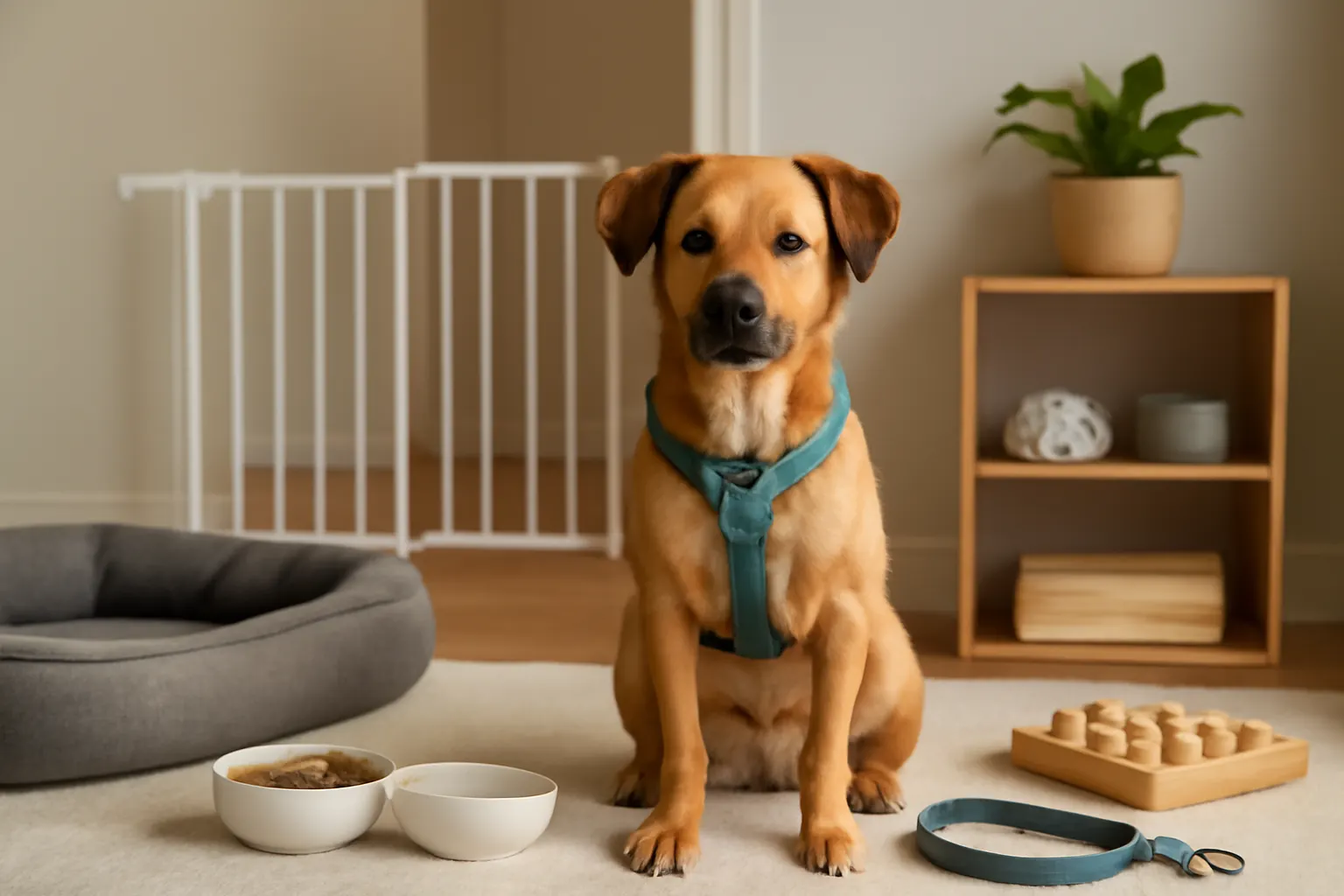
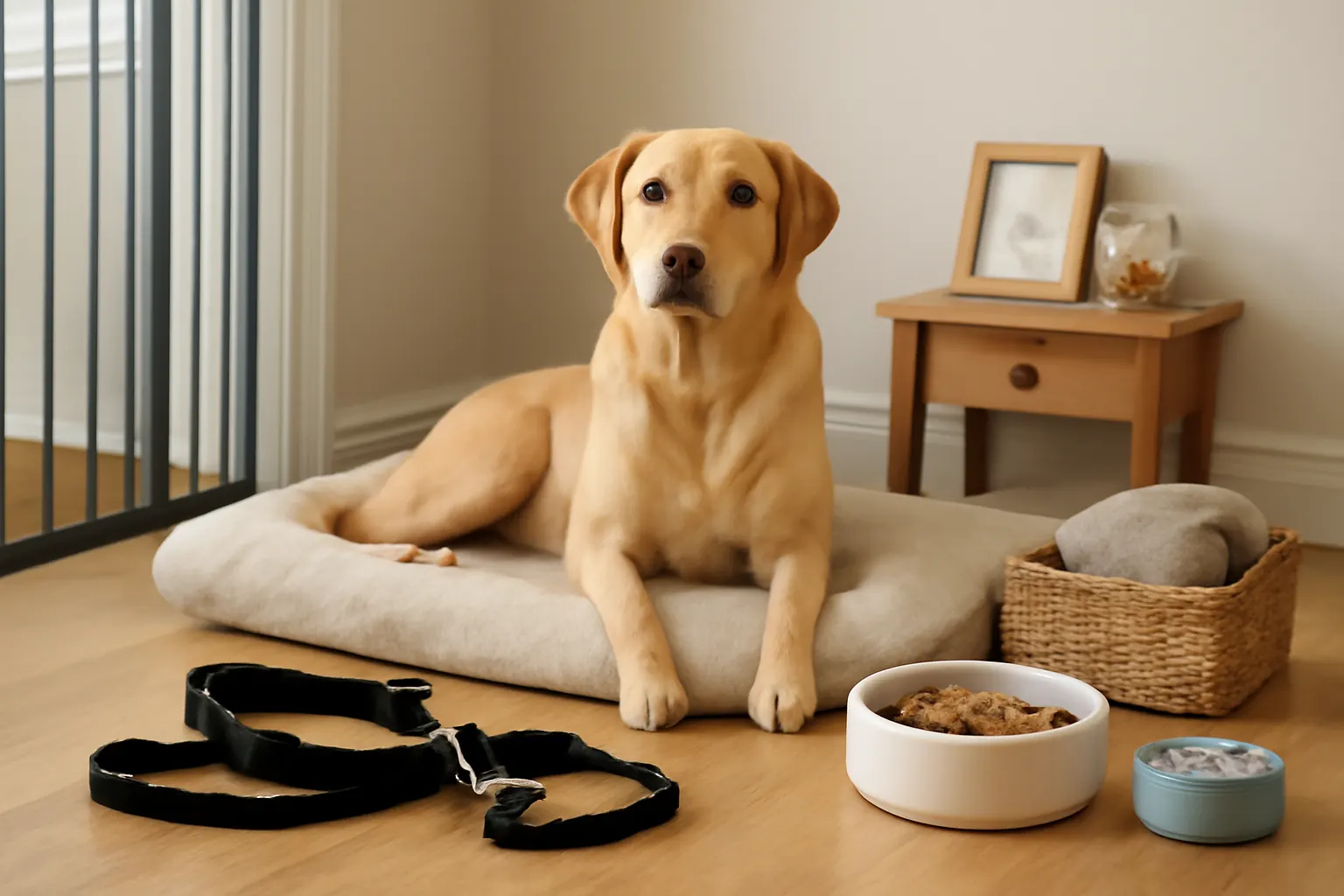
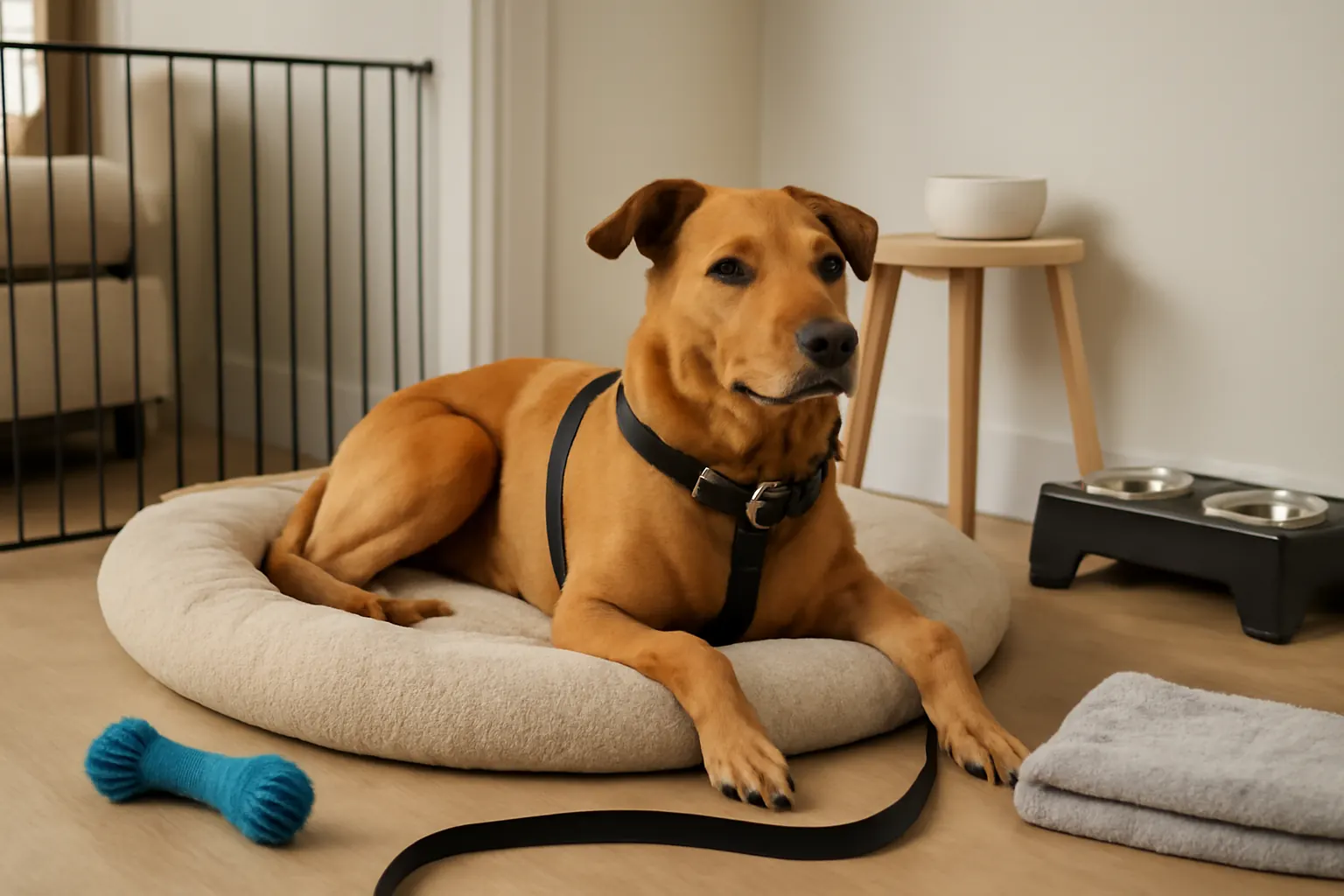
- Safely Minimize or Control Triggers: Temporarily reduce your dog’s exposure to known triggers to prevent incidents. Use physical barriers such as crates, baby gates, or leashes to create safe zones. For instance, feed your dog in a quiet, separate room to prevent food guarding aggression or keep guests separated until your dog feels comfortable. These safety measures protect both your dog and others while you work on behavioral modification.
- Implement Positive Reinforcement Training: Reward calm, non-aggressive behaviors consistently using treats, toys, and praise. Teach and reinforce alternative commands like "sit," "look at me," or "go to your mat" to redirect focus from triggers. Ensure all family members use the same commands and techniques to maintain consistency and reduce confusion. Keep training sessions short and frequent to build positive habits gradually.
- Practice Desensitization and Counterconditioning: Gradually expose your dog to triggers at sub-threshold levels paired with positive rewards like treats or playtime. For example, if your dog reacts fearfully to strangers, start by observing a visitor from a distance while giving treats, then slowly decrease that distance over several weeks as calm behavior persists. Constantly monitor stress indicators and progress only when your dog remains relaxed. This method helps change fearful or aggressive associations into positive ones.
- Establish a Stable and Safe Environment: Set a consistent routine to reduce anxiety and stress. Secure your dog’s resting areas and avoid sudden environment or schedule changes whenever possible. Regular exercise and mental enrichment using puzzle toys or interactive training help expend energy and balance emotional states, reducing aggression triggers.
- Use Management Tools Responsibly: Introduce safety tools such as muzzles, leashes, and barriers thoughtfully, pairing their use with positive experiences to reduce stress. Gradually accustom your dog to wearing a muzzle using reward-based training. Regularly check proper equipment fit and guidelines recommended by professionals to ensure tools support rather than replace training efforts.
- Monitor Progress and Adapt Strategies: Regularly evaluate your dog’s behavioral changes using your logs. Celebrate incremental improvements to stay motivated but approach progress cautiously until aggression consistently decreases. When setbacks occur, consult behaviorists or veterinarians for tailored advice and adjustments.
Common Owner Mistakes to Avoid
- Using Punishment or Harsh Corrections: These can increase fear and anxiety, exacerbate aggression, and damage trust between you and your dog.
- Ignoring Early Warning Signs: Overlooking subtle cues can allow aggression to escalate, leading to increased risks and more difficult behavior modification.
- Attempting to Handle Severe Aggression Alone: Aggression that causes injury or is unpredictable requires veterinary and professional behavioral intervention for safety and effectiveness.
- Allowing Unsupervised Access to Triggers: Uncontrolled exposure can result in injury, increased stress, and behavioral regressions.
- Inconsistent Training Responses: Mixed or inconsistent commands confuse dogs and impair progress.
- Neglecting Medical Examinations: Pain or neurological issues commonly underlie aggression and require medical diagnosis and treatment alongside training.
When to Seek Professional Help
Seek veterinary evaluation promptly if aggression is frequent, escalating, unpredictable, or has resulted in injury. Address any medical causes first. Then consult certified animal behaviorists, veterinary behaviorists, or professional trainers experienced in aggression management. Professional guidance ensures a comprehensive, humane, and effective approach, reducing risks to your dog and others. Trying to manage serious aggression alone is unsafe and may worsen outcomes.
Practical Owner Scenarios and Detailed Guidance
Managing Resource Guarding:
When your dog growls or snaps over food or toys, avoid confrontation or punishment. Instead, focus on gradually building positive associations by placing high-value treats near guarded items without attempting to remove them. Reward calm behavior progressively while slowly decreasing distance over days or weeks. Patience and positive reinforcement help reduce guarding while increasing trust.
Addressing Fear-Based Aggression Toward Strangers:
Dogs that bark or lunge at visitors benefit from a safe, comfortable viewing area where they can observe guests from a distance while receiving treats. Slowly reduce this distance as calm behavior persists. Teaching commands like "go to your mat" redirects attention away from triggers. Use gates or leashes for safety and avoid forcing contact, which usually intensifies fear and aggression. Tracking progress is key to adjusting your approach.
Dealing with Pain-Induced Aggression:
Sudden aggression upon approach or handling can signal pain. Immediate veterinary assessment is essential to diagnose and treat underlying issues. Avoid forceful handling to prevent injury and maintain trust. Follow veterinary and behavioral guidance carefully for combined medical and behavior management to restore comfort and reduce aggression safely.
Ensuring Safety During Aggression Management
Safety must be prioritized by gradually introducing muzzles using reward-based, low-stress methods. Educate all household members and visitors about your dog's warning signs and management strategies to minimize accidental triggers. Always supervise interactions with unfamiliar people or animals. Establish clear household boundaries and ensure consistent communication among family members regarding safety protocols.
Additional Practical Tips for Dog Owners
- Designate a Calm Training Partner: Enlist a patient, experienced individual to assist with training and environmental control during challenging situations.
- Gradual Socialization: Introduce new people, pets, and places slowly, rewarding positive interactions to build confidence and reduce fear.
- Use Clear, Consistent Commands: Employ straightforward verbal and body language cues. Avoid mixed or inconsistent signals.
- Incorporate Stress-Relief Techniques: Consider calming music, canine massage, or pheromone diffusers to reduce anxiety and support positive behavior.
- Manage Your Own Emotions: Staying calm and confident helps your dog feel secure and facilitates cooperation during behavior modification.
- Keep Detailed Records: Tracking triggers, behaviors, and training outcomes provides valuable insights and supports professional consultations.
- Establish Daily Training Sessions: Short, consistent sessions combining obedience, mental challenges, and physical exercise help reduce stress-induced aggression.
- Know When to Pause: If your dog shows increased stress or aggression during training, reduce session intensity or frequency to avoid setbacks.
Summary
Dog aggression is a challenging behavior but can be effectively managed through a deep understanding of causes, patient behavior modification, and consistent safety-focused strategies. Early recognition of warning signs and avoidance of punitive measures are foundational. Combining positive training with professional support when needed enables owners to reduce aggression, improve their dog's quality of life, and create safer, happier homes.
FAQ
What are the early signs that my dog might become aggressive?
Early signs include stiff body posture, growling, lip licking unrelated to food, intense staring, pinned-back ears, and raised hackles. Recognizing these cues early enables timely intervention to prevent escalation.
Can dog aggression be completely cured?
Aggression can often be effectively managed through training and behavior modification, but may not always be fully cured. The primary goal is to minimize triggers, improve safety, and enhance the dog’s quality of life.
When should I seek professional help for my dog's aggression?
Professional help is recommended if aggression is frequent, worsening, causes injury, or if you feel uncertain about safely managing the behavior. Veterinary and certified behaviorist consultation is crucial for serious aggression cases.