Product Guides
Dog Paw Washer vs Towel: Which Is Better for Muddy Days?
A practical comparison to keep your home mud-free during rainy seasons.
Best choice by situation
- Choose the first option if: Deep cleaning thick, caked-on mud; long-haired breeds; reducing indoor mess.
- Choose the second option if: Quick wipes for light dirt; dogs sensitive to paw handling; speed and convenience.
- Use both if: When you want to be prepared for any mud level—use a paw washer for heavy mud and a towel for drying and touch-ups.
Side-by-side comparison
| Factor | Option A | Option B | Practical verdict |
|---|---|---|---|
| Deep Cleaning | Excellent – removes caked mud | Poor – may smear mud | Washer |
| Convenience | Moderate – requires filling and rinsing | High – always ready | Towel |
| Dog Comfort | May be uncomfortable for some dogs | Generally comfortable | Towel |
| Mess Containment | High – mud stays in cup | Low – can drip and smear | Washer |
| Cost | $10–$30 | Inexpensive | Towel |
| Speed per Paw | 30–60 seconds | A few seconds | Towel |
Rainy seasons and muddy yards can turn a simple walk into a messy ordeal. Your dog bounds inside, leaving a trail of paw prints across your clean floors. This guide compares two popular paw-cleaning methods—the dog paw washer and the trusty towel—so you can choose the best defense for your home.
The Seasonal Muddy Paw Problem
Wet weather means soft ground, and soft ground means muddy paws. Even a quick bathroom break can coat your dog’s feet in dirt, which then ends up on carpets, sofas, and bedding. Beyond the mess, trapped moisture between toes can lead to skin irritation or funky odors. A fast, effective clean-up routine is essential for any dog owner facing rainy seasons.
Paw Washer vs Towel: Quick Answer
For deep cleaning, a dog paw washer removes more mud and debris with less effort than a towel. However, a towel is quicker and gentler for light dirt or a quick wipe-down. The best choice depends on your dog’s coat type, mud tolerance, and how much mess you’re willing to handle inside.
What Is a Dog Paw Washer?
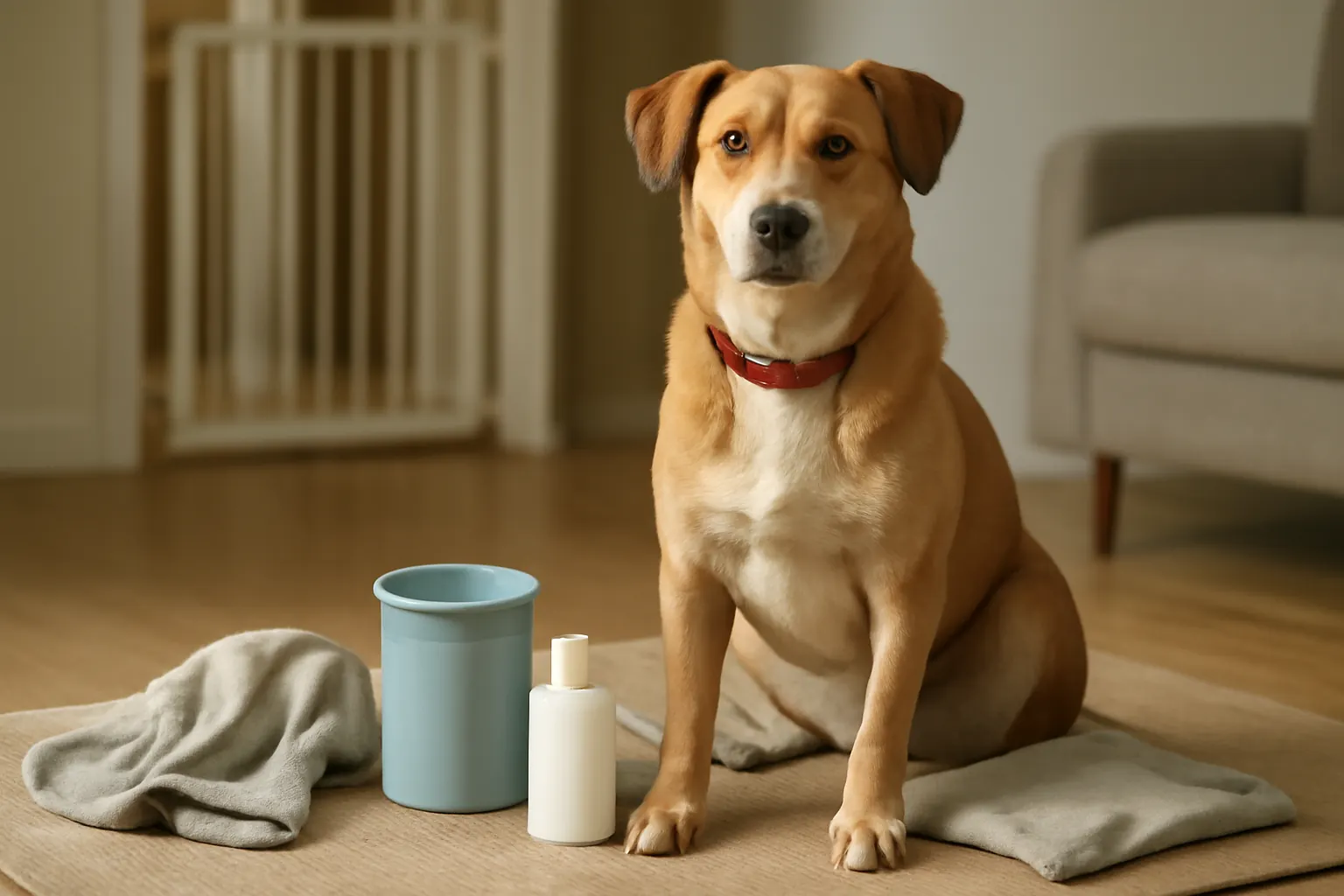
A dog paw washer is a cup-like tool with soft silicone bristles on the inside. You add a bit of water, insert your dog’s paw, twist the cup to gently scrub, and then remove the paw to a clean towel. The mud stays inside the washer, not in your home.
- Effectively removes caked-on mud, sand, and salt.
- Reduces tracking of dirt indoors.
- Works well for long-haired breeds where mud clings to fur.
- Requires your dog to tolerate paw handling and the sensation of the bristles.
Cleaning Muddy Paws with a Towel
Using a towel is the simplest method. You keep a dedicated dog towel by the door, wipe each paw, and toss the towel in the wash. It’s fast and familiar but may not get deep grime out from between pads or long fur.
- No special equipment needed—just grab a towel.
- Great for lightly dirty or damp paws.
- Less intimidating for dogs who are sensitive about their feet.
- May smear mud instead of removing it completely.
Head-to-Head Comparison
Here’s how the two methods stack up across key factors:
- Effectiveness: Paw washers excel at removing thick mud; towels are hit or miss.
- Convenience: Towels are always ready; paw washers need filling and rinsing.
- Dog comfort: Towels are usually gentler; some dogs dislike the washer’s sensation.
- Mess factor: Paw washers contain the mud; towels can drip and smear.
- Cost: Towels are inexpensive; paw washers range from $10–$30.
- Time per paw: A towel takes seconds; a washer may take 30–60 seconds per paw once you’re set up.
Which Method Is Right for You?
Consider these questions before you pick a tool:
- Does your dog have long or thick fur that traps mud? If yes, a paw washer will save you time.
- Is your dog nervous about having paws handled? A towel might be less stressful.
- How much mud does your dog usually bring in? For heavy, sticky mud, a washer is worth the setup.
- Do you have multiple dogs? A towel system can be faster for a quick post-walk wipe.
Mistakes to Avoid When Cleaning Muddy Paws
Even the best method can fail if you make these common errors:
- Skipping the dry step: Moisture left between toes can cause irritation or yeast infections. Always dry paws thoroughly after washing.
- Using hot water in the paw washer: Stick to lukewarm water; hot water can be uncomfortable for dogs.
- Not checking between pads: Mud, pebbles, and ice balls can hide there. Inspect closely.
- Forcing a scared dog: If your dog resists, go slow and offer treats. Never force a paw into the washer.
- Using harsh soaps: Plain water is usually enough. If you need a cleanser, pick one labeled pet-safe and rinse well.
Keeping Your Home Mud-Free This Season
Pair your paw-cleaning method with a smart entryway setup. Place an absorbent, washable mat inside and outside the door to catch initial mud. Teach your dog a “wipe your paws” cue on the mat. Keep a basket with towels or the paw washer right by the entrance so you can act before mud spreads. For extreme mud, consider a small, shallow tub of water just outside the door for a pre-rinse.
The Verdict
Both tools have their place. For fast daily upkeep, a dedicated microfiber towel works well. But when the ground is soggy and mud is deep, a paw washer will keep your home noticeably cleaner. In many homes, the best solution is having both ready, then choosing based on the day’s mess level.
FAQ
How do I clean my dog’s paws after a muddy walk without making a mess inside?
Use a paw washer just outside the door, then dry with a towel. Or, keep a damp towel at the entry to wipe each paw immediately. An outdoor mat helps trap mud before your dog steps inside.
Are dog paw washers safe for dogs with sensitive paws?
Most paw washers use soft silicone bristles designed to be gentle. If your dog has particularly sensitive paws, start with lukewarm water and short sessions. Stop if your dog shows discomfort and consult your vet if irritation occurs.
Can I use baby wipes instead of a towel or paw washer?
Baby wipes can work for very light surface dirt, but they may not deep-clean mud and some ingredients might irritate your dog’s paws. Opt for pet-safe paw wipes or a damp cloth for quick touch-ups.