Product Guides
Vinegar vs Dryer Sheets vs Wool Dryer Balls: Best Way to Remove Pet Hair from Laundry for Heavy Shedders
An in-depth comparison of the most effective methods for removing pet hair from laundry, tailored to heavy shedders. Discover which approach works best for your home.
Best choice by situation
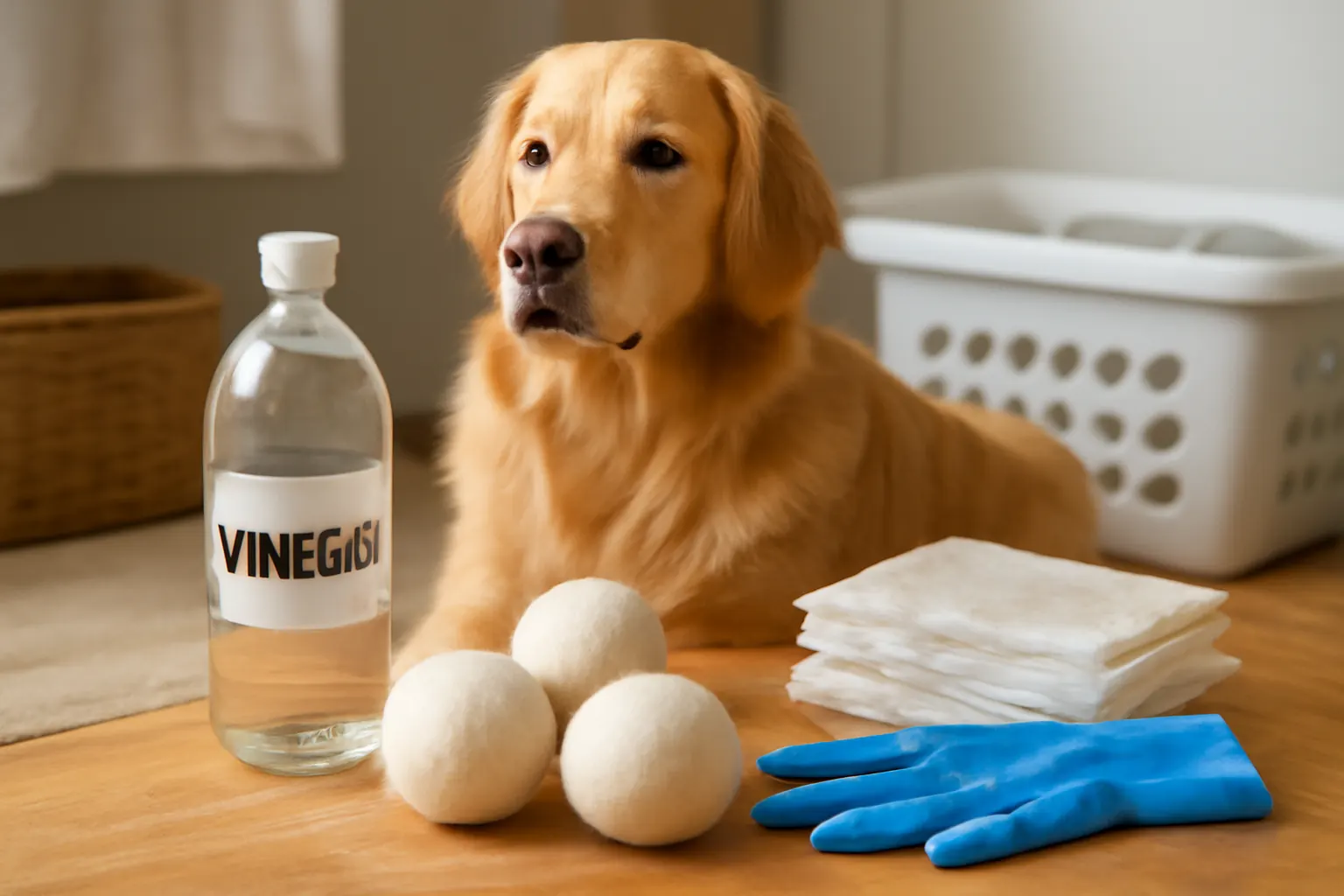
- Choose the first option if: Vinegar Rinse + Wool Dryer Balls
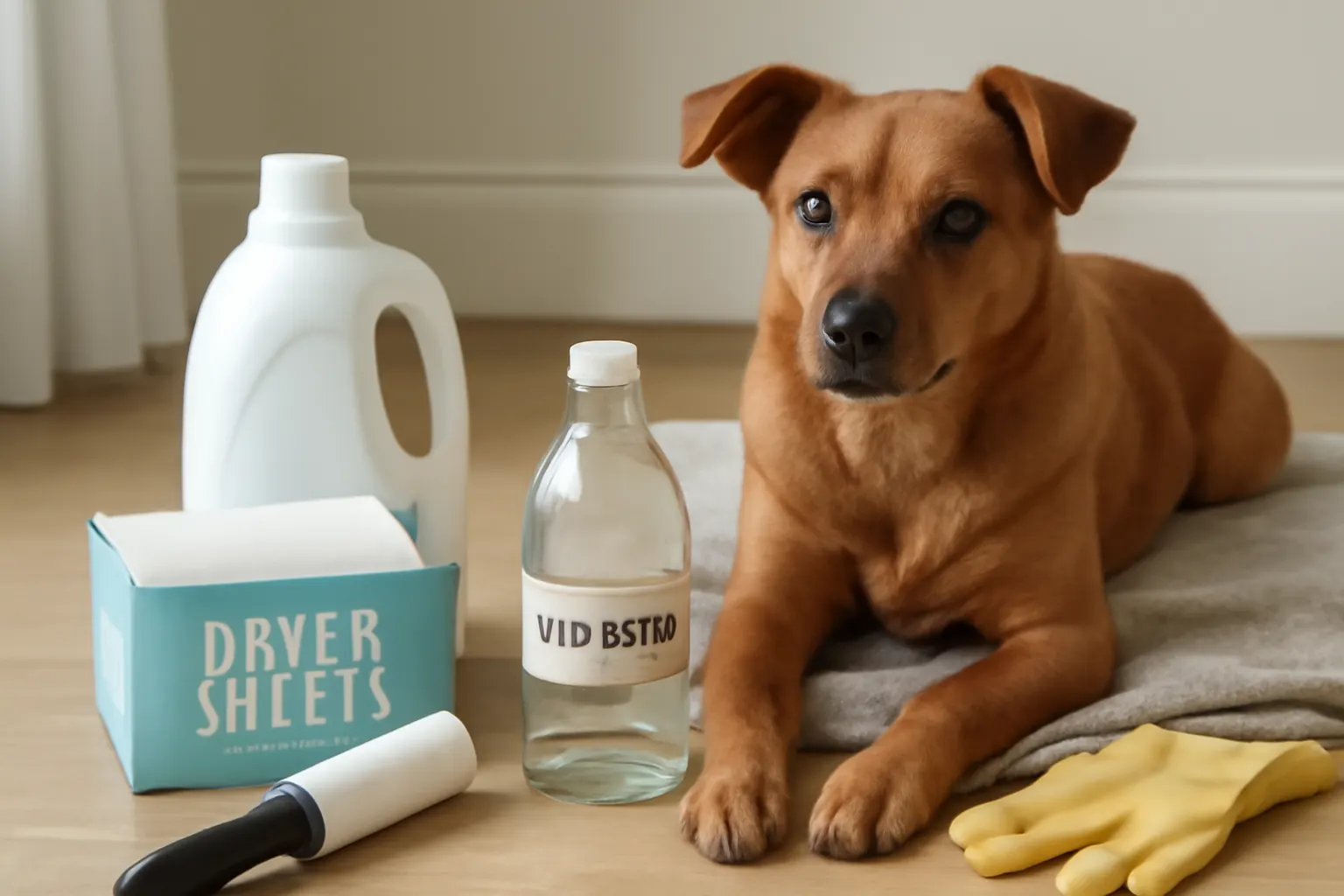
- Choose the second option if: Dryer Sheets + Rubber Gloves
- Use both if: For heavily shedding breeds, start with vinegar and wool dryer balls; finish with a damp rubber glove for stubborn hairs. For light shedding, either method works.
Side-by-side comparison
| Factor | Option A | Option B | Practical verdict |
|---|---|---|---|
| Effectiveness on Heavy Shedders | Excellent – releases hair into lint trap | Good – dryer sheets trap some hair, gloves pick up strays | Vinegar + wool dryer balls |
| Cost per Load | Low – vinegar is cheap, dryer balls last years | Medium – dryer sheets cost per load, gloves are reusable | Vinegar + wool dryer balls |
| Chemical Residue | None – vinegar rinses clean | Some – dryer sheets leave a coating | Vinegar + wool dryer balls |
| Ease of Use | Easy – add vinegar to rinse, toss in balls | Very easy – toss in sheet, rub with glove | Dryer sheets + rubber gloves |
| Fabric Safety | Safe for cotton, synthetics; avoid silk/wool | Safe for most fabrics; may cause static on synthetics | Depends on fabric |
| Pet Safety | Completely safe – no chemicals | Moderate – dryer sheets toxic if ingested; gloves safe | Vinegar + wool dryer balls |
Why Pet Hair Sticks to Laundry
Pet hair clings to fabric due to static electricity and fiber texture. During washing and drying, agitation can embed hairs deeper. For heavy shedders like Golden Retrievers, Huskies, and Persian cats, a standard wash rarely suffices. Choosing the right method makes all the difference.
Comparison of Top Methods
Here we compare three popular approaches: vinegar rinse combined with wool dryer balls, dryer sheets with rubber gloves, and a baseline of just washing and drying. Based on our analysis, the table above shows which method excels in each category.
Vinegar Rinse + Wool Dryer Balls
Adding 1/2 to 1 cup of white vinegar during the rinse cycle loosens hair and neutralizes odors. Wool dryer balls then agitate fabrics, releasing hair into the lint trap. This duo is chemical-free, cost-effective, and safe for pets. However, avoid vinegar on silk or wool garments.
Dryer Sheets + Rubber Gloves
Dryer sheets reduce static and capture loose hair in the lint trap. A damp rubber glove rubbed over dry items picks up remaining hairs. This method is convenient for small loads but requires ongoing purchases and leaves a chemical residue that can reduce fabric absorbency.
Which Method Wins for Heavy Shedders?
For heavily shedding breeds, the combination of vinegar and wool dryer balls is superior. It removes more hair, costs less over time, and eliminates chemical exposure. Dryer sheets are a solid backup for quick loads, but the vinegar-and-balls routine yields consistently cleaner laundry.
Step-by-Step Routine for Heavy Shedders
- Pre-treat: Shake items outside or vacuum large items like dog beds. Use a lint roller or damp rubber glove to pick up loose fur.
- Wash: Use cold water. Add 1/2 cup white vinegar during the rinse cycle. Select a long cycle with extra rinse if available.
- Dry: Place items in dryer with 2-3 wool dryer balls. Use low heat or air fluff. Clean the lint filter after each cycle.
- Final touch: If some hair remains, rub a damp rubber glove over the fabric to collect strays.
Common Mistakes to Avoid
- Fabric softener – it makes hair cling more.
- Overloading the washer or dryer – reduces effectiveness.
- Skipping pre-treatment – leaves bulk hair.
- Using high heat – sets hair permanently.
- Not cleaning lint filter – reduces hair capture.
- Using too much detergent – leaves sticky residue.
Safety Notes
Always check garment labels for washing and drying instructions. Vinegar is safe for most fabrics but avoid it on silk, acetate, or delicate wool. Keep dryer balls and rubber gloves away from children and pets. Never allow pets to chew on dryer sheets – they are toxic if ingested. Clean the lint filter after every load to maintain airflow and reduce fire risk.
When to Consult a Professional
For expensive items like down comforters, silk bedding, or heavy wool blankets, consider professional dry cleaning. They have specialized solvents and equipment to handle pet hair and odors without damaging delicate fabrics.
FAQ
Which method removes the most pet hair from laundry?
The vinegar rinse plus wool dryer balls method removes the most hair, especially for heavy shedders. It loosens hair during washing and captures it in the lint trap during drying.
Can I use fabric softener to reduce pet hair?
No. Fabric softener coats fibers, causing hair to cling more. Use vinegar instead.
Are dryer balls safe for all fabrics?
Yes, wool dryer balls are safe for most fabrics. However, avoid using them on delicate items like silk or lace if the garment is prone to snagging. For those, use a low heat setting without balls.
How many dryer balls do I need for a large load?
Use 2-3 wool dryer balls for a standard load; for larger loads or heavy pet hair, use 3-4.
Is it safe to use vinegar on pet beds?
Yes, vinegar is safe for most pet bed fabrics. Avoid it on silk or wool covers. Always check the care label first.