Gear Cleaning & Maintenance
How to Clean Pet Bowls Without a Dishwasher: A Step-by-Step Guide
No dishwasher? No problem. Here's how to clean pet bowls by hand effectively, keeping them safe and hygienic for your furry friend.
Why Hand Washing Pet Bowls Matters
Even if you don't have a dishwasher, keeping your pet's bowls clean is essential for their health. Dirty bowls can harbor bacteria, mold, and slime that may make your pet sick. Hand washing with hot, soapy water is just as effective as a dishwasher when done properly.
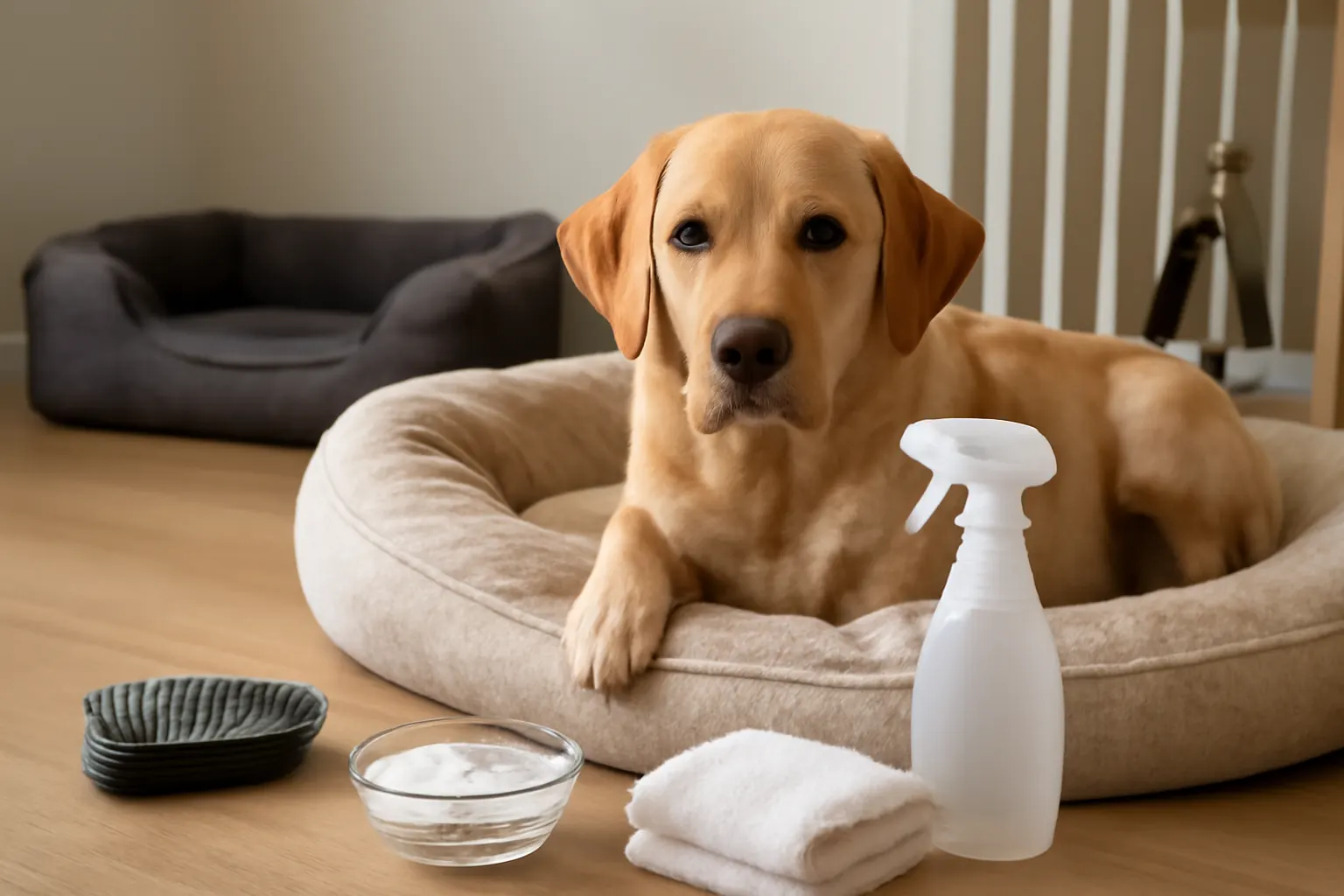
What You'll Need
- Hot water
- Dish soap (preferably fragrance-free and pet-safe)
- A dedicated sponge or brush (not used for human dishes)
- White vinegar or baking soda (for deep cleaning)
- A clean towel or drying rack
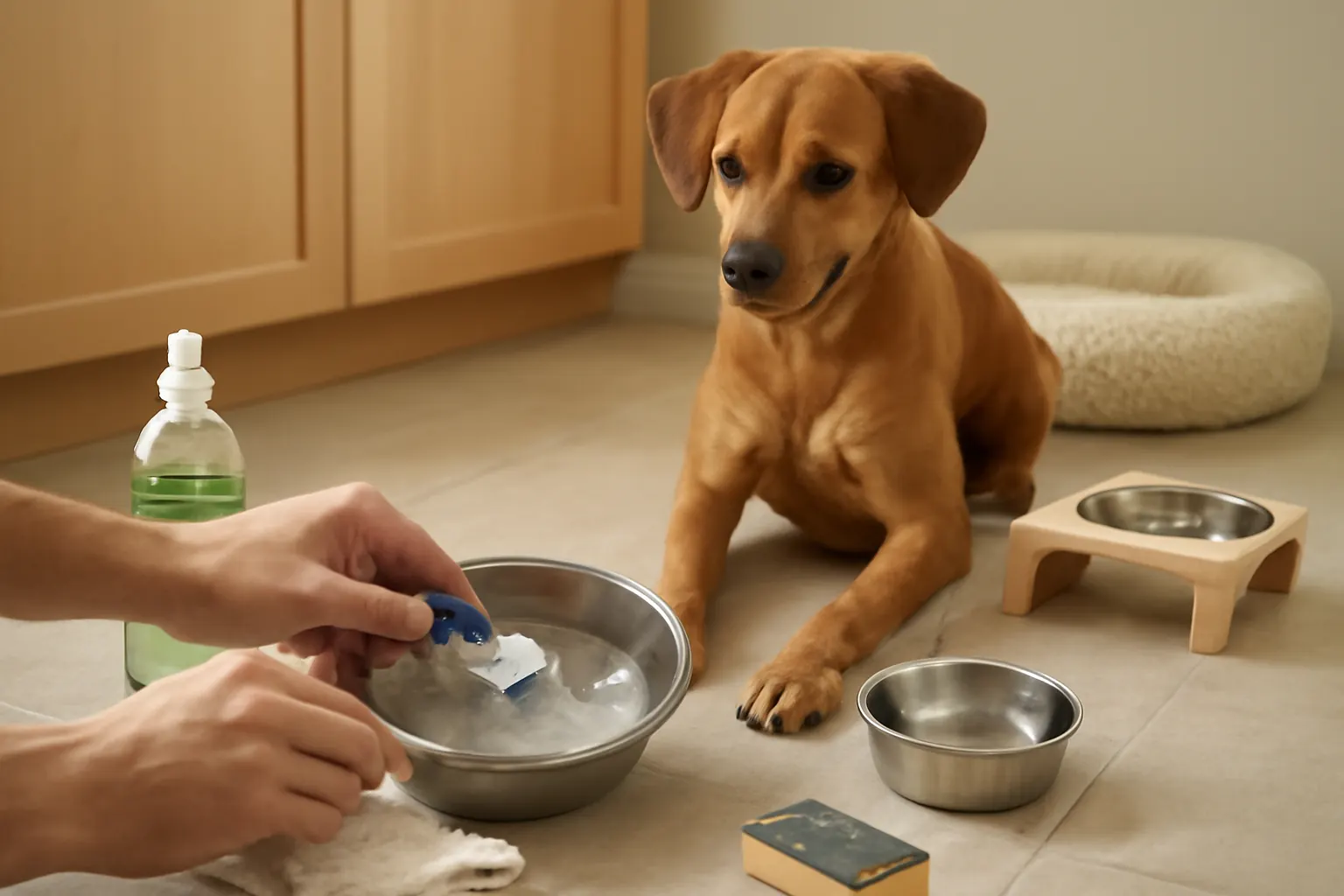
Step-by-Step Hand Washing Guide
1. Rinse Immediately After Use
Rinse the bowl with hot water right after your pet finishes eating to remove food particles and prevent buildup.
Readers may also find How to Clean a Cat Water Fountain Without a Brush: 5 Tools That Reach Every Crevice, How to Clean a Pet Bed Without Ruining the Filling: A Step-by-Step Guide, and How to Clean a Pet Bed Without a Vacuum: 5 Methods That Actually Work useful. For more stories like this, browse our Laundry & Bedding section.
2. Wash with Hot, Soapy Water
Fill a sink or basin with hot water and add a few drops of dish soap. Use a dedicated sponge or brush to scrub the bowl thoroughly, paying attention to crevices and the bottom.
3. Rinse Thoroughly
Rinse the bowl under running hot water to remove all soap residue. Soap left behind can be harmful if ingested.
4. Dry Completely
Air dry the bowl on a clean drying rack or towel. Ensure it's completely dry before refilling to prevent bacterial growth.
Deep Cleaning Methods
Vinegar Solution
Mix one part white vinegar with three parts water. Soak the bowl for 10-15 minutes, then scrub and rinse thoroughly. Vinegar helps remove mineral deposits and odors.
Baking Soda Paste
Make a paste with baking soda and water. Apply to stubborn stains, let sit for a few minutes, then scrub and rinse. Baking soda is a gentle abrasive that neutralizes odors.
How Often to Clean
Wash food bowls after every meal. Water bowls should be washed daily and refilled with fresh water. If your pet eats wet food, consider washing bowls more frequently to prevent bacterial growth.
Common Mistakes to Avoid
- Using the same sponge for human dishes and pet bowls – cross-contamination risk.
- Leaving soap residue – always rinse thoroughly.
- Skipping the drying step – moisture breeds bacteria.
- Using harsh chemicals like bleach – can be toxic to pets.
Safety Notes
- Never use abrasive cleaners that can scratch the bowl surface, as scratches can harbor bacteria.
- If your pet has allergies, choose fragrance-free, hypoallergenic soap.
- Inspect bowls regularly for cracks or damage – replace if damaged.
Final Takeaway
Hand washing pet bowls without a dishwasher is simple and effective. By following these steps and maintaining a regular cleaning schedule, you'll keep your pet's bowls hygienic and safe, contributing to their overall health and well-being.
FAQ
Can I use regular dish soap to clean pet bowls?
Yes, but choose a fragrance-free, mild dish soap to avoid irritating your pet's nose or stomach. Rinse thoroughly to remove all soap residue.
How often should I wash my pet's water bowl?
Water bowls should be washed daily and refilled with fresh water. Food bowls should be washed after every meal to prevent bacterial growth.
Is vinegar safe for cleaning pet bowls?
Yes, diluted white vinegar is safe and effective for deep cleaning. Rinse thoroughly after soaking to remove any vinegar smell or taste.