Cat Care
Essential Guide to Cleaning Your Cat's Ears Safely
Proper ear cleaning is vital for your cat's health. Follow this guide to ensure safe and effective ear care.
Maintaining your cat's ear health is essential for their overall well-being. Regular ear cleaning can prevent infections and discomfort. Here's a step-by-step guide to cleaning your cat's ears safely:
1. Assess the Need for Cleaning
Not all cats require frequent ear cleaning. Only clean your cat's ears when you notice visible wax buildup, debris, or an unpleasant odor. If you observe dark, crumbly discharge or a foul smell, consult your veterinarian, as these could be signs of ear mites or infection. (spotpet.com)
2. Gather Necessary Supplies
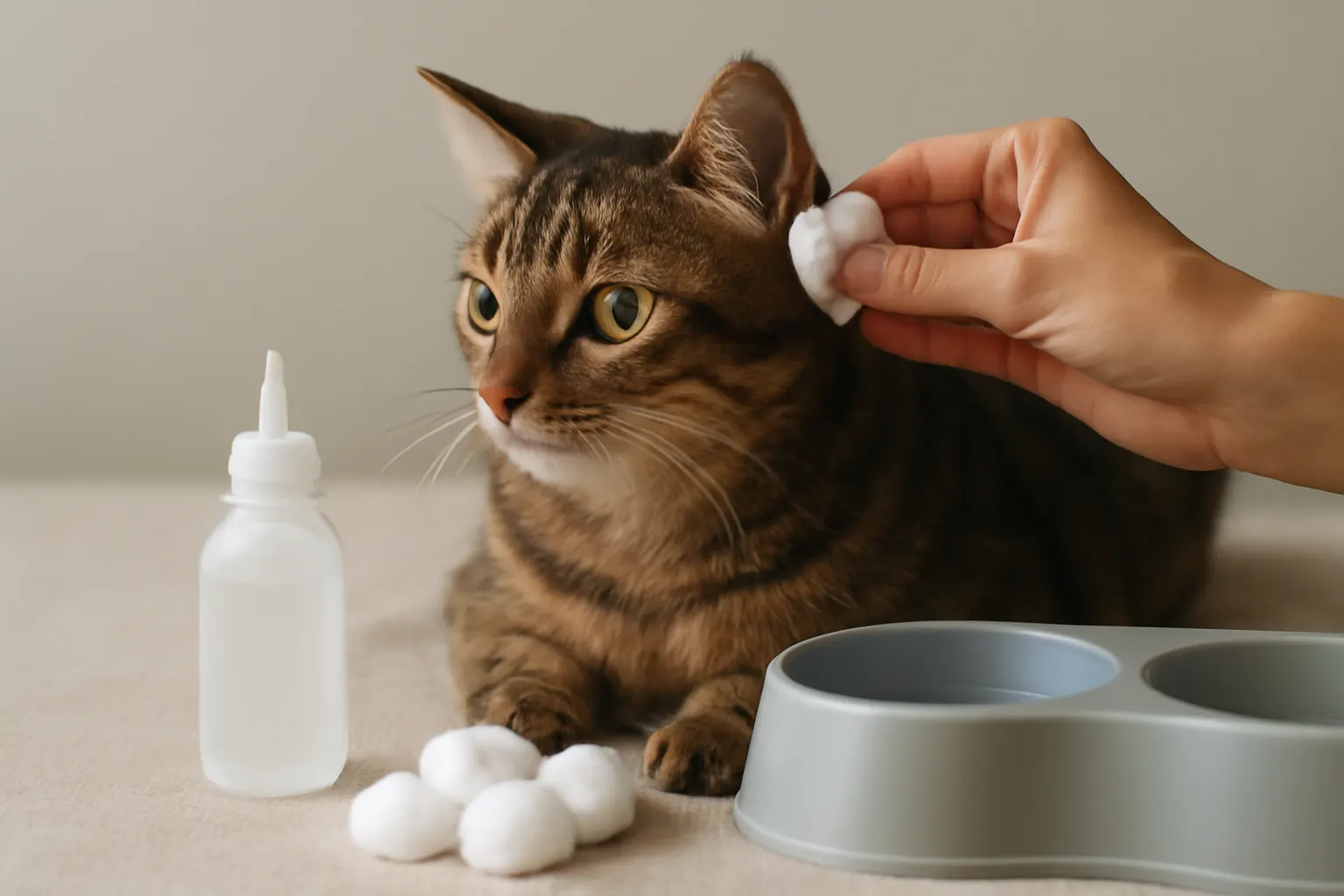
You'll need a veterinarian-approved ear cleaning solution, cotton balls or gauze pads, and some treats to reward your cat afterward. Avoid using cotton swabs, hydrogen peroxide, alcohol, or products formulated for dogs, as they can be harmful to cats. (spotpet.com)
3. Prepare Your Cat
Choose a quiet, comfortable area to clean your cat's ears. Gently hold your cat in your lap or place them on a stable surface. It's helpful to have someone assist in holding the cat still if necessary. (greatpetcare.com)
4. Apply the Cleaning Solution
Follow the instructions on the ear cleaning solution. Typically, you'll apply a few drops into the ear canal. Gently massage the base of the ear to distribute the solution and loosen any debris. (greatpetcare.com)
5. Wipe the Ear Canal
Using a cotton ball or gauze pad, gently wipe the visible parts of the ear canal to remove loosened debris. Avoid inserting anything deep into the ear canal to prevent injury. (greatpetcare.com)
6. Reward Your Cat
After cleaning, offer your cat a treat and some affection to create a positive association with the process. Regular ear cleaning can become a routine part of your cat's grooming regimen. (spotpet.com)
Remember, if you're ever uncertain about cleaning your cat's ears or notice signs of infection, consult your veterinarian for guidance. Proper ear care is a key component of your cat's overall health and comfort.
FAQ
Is this advice a replacement for veterinary care?
No. Pet Stories Daily articles are general information. Contact a veterinarian for diagnosis, treatment, emergency signs, or medical decisions.
How does Pet Stories Daily choose sources?
We prioritize reputable sources such as veterinary organizations, official notices, shelters, rescues, public safety agencies, and established reporting.
What should pet owners do first?
Start with the practical takeaway in the article, then check the source note and contact a qualified professional if the issue involves health or safety.