Product Guides
Steam Mop vs Wet Mop for Homes with Pets: Which Is Safer and More Effective?
Pets track messes, but floor cleaners can pose risks. We compare steam mops and wet mops for pet-safe cleaning, covering disinfection, chemical exposure, and everyday dirt.
Best choice by situation
- Choose the first option if: Deep, chemical-free sanitizing of hard floors; killing bacteria and dust mites without leaving residues that can harm pets.
- Choose the second option if: Light daily cleaning and quick touch-ups; using a dedicated pet-safe floor cleaner for visible dirt and mild soils.
- Use both if: A steam mop for weekly disinfection and a wet mop for daily maintenance give comprehensive, pet-safe floor care.
Side-by-side comparison
| Factor | Option A | Option B | Practical verdict |
|---|---|---|---|
| Chemical exposure | Uses only water; no chemical residues | Requires cleaning solution; risk if not pet-safe | Steam mop wins for safety |
| Disinfection | High heat kills most germs | Depends on cleaner; rarely disinfects without harsh chemicals | Steam mop for sanitizing |
| Pet hair removal | Can loosen hair but may push it around; less effective alone | Microfiber pads trap hair well | Wet mop better for hair pickup |
| Ease of use | Needs heat-up time; heavier to maneuver | Lightweight; quick to grab and go | Wet mop for daily convenience |
| Floor safety | Can damage unsealed wood or laminate | Safe for all hard floors when used correctly | Check flooring before choosing |
Keeping floors clean when you share your home with dogs or cats feels like a never-ending chore. Muddy paw prints, scattered kibble, and the occasional accident demand a reliable mopping routine. But not all mopping methods are equal—especially when a curious pet might walk across a still-damp floor or lick a freshly cleaned surface. The choice often boils down to a steam mop versus a traditional wet mop. Both have their strengths, but which one fits a pet household best? We’ll walk through safety, effectiveness, and everyday practicality so you can decide with confidence.
How steam mops work and why they appeal to pet owners
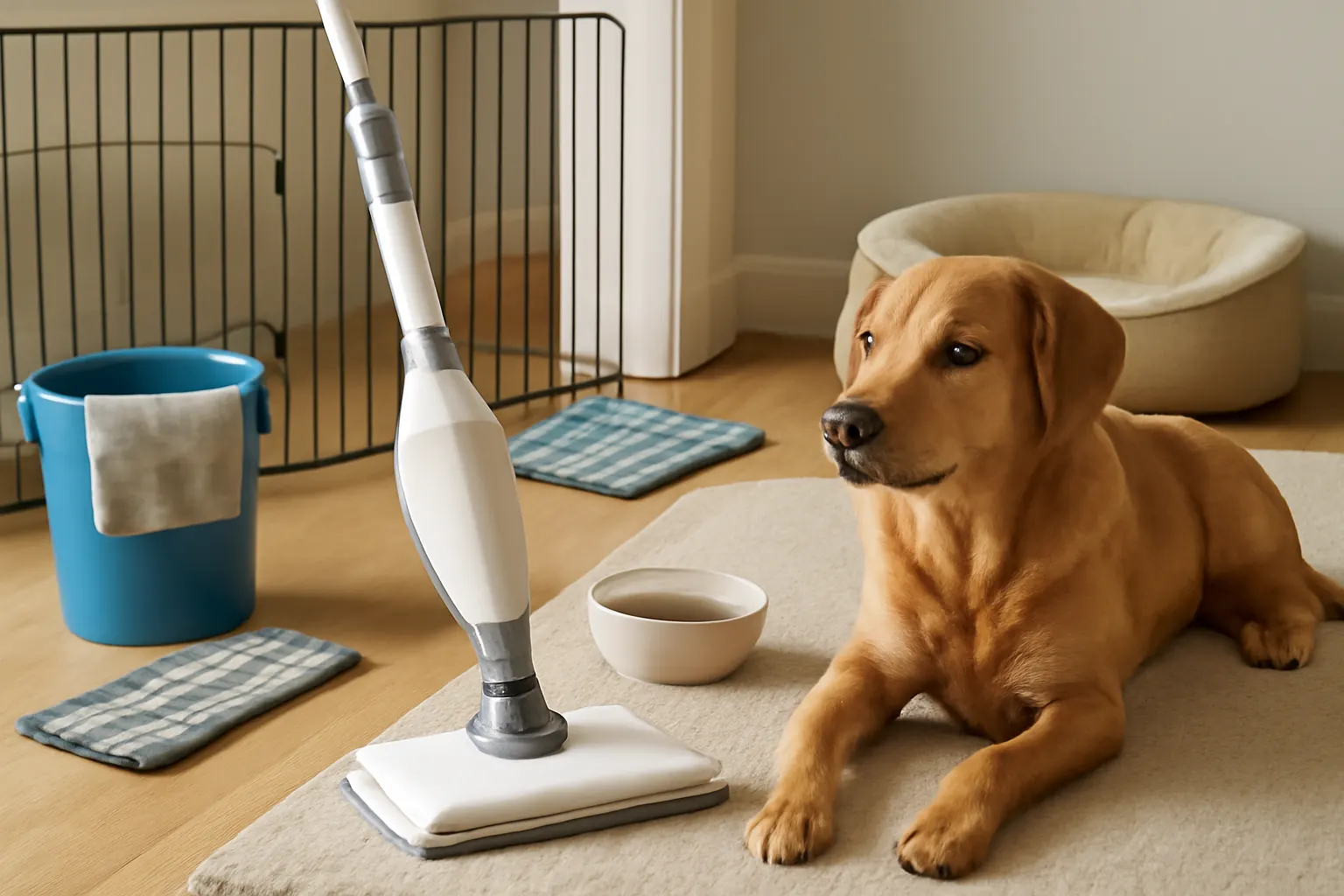
A steam mop heats water to produce hot vapor that loosens dirt and kills germs on hard floors. Because it uses only water, there are no chemical residues left behind. That’s a huge win for pet safety: no risk of your dog or cat absorbing toxins through their paws or ingesting them during grooming. Steam can also reduce allergens like dust mites, which is a bonus if anyone in the house has pet-related sensitivities.
However, steam mops aren’t perfect. The high heat can damage unsealed wood, laminate, or some vinyl floors. They’re also not designed to pick up loose pet hair well—the moist pad often pushes hair into corners instead of trapping it. You’ll still need to vacuum or sweep before steaming. And because the floor stays hot for a few moments, you must keep pets away until it cools to avoid paw burns.
The wet mop advantage: speed, hair control, and product choice
A classic wet mop—often a microfiber flat mop—shines for quick daily cleanups. You can grab it, spray a little cleaner, and swipe away paw prints in seconds. Microfiber pads are excellent at grabbing pet hair, so you tackle two messes at once. The trade-off is the cleaning solution. Many off-the-shelf floor cleaners contain ammonia, bleach, or phthalates, which can irritate paws and airways. Even some “natural” products include essential oils (like tea tree or citrus) that are toxic to cats.
The safest route is to pair a wet mop with a cleaner that carries the EPA Safer Choice label or a simple homemade solution of diluted white vinegar and water (test first on your flooring). Just avoid letting pets walk on the wet floor, as they may lick paws later and ingest whatever you used.
Steam mop vs wet mop: head-to-head for pet households
Chemical safety
Steam mops eliminate chemical exposure entirely. Wet mops require a cleaning product, so safety depends entirely on your choice. If you’re diligent about selecting a pet-safe formula, a wet mop is acceptable. Otherwise, steam wins.
Disinfection
Steam mops reach temperatures high enough to kill most common bacteria and viruses. A wet mop, even with a “disinfecting” cleaner, often needs a prolonged dwell time to sanitize, which is hard to achieve on a floor. For serious messes like urine or vomit, a steam mop provides peace of mind without harsh chemicals.
Pet hair removal
Wet mops with microfiber pads outperform steam mops at picking up loose fur. If you battle constant shedding, a wet mop (after vacuuming) will leave floors visibly cleaner. Some steam mop pads are designed to attract hair, but they still fall short compared to the static cling of dry or lightly damp microfiber.
Everyday practicality
Wet mops are lighter, require no warm-up time, and are easier to whip out for a 30-second spot clean. Steam mops take a couple of minutes to heat and are bulkier, making them more suited to a planned weekly deep clean.
Creating a pet-safe floor cleaning routine
Most pet owners benefit from having both tools. Use a wet mop with a pet-safe cleaner for daily touch-ups. Reserve the steam mop for a weekly or bi-weekly deep sanitization. Always vacuum first to remove hair and debris so your mop isn’t pushing dirt around. After mopping, block off the area until floors are dry, and wash mop pads after every use—bacteria can grow quickly in a damp, soiled pad.
Check your floor type before introducing steam. Engineered wood, laminate, and vinyl plank can warp or peel under high heat. When in doubt, stick with a damp wet mop and gentle cleaner.
What to avoid when mopping with pets in the house
Steer clear of cleaners with ammonia, bleach, or phenols, which are especially dangerous for cats. Do not add essential oils to your mop water; even a few drops of tea tree or pine oil can cause neurological issues in cats. Never let pets walk on wet—they’ll track the cleaner throughout the house and later ingest it. And avoid reusing a dirty mop pad; a quick machine wash after each session keeps things hygienic.
By choosing your mop method wisely and staying mindful of product labels, you can maintain a clean home without compromising your pet’s health. A combination of a steam mop for disinfection and a wet mop for hair and daily grime gives you the best of both worlds.
FAQ
Which is safer for pets: steam mop or wet mop?
A steam mop is generally safer because it sanitizes with only water, leaving no chemical residues that pets could lick or absorb. A wet mop requires a cleaning solution, so safety depends on choosing a pet-safe formula and keeping pets off wet floors until dry.
Can I use both a steam mop and a wet mop for pet floors?
Yes, combining both is ideal. Use a wet mop for daily touch-ups and pet hair pickup, and a steam mop weekly for deep sanitization—this gives you fast maintenance plus chemical-free disinfection.
What floor types can I steam mop safely with pets?
Steam mops are safe for sealed hard floors like ceramic, porcelain tile, and some sealed stone. Avoid unsealed wood, laminate, and some vinyl, as heat and moisture can cause warping or damage. Always check your flooring manufacturer's guidelines first.
How do I remove pet hair effectively when mopping?
A wet mop with a microfiber pad excels at trapping pet hair. Vacuum or sweep first to remove loose hair, then mop with a damp microfiber pad; the static cling grabs remaining fur better than a steam mop pad.
Are there pet-safe floor cleaners that disinfect as well as steam?
Few chemical cleaners achieve the same level of disinfection without harsh ingredients. Look for EPA Safer Choice-certified products, but note that many require a long dwell time to sanitize. Steam provides a zero-chemical alternative that kills most germs on contact, making it hard to beat for pet safety.