cats
Keeping Your Cat Hydrated This Summer: Essential Tips and In-Depth Guidance
With summer heat rising, it's crucial to ensure your cat stays well-hydrated. Learn practical, step-by-step tips, common owner mistakes to avoid, and when to seek veterinary help to keep your cat safe and healthy.
- Ignoring subtle signs such as reduced activity or mild loss of appetite thinking it's normal summer behavior.
- Trying home remedies without professional guidance, which may worsen dehydration.
5. Create a Cool and Comfortable Environment
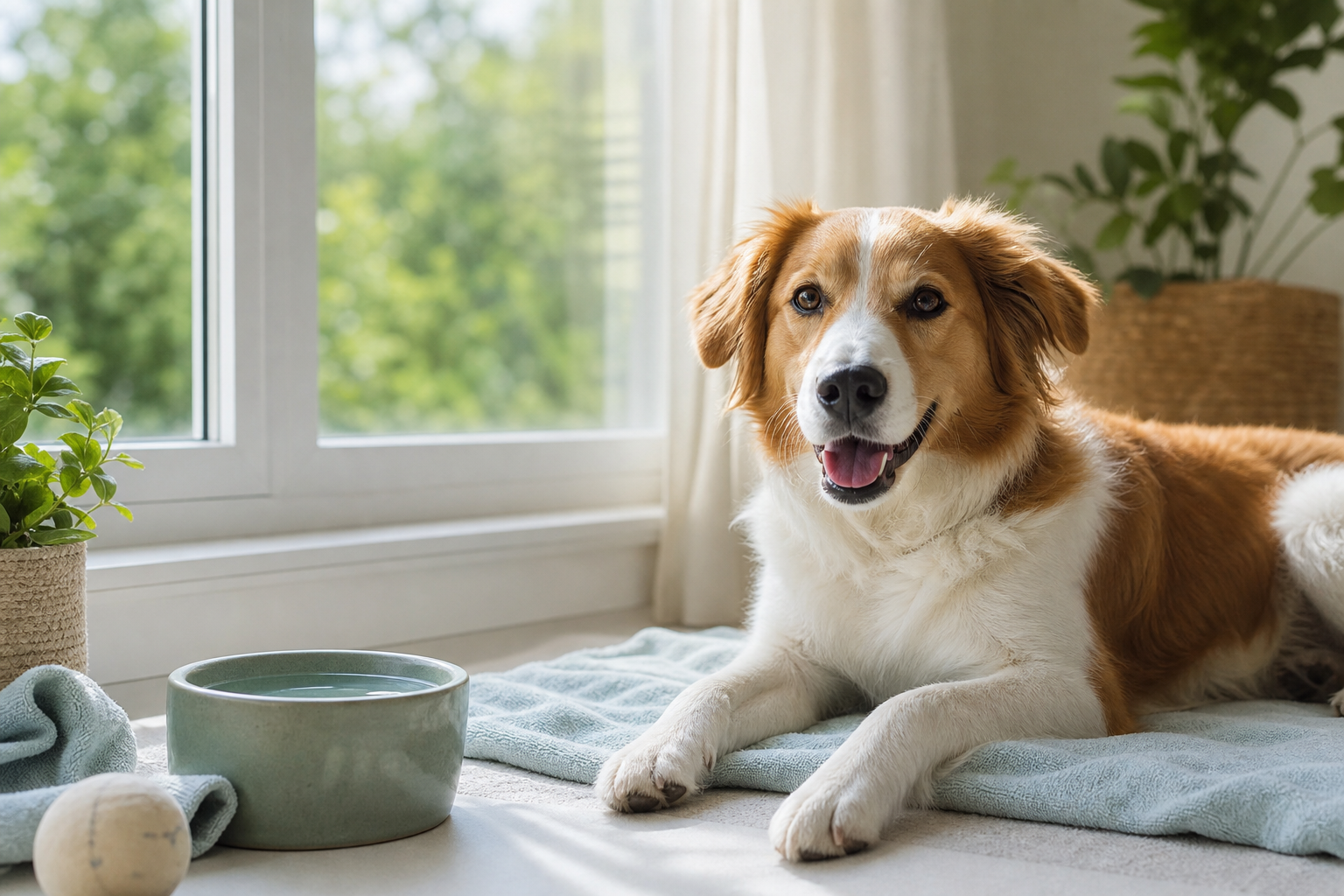
Heat stress can worsen dehydration risk. Ensure your cat has access to shaded, well-ventilated areas in your home, away from direct sunlight. Use fans or air conditioning when possible to maintain a stable, cool temperature.
Provide cool resting spots such as tile floors or cooling mats designed for pets. Avoid leaving your cat outside during peak heat hours, and never leave a cat unattended in a car, as temperatures can become dangerously high quickly. (vet.cornell.edu)
Owner Mistake to Avoid:
Don’t assume long-haired or indoor-only cats are naturally less susceptible to heat stress. Cats of all types can suffer heatstroke and dehydration if environmental conditions are too hot. Also, avoid placing cooling mats in sunny spots as they can heat up.
Practical Tips for Home Cooling:
- Keep blinds or curtains closed during the day to block direct sunlight.
- Place cooling mats in shaded areas accessible to your cat.
- Provide fresh water and wet food in multiple locations near cooler spots.
- Limit outdoor access during the hottest part of the day, typically 10 a.m. to 4 p.m.
6. Additional Practical Tips for Summer Cat Hydration
- Use Water Fountains: Cats may prefer running water; pet fountains circulate and filter water, encouraging more drinking. (dogwoodanimalhospital.com)
- Add Broth: Offering unsalted, onion-free chicken or beef broth can entice cats to drink more. Ensure the broth contains no harmful ingredients. (dogwoodanimalhospital.com)
- Experiment with Temperature: Some cats prefer cold water especially on hot days; try offering chilled water but avoid ice-cold that could upset their stomach. (dogwoodanimalhospital.com)
- Schedule Play and Feeding Times: Avoid vigorous play outdoors during extreme heat, and feed meals in cooler parts of the day to encourage drinking during and after meals. (vethealthcenter.com)
- Monitor Hydration Regularly: Use a hydration tracking app or journal to note your cat's water and food intake, changes in behavior, and any signs of dehydration, especially in multi-cat households where individual intake may vary.
Summary and Final Owner Takeaway
Summer presents hydration challenges for cats due to their evolutionary low thirst drive and heat sensitivity. Owners can help by providing multiple sources of fresh water, integrating wet food and hydrating snacks, monitoring for dehydration signs, and maintaining a cool living environment. These strategies combined not only support adequate hydration but also reduce the risk of heat-related illnesses.
If uncertain about your cat's water intake or health during summer, consult your veterinarian to tailor hydration and diet plans specific to your cat’s age, health condition, and lifestyle. Early intervention is key to preventing serious complications.
FAQ
How much water should my cat drink daily during summer?
Cats typically need about 50-60 ml of water per kilogram of body weight daily, but this can vary with diet and activity. Wet food increases water intake, so monitor your cat’s hydration and consult your vet if unsure.
Can I give my cat any fruits or vegetables for hydration?
Yes, some water-rich foods like cucumber and watermelon (seedless and in small amounts) can be offered occasionally. Always check if a particular food is safe for cats and introduce slowly to avoid digestive issues.
What are the early signs of dehydration in cats?
Early signs include lethargy, dry or tacky gums, sunken eyes, and decreased skin elasticity. If you notice any of these signs, offer water and consult your veterinarian promptly.
Is wet food enough to keep my cat hydrated?
Wet food helps increase water intake but should complement access to fresh drinking water for best hydration, especially during hot weather.
When should I contact my vet about my cat’s hydration?
Contact your veterinarian if your cat refuses to drink water for more than 12-24 hours, shows signs of dehydration, or exhibits lethargy and loss of appetite.