Safety Alerts
Your Pet’s Emergency Preparedness: A Comprehensive Guide to Ensuring Safety During Disasters
Disasters can happen unexpectedly. Prepare your pet and your home with these practical tips to keep your furry friend safe in emergencies.
Emergencies such as storms, fires, or other unforeseen events can pose significant challenges for pet owners. Proactive preparation is crucial to safeguard your pet's health and safety during these situations. This comprehensive guide outlines practical steps to prepare for emergencies involving your pets.
1. Develop a Detailed Pet Emergency Plan
Creating a clear and actionable plan is the first step in ensuring your pet's safety during a disaster.
- Identify Safe Evacuation Routes and Shelters: Research and note down pet-friendly shelters, hotels, or friends' and relatives' homes where you can take your pets in case of evacuation. Many public shelters may not accept pets, so having alternatives is essential. (redcross.org)
- Assign a Caretaker: Designate a trusted friend or family member who can care for your pet if you're unavailable during an emergency. Ensure they are familiar with your pet's needs and routines. (michigan.gov)
- Keep Emergency Contacts Accessible: Maintain a list of important contacts, including your veterinarian, local animal shelters, and emergency services, in your emergency kit and on your pet's collar. (cdc.gov)
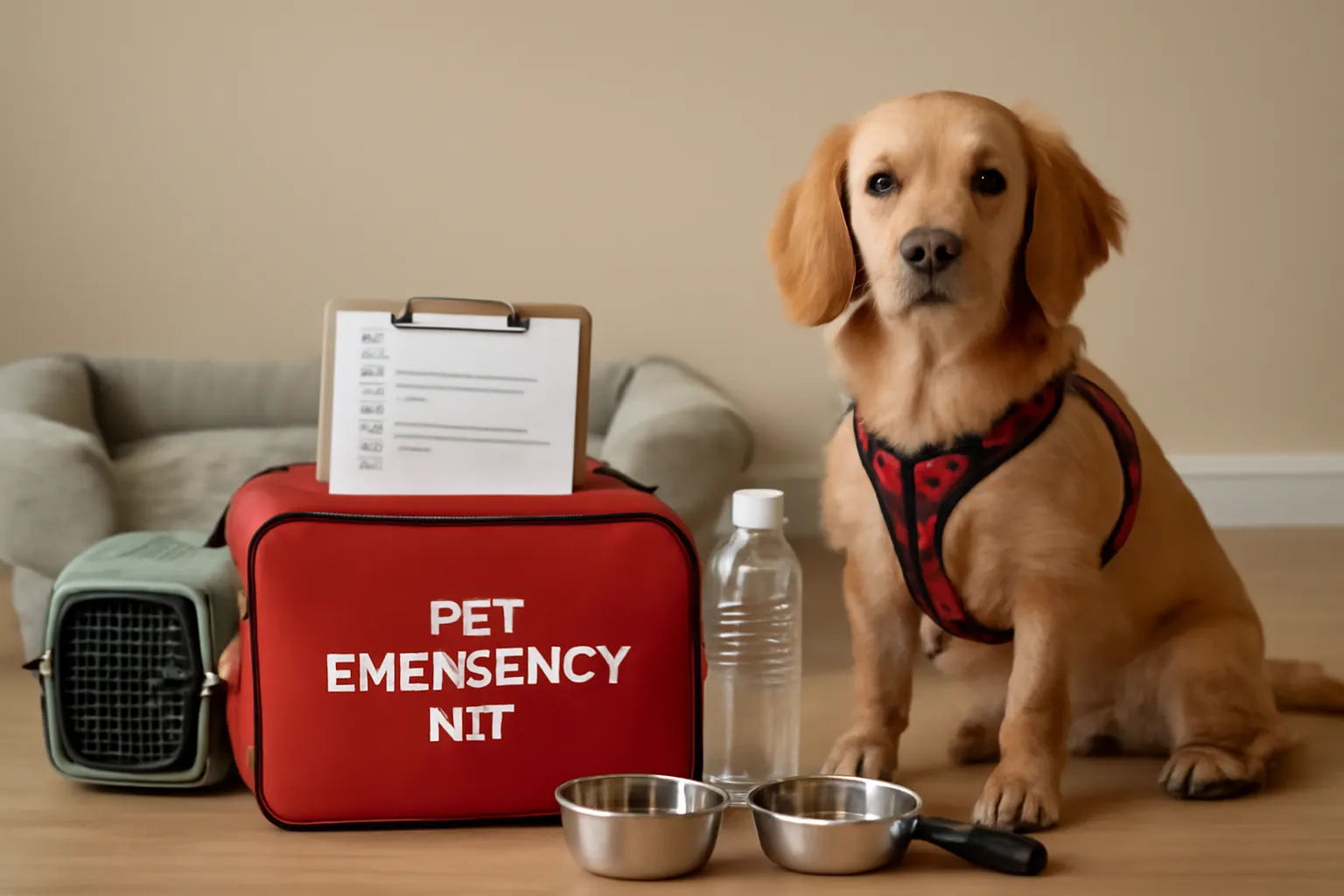
2. Assemble a Comprehensive Emergency Kit for Your Pet
Having a well-stocked emergency kit can make a significant difference during an evacuation.
- Food and Water: Pack at least three days' worth of your pet's regular food and water, along with bowls. Rotate the supplies regularly to keep them fresh. (redcross.org)
- Medications and Medical Records: Include any necessary medications, a copy of your pet's medical records, and vaccination history in a waterproof container. (ndda.nd.gov)
- Leashes, Collars, and Carriers: Ensure all equipment is in good condition and appropriately sized for your pet. Having a sturdy leash and a comfortable carrier can facilitate safe transportation. (cdc.gov)
- Comfort Items: Bring familiar items like toys, bedding, or a piece of your clothing to help reduce your pet's stress during the evacuation. (redcross.org)
- Sanitation Supplies: Pack waste bags, litter, and cleaning materials to maintain hygiene for your pet. (ndda.nd.gov)
3. Ensure Proper Identification and Microchipping
Accurate identification is vital if you become separated from your pet during a disaster.
- Microchip Your Pet: Implant a microchip and ensure the registration information is current. This permanent form of identification can help reunite you with your pet if they get lost. (cdc.gov)
- Use ID Tags: Attach a collar with an ID tag that includes your contact details. Ensure the collar is secure and comfortable for your pet. (aspca.org)
4. Practice Evacuation Drills with Your Pet
Familiarizing your pet with evacuation procedures can reduce anxiety during an actual emergency.
- Carrier Training: Regularly place your pet in and out of their carrier to make it a familiar and comfortable space. (cdc.gov)
- Vehicle Familiarization: Take your pet on short car trips to help them become accustomed to traveling in a vehicle, which can be beneficial during evacuations. (redcross.org)
5. Stay Informed and Maintain Calmness
Being informed and composed can significantly impact your pet's safety during an emergency.
- Monitor Official Sources: Keep an eye on local emergency management alerts and weather updates to stay informed about potential disasters. (cdc.gov)
- Follow Evacuation Orders Promptly: Do not delay evacuation if authorities advise it. Leaving early can provide more options and reduce stress for both you and your pet. (redcross.org)
Common Mistakes to Avoid
- Neglecting to Prepare Pet-Specific Emergency Supplies: Failing to include items tailored to your pet's needs can lead to unnecessary stress or health issues during an emergency. (ndda.nd.gov)
- Excluding Pets from the Family Emergency Plan: Not incorporating your pet into your overall emergency plan can result in confusion and potential harm during a disaster. (michigan.gov)
- Leaving Pets Behind During Evacuation: Remember, many shelters may not accept pets. Always have a backup plan for your pet's care during evacuations. (redcross.org)
When to Consult Your Veterinarian
After a disaster, your pet may experience stress or injury that requires professional attention.
- Signs of Distress: If your pet exhibits symptoms such as vomiting, diarrhea, lethargy, or difficulty breathing, seek veterinary care promptly. (americanhumane.org)
- Injuries or Toxin Exposure: For wounds, burns, or suspected poisoning, immediate evaluation by a veterinarian is crucial to ensure proper treatment. (ndda.nd.gov)
Being prepared can make all the difference in protecting your pet during emergencies. Begin your preparations today to provide peace of mind for you and a safer environment for your beloved companion.
FAQ
What should be included in a pet emergency kit?
A pet emergency kit should include at least three days of food and water, medications, medical records, leashes or carriers, sanitation supplies, and comfort items like toys or bedding.
How can I ensure my pet is identifiable if separated during a disaster?
Microchip your pet and keep the registration up to date. Also, use an ID tag with your contact information on your pet’s collar at all times.
Where can I find pet-friendly shelters or evacuation locations?
Check local emergency management websites or contact your veterinarian for information on pet-friendly shelters. Some organizations also provide online directories of pet-friendly emergency accommodations.