rescue
How to Prepare for a Successful Rescue Pet Adoption: A Comprehensive Guide
Adopting a rescue pet is a rewarding journey. Prepare your home, understand your new pet’s needs, and create a safe environment with this comprehensive, practical guide including expert advice, common pitfalls, and detailed steps.
Introduction
Adopting a rescue pet is a compassionate decision that enriches your life and offers a deserving animal a fresh start. While deeply rewarding, it also requires thorough preparation to ensure your new furry friend’s health, happiness, and smooth integration into your home. This guide offers practical advice, detailed steps, and expert insights to help you prepare effectively for a successful rescue pet adoption.
Step 1: Assess Your Lifestyle and Commitment
Begin with an honest evaluation of your daily routine, living situation, and readiness for a long-term commitment. Rescue pets often have past traumas or special needs requiring patience, consistency, and devotion. Involve all household members to align expectations and share responsibilities.
- Time Commitment: Rescue pets might need extra attention including training, exercise, socialization, and gradual acclimation. Ensure you can dedicate consistent quality time daily for behavior support and bonding.
- Financial Responsibility: Prepare for ongoing expenses such as veterinary care, food, supplies, and potential emergency treatments or specialized training. Create a realistic budget to accommodate these demands.
- Household Dynamics: Establish clear care roles, set boundaries, and maintain consistent training among family members. Plan for challenges involving children, other pets, or changes in lifestyle.
Step 2: Prepare Your Home Environment
Setting up a safe, welcoming environment is essential to reduce stress and help your rescue pet feel secure. Pets from shelters may initially be fearful or overwhelmed, so a thoughtful setup aids adjustment.
- Pet-Proofing: Remove hazards such as toxic plants, small objects, exposed electrical cords, and unsecured trash. For cats, block unsafe hiding spots. Use baby gates or barriers to control access safely. Petfinder
- Designate a Safe Space: Prepare a quiet room or nook with bedding, water, toys, and items carrying familiar scents (like blankets or clothing). This refuge allows your pet to retreat and feel secure during the initial days. Keep this area calm and low-traffic. Petfinder
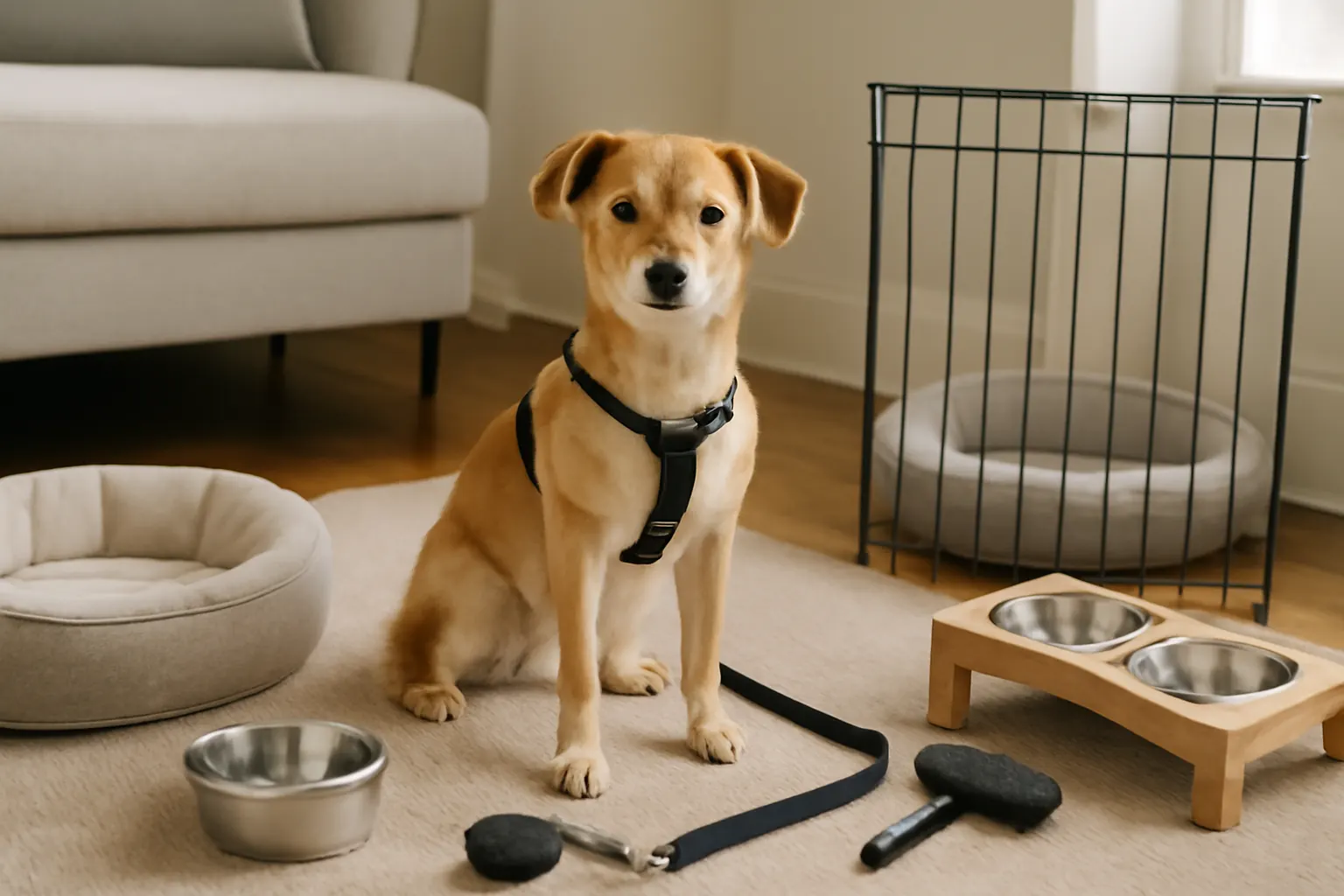
- Gather Supplies: Have all essentials ready: food and water bowls, leash, collar with ID tags, toys, grooming tools, and a crate or carrier. Choose food appropriate for your pet’s age and health, plus treats to support training and bonding. For anxious pets, consider calming aids or puzzle feeders. Petfinder
Step 3: Understand Your New Pet’s Specific Needs
Knowing your rescue pet’s background enables personalized care and reduces challenges.
- Behavioral History: Inquire about past traumas, fears, triggers, and social habits from rescue staff or foster homes. This information guides your training approach and helps avoid mistakes like pushing too fast.
- Medical Records: Obtain comprehensive vaccination records, spay/neuter status, medications, and known health issues. Schedule a veterinary exam soon after adoption to establish a health baseline and customize care. American Veterinary Medical Association
- Diet Preferences: Maintain the existing diet initially to prevent digestive upset. Gradually transition to new food with your vet’s guidance, especially if allergies or sensitivities exist.
Step 4: Plan the Introduction and Adjustment Period
The transition to a new home is stressful for rescue pets. Patience, calmness, and consistency during early days are key to building trust and confidence.
- Limit Overstimulation: Keep initial interactions quiet, calm, and brief. Avoid loud noises, large gatherings, or parties, which may increase anxiety.
- Gradual Socialization: Introduce family members and other pets slowly. Supervise all interactions and use scent swapping (exchanging bedding or toys) to help ease introductions. Petfinder
- Consistent Routine: Follow predictable schedules for feeding, walks, and bathroom breaks. Stability provides security and reduces stress.
Step-by-Step Owner Guidance for the Adjustment:
- Set up a quiet room with necessities and potty access for a safe initial space.
- Spend calm, short periods near your pet without forcing interaction, allowing them to approach on their own terms to build trust.
- Introduce new people gradually only when the pet is comfortable.
- Observe distress signs (like hiding, tucked tail, or avoidance) and reduce exposure to stressors accordingly.
- Encourage positive bonding with treats, praise, and gentle play at the pet’s pace.
- Gradually expand access to other areas of the home as confidence grows.
- Maintain a steady daily routine of feeding, exercise, and playtime to foster security.
Common Mistakes to Avoid
- Rushing Bonding: Forcing affection or expecting rapid adjustment can increase anxiety and damage trust.
- Ignoring Stress Signals: Watch for hiding, aggression, appetite change, or destructive behavior. Seek professional help if these signs persist.
- Delaying Veterinary Care: Schedule a veterinary exam within the first week after adoption for crucial health screening and vaccinations. Spot Pet Insurance
- Inconsistent Training: Ensure all family members use consistent commands and reinforcement methods to avoid confusion and setbacks.
- Overwhelming Changes: Avoid moves, renovations, or adding new pets during the adjustment phase to minimize stress.
When to Consult a Veterinarian
Seek veterinary attention promptly if your rescue pet shows:
- Vomiting or diarrhea lasting over 24 hours
- Unexplained lethargy, weakness, or collapse
- Sudden or worsening behavioral changes like aggression, withdrawal, or anxiety
- Signs of pain such as limping or reluctance to move
- Breathing difficulties or continuous coughing
- Loss of appetite lasting more than a day
Additional Tips for Success
- Keep a Behavior and Health Journal: Track feeding, sleep, play, and any stress or health symptoms. This assists your veterinarian and behaviorists in tailoring care.
- Enroll in Training and Behavior Classes: Professional training strengthens bonds, reduces anxiety, and tackles common challenges, especially for dogs.
- Provide Mental and Physical Stimulation: Use puzzle toys, interactive games, and safe outdoor exploration to engage your pet and relieve boredom-related stress.
- Connect with Support Networks: Join online forums, local rescue groups, or pet meetups to share advice and receive emotional and practical support.
- Consult Specialists as Needed: For significant trauma, anxiety, or complex medical issues, veterinary behaviorists and specialty vets can provide tailored treatments.
Practical Scenario: Managing a Rescue Dog with Anxiety
Many rescue dogs experience anxiety due to past trauma or new environments. Establish a calm, secure retreat such as a crate or quiet room. Consider pheromone diffusers and calming music to help reduce stress. Allow the dog to approach family members voluntarily and avoid direct eye contact initially, which may be perceived as threatening.
Keep walks short and reward calm behavior with treats to build confidence. Maintain a consistent routine to provide predictability. If anxiety symptoms such as excessive barking, pacing, or destructive chewing persist, consult a veterinary behaviorist for therapy or medication options.
Conclusion
Welcoming a rescue pet into your home is a fulfilling experience that requires preparation, empathy, and patience. By following these practical steps, understanding your pet’s unique needs, and maintaining a calm, structured environment, you lay the groundwork for a successful transition and lasting bond.
Remember, each rescue pet’s adjustment timeline is unique. Flexibility, continuous learning, and collaboration with rescue professionals, veterinarians, and behavior specialists are key to supporting your new companion’s well-being and happiness.
FAQ
How long does it typically take for a rescue pet to adjust to a new home?
Adjustment times vary by pet but typically take several weeks to a few months. Providing a stable routine and a safe, quiet space helps the process.
What are signs that my rescue pet might be stressed or anxious?
Signs include hiding, excessive vocalizing, destructive behavior, changes in eating or bathroom habits, reluctance to interact, or withdrawal. Persistent signs should be evaluated by a veterinarian or behaviorist.
Should I continue my rescue pet’s current diet after adoption or switch immediately?
Maintain your pet’s existing diet initially to avoid digestive upset. Any new food introduction should be gradual and under veterinary guidance.
What are common mistakes to avoid during rescue pet adoption?
Avoid rushing bonding, ignoring stress signals, delaying veterinary exams, inconsistent training, and overwhelming your pet with too many changes during adjustment.
When should I seek veterinary advice for my newly adopted rescue pet?
Consult a veterinarian for persistent vomiting or diarrhea beyond 24 hours, unexplained lethargy, behavioral changes, signs of pain, breathing difficulties, or loss of appetite exceeding one day.