dogs
An Essential Guide to Managing Canine Shadowing Behavior: Understanding and Addressing Your Dog’s Need for Constant Presence
When your dog follows you from room to room, it’s called shadowing. This guide explains why dogs shadow their owners and offers practical strategies to foster healthy independence.
Many dog owners notice their pets following them closely from room to room, a behavior commonly known as shadowing. While this may seem endearing, persistent shadowing can sometimes indicate underlying issues like anxiety or insecurity, or it may simply be a sign of deep attachment. Understanding why your dog shadows you and how to manage this behavior is important to ensure your pet’s well-being and promote healthy independence.
Why Do Dogs Shadow Their Owners?
- Attachment and Bonding: Dogs are social animals and often form strong bonds with their owners. Shadowing can be a way for a dog to stay close to the person they trust most.
- Separation Anxiety: Excessive shadowing may be a sign of separation anxiety where dogs become distressed when separated from their owners.
- Insecurity or Fear: Some dogs may follow closely due to uncertainty about their environment or fear triggered by noises, visitors, or changes at home.
- Boredom or Lack of Stimulation: Dogs may seek constant companionship if they are not mentally or physically stimulated enough, leading to following behavior out of boredom.
- Habit or Learned Behavior: Shadowing can develop into a behavior pattern if owners reinforce it — for example, by giving attention each time the dog follows.
Effective Strategies to Manage Canine Shadowing Behavior
While some degree of shadowing is normal, excessive following can interfere with your dog's comfort and your daily routine. Here are practical steps to manage this behavior:
1. Provide Regular Exercise and Mental Stimulation
Dogs that get enough physical activity and mental challenges are less likely to shadow out of boredom. Engage your dog in daily walks, play sessions, and training activities. Puzzle toys and treat-dispensing games can also keep their minds busy.
2. Teach Independence Gradually
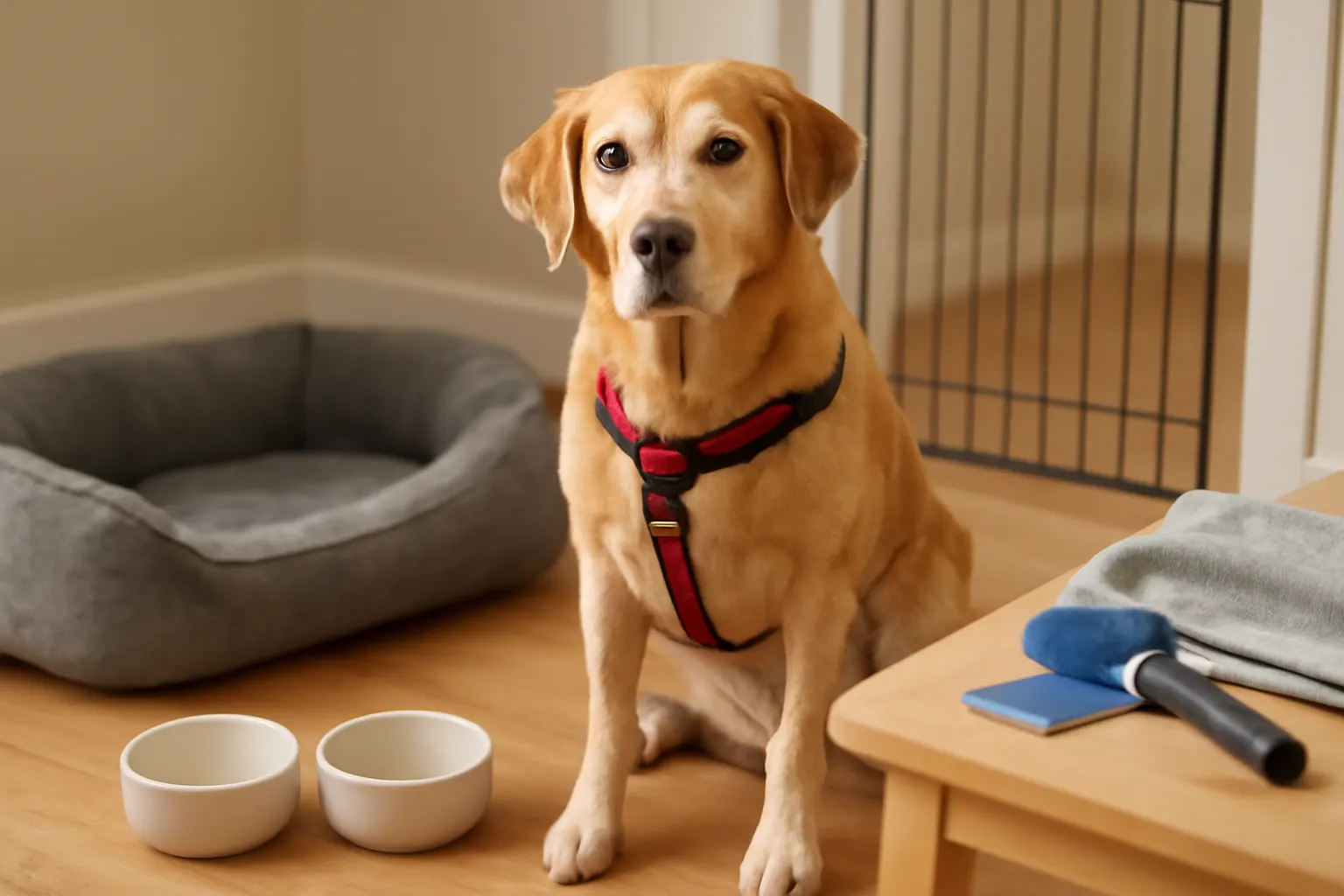
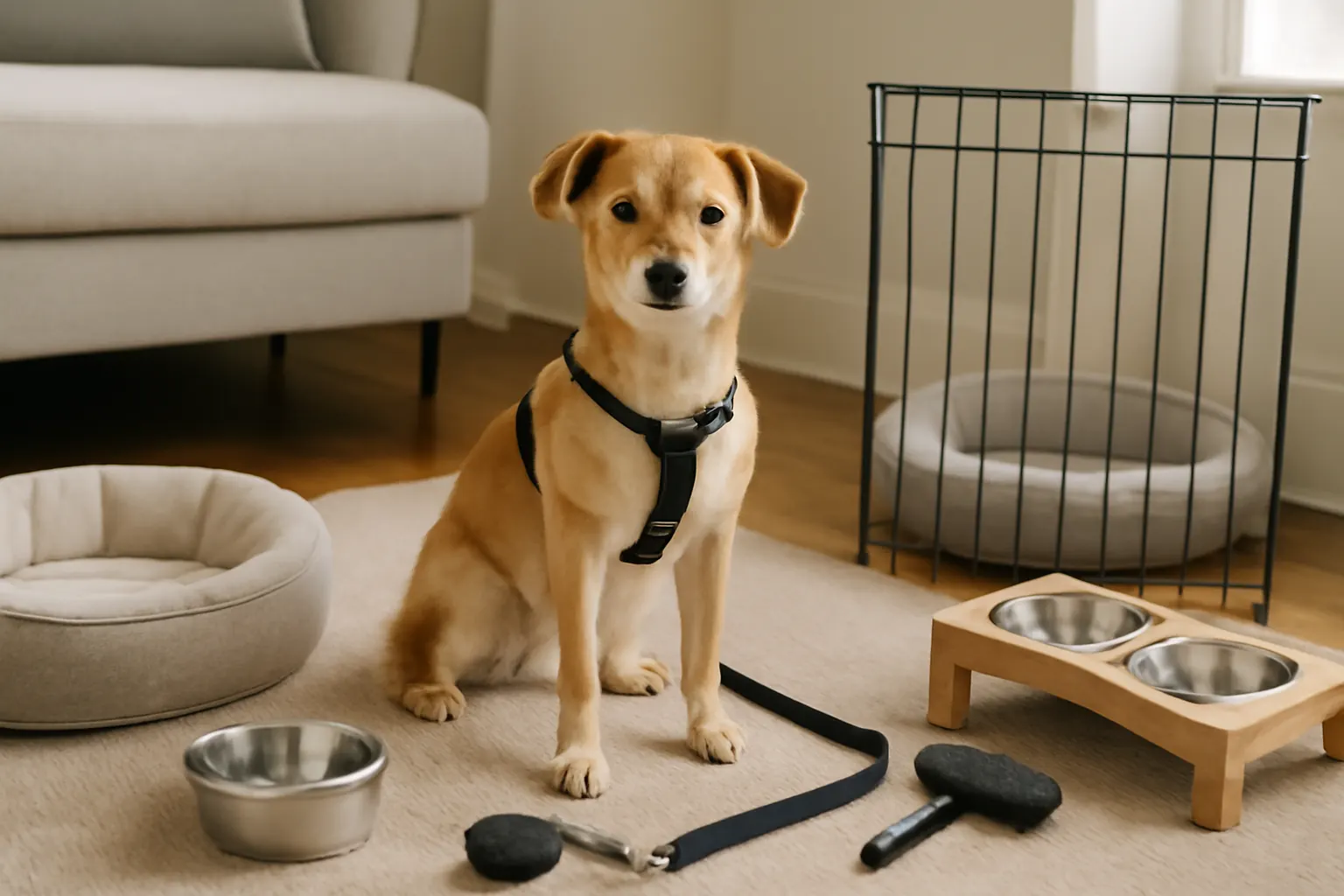
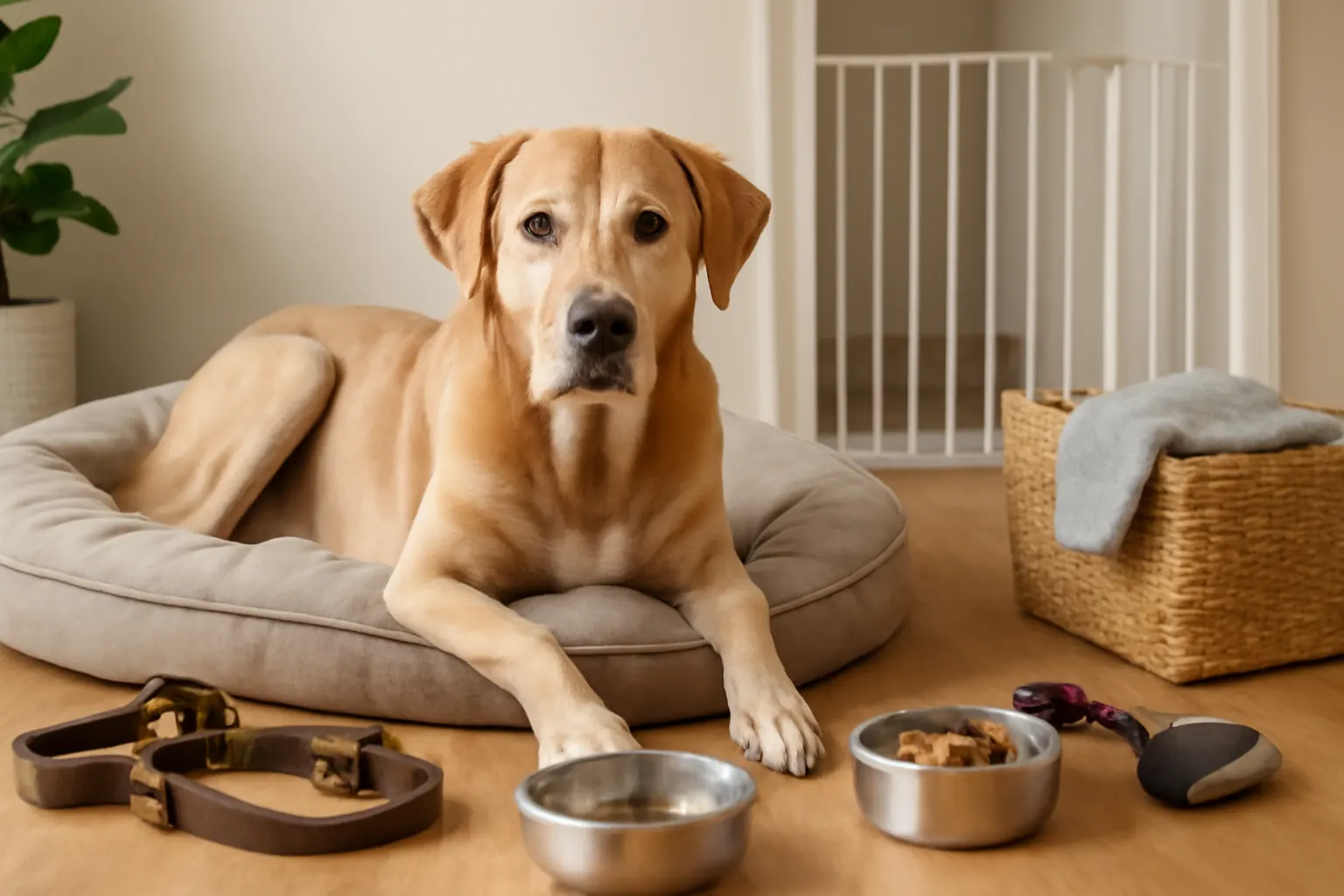
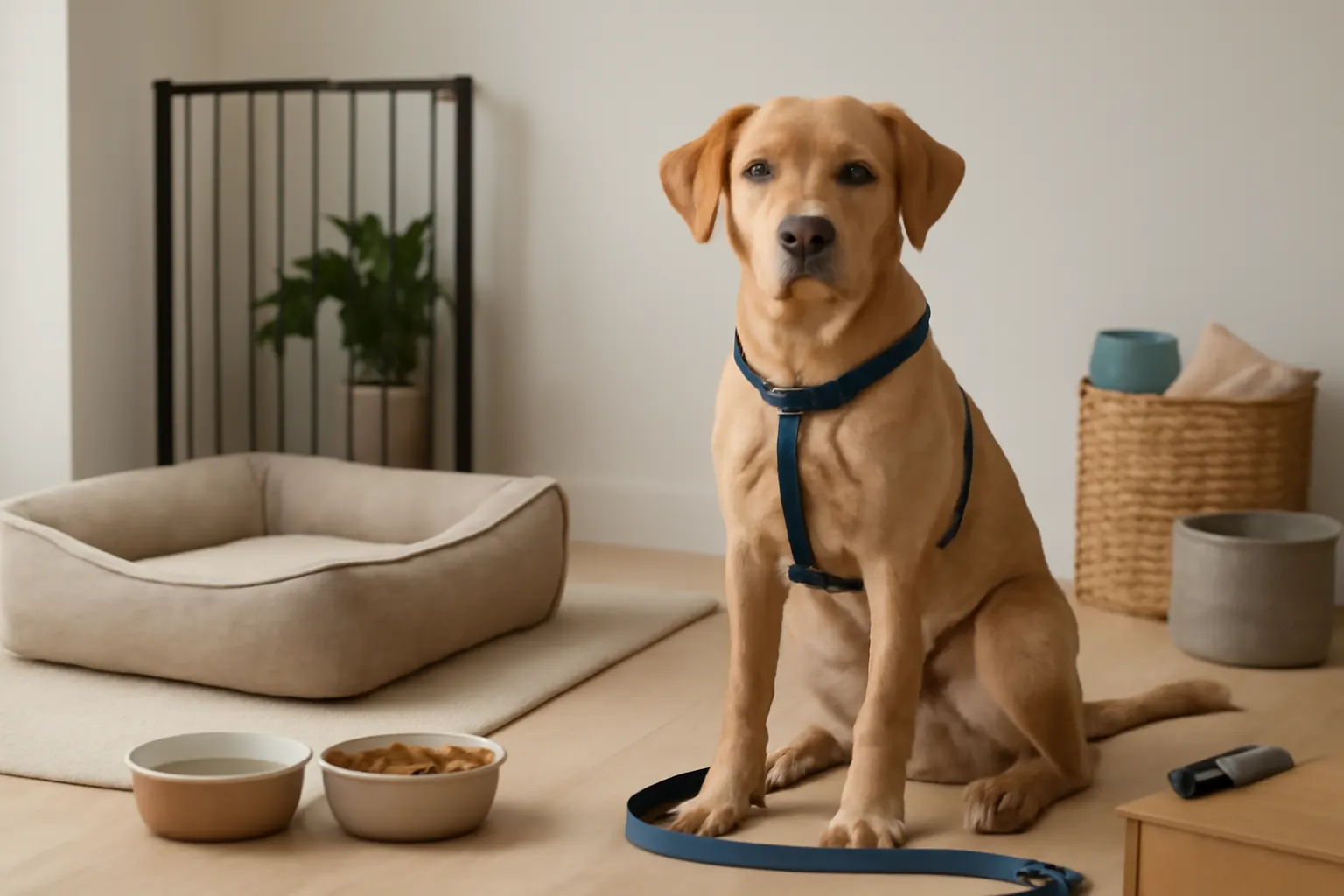
- Create a comfortable space for your dog with a bed or crate.
- Encourage your dog to spend time there with toys or treats.
- Practice brief periods of separation while remaining visible, increasing duration gradually.
- Reward calm behavior when your dog remains in its area alone.
Start with just a few seconds of separation and slowly build up, always pairing alone time with positive experiences like a stuffed KONG or a favorite chew.
3. Avoid Reinforcing Shadowing
Pay attention to your body language and responses — giving attention when your dog follows can encourage the behavior. Instead, reward your dog when it stays relaxed and calm without following.
4. Maintain a Consistent Routine
Dogs thrive on predictability. Establish regular feeding, walking, and play times to reduce anxiety that might lead to shadowing. Incorporate short alone‑time sessions into the day so your dog learns that separations are normal and safe.
5. Use Positive Reinforcement Training
Teaching commands like "stay" or "go to your bed" helps your dog understand when it’s appropriate to remain in one place, supporting healthy boundaries. Clicker training or treat rewards make learning these cues fast and fun.
6. Monitor for Anxiety Signs
If your dog’s shadowing is accompanied by destructive behavior, whining, drooling, or other signs of distress, consider consulting a veterinarian or a certified animal behaviorist for tailored support. Early intervention prevents the behavior from escalating.
Daily Routine for Fostering Independence
Building a predictable schedule helps your dog feel secure without needing to shadow. Try integrating these independence-building moments into your day:
- Morning: After a walk, give your dog a stuffed puzzle toy in a quiet room while you get ready. Gradually increase the time you’re out of sight.
- Midday: Do a few 5‑minute separation sessions. Step into another room, and if your dog remains calm, reward with calm praise or a treat upon returning.
- Afternoon: Have your dog settle on a mat with a long‑lasting chew while you work or do chores. This reinforces that your presence isn’t required for relaxation.
- Evening: After family time, practice sending your dog to its bed or crate with a cue. This ritual signals that it’s time to relax independently.
Common Owner Mistakes to Avoid
- Giving your dog attention every time it shadows, inadvertently encouraging constant following.
- Forcing separation abruptly without gradual desensitization, which may heighten anxiety.
- Ignoring underlying medical or behavioral conditions that may cause clinginess.
- Allowing your dog to follow you into unsafe areas without training a reliable “stay” cue.
Safety Precautions
- If your dog shows sudden or extreme shadowing along with destructive behavior or vocalization, consult a veterinarian to rule out pain or medical issues.
- Never punish your dog for shadowing; this can increase anxiety and damage trust.
- When using a crate or confined area for training, ensure it is a positive space and never used as punishment.
- Gradually increase alone time to avoid triggering panic; consider a professional trainer if the dog panics.
- Ensure your dog's environment is safe from hazards if they tend to follow closely into dangerous areas like hot stoves or stairs.
When to Call a Veterinarian or Behavior Specialist
If your dog’s shadowing behavior is sudden, intense, or accompanied by other worrisome signs such as aggression, excessive vocalization, or destructive activity, professional help is advised. A veterinarian can rule out medical causes and a behavior specialist can guide you through an individualized plan.
Step-by-Step Independence Training Protocol
For owners who need a structured approach, follow this daily protocol to reduce shadowing:
- Week 1: Create a safe space (mat or crate) and pair it with high-value treats. Practice sending your dog there for 30 seconds while you move a few feet away. Reward calm stays.
- Week 2: Increase duration to 1–2 minutes and add distance (leave the room). Return while your dog is still calm and reward.
- Week 3: Mix up durations (30 seconds to 5 minutes) and aspects of the environment (e.g., do chores in another room). Always return before your dog shows stress.
- Ongoing: Use the “go to your place” cue randomly during the day, rewarding calm, independent behavior. Aim for at least three short sessions daily.
Managing canine shadowing requires patience and consistency. By understanding the reasons behind your dog’s behavior and implementing positive training methods, you can foster a secure and independent pet who enjoys companionship without the need to constantly follow you around.
FAQ
How do I start the step-by-step independence training protocol for shadowing?
Begin in week 1 by creating a safe space (mat or crate) and pairing it with high-value treats. Practice sending your dog there for 30 seconds while you move a few feet away, rewarding calm stays. Gradually increase duration and distance over weeks 2–3 as your dog remains calm.
What common mistakes do owners make when trying to stop shadowing?
Giving attention when the dog follows encourages the behavior. Forcing separation too quickly can heighten anxiety. Ignoring medical causes or failing to provide enough exercise and enrichment can also prolong the issue. Always use positive reinforcement and gradual desensitization.
What daily routine helps reduce shadowing behavior?
A morning walk followed by a puzzle toy in a quiet room, midday brief separation sessions, afternoon settle on a mat with a chew, and evening practice of sending your dog to its bed. This routine reinforces independence throughout the day.
Can shadowing be a sign of a medical problem?
Yes. Sudden or extreme shadowing, especially combined with other symptoms like lethargy, appetite changes, or pain behavior, may indicate an underlying medical issue such as vision or hearing loss, cognitive dysfunction, or pain. A veterinary checkup is recommended to rule out physical causes.
When should I consult a professional for shadowing behavior?
If your dog's shadowing is accompanied by clear distress (destruction, whining, panting) when you are out of sight, or if the behavior worsens despite consistent training, seek help from a veterinarian or a certified veterinary behaviorist. Early intervention prevents the behavior from escalating into more serious anxiety disorders.