Rescue & Adoption
Guide to Supporting Senior Rescue Pets for a Healthy, Happy Retirement
Adopting a senior rescue pet brings special rewards and responsibilities. This guide covers essential steps to support their health and happiness in their golden years, including detailed care strategies, common mistakes to avoid, and when to seek veterinary help.
Why Adopt a Senior Rescue Pet?
Senior rescue pets often face longer stays in shelters and rescues due to misconceptions about their care requirements. Adopting a senior pet can be uniquely rewarding, offering companionship to animals who might otherwise remain without a home. Understanding their specific needs ensures you provide a loving and healthy retirement for your new friend.
Older pets bring unique personalities and a deep appreciation for a calm, caring environment. Choosing to adopt a senior pet not only gives them a second chance but can also be a fulfilling experience as they often settle quickly and bond closely with their new families. Many adopters find these pets to be less demanding and more grateful, adding joy and comfort to their lives.
Preparing for Your Senior Rescue Pet
Before adoption, it is important to consider your current lifestyle and the pet’s requirements. Senior pets may have health concerns or need medication, so being prepared to accommodate these needs is key. Careful preparation helps create a safe and welcoming environment, making the transition smoother for both of you.
Readers may also find Essential Guide to Preventing Pet Poisoning at Home: Keeping Your Pets Safe from Common Household Hazards, A Practical Guide to Understanding and Managing Canine Resource Guarding, and Effective Litter Box Management: An Essential Guide for Cat Owners useful. For more stories like this, browse our Product Guides section.
- Assess your home environment: Ensure safety and easy access by minimizing hazards such as slippery floors, loose rugs, or stairs. Consider adding non-slip mats and handrails or ramps to help your pet move easily. Removing clutter and creating clear walking paths prevents accidents.
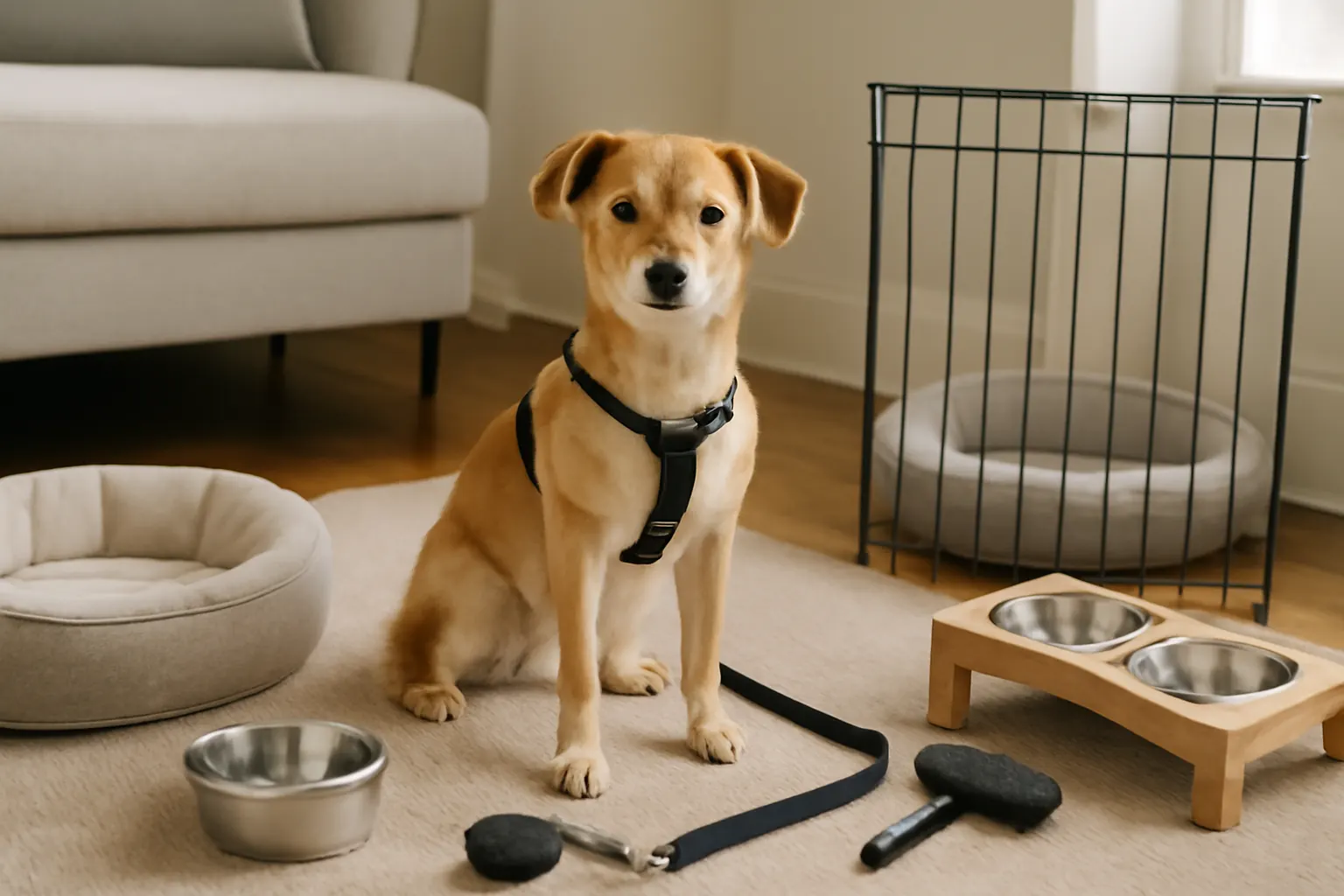
- Gather supplies thoughtfully: Invest in larger orthopedic beds to support joints, raised feeding bowls for comfort, easy-to-clean feeding areas, ramps or steps to favorite spots like couches or beds, and night lights to aid mobility in low light conditions. These adjustments improve your pet’s quality of life and comfort.
- Plan for veterinary care: Schedule a comprehensive wellness exam shortly after adoption to identify any health issues and develop a care plan. Discuss diet, exercise, dental hygiene, and medications specific to your pet’s needs. Establish a regular schedule for check-ups and vaccinations.
- Prepare mentally: Be patient, and ready to offer extra love and quiet spaces to help your senior pet adjust smoothly to their new home. Understand that some behavioral quirks or anxieties may take time to resolve.
Step-by-Step Guide for a Smooth Adoption Transition
Transitioning to a new home can be particularly stressful for senior pets who may be set in their habits and sensitive to change. Here are practical steps to ease this process:
- Set up a quiet sanctuary: Designate a calm, comfortable area away from household noise where your pet can feel safe and gradually explore at their own pace. Equip it with familiar toys, bedding, and water.
- Maintain consistent routines: Establish predictable feeding, walking, and play schedules. Predictability helps reduce stress and builds trust. Avoid sudden changes in routine unless necessary.
- Gradual social introductions: Slowly introduce family members and other pets over several days or weeks to prevent overwhelm. Monitor all interactions closely, and use calming aids like pheromone diffusers if necessary.
- Positive reinforcement training: Use treats, praise, and gentle encouragement to reward calm and confident behavior. Gentle training helps your pet adjust and feel secure in their new environment.
- Monitor closely: Observe your pet for signs of stress or discomfort. Adjust the pace of introductions and activities based on their reactions, providing extra support or breaks as needed.
- Document changes: Keep a diary of diet, behavior, and health to share with your veterinarian and track progress.
Common Health Considerations for Senior Pets
As pets age, their health needs become more complex and require regular monitoring. Proactive care supports their comfort and longevity.
- Nutrition: Senior pets benefit from diets formulated to support joint health, maintain healthy weight, and address specific conditions such as kidney or liver issues. Consult your veterinarian for dietary recommendations tailored to your pet, and avoid abrupt diet changes.
- Exercise: Gentle, regular activity adapted to your pet’s ability improves mobility and mental stimulation without overexertion. Activities like short walks, gentle play, and interactive toys help maintain muscle tone and mental health.
- Medication management: If your pet requires medication, use organizers and establish a strict schedule to ensure consistent dosing and monitor for side effects. Set reminders to avoid missed doses.
- Dental care: Regular teeth cleaning prevents oral diseases, which are common in senior pets and can affect overall health. Ask your vet about professional cleanings and at-home dental care products suitable for your pet.
- Behavioral changes monitoring: Changes in appetite, energy levels, bathroom habits, or mood may signal underlying medical issues. Prompt veterinary attention is essential to catch and treat problems early.
- Pain management: Many senior pets suffer from arthritis or other chronic pain conditions. Work with your veterinarian to develop a pain relief plan using medications, supplements, or physical therapy.
Common Mistakes to Avoid When Caring for Senior Rescue Pets
- Rushing the adjustment period: Senior pets need time to acclimate. Forcing interactions or new activities too quickly can cause stress and setbacks. Allow them to explore and build trust at their own pace.
- Ignoring subtle health indicators: Limping, reluctance to climb stairs, or changes in behavior may indicate pain or illness. Regularly observing your pet’s movements and habits helps detect issues early.
- Overfeeding or improper diet: Avoid giving table scraps and high-calorie treats that can lead to obesity, worsening joint, heart, or metabolic problems. Portion control and vet-recommended diets are essential.
- Skipping regular veterinary visits: Routine wellness exams catch emerging health issues early and ensure your pet’s care plan stays current. Vaccinations, dental care, and blood work are important components of senior pet health.
- Neglecting dental hygiene: Poor oral health can lead to pain, infection, and systemic disease, impacting quality of life and longevity.
- Failing to adapt environment: Not modifying your home to support mobility and safety can increase risk of injury or reduce your pet’s independence and happiness.
When to Consult Your Veterinarian
Immediate veterinary attention is necessary if your senior pet exhibits any of the following:
- Sudden or severe pain, excessive vocalizing, or limping.
- Difficulty breathing, persistent coughing, or choking.
- Loss of appetite lasting more than 24 hours.
- Vomiting, diarrhea lasting over a day, or signs of dehydration such as sunken eyes or lethargy.
- Sudden behavioral changes such as increased aggression, confusion, disorientation, or lethargy.
Routine concerns or gradual changes should also be discussed during scheduled veterinary visits. Early intervention can greatly improve outcomes and comfort for senior pets.
Helping Your Senior Rescue Pet Thrive
With patience, care, and understanding, senior rescue pets can enjoy a comfortable and fulfilling life with you. Their loyalty and gratitude often make this stage of adoption especially meaningful. By following these guidelines, maintaining open communication with your veterinarian, and tailoring care to your pet’s changing needs, you give your new companion the best opportunity for a happy, healthy retirement filled with love and dignity.
FAQ
What special care do senior rescue pets need compared to younger pets?
Senior rescue pets often require orthopedic bedding, gentle exercise, specialized diets for joint and organ health, regular veterinary check-ups to monitor age-related conditions, and a quiet environment to help reduce stress during transition.
How can I tell if my senior rescue pet is in pain or discomfort?
Signs include limping, decreased activity, reluctance to climb stairs, changes in appetite or behavior, restlessness, or increased vocalization. Consulting a veterinarian for assessment and pain management options is important if these signs appear.
Is it expensive to care for a senior rescue pet?
While senior pets may have increased veterinary and medication costs, proactive health care, proper nutrition, and preventive measures can reduce long-term expenses. The emotional rewards often outweigh financial considerations.
How can I help my senior rescue pet adjust to a new home?
Provide a quiet, safe space, maintain consistent routines, introduce new family members and pets gradually, use positive reinforcement to build confidence, and be patient as they acclimate.
What are common mistakes to avoid when caring for a senior rescue pet?
Common mistakes include rushing the adjustment period, ignoring subtle signs of discomfort or illness, overfeeding or improper diet, neglecting dental care, and skipping routine veterinary exams.