Rescue & Adoption
First-Time Shelter Pet Adoption: Your Complete Preparation Guide
Adopting a pet from a shelter is a rewarding experience. This guide provides practical advice to help new owners prepare for the adoption and support their new companion’s adjustment journey, including common mistakes to avoid.
Adopting a pet from a shelter is a wonderful way to give a deserving animal a second chance at a happy life. However, welcoming a shelter pet into your home requires thoughtful preparation and understanding to ensure the transition is smooth and comfortable for both you and your new companion. This guide focuses on first-time adopters, offering step-by-step advice to set you and your pet up for success.
Preparing Your Home Before Bringing Your New Pet Home
Before your pet arrives, create a safe and welcoming environment. Here’s how:
- Pet-proof your space: Remove toxic plants, small objects that can be swallowed, and chemicals. Secure trash cans and hide electrical cords. Block off areas that are off-limits.
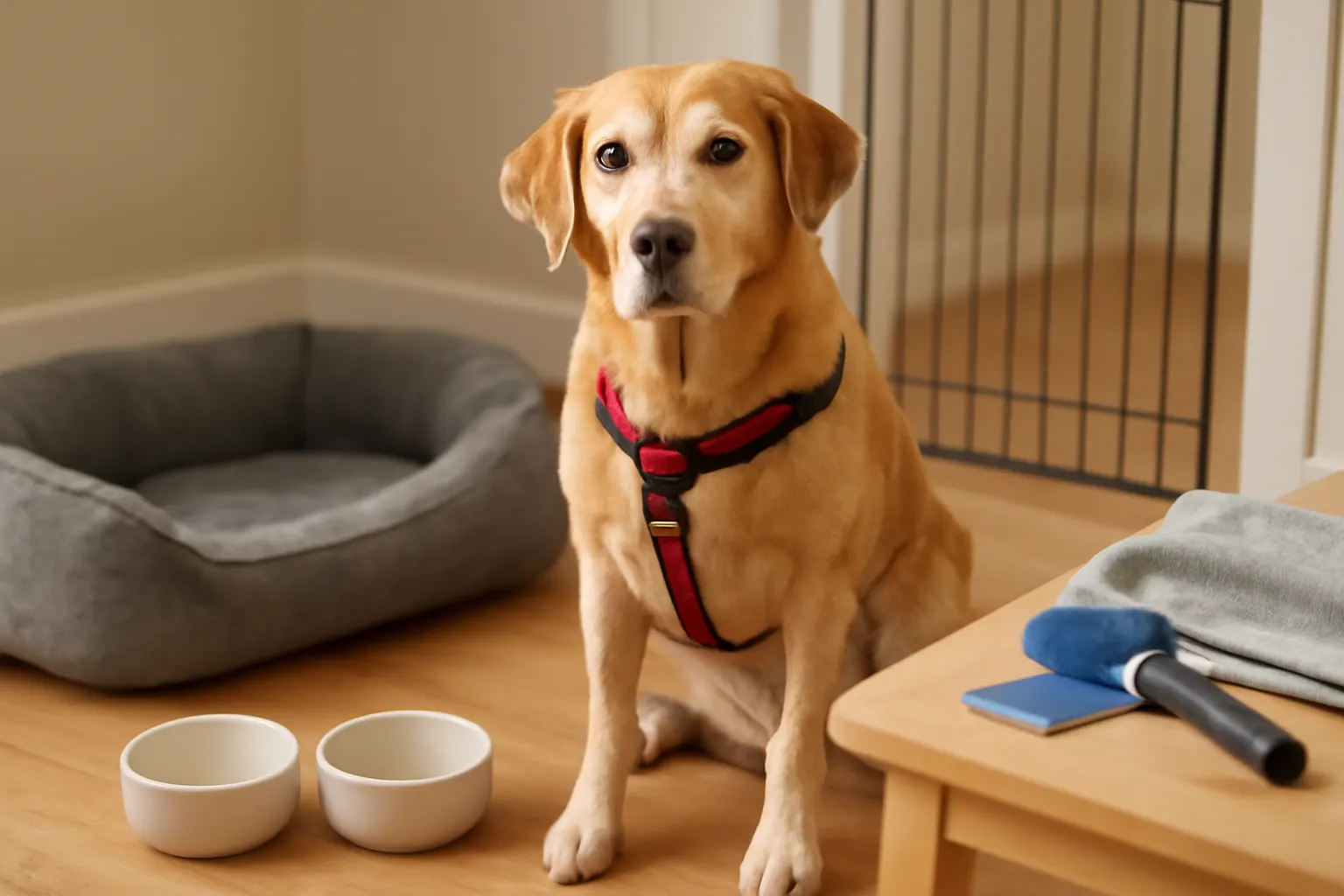
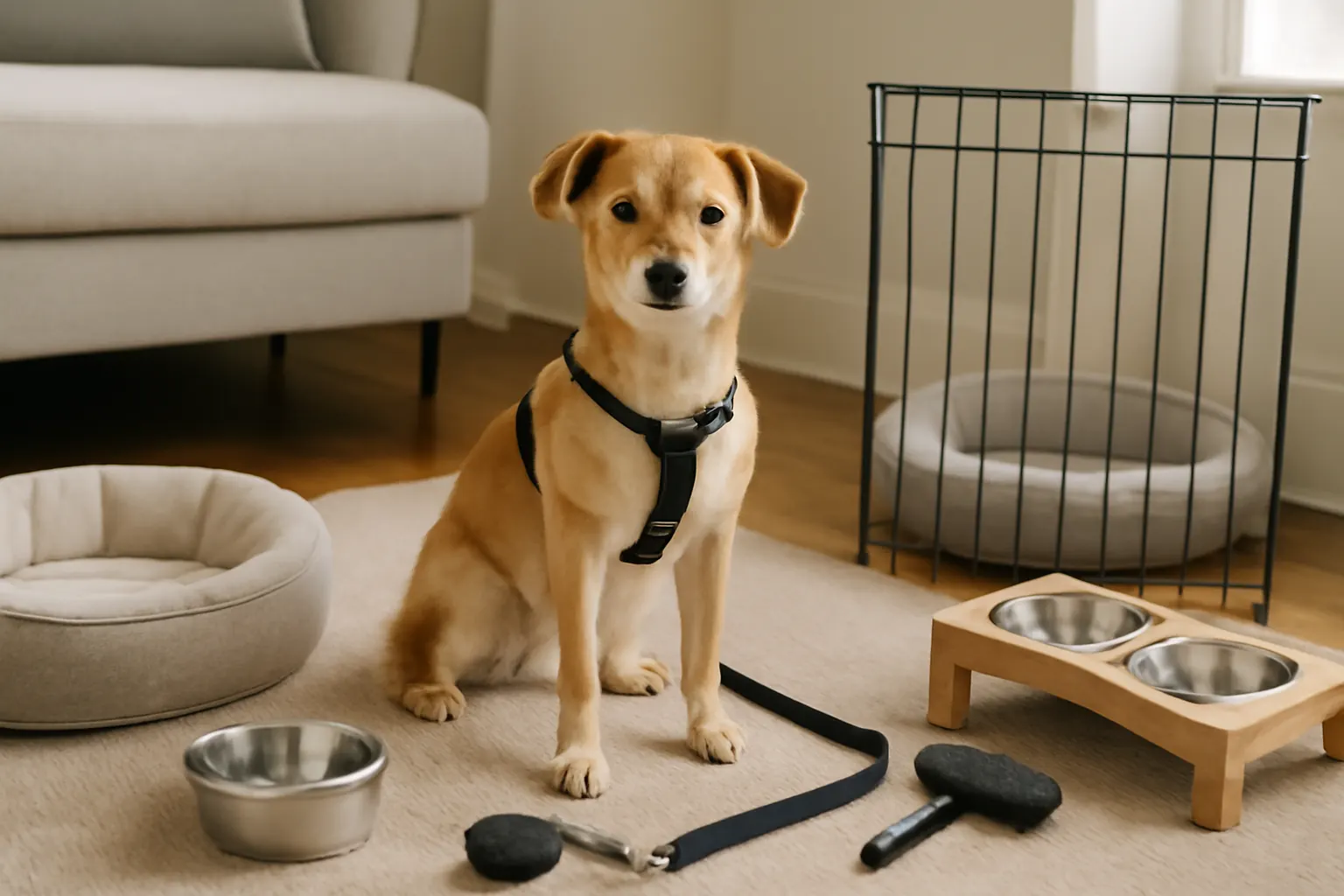
- Gather essential supplies: Have food and water bowls, a comfortable bed, appropriate toys, a collar with ID tags, a leash, and a crate or carrier ready.
- Designate a quiet safe area: Set up a room or corner with their bed, food, and water where they can retreat and feel secure during the first few days.
The First 24 Hours: What to Expect and How to Act
The first day home is crucial. Keep things calm and predictable.
- Limit exploration: Introduce your pet to one room first, then gradually expand access over a few days.
- Stick to the shelter’s routine: Feed the same food at the same times and use similar potty schedules to minimize stress.
- Allow hiding: If your pet hides, don’t force interaction. Let them come to you at their own pace.
- No visitors: Avoid having guests or other pets meet your new pet until they’ve had at least 24–48 hours to settle.
Understanding Your New Shelter Pet’s Needs
Animals from shelters may have experienced trauma or change which can affect their behavior. Being patient and informed will help them settle in more comfortably.
- Give time to adjust: Shelter pets often need days or weeks to feel secure. Avoid overwhelming them with visitors or sudden changes.
- Establish routines: Feeding, walking, and playtime routines promote a sense of security and predictability.
- Observe behavior closely: Watch for signs of stress such as hiding, shaking, or aggression and respond calmly and positively.
Common Challenges for New Shelter Pet Owners
While many adoptions go smoothly, some new pet owners encounter challenges. Awareness helps you manage these better.
- Separation anxiety: Your pet might become anxious when alone. Gradually increase alone time and provide comfort through toys or background noise.
- House training setbacks: Previous shelter conditions can affect training. Be patient and consistent with positive reinforcement.
- Socialization needs: Shelter pets may need time to get used to other pets and people. Introduce introductions gradually and under supervision.
Mistakes to Avoid When Adopting a Shelter Pet
Even with the best intentions, new adopters can make mistakes that hinder their pet's adjustment. Avoid these common pitfalls:
- Not pet-proofing beforehand: A home that isn't pet-proofed can lead to accidents or ingestion of harmful objects. Check everything before arrival.
- Overwhelming the pet immediately: Too many visitors, loud noises, or a busy schedule in the first few days can stress your new pet. Allow a quiet adjustment period.
- Skipping the first vet visit: Even if the shelter provided vaccinations, a thorough checkup within the first week identifies hidden health issues and sets up preventive care.
- Changing diet or routine too quickly: Stick to the same food the shelter used for at least a week, then transition gradually. Keep feeding and walk times consistent at first.
- Using punishment-based training: Shelter pets may already be anxious. Use positive reinforcement to build trust and encourage good behavior.
When to Consult a Veterinarian or Behavior Expert
While routine vet visits are necessary after adoption, watch for signs that might require additional professional support:
- Persistent fear or aggression beyond initial adjustment
- Repeated health issues such as vomiting, diarrhea, or lethargy
- Signs of pain or injury
Consult your veterinarian promptly to address health concerns and seek behaviorists for training or anxiety issues.
Additional Tips for a Successful Adoption Journey
- Patience is key — building trust takes time.
- Use positive reinforcement techniques to encourage good behavior.
- Maintain regular veterinary care and vaccinations.
- Connect with support groups for adopters to share experiences and gain advice.
Embracing a shelter pet means offering love, stability, and patience while they transition to their new life. With careful preparation, avoiding common mistakes, and understanding, you can forge a lasting and rewarding bond with your new furry friend.
FAQ
How long does it usually take for a shelter pet to adjust to a new home?
Adjustment times vary per animal, but many shelter pets begin to feel comfortable within a few days to a few weeks. Patience and consistent routines help speed this process.
What should I do during the first 24 hours with my new shelter pet?
Keep the environment calm and limited. Introduce one room at a time, stick to the shelter’s feeding and potty schedule, allow hiding without pressure, and avoid visitors for at least the first 48 hours.
When should I take my newly adopted pet to the veterinarian?
Ideally, schedule a vet visit within the first few days after adoption to ensure your pet’s health, update vaccinations, and discuss any concerns. This also establishes a baseline for care.
How can I help my shelter pet if they show signs of anxiety?
Provide a quiet safe space, maintain a consistent routine, use positive reinforcement, and consider gradual desensitization to new experiences. If anxiety persists, consult a veterinarian or certified behaviorist.