safety
Protecting Your Dog from Heatstroke: Essential Summer Safety Tips
As temperatures rise, protect your dog from heatstroke with practical, detailed advice on hydration, cooling methods, grooming, exercise, and emergency steps to ensure their safety all summer long.
As the sun shines brighter and temperatures climb, our furry friends become increasingly vulnerable to heat-related illnesses like heatstroke. This dangerous condition occurs when a dog's body temperature rises to a potentially fatal level, often due to prolonged exposure to heat or excessive physical activity in warm conditions. Understanding the causes, recognizing symptoms, and implementing preventive measures are crucial for safeguarding your dog's health during the hot summer months.
Recognizing Heatstroke in Dogs
Heatstroke is a medical emergency requiring immediate attention. Dogs are particularly susceptible because they primarily cool down through panting and only have sweat glands on their paw pads. Recognizing the signs early is life-saving. Common symptoms include:
- Excessive panting and difficulty breathing
- Drooling or foaming at the mouth
- Red, pale, or bluish gums and tongue
- Vomiting or diarrhea
- Disorientation, incoordination, or staggering
- Collapse or unconsciousness
If you notice any of these symptoms, move your dog to a cool, shaded area immediately, offer small amounts of water, and contact your veterinarian or an emergency animal clinic right away. Delays in treatment can lead to organ failure and death.
Preventing Heatstroke: Practical Owner Guidance
Preventing heatstroke involves vigilance and practical steps to keep your dog cool, hydrated, and safe. Here are detailed, actionable tips to help you protect your dog:
Ensure Constant Hydration
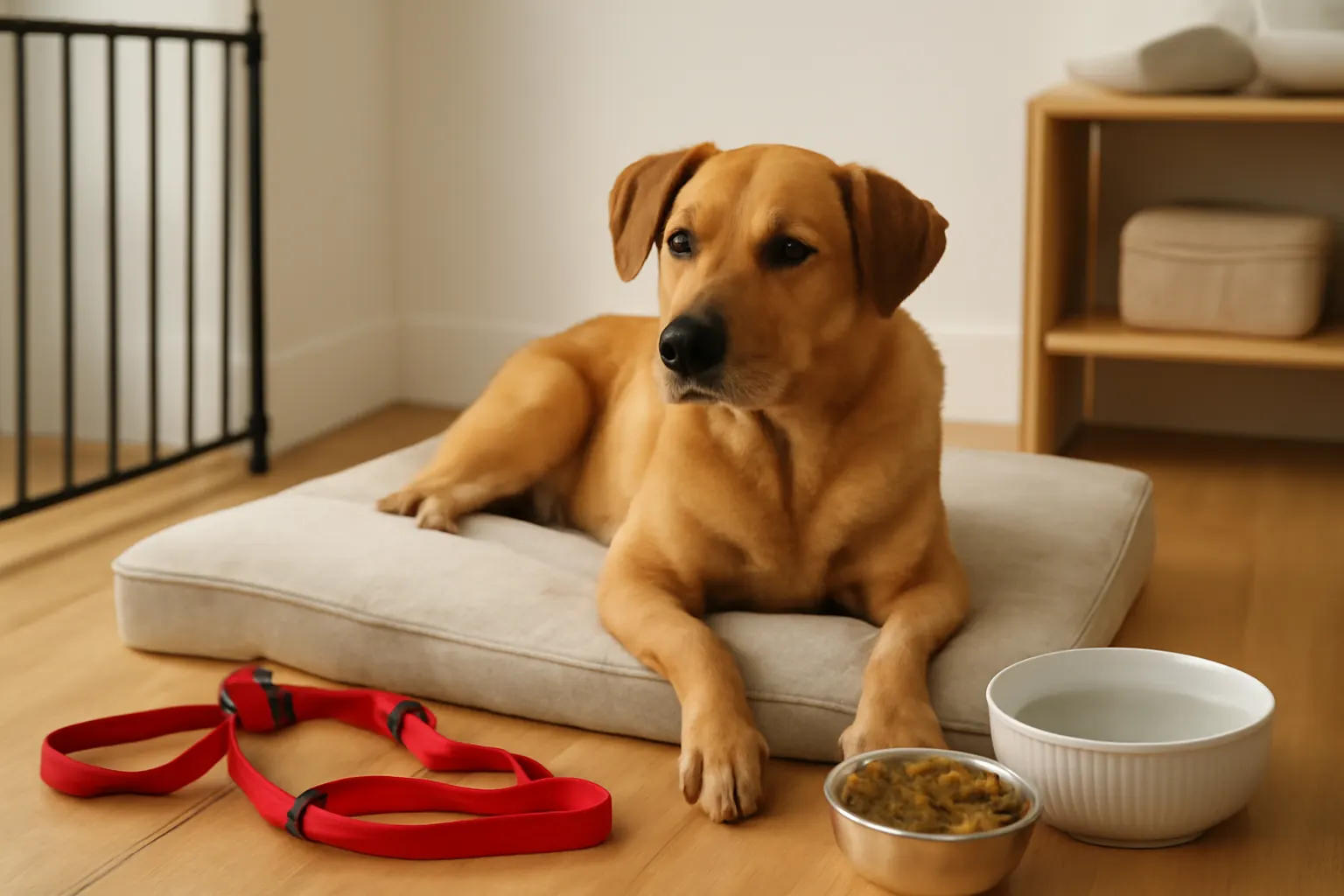
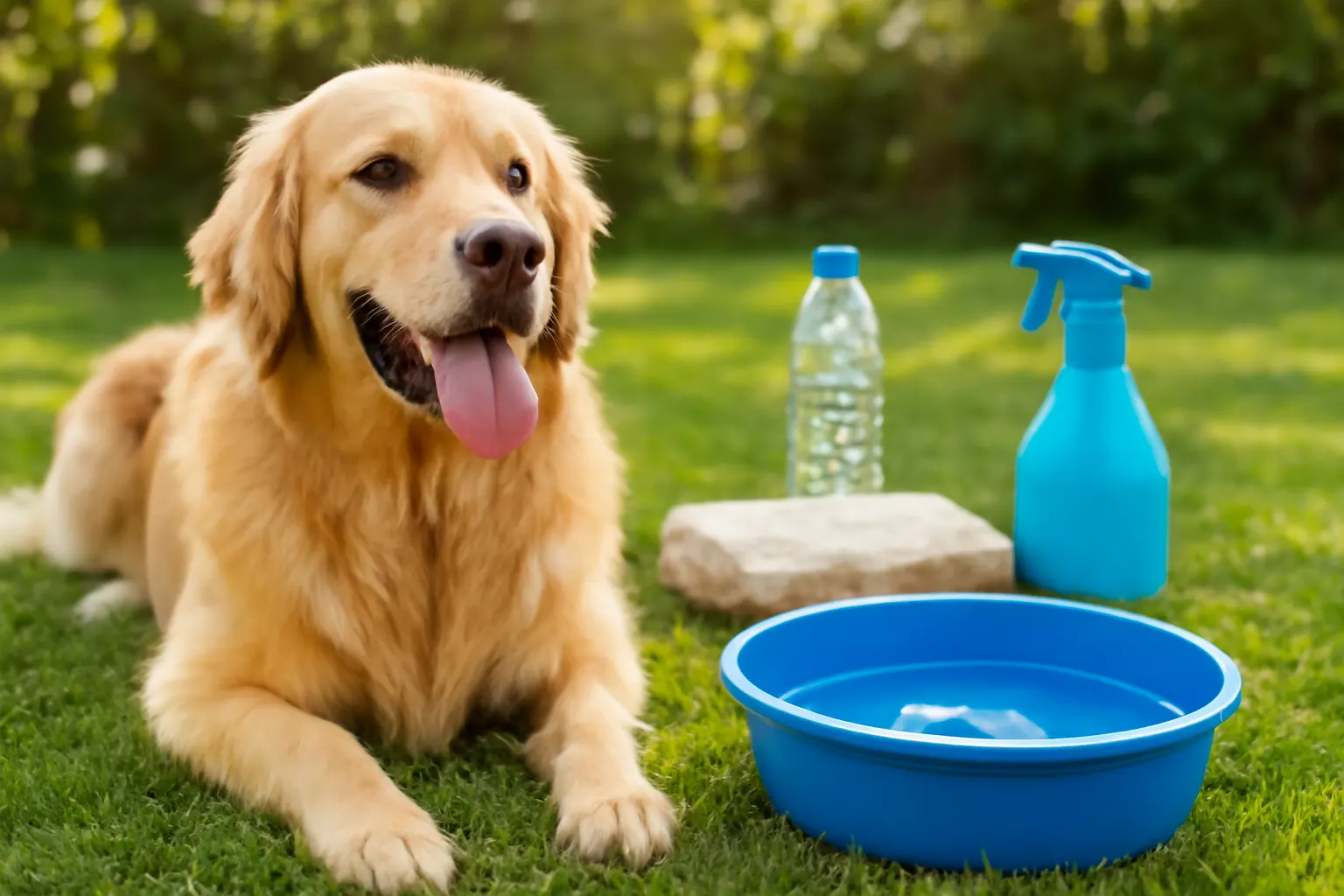
Fresh, cool water should be available at all times. Dogs quickly become dehydrated in hot weather, increasing heatstroke risk. Place multiple water bowls around your home and yard. Adding ice cubes or freezing broth into ice cubes can encourage drinking. If your dog isn’t drinking enough water, try offering water-infused treats or low-sodium broth. For outdoor activities, bring portable water bottles and collapsible bowls to keep your dog hydrated. Monitoring your dog's water intake daily helps catch early signs of dehydration, which can exacerbate heat risks. (Petco)
Modify Exercise Schedules
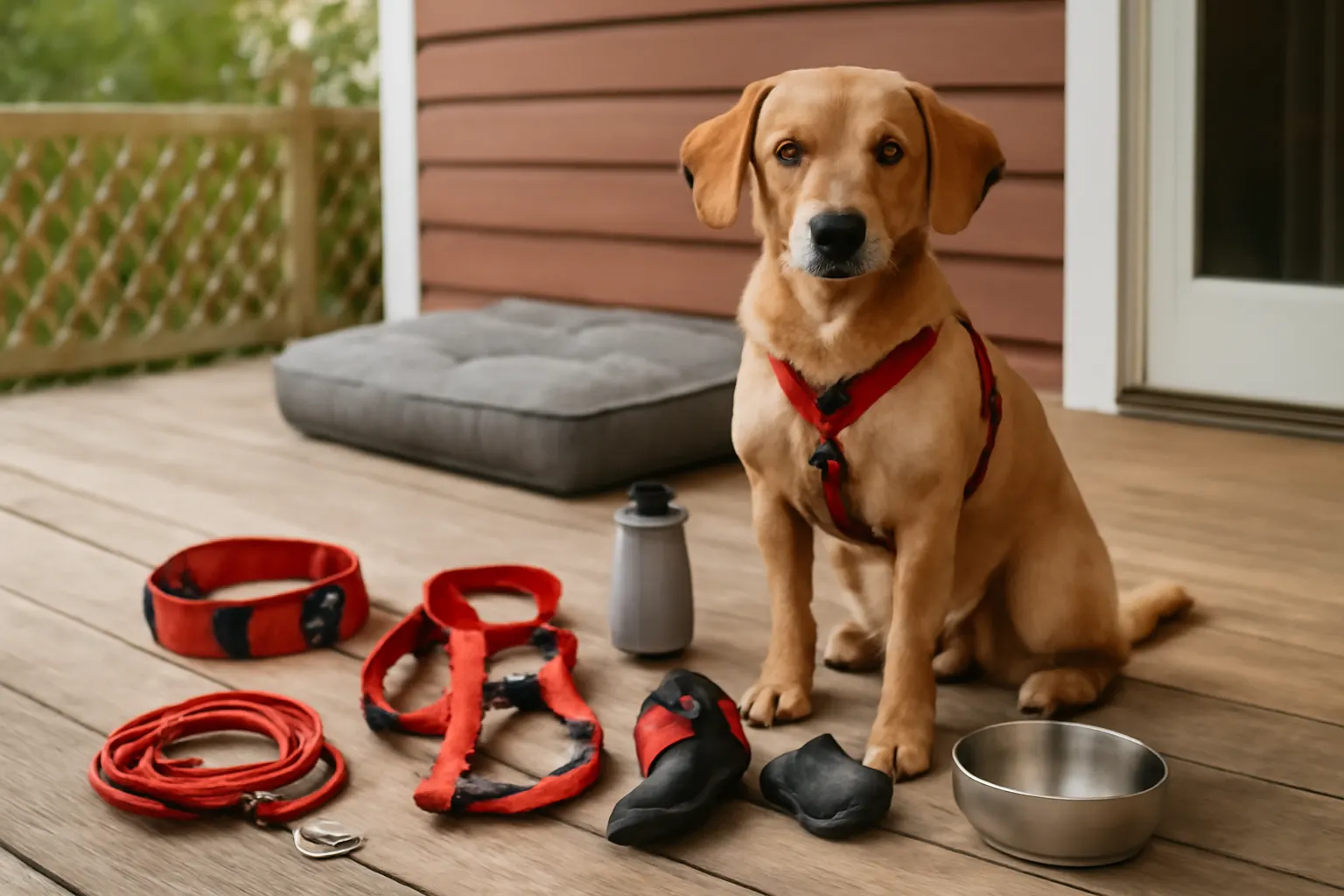
Avoid walks and strenuous activity during peak heat hours, typically 10 a.m. to 4 p.m. Instead, exercise your dog early in the morning or late in the evening when temperatures are cooler. Always carry water during walks. Check pavement temperature by placing your hand flat on the surface for 10 seconds—if it’s too hot for your hand, it’s too hot for your dog’s paws. Prefer grassy or shaded areas for exercise. Consider swimming as a low-impact, cooling activity if your dog enjoys water. If your dog shows early signs of fatigue or excessive panting, immediately stop the activity and move to a cooler environment. (Blue Cross)
Use Cooling Products and Create Cool Environments
Cooling mats, bandanas, vests, and collars soaked in cold water help reduce body temperature. Fans and air conditioning provide effective indoor cooling. Outdoor options include shaded areas and shallow kiddie pools where dogs can safely splash and cool down. Rotate your dog’s resting spots between shade and cool surfaces like tiled floors. Avoid overcooling; provide warmth and monitor your dog’s comfort. Set up multiple cool zones at home where your dog can retreat at will. (Petco)
Practice Regular Grooming with Care
Groom regularly to remove excess or matted fur that traps heat and impedes airflow to the skin. However, avoid shaving your dog completely. Their coat protects against sunburn and helps regulate body temperature. Keep nails trimmed to prevent discomfort on hot pavement. For long-haired breeds, professional grooming advice can tailor trimming to their needs. Remember to brush your dog daily to prevent matting, which can increase heat retention. Pay particular attention to ear and belly fur, where heat can build up. (PetsRadar)
Never Leave Dogs in Parked Cars
Temperatures inside vehicles can rise rapidly to fatal levels, even with windows cracked open. This is a leading cause of heatstroke deaths. If you cannot take your dog with you, arrange for their care or leave them safely at home. Never assume a quick stop is safe—minutes can prove deadly. (PetMD)
Consider Breed and Health Risks
Be extra cautious with brachycephalic breeds (such as Bulldogs, Pugs, and Boxers), overweight dogs, older dogs, and those with thick coats or respiratory issues. These dogs are more vulnerable to heatstroke and may require special precautions like shorter walks, additional cooling aids, or avoiding heat exposure altogether. Consult your veterinarian for personalized advice tailored to your dog’s specific health needs.
Common Mistakes to Avoid
- Underestimating Heat Risks: Even brief outdoor exposure or short car rides in hot weather can be fatal. Always err on the side of caution.
- Ignoring Breed Differences: Different breeds have varying heat tolerance; customize precautions accordingly.
- Overexertion: Frequent breaks during exercise are essential. Watch for signs of fatigue or overheating to prevent heatstroke.
- Inadequate Hydration: Don’t assume your dog drinks enough water on their own; encourage regular hydration in multiple ways.
- Shaving Improperly: Avoid completely shaving your dog, which removes natural protection. Instead, focus on regular grooming.
- Leaving Dogs in Cars: Never leave your dog unattended in vehicles during warm weather, even for short periods.
Step-by-Step Owner Guidance in a Heat Emergency
- Move your dog to a cooler area immediately, preferably indoors or in shade.
- Offer small sips of cool water but do not force drinking.
- Apply cool, wet towels to your dog’s body, focusing on paws, belly, and armpits. Avoid ice-cold water or ice packs directly, which may cause shock.
- Use a fan to help cool your dog or place them on a cool surface such as tiled floor.
- Contact your veterinarian without delay for emergency guidance and treatment.
- Monitor your pet closely until you reach professional care.
- If vomiting or seizures develop, keep your dog safe from injury and inform your vet immediately.
When to Consult a Veterinarian
If your dog exhibits any signs of heatstroke, seek emergency veterinary care immediately, even if symptoms appear mild. Your vet can provide critical treatments like intravenous fluids, oxygen therapy, and cooling interventions to prevent lasting organ damage. After recovery, discuss preventive strategies tailored to your dog’s health and lifestyle, especially for at-risk breeds. Early professional intervention greatly increases survival and recovery chances.
Additional Practical Tips for Owners
Monitor the Weather: Always check local heat indexes before planning outdoor activities. On extreme heat days, limit outdoor exposure to essential needs only.
Adapt Indoor Environments: Use blackout curtains during the hottest parts of the day to reduce indoor temperature. Keep fresh water within easy reach, and ensure good airflow in the home.
Watch for Delayed Symptoms: Some dogs may develop heatstroke symptoms hours after heat exposure. Continue monitoring your dog’s behavior and appetite post-exposure.
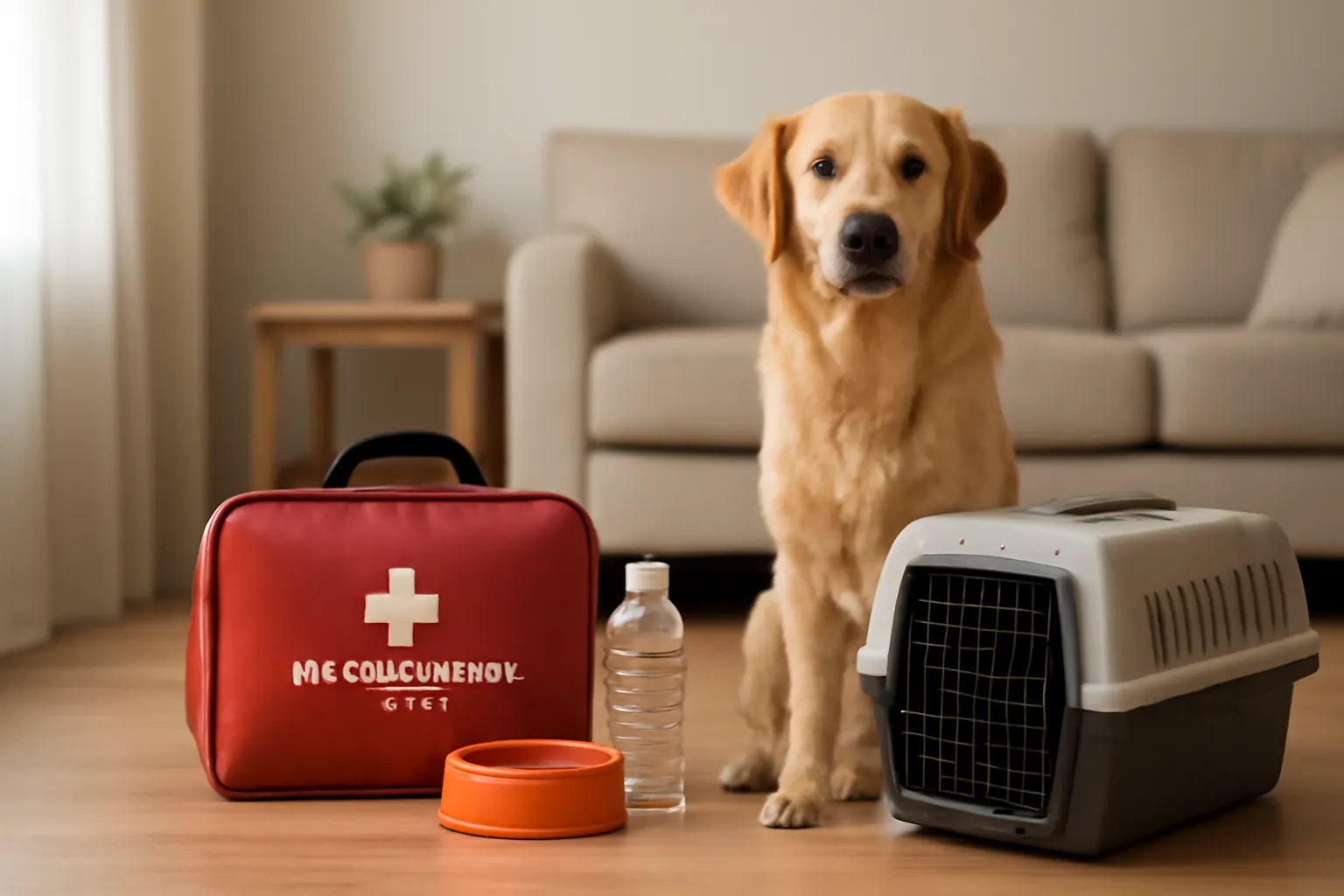
Create a Heatstroke Emergency Kit: Include items like a thermometer for dog temperature, cooling towels, electrolyte solutions recommended by your vet, and contact numbers for emergency clinics.
Conclusion
Attentiveness and proactive care are the best defenses against heatstroke during warm months. By ensuring constant hydration, modifying exercise routines, leveraging cooling products, grooming correctly, recognizing early symptoms, and avoiding dangerous situations like leaving dogs in hot cars, you can protect your canine companion from the hazards of extreme heat. Adding practical measures like weather monitoring and having an emergency kit further enhances safety. With informed vigilance, your dog can enjoy summer safely and comfortably.
FAQ
What are the early signs of heatstroke in dogs?
Early signs include excessive panting, drooling, red or pale gums, vomiting, diarrhea, disorientation, and staggering.
How can I prevent my dog from overheating during summer walks?
Walk during cooler parts of the day, bring water, avoid hot pavement, and watch for signs of fatigue or distress.
Is it safe to shave my dog to keep them cool?
Completely shaving your dog is not recommended as their coat protects against sunburn and aids temperature regulation. Regular grooming to remove mats and excess fur is better.
What should I do if I suspect my dog has heatstroke?
Move your dog to a cooler area immediately, offer small sips of water if they can swallow, and seek veterinary care urgently.
Are some dog breeds more at risk for heatstroke?
Yes, brachycephalic breeds (like Bulldogs and Pugs), overweight dogs, and long-haired breeds are more susceptible and require extra precautions.