safety
Comprehensive Guide to Safeguarding Your Pet During Emergencies and Product Recalls
This detailed guide offers actionable steps, common pitfalls to avoid, and professional advice to help pet owners safeguard their pets during emergencies and product recalls effectively and confidently.
Understanding the Critical Need for Pet Safety in Emergencies and Product Recalls
Pets are cherished family members, equally vulnerable during emergencies and health threats. Natural disasters like hurricanes, wildfires, floods, or sudden recalls of pet food and related products can abruptly jeopardize their safety and health. Early preparation and informed response can substantially reduce risks, protecting your pet during these high-stress situations.
Step 1: Developing a Comprehensive Emergency Preparedness Plan for Your Pet
Effective emergency plans must be customized to your pet’s specific needs and lifestyle. Consider this detailed approach:
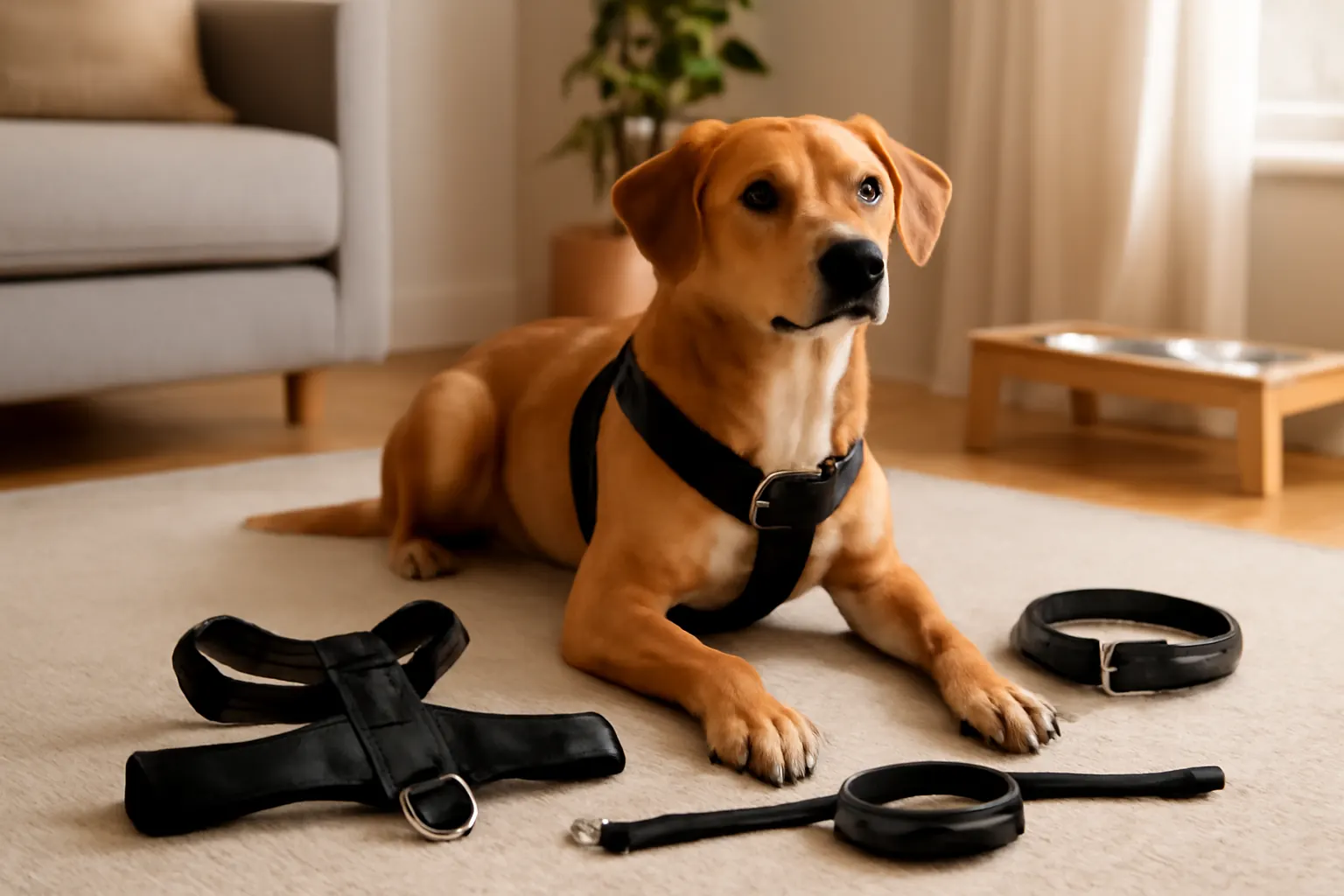
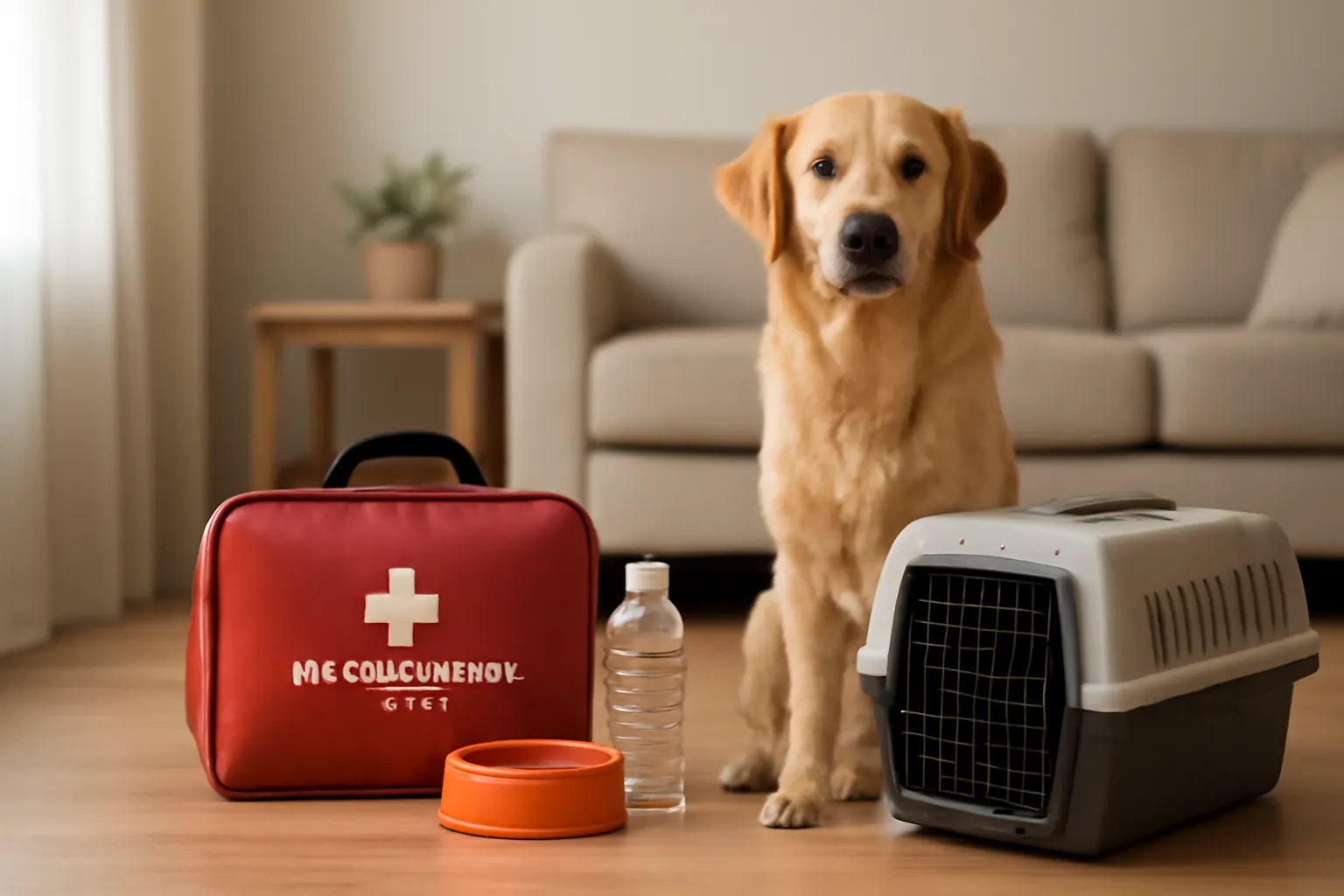
- Assemble a Pet Emergency Supply Kit: Stock at least 7 to 14 days’ worth of your pet’s usual food and clean water. Include current medications accompanied by clear dosage instructions. Don't forget copies of veterinary records documenting vaccinations, medical conditions, and treatments. Add essentials such as a secure leash or harness, waste disposal bags, and collapsible bowls. Familiar items like toys or blankets can soothe your pet during unsettling times.
- Create a Pet-Specific First Aid Kit: Equip it with antiseptic wipes, sterile gauze, adhesive bandages, tweezers, scissors, styptic powder for small bleeds, and any vet-prescribed medications. Store this kit in a waterproof container and regularly check expiry dates. This allows for immediate care if professional help isn’t instantly available.
- Designate Safe Spaces at Home: Identify quiet, secure areas where your pet can retreat during stressful events. Use pheromone diffusers (such as Adaptil for dogs and Feliway for cats) and anxiety wraps if your pet is prone to stress. Playing calming music or white noise can also help ease anxiety.
- Ensure Up-to-Date Identification: Pets should always wear collars with clear ID tags displaying multiple contact numbers. Keep microchip information current, especially after moving or changing phone numbers. Carry laminated emergency cards with your pet’s vital details. Proper ID dramatically improves the chances of reunification if separation occurs.
- Conduct Regular Evacuation Drills: Gradually familiarize your pet with carriers or crates using positive reinforcement. Identify multiple evacuation routes and locate pet-friendly shelters or hotels along these paths. Practicing ‘pack-and-go’ drills not only reduces pet anxiety but also ensures your family knows what to do.
- Build a Trusted Care Network: Share your emergency plan and pet care instructions with neighbors, friends, or pet sitters. Provide them access to supplies and veterinary records so your pet’s care is uninterrupted if you are temporarily unavailable.
Step 2: Vigilant Monitoring and Immediate Response to Pet Food and Product Recalls
Recalls often stem from contamination—bacteria like Salmonella or Listeria, toxic substances such as aflatoxins, or foreign objects. Swift action is essential to prevent serious harm.
- Stay Updated via Credible Sources: Routinely consult the FDA Animal & Veterinary Recalls page, manufacturer's websites, veterinary associations, and recognized animal welfare groups. Subscribing to automated recall alerts ensures you receive immediate notifications.
- Confirm Product Specifics: Cross-check brand names, lot or batch numbers, UPC codes, and expiry dates before disposing of or returning products. This prevents mistakenly discarding safe items or continuing use of harmful ones.
- Remove Recalled Products Immediately: Securely isolate recalled items to prevent accidental ingestion by pets or household members. Follow recall instructions precisely for safe disposal or return procedures.
- Observe Your Pet’s Health Carefully: Monitor for vomiting, diarrhea, lethargy, loss of appetite, excessive drooling, seizures, or behavioral changes. Document symptoms and timelines meticulously to assist veterinarians in diagnosis and treatment.
Common Owner Mistakes to Avoid During Emergencies and Recalls
- Procrastinating on Preparation: Waiting until disaster strikes increases stress and forgetfulness. Begin your preparations now to avoid last-minute chaos.
- Ignoring Recall Alerts: Delays in responding to recall announcements expose pets unnecessarily to danger.
- Delaying Veterinary Attention: Early intervention can often prevent worsening conditions and costly treatments.
- Skipping Pet Carrier Training: Unfamiliarity with carriers or crates can cause resistance and stress during evacuation.
- Failing to Update Pet Identification: Outdated tags or unregistered microchips reduce chances of recovering lost pets.
Step-by-Step Action Plan for Emergencies and Recalls
- Maintain and Update Readiness: Regularly restock emergency supplies, verify medication availability, and confirm ID details. Continue practicing evacuation drills and stay subscribed to reliable recall alert services.
- Stay Calm and Act Decisively: Your calm behavior reassures your pet. Secure them in carriers or safe spaces and evacuate promptly, bringing essentials like food, water, medications, medical records, and comfort items.
- Respond Immediately to Recalls: Confirm recalled product details, remove affected items from use, and follow official disposal or return instructions without delay.
- Seek Veterinary Care Without Hesitation: At first sign of adverse symptoms, contact your vet promptly. Share all pertinent details about exposure and observed effects to aid treatment.
- Review Your Plan Post-Crisis: After emergencies or recalls, replenish supplies and analyze your response to improve future preparedness.
Recognizing When Emergent Veterinary Care Is Needed
Immediate professional attention is crucial if your pet shows:
- Allergic or toxic reactions including facial swelling, hives, difficulty breathing, wheezing, or excessive drooling.
- Persistent vomiting or diarrhea lasting over 24 hours, refusal to eat or drink, extreme lethargy, or sudden weakness.
- Trauma or injuries sustained during an emergency event.
- Sudden behavioral changes such as confusion, aggression, or withdrawal.
Expert Tips to Enhance Your Pet’s Emergency Preparedness
- Appoint Backup Caregivers: Train trusted individuals on your pet’s emergency routine to ensure consistent care if you’re unavailable.
- Invest Time in Obedience and Carrier Familiarity: Pets well-versed in commands and comfortable in carriers reduce stress and expedite evacuation.
- Maintain Both Physical and Digital Records: Store copies of your pet’s photos, medical history, vaccination status, and ID information in formats accessible anywhere.
- Update Plans Periodically: Adjust your emergency kits and protocols as your pet ages or health needs change.
- Customize Plans for Special Needs Pets: Work with your veterinarian to address chronic illnesses, disabilities, or special dietary requirements.
FAQ
What essential items should I include in my pet's emergency kit?
Include 7 to 14 days of your pet's regular food and water, all prescribed medications with clear dosage instructions, current ID tags, updated microchip information, vaccination and medical records, a secure leash or harness, waste bags, portable feeding bowls, familiar comfort items like toys or blankets, and a pet-specific first aid kit containing antiseptics, bandages, tweezers, and scissors.
How can I stay updated on pet food and product recalls?
Subscribe to FDA recall notifications, monitor manufacturer and veterinary websites, use trusted recall alert apps, and follow reputable animal welfare organizations and veterinary associations for timely and accurate recall information.
When should I seek immediate veterinary care after my pet has been exposed to recalled products?
Seek veterinary care immediately if your pet displays prolonged vomiting or diarrhea, lethargy, loss of appetite, facial or throat swelling, difficulty breathing, seizures, or sudden behavioral changes after exposure to recalled products.
How do I prepare my pet for evacuation during emergencies?
Gradually introduce your pet to carriers or crates using positive reinforcement, practice evacuation drills regularly, identify multiple evacuation routes and pet-friendly shelters or hotels, and keep an emergency kit ready to facilitate quick and calm relocations.
What should I do if I notice suspicious symptoms in my pet after a product recall?
Stop using the recalled product immediately, isolate it safely, monitor your pet’s symptoms carefully, document onset and severity of symptoms, and contact your veterinarian promptly for advice or treatment.