Health & Behavior
How to Safely Manage Your Dog's Aggression: A Step-by-Step Action Plan
Stop feeling helpless and start implementing a proven safety system. This guide turns fear into a workable plan with daily routines, owner mistakes to avoid, and clear triggers that say "call the vet now."
Stop Reacting and Start Managing: Your Safety System
Living with an aggressive dog can feel like walking on eggshells. The good news: you are not helpless. By following a clear, step‑by‑step management system, you can dramatically reduce the risk of bites while you address the root causes. This guide gives you the exact daily routines, environmental tweaks, and emergency protocols that turn reactivity into predictability—without punishing your dog or putting anyone in danger. The goal is not a perfect dog overnight, but a safe household where training can actually work.
Why “Just More Training” Fails Without Management
Many owners jump straight to training, but if a dog rehearses aggression daily, no amount of commands will undo the stress. Management means arranging the environment so the dog cannot practice the unwanted behavior. Think of it as putting guardrails on a winding road. Once management is solid, behavior modification has space to succeed.
Three Non‑Negotiable Management Tools
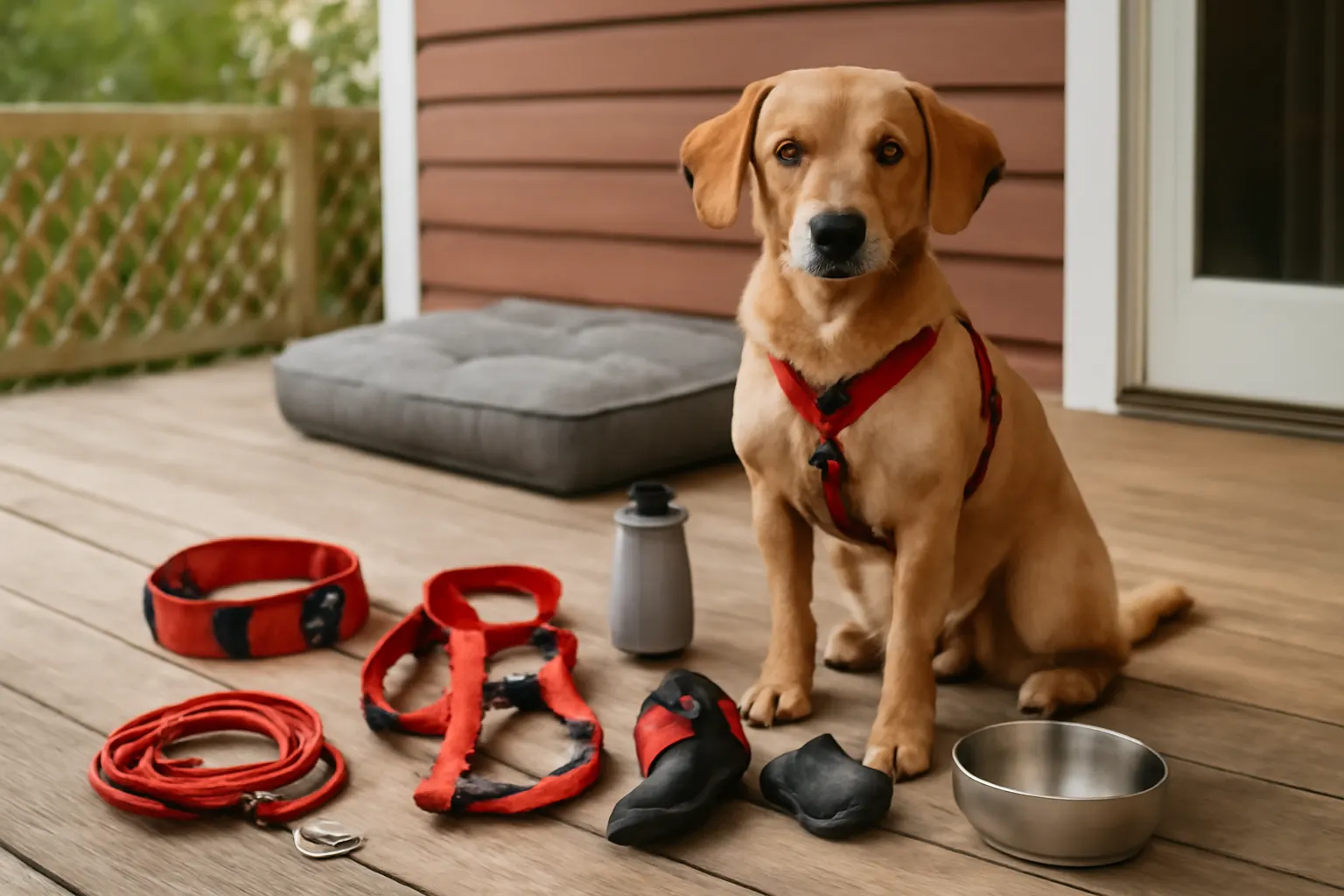
- Basket muzzle: Nothing keeps people safe faster. Introduce it over two weeks using peanut butter and praise, so the dog sees it as a treat dispenser, not a punishment.
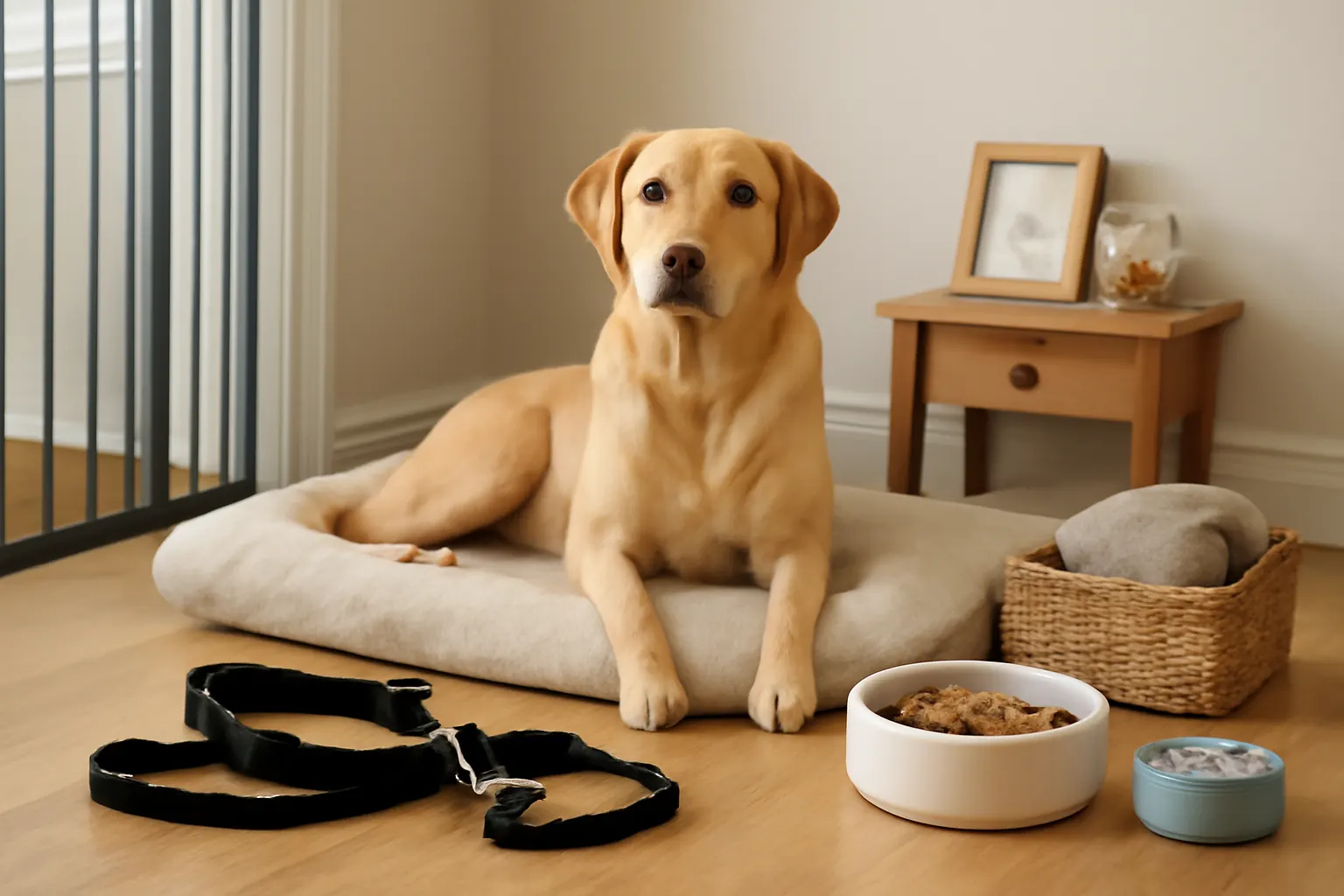
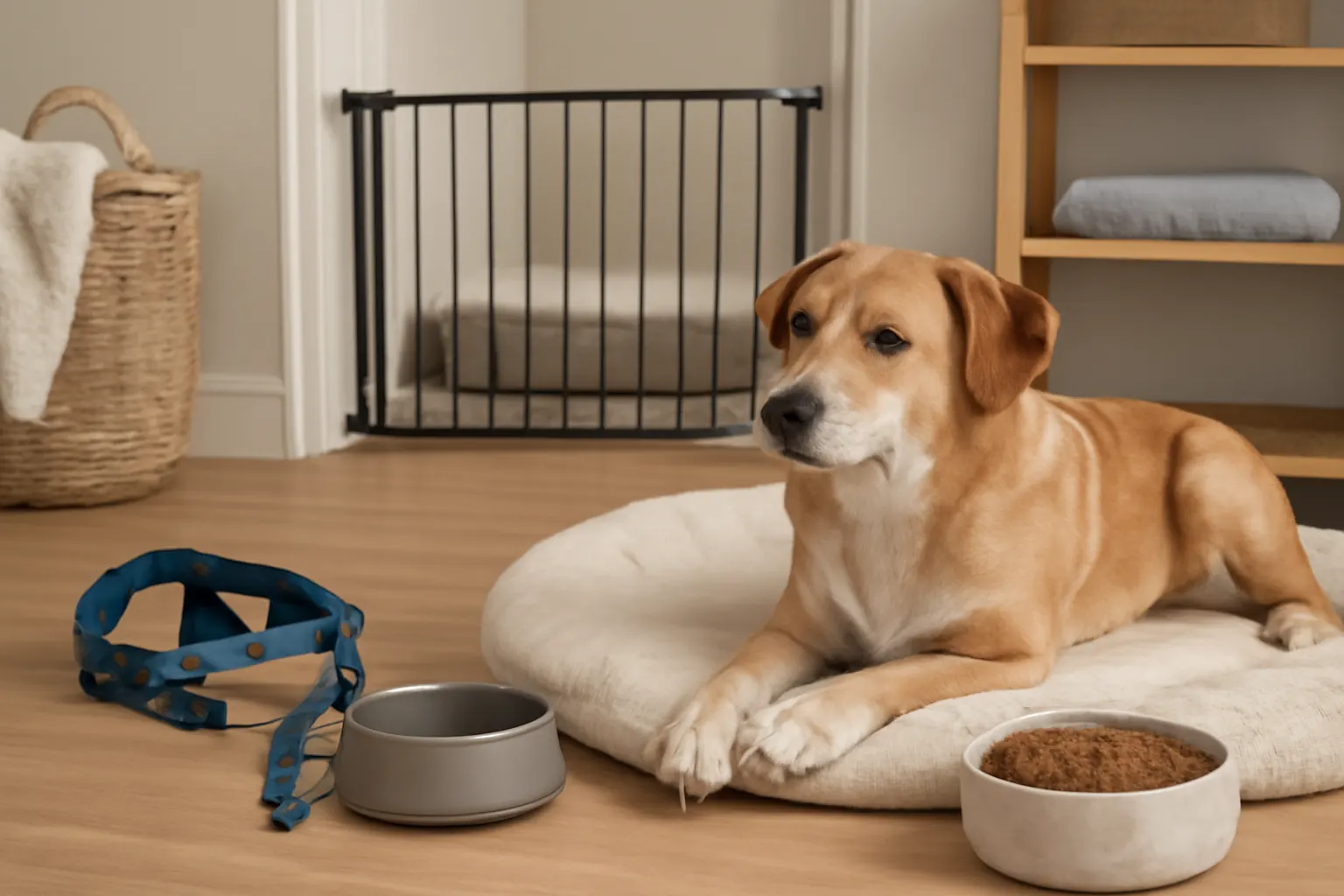
- Baby gates and crates: Create “airlock” zones so you can move through the house without your dog having access to guests or other pets during high‑risk moments.
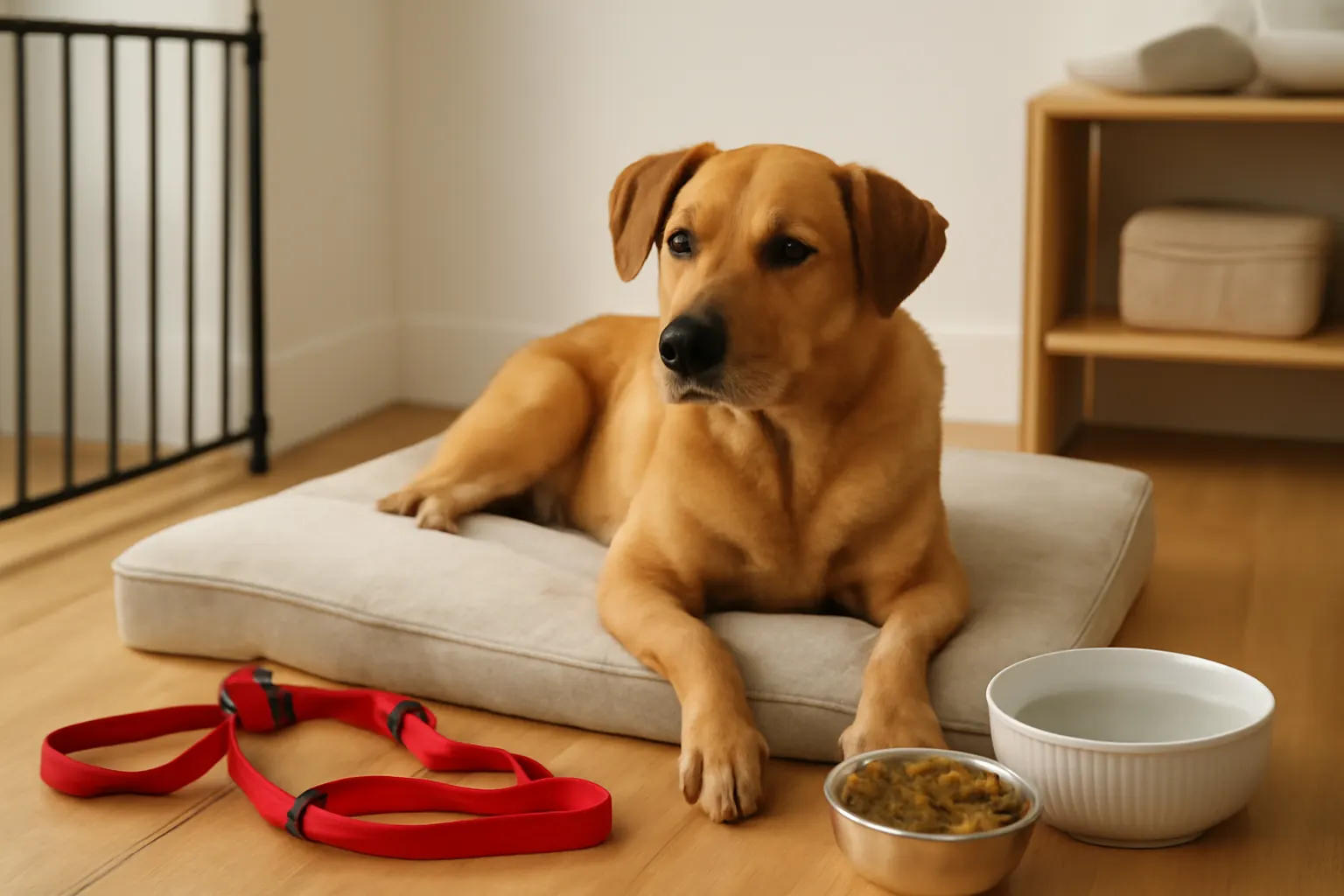
- House‑line (a lightweight drag leash): Leave a short drag leash on the dog indoors so you can calmly guide or remove her without grabbing a collar, which can trigger a bite.
Your Daily Non‑Negotiables: A Routine That Works
Aggression is often fueled by pent‑up energy, boredom, and unpredictable schedules. Lock in this daily pattern and you will see a calmer dog within two weeks:
| Time of Day | Activity | Why It Helps |
|---|---|---|
| Early morning | 25‑minute sniff‑walk on a long leash in a quiet area | Lowers cortisol; builds confidence through exploration |
| Meal times | Feed in separate crates; use puzzle feeders | Prevents resource guarding; adds mental work |
| Midday | 10‑minute positive training session: sit, touch, find‑it | Creates a communication bond; burns mental energy |
| Afternoon | Frozen Kong or scent game (hide treats around the room) | Calms the nervous system; gives the brain a job |
| Evening | Supervised quiet time on a designated dog bed (no couch sharing if guarding is an issue) | Reinforces calmness; keeps boundaries clear |
| Bedtime | Secure crate in a quiet, dark room | Prevents nocturnal guarding or wandering near other pets |
How to Read Your Dog’s “I Am About to Bite” Signals
Most dogs give at least 5–10 seconds of warning before lunging. If you learn to spot these, you can act before anyone is hurt:
- Hard stare: Eyes lock onto a target without blinking. The face goes stone‑still.
- Freeze: The dog stops chewing, walking, or panting and holds perfectly still. This is the most overlooked warning.
- Whale eye: The dog shows the whites of her eyes, turning her head slightly but keeping eyes on the trigger.
- Slow, stiff tail wag: Not the loose, full‑body wag of happiness; the tail is high and moves slowly like a flag.
- Growl or lip lift: By this point, the dog is seconds away from biting. Respect the growl—it is a gift, not an insult.
Print our body language chart (available in the tools below) and hang it near the dog’s resting spot so every family member can learn these signals.
The Five‑Step “In the Moment” Protocol
When you see those warning signs, do not panic. Follow these five steps to de‑escalate without getting bitten:
- Freeze your movement – Sudden retreat can trigger chase. Stay calm and still.
- Avert your eyes – Direct eye contact is a challenge. Look at the floor or slightly away.
- Speak in a low, happy voice – “You’re okay, cookie?” in a cheerful tone can break the fixation.
- Toss a high‑value treat away from you – This gives the dog a new task (finding the food) and creates distance.
- Move the dog to a quiet zone using a house‑line – Calmly lead her to a crate or gated area with zero fuss.
The Owner Mistakes That Make Aggression Worse
- Punishing the growl: If you punish a growl, you remove the warning system. The dog may still bite—but with no signal next time.
- “Exposure therapy for the dog” without a plan: Forcing the dog to face triggers in the name of socialization floods them with stress and builds worse reactions.
- Allowing children to hug or kiss the dog when he is resting: Even normally sweet dogs can react when surprised. Children must learn to “pet, then step away.”
- Skipping the vet visit: Arthritis, ear infections, and dental pain are invisible triggers. A clean bill of health is step one, always.
- Assuming a breed is to blame: Genetics play a role, but environment and training are far more powerful predictors. Focus on what you can change.
When to Involve Professionals
Some cases are beyond home management. Call your veterinarian today if the aggression:
- Appears suddenly with no clear trigger and the dog seems dazed or confused.
- Is directed at people and the dog has made contact, even without breaking skin.
- Happens when you try to move a sleeping or resting dog.
- Is accompanied by other behavior changes like appetite loss, lethargy, or house soiling.
Once medical causes are ruled out, a veterinary behaviorist (DACVB) or certified applied animal behaviorist can create a tailored desensitization program. General obedience trainers are not equipped for severe aggression; look for certifications like CAAB, CDBC, or KPA‑CTP.
Your 30‑Day Safety Challenge
Start today: print the trigger diary, hang the body language chart, and set up one management tool (the muzzle is often the easiest). Track incidents in the diary and you will quickly see patterns—maybe the dog reacts only when the doorbell rings, or only when the kids run through the kitchen. That clarity makes the problem solvable. You are not alone, and your proactive steps right now are the single most powerful force for change.
FAQ
What are the main causes of aggression in dogs?
Canine aggression can arise from fear, territorial instincts, resource guarding, pain, redirected aggression, or a combination of factors. Medical conditions often contribute, so a veterinary exam is critical to rule out pain or illness.
How can I safely manage my dog's aggressive behavior at home?
Safely manage aggression by identifying and avoiding known triggers, using management tools like leashes and properly introduced basket muzzles, implementing desensitization and counterconditioning under professional guidance, providing ample exercise and mental stimulation, and maintaining consistent household rules—all without punishment.
When should I seek professional help for my dog's aggression?
Seek professional help immediately if the aggression is sudden, severe, unpredictable, or directed at people. A veterinarian should rule out medical causes, and a certified veterinary behaviorist or experienced professional trainer should create a safe behavior modification plan.
How do I introduce a muzzle without scaring my dog?
Introduce the muzzle over two weeks using high‑value treats. First let the dog sniff it for treats, then place treats inside so she voluntarily puts her nose in, gradually increasing the time before you fasten the straps. Always pair the muzzle with positive experiences so your dog sees it as a treat dispenser.