dogs
How to Safely Introduce a New Dog to Your Home: Comprehensive Step-by-Step Guide for a Smooth Transition
Bringing a new dog home is exciting but demands careful planning and patience. This thorough guide offers expanded, actionable steps, owner scenarios, and expert advice to help your new dog settle comfortably and safely.
Introduction
Welcoming a new dog into your home is a deeply rewarding experience but requires thoughtful planning and patience. Properly introducing your new dog reduces stress, encourages positive behavior, and helps form strong bonds with your family and any existing pets. This comprehensive guide offers practical, step-by-step strategies to ensure a calm, safe, and successful transition for everyone involved.
Step-by-Step Guide to Introducing Your New Dog
1. Prepare Your Home Thoroughly
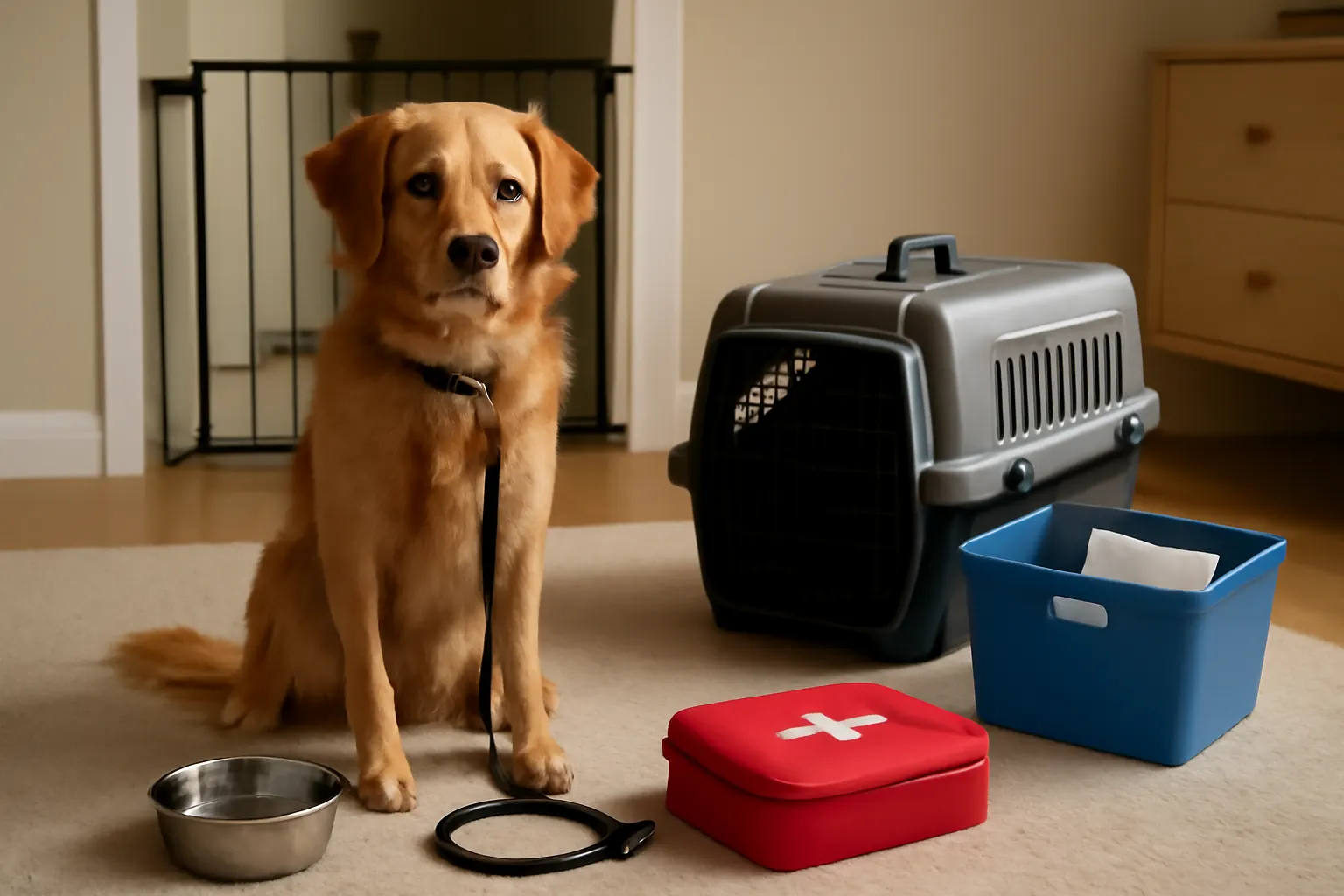
- Create a Safe, Comfortable Space: Before your dog's arrival, designate a quiet, secure area stocked with fresh water, food bowls, comfortable bedding, toys, and a leash. This safe retreat will help reduce anxiety and give your dog a predictable place to settle during early adjustments.
- Dog-Proof Your Environment: Remove or secure hazardous items such as cleaning agents, medications, electrical cords, and small objects your dog could ingest. Keeping tempting or dangerous items out of reach helps protect your dog and prevents accidental injury or poisoning.
- Gather Necessary Supplies in Advance: Prepare collars, leashes, treats for training and positive reinforcement, waste bags, grooming tools, and cleaning supplies. Having everything ready ensures a smooth transition and lets you manage your dog's needs confidently from day one.
2. Manage the First Encounters with Care
- Maintain a Calm and Patient Demeanor: Dogs sense human emotions keenly. Approach new encounters gently with a soft voice and slow movements to create a welcoming, stress-free atmosphere.
- Introduce Slowly and Incrementally: Limit your dog's initial exposure to new people and environments. Use a leash to control meetings, introducing one person or space at a time to avoid overwhelming your dog.
- Watch for and Interpret Body Language: Look for signs of stress such as yawning, lip licking, stiff posture, hiding, growling, or teeth baring. Recognizing these cues helps you adjust interactions or provide breaks as needed to keep experiences positive.
- Use Consistent Positive Reinforcement: Reward calm, friendly behaviors with treats and praise, helping your new dog associate the environment and people with safety and positive experiences.
3. Establish a Consistent, Predictable Routine
- Regular Feeding Schedule: Serve meals at consistent times daily. Predictability in routines fosters security and helps reduce anxiety during the adjustment period.
- Daily Exercise and Play: Tailor walks and playtime to your dog's breed, age, and health to expend energy and alleviate stress, promoting overall well-being.
- Respect Quiet Rest Periods: Avoid forcing social interactions. Allow your dog quiet, undisturbed rest to prevent sensory overload and support healthy adjustment.
4. Introduce Existing Pets with Caution and Patience
- Use Neutral Spaces for Initial Meetings: Arrange first encounters outside the home in neutral locations to lessen territorial behaviors and promote calm interactions.
- Keep Pets Leashed and Supervised: Watch body language closely and be ready to separate pets if signs of aggression or fear emerge.
- Create Positive Associations: Reward calm behavior with treats and praise to encourage friendly, comfortable relationships between your pets.
- Gradually Increase Contact Time: Slowly extend the duration of interactions while monitoring comfort. If tensions arise, separate the pets and proceed more gradually to avoid conflict.
Common Mistakes to Avoid During Dog Introductions
- Rushing the Process: Trying to force quick acceptance can cause stress, fear, or aggression. Patience is key to a successful introduction.
- Inconsistent Rules: Changing commands or allowances confuses your dog and disrupts adjustment. Maintain consistent expectations from the start.
- Ignoring Stress Signals: Overlooking anxiety or discomfort can escalate behavioral issues. Always be attentive to your dog's signals.
- Failing to Provide Individual Attention: Each dog needs personal bonding and care during acclimation to feel secure and valued.
- Overloading New Experiences: Limiting stimuli helps your dog feel safe and prevents overwhelm, especially during early days.
When to Consult a Veterinary or Behavior Professional
- Persistent Fear or Aggression: If your dog shows ongoing fear, avoidance, or aggression despite gradual, positive introductions, seek guidance from a veterinarian or certified animal behaviorist.
- Early Health Check and Vaccinations: Schedule a vet visit soon after bringing your dog home to assess overall health, update vaccinations, and discuss any behavioral concerns.
- Need for Specialized Training: Professional training or behavior modification may be necessary for dogs with aggression or severe anxiety to ensure safety and well-being.
Real-Life Owner Scenarios and Practical Tips
Introducing a New Dog to an Existing Dog at Home:
- Start with separate walks allowing both dogs to familiarize themselves with each other's scent in calm, controlled environments.
- Arrange a brief, supervised meeting in a neutral location with both dogs leashed to maintain control and reduce territorial instincts.
- Watch carefully for body language such as growling, raised hackles, stiff posture, or avoidance. If these signs appear, separate the dogs calmly and try again later.
- Repeat short, well-supervised introductions over several days, gradually increasing interaction time as comfort grows.
- Do not punish signs of tension; instead, redirect attention with treats or toys to ease stress and promote positive associations.
- Provide separate feeding and resting areas to minimize competition and reduce resource guarding behaviors.
If your new dog is shy or tends to hide, allow quiet time and reduce sensory stimuli. Slowly reintroduce social experiences at a comfortable pace that respects your dog's needs.
Additional Practical Tips for a Successful Introduction
- Consider calming aids like pheromone diffusers or soft music to create a soothing environment that reduces anxiety.
- Maintain consistency in the timing and setting of introductions to foster familiarity and increase your dog's confidence.
- Keep a journal of your dog's behaviors and progress to identify patterns and adjust your approach effectively.
- Provide engaging toys and enrichment activities during downtime to keep your dog mentally stimulated and prevent boredom.
FAQ
How long should I wait before introducing my new dog to existing pets?
Begin with short, supervised introductions in neutral areas over several days or weeks, depending on the comfort and behavior of both dogs. Gradually increase contact as they display positive or neutral interactions.
What are key signs my new dog is stressed during introductions?
Signs include growling, tucked tail, avoiding eye contact, stiff body posture, yawning, lip licking, hiding, or trying to move away. These indicate your dog needs a break or a slower pace in introductions.
When should I consult a professional regarding my new dog's behavior?
If your dog repeatedly shows aggression, fear, or withdrawal despite gradual and patient introductions, or if health concerns affect behavior, seek help from a veterinarian or certified animal behaviorist for expert guidance.