Safety Alerts
Essential Guide to Preventing Pet Poisoning at Home: Keeping Your Pets Safe from Common Household Hazards
Pet poisoning is a preventable yet common danger in many homes. This guide offers practical steps to identify hazards and protect your furry friends from accidental poisoning.
Understanding Common Household Toxins for Pets
Pets are naturally curious and often explore their environment by sniffing and tasting. Unfortunately, this can lead them to ingest harmful substances accidentally. Common household items that can poison pets include certain foods, medications, cleaning products, plants, and rodenticides. Knowing what these are is the first step to prevention.
Foods to Avoid
- Chocolate: Contains theobromine, toxic to dogs and cats.
- Grapes and raisins: Can cause kidney failure in dogs.
- Onions and garlic: Harm red blood cells leading to anemia.
- Xylitol: A sweetener found in sugar-free gum and candies causing rapid insulin release and liver failure.
Medications and Supplements
Human medications, including pain relievers like ibuprofen or acetaminophen, can be deadly to pets. Always keep all pharmaceuticals securely stored well out of reach.
Cleaning Products and Chemicals
Bleach, detergents, antifreeze, and rodenticides are highly toxic if ingested, even in small amounts. Store these items in locked cabinets and never leave spills unattended. For example, antifreeze has a sweet taste that attracts pets but is lethal even in small doses.
Toxic Plants
Many common household plants such as lilies, poinsettias, and philodendrons can cause poisoning symptoms. Be cautious and consult veterinary sources about safe plants. If you have indoor plants, research their safety before bringing them home.
Practical Steps to Keep Your Pets Safe
- Store Hazards Securely: Use child-proof locks on cabinets containing toxic substances, keep medications and food out of reach, and sanitize surfaces after use. For instance, when giving your pet medication, ensure the container is immediately returned to a secure spot to avoid accidental ingestion later.
- Educate Household Members: Make sure everyone understands the hazards and the importance of keeping items away from pets. This includes children, guests, and pet sitters who may be unfamiliar with these dangers.
- Supervise Outdoor Time: Prevent pets from chewing on unknown plants or trash by monitoring their outside activities. Avoid leaving garden chemicals or fertilizers accessible to pets.
- Use Pet-Safe Products: Opt for pet-friendly cleaning agents and non-toxic pest controls. Many natural alternatives are available that pose less risk.
- Dispose of Waste Properly: Secure garbage lids to avoid scavenging and potential ingestion of harmful items. Compost bins and trash cans should be pet-proofed to prevent accidental access.
- Have a Poison Control Resource Ready: Keep the contact information of your local vet and a pet poison control hotline accessible to act quickly during emergencies.
Recognizing Poisoning Symptoms and When to Act
Early detection is crucial as symptoms can escalate rapidly. Symptoms of poisoning vary but commonly include vomiting, diarrhea, drooling, weakness, seizures, difficulty breathing, or unusual behavior such as disorientation or excessive salivation. If you suspect your pet has ingested something toxic:
- Stay calm and gather information about the substance ingested (name, amount, time).
- Contact your veterinarian or an emergency poison control service immediately.
- Do not induce vomiting or give any remedies unless specifically instructed by a professional.
- If instructed, prepare to transport your pet to the clinic promptly.
Common Owner Mistakes to Avoid
- Leaving medications or small candy pieces unattended on counters or tables, especially sugar-free gum containing xylitol.
- Assuming 'natural' or houseplants are safe without verification; many common plants can be toxic.
- Using pest and rodent control products without researching pet safety or proper application methods.
- Delaying veterinary care due to underestimating symptoms or hoping they will resolve on their own.
- Allowing pets unsupervised access to trash or outdoor areas with potential hazards.
Step-by-Step Guidance for Pet-Proofing Your Home
Pet-proofing your home can significantly reduce poisoning risks. Follow these steps:
- Conduct a thorough walkthrough to identify potential toxins at pet-height or accessible to pets.
- Relocate hazardous items to high, locked cabinets or pet-proof containers.
- Replace toxic plants with pet-safe alternatives (consult ASPCA’s toxic plant list).
- Establish clear rules with family members and visitors about pet safety and what not to feed or leave accessible.
- Regularly check and maintain safety measures like cabinet locks and secured trash bins.
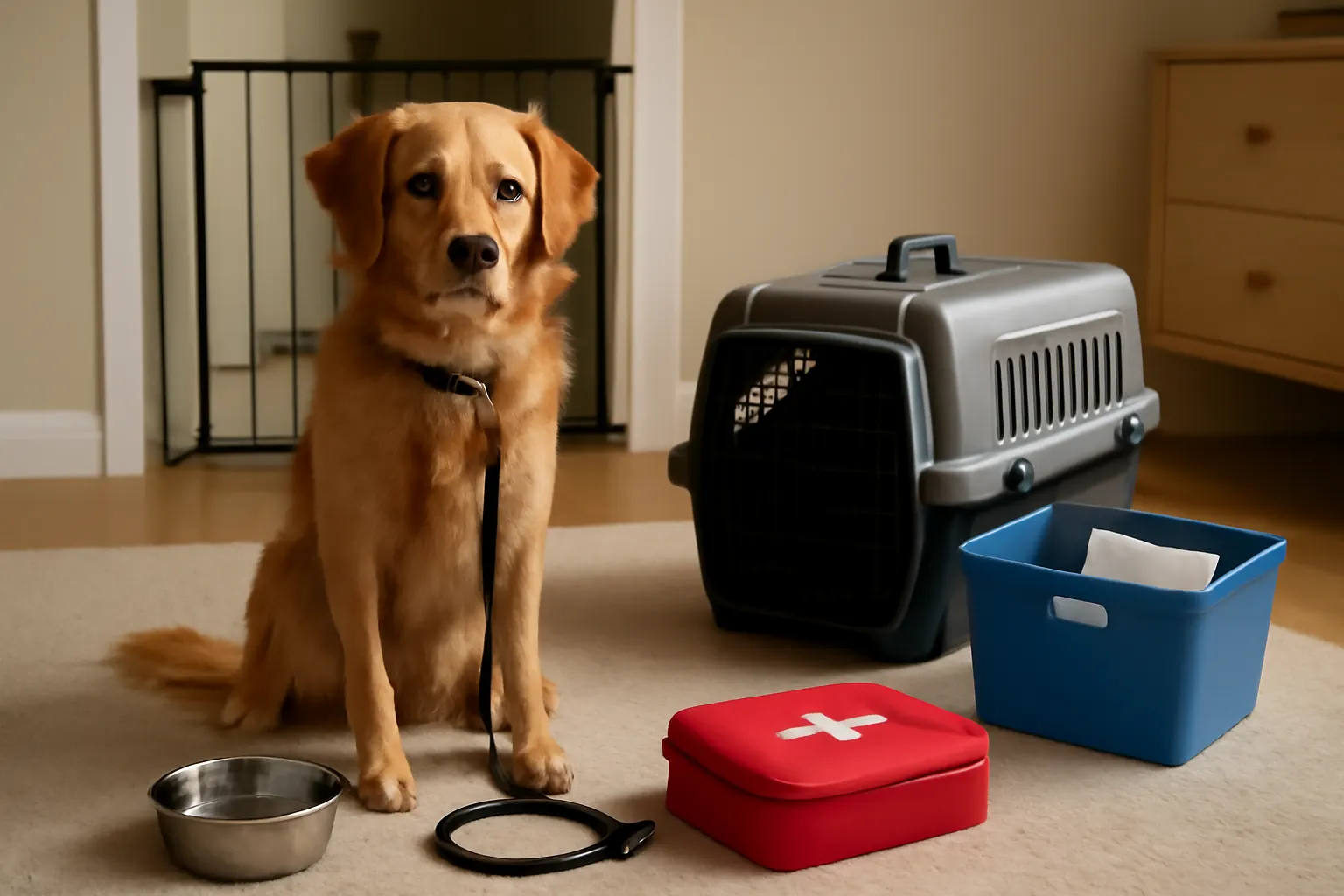
- Prepare an emergency kit including your vet’s contact, poison control hotline, and basic supplies.
Summary
Preventing pet poisoning requires vigilance and proactive household management. By understanding common hazards, securely storing harmful substances, supervising pets, and recognizing symptoms early, you can help keep your beloved animals safe and healthy. When in doubt, seek expert veterinary advice without delay. Remember, prevention and preparedness can save your pet’s life.
FAQ
What should I do if I think my pet has ingested something poisonous?
Immediately contact your veterinarian or an animal poison control center. Do not induce vomiting unless instructed by a professional, and gather information about what was ingested to provide to your vet.
Which common household foods are toxic to dogs and cats?
Chocolate, grapes, raisins, onions, garlic, and xylitol (found in sugar-free gum and candies) are among the most toxic foods and should be kept out of reach.
How can I make my home safer to prevent pet poisoning?
Store all medications, cleaning products, and harmful foods in secure, pet-proof locations. Avoid having toxic plants in the home and supervise your pets to prevent them from accessing trash or unknown substances.