health-behavior
An Owner’s Guide to Preventing and Managing Canine Ear Infections
Ear infections are common in dogs but can be prevented and managed at home with attentive care. This guide covers practical steps, owner tips, and indications for veterinary care to keep your dog’s ears healthy.
Understanding Canine Ear Infections
Ear infections in dogs occur when bacteria, yeast, or parasites invade the ear canal, causing inflammation, discomfort, and sometimes more serious health issues. Certain dogs are especially prone to these infections, including those with floppy ears that trap moisture, dogs with allergies that affect the skin, and dogs that swim frequently, as moisture can remain in the ear canal and create a breeding ground for infection.
Recognizing Signs of Ear Infection
Early detection is essential to prevent complications and ensure your dog receives timely treatment. Watch for these common signs of ear infection:
- Frequent scratching or pawing at the ear
- Redness or swelling in and around the ear canal
- Unpleasant odor emanating from the ear
- Discharge, crusts, or buildup of debris in or around the ear
- Head shaking or tilting to one side
- Signs of pain or discomfort when the ear is touched
Step-by-Step Prevention Tips for Owners
- Maintain Cleanliness and Dryness: After your dog swims or bathes, thoroughly dry their ears with a clean towel. Use a veterinarian-recommended ear cleaner to gently wipe the outer ear with a sterile cotton ball or pad. Avoid using cotton swabs inside the ear canal as they can push debris deeper or injure the eardrum.
- Perform Regular Ear Checks: Inspect your dog's ears at least once weekly. Look for early signs of redness, debris, or unusual odor. Early spotting can prevent full infections.
- Manage Allergies and Skin Conditions: Allergies often contribute to ear infections. Work with your veterinarian to identify and manage any allergies or skin problems through diet, medications, or topical treatments to reduce ear infection risk.
- Maintain Ear Hair: For dogs with hair growing inside the ear canal, discuss safe trimming or plucking techniques with your vet to improve airflow and reduce debris buildup.
- Limit Exposure to Irritants: Minimize your dog’s contact with environmental irritants like dust, pollen, and harsh cleaning agents, which can inflame ear tissues and predispose to infection.
Common Owner Mistakes to Avoid
- Using inappropriate home remedies such as alcohol, hydrogen peroxide, or vinegar inside the ear, which can irritate the sensitive ear lining and worsen symptoms.
- Delaying veterinary consultation when odor, discharge, or shaking persists, which allows the infection to worsen and potentially become chronic.
- Over-cleaning or aggressively cleaning ears, which may strip natural oils and cause dryness or inflammation that promotes infection.
- Inserting cotton swabs or other objects deep into the ear canal, risking damage to the eardrum or pushing debris deeper, worsening infection.
Home Care Steps When Infection Is Suspected
If you notice mild symptoms such as slight redness or minor debris, you can begin gentle home care by cleaning the ear using a sterile, vet-approved ear cleaner. Avoid inserting anything deep into the ear canal—clean only the visible parts of the ear. Use a cotton ball or gauze. After cleaning, keep the ear dry and observe your dog closely over 24-48 hours. If symptoms worsen, such as increased redness, swelling, discharge, or if your dog becomes more uncomfortable, seek veterinary care promptly.
When to Consult Your Veterinarian — Critical Signs to Watch For
While mild ear irritation can sometimes be managed at home, certain signs require prompt veterinary evaluation and treatment to prevent serious complications:
- Severe redness, swelling, or intense pain around or inside the ear, which may indicate a deep infection or abscess.
- Persistent, thick discharge or very foul odor from the ear(s) that does not improve with initial home care.
- Repeated or chronic ear infections despite home care efforts, which may suggest an underlying medical condition like allergies or hypothyroidism.
- Behavioral changes such as head tilt, loss of balance, or hearing difficulties, which could signal infection spreading to the inner ear or neurological involvement.
Veterinarians typically perform an ear exam, cytology (microscopic examination of ear debris), and possibly culture tests to identify the specific cause. Treatment may include medicated ear drops, oral antibiotics, antifungals, or anti-inflammatory medications tailored to the diagnosed infection type and severity.
Supporting Your Dog Through Veterinary Treatment
Following your vet’s advice closely is essential for a full recovery. Here are important tips for owners:
- Administer all prescribed medications exactly as directed, and complete the full course even if symptoms improve early.
- Keep the ears clean and dry during treatment; avoid water exposure until your vet gives clearance.
- Avoid using any additional home remedies or products not recommended by your vet to prevent irritation or interference with treatment.
- Maintain a symptom and treatment log noting changes, any side effects, and improvement to share during follow-up appointments.
- Consult your vet promptly if symptoms worsen or new signs develop during treatment.
Practical Owner Scenarios: Handling Common Challenges
Every dog and owner situation is unique, so here are practical example scenarios to guide you:
- Scenario 1: Dog with recurrent infections due to allergies — In this case, focus on allergy management with your vet, including hypoallergenic diets, allergy testing, and appropriate medications to reduce skin and ear inflammation, supplementing with routine ear cleaning to prevent infections.
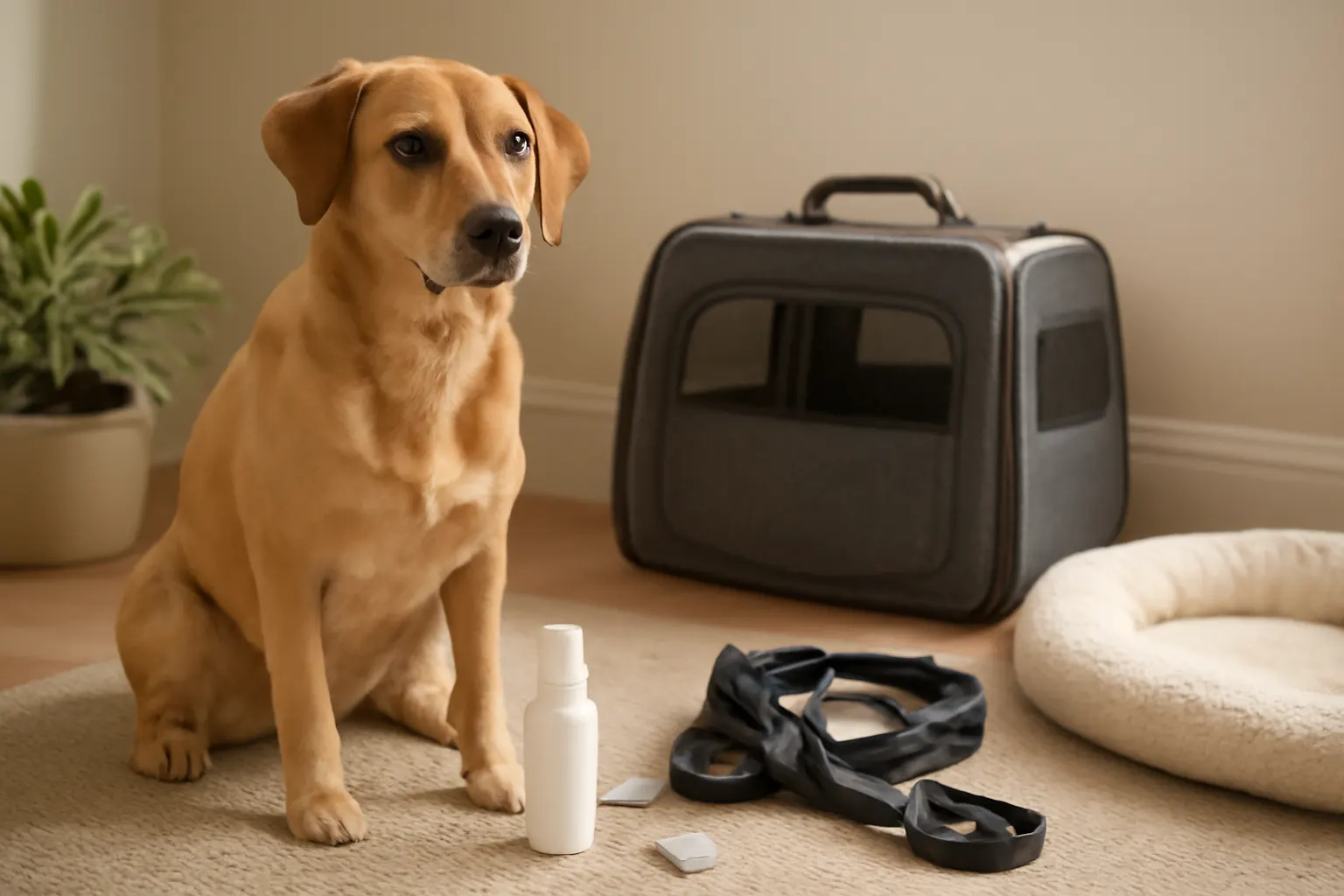
- Scenario 2: Dog that loves swimming — Post-swim ear drying is essential. Carry a vet-approved ear drying solution that helps evaporate moisture. After swimming, gently clean the outer ear and dry thoroughly to remove residual water and prevent infection.
- Scenario 3: Owner unsure about cleaning technique — Watch veterinary-approved instructional videos or ask your vet to demonstrate safe cleaning methods. Use only recommended products and avoid inserting swabs deep into the canal.
Summary
Preventing and managing canine ear infections relies on attentive, routine ear care, early detection of problems, and avoiding common mistakes that worsen ear health. Use veterinarian-approved cleaning methods, manage underlying allergies or skin conditions, and inspect ears regularly. When infections occur, timely veterinary intervention reduces complications and ensures your dog’s comfort and hearing health.
For comprehensive, veterinary-backed guidance on dog ear health, visit resources like the VCA Hospitals dog care library, the AKC dog training resources, the Humane Society dog care page, and the American Veterinary Medical Association pet owner resources.
FAQ
How often should I clean my dog's ears to prevent infections?
Generally, cleaning your dog's ears once a week is sufficient, but dogs prone to infections or that swim often may require more frequent cleaning. Use a veterinarian-recommended ear cleaner and avoid over-cleaning to prevent irritation.
Can I treat my dog's ear infection at home without a vet?
Mild irritation might be managed with proper ear cleaning at home, but if signs like redness, discharge, or unpleasant odor persist beyond 1-2 days, consult a veterinarian for accurate diagnosis and treatment.
What are the risks of not treating a dog’s ear infection promptly?
Untreated ear infections can cause chronic pain, hearing loss, or spread deeper into the ear, leading to balance problems or systemic illness. Prompt veterinary treatment reduces these risks and ensures quicker recovery.