Health & Behavior
A Practical Guide to Understanding and Managing Canine Resource Guarding
Resource guarding is a common canine behavior that can lead to safety concerns if left unmanaged. This detailed guide helps dog owners identify, prevent, and control resource guarding using evidence-based techniques and real-life guidance.
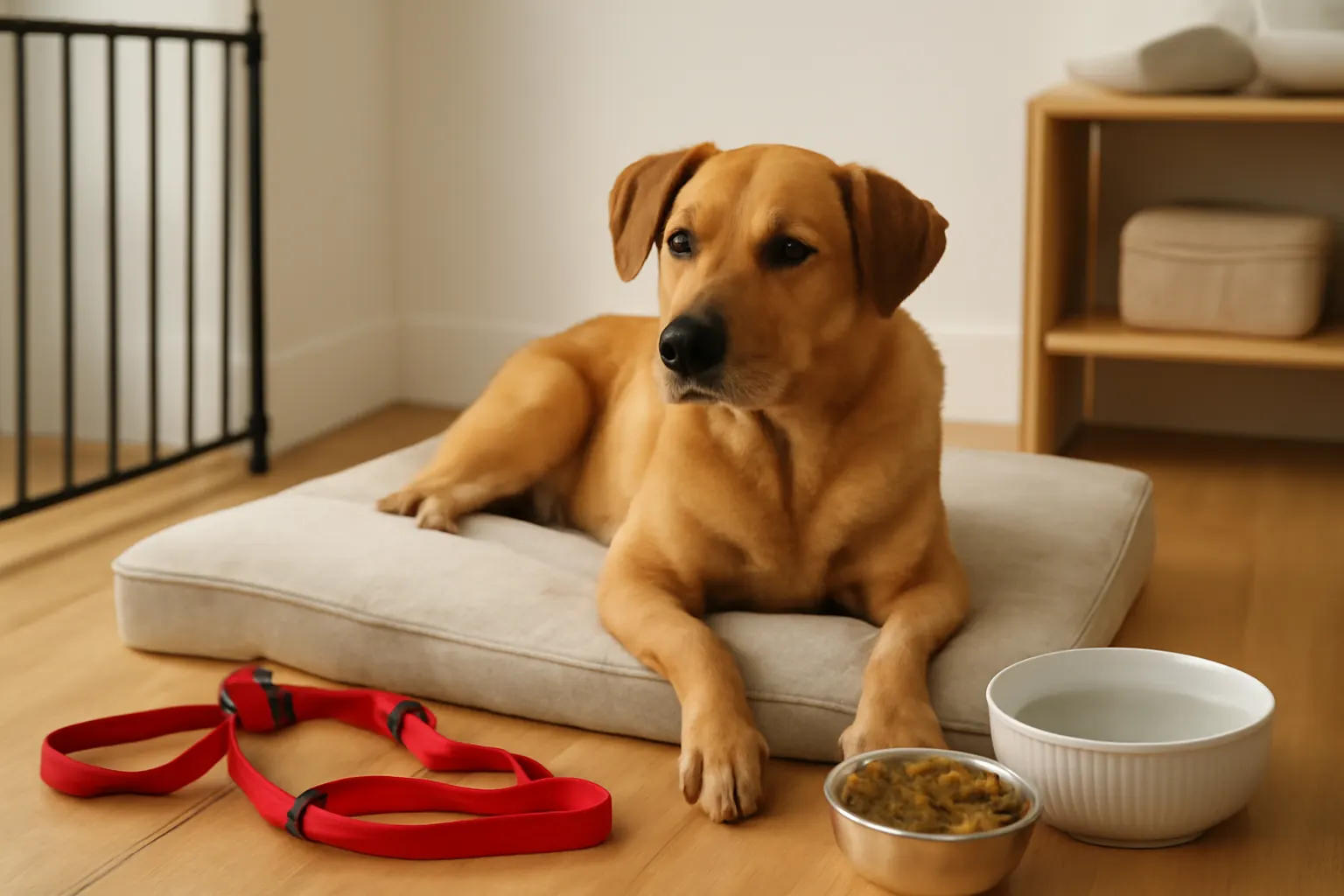
Resource guarding is a natural canine behavior where a dog protects valuable items such as food, toys, or resting spaces from perceived threats. While common, uncontrolled resource guarding can escalate to aggression, posing safety risks for family members and other pets. Understanding this behavior, its triggers, and how to manage it safely is essential for any dog owner.
What Is Canine Resource Guarding?
Resource guarding involves behaviors like growling, snapping, or stiffening when a dog perceives a threat to something valuable. These behaviors are instinctual and may stem from genetics, prior experiences such as food scarcity, or anxiety about securing essential resources. Recognizing these early signs is crucial to prevent escalation and maintain household safety.
Recognizing Resource Guarding Signs
- Growling or snarling when approached during meals or while holding toys
- Stiff body posture combined with direct, hard eye contact—a clear indication of tension
- Snapping or biting if the perceived threat persists or comes too close
- Rapid eating or hiding food/toys to prevent others from accessing them
Early detection enables prompt intervention, reducing the risk of serious incidents.
Common Mistakes Pet Owners Make
- Ignoring or dismissing early warning signs, which can increase or reinforce guarding behaviors
- Punishing growling, which is a dog's natural warning before escalating aggression
- Forcibly removing items without prior training, which raises anxiety and may provoke aggressive reactions
- Failing to establish consistent boundaries and rules around possessions, creating confusion and insecurity
Practical Steps to Manage Resource Guarding
Effectively managing resource guarding demands patience, consistency, and positive reinforcement. Below are detailed steps to guide you:
- Provide Separate Feeding Areas: Feed your dog in a quiet, distraction-free space, away from other pets or children, to reduce competition and stress around food. This reduces the perceived need to guard.
- Teach "Trade" and "Drop It" Commands: Use positive reinforcement to encourage your dog to exchange items willingly. Start with low-value items, rewarding them with high-value treats to build trust and cooperation over time.
- Avoid Forced Item Removal: Never forcibly take items from your dog, as this escalates fear and aggression. Instead, lure your dog away using treats to promote voluntary release.
- Gradual Desensitization and Counter-Conditioning: Slowly expose your dog to people approaching their valued possessions. Begin at a comfortable distance and gradually reduce proximity over multiple sessions, rewarding calm, relaxed behavior.
- Increase Enrichment and Resource Availability: Offer many toys, interactive play, and mental stimulation to reduce the dog's perceived need to guard items due to scarcity or boredom.
- Establish Consistent Rules and Boundaries: Clearly define acceptable behaviors concerning food, toys, and resting spaces. Consistency reduces anxiety and guarding behaviors.
- Monitor Interactions: Supervise interactions between your dog, other pets, and family members—especially children—to avoid accidental triggers and prevent escalation.
- Set Realistic Goals: Expect gradual progress; resource guarding is typically managed rather than completely eliminated. Focus on safety and improved behavior over time.
- Keep a Behavior Journal: Document incidents to identify triggers and track progress, helping adjust management strategies effectively.
Owner Scenario: Step-by-Step Approach to Managing Food Guarding
Imagine your dog growls when someone approaches during mealtime. Here's an effective stepwise approach to reduce this guarding:
- Feed your dog alone in a quiet room to remove competition and reduce anxiety.
- Start at a comfortable distance while your dog eats, tossing high-value treats closer each time your dog remains calm to create positive associations with your presence.
- Gradually shorten the distance over several days or weeks, rewarding calm behavior consistently to build trust.
- Practice the "trade" command outside of mealtime by offering treats in exchange for toys or low-value items, reinforcing voluntary relinquishment.
- Never punish growling but watch for early warning signs and reward calmness consistently.
- If you notice escalation or feel unsafe, seek guidance from a professional trainer or veterinary behaviorist promptly.
Mistakes to Avoid When Managing Resource Guarding
- Reacting with anger or punishment: This damages trust and often worsens guarding behavior.
- Ignoring early warning signs: Growling is a critical signal needing immediate attention to prevent escalation.
- Inconsistent training: Confusing signals prolong guarding and slow progress.
- Overcrowding feeding/play areas: Stressful environments increase guarding risks.
- Rushing the training: Behavior change requires time; forceful approaches can backfire.
When to Consult a Veterinarian or Professional Trainer
If resource guarding escalates to biting or more aggressive incidents that cannot be safely managed at home, professional help is crucial. Veterinary behaviorists and certified trainers can diagnose underlying medical causes—such as pain or neurological issues—and tailor behavior modification plans specific to your dog's needs. Early consultation improves outcomes and safety for all involved.
Additional Practical Tips for Owners
- Use Calm Body Language: Approach guarded dogs slowly and avoid direct eye contact, which can be perceived as threatening.
- Regularly Rotate Toys and Resources: Providing novelty reduces possessiveness over specific items.
- Educate Children on Dog Behavior: Teach children to recognize guarding signs and how to approach dogs safely to prevent triggers.
- Practice Positive Greetings: Encourage family and visitors to offer treats during vulnerable times such as mealtime or resting.
- Utilize Positive Reinforcement Tools: Consistent rewards for calm behavior reinforce good habits and trust.
Summary and Key Takeaway
Resource guarding is a natural but potentially dangerous behavior that requires careful management. Recognizing early signs, avoiding common mistakes, and implementing patient, consistent positive training strategies enable owners to greatly reduce guarding behaviors. Early intervention fosters a safe environment and promotes a trusting, peaceful relationship between you and your dog. Always prioritize safety and seek professional assistance when needed.
FAQ
Is resource guarding the same as aggression?
Resource guarding is a defensive behavior in which a dog protects valuable items. While it may include aggressive signals like growling or snapping, it stems from an instinct to protect possessions and is different from unprovoked aggression.
Can resource guarding be completely cured?
Resource guarding can often be significantly reduced or managed through consistent training and behavior modification, but it may not be completely eliminated in all dogs. The focus is on safety and teaching alternative behaviors to reduce guarding.
What should I do if my dog growls when I approach their food?
Do not punish the growling as it is a warning sign. Instead, use positive reinforcement by offering treats as you approach during meals to create positive associations and gradually lessen guarding behavior.
When should I seek professional help for resource guarding?
Consult a veterinarian or certified behaviorist if guarding escalates to biting, aggression increases, or if you feel unsafe managing the behavior on your own. Professionals can rule out medical issues and create effective behavior modification plans.