dogs
A Practical Guide to Preventing and Managing Canine Ear Infections
Ear infections are common in dogs but can be prevented and treated effectively. This comprehensive guide offers detailed prevention tips, symptom recognition, step-by-step cleaning instructions, owner scenarios, mistakes to avoid, and guidance on veterinary care.
Understanding Canine Ear Infections
Ear infections are one of the most frequent health issues affecting dogs, caused by various factors including bacteria, yeast, allergies, or ear mites. Certain breeds, especially those with floppy ears such as Cocker Spaniels, Basset Hounds, and Labrador Retrievers, are more susceptible due to poor air circulation in the ear canal. Dogs with allergies or those frequently exposed to moisture are also at higher risk. The warm, moist environment inside the ear canal creates an ideal setting for pathogens to thrive if proper ear hygiene is not maintained. Recognizing early signs and consistently caring for your dog's ears are essential steps to reduce the risk and severity of infections.
Common Signs of Ear Infections in Dogs
- Frequent scratching or pawing at the ears
- Redness or swelling inside the ear canal or around the ear flap
- Unpleasant or foul odor emanating from the ear
- Discharge or buildup of wax, pus, or debris
- Shaking or tilting the head to one side
- Hair loss, scabbing, or crusting around the ear edges
- Sensitivity or pain when touching or cleaning the ear
If you observe any of these symptoms, closely assess your dog's condition and consider veterinary evaluation promptly. Early intervention can prevent the infection from worsening and causing permanent damage to the ear.
Step-by-Step Guide to Cleaning Your Dog's Ears
- Select the Right Product: Use only veterinarian-recommended ear cleaning solutions designed specifically for dogs to avoid irritation or harm. Avoid homemade remedies unless directed by your vet.
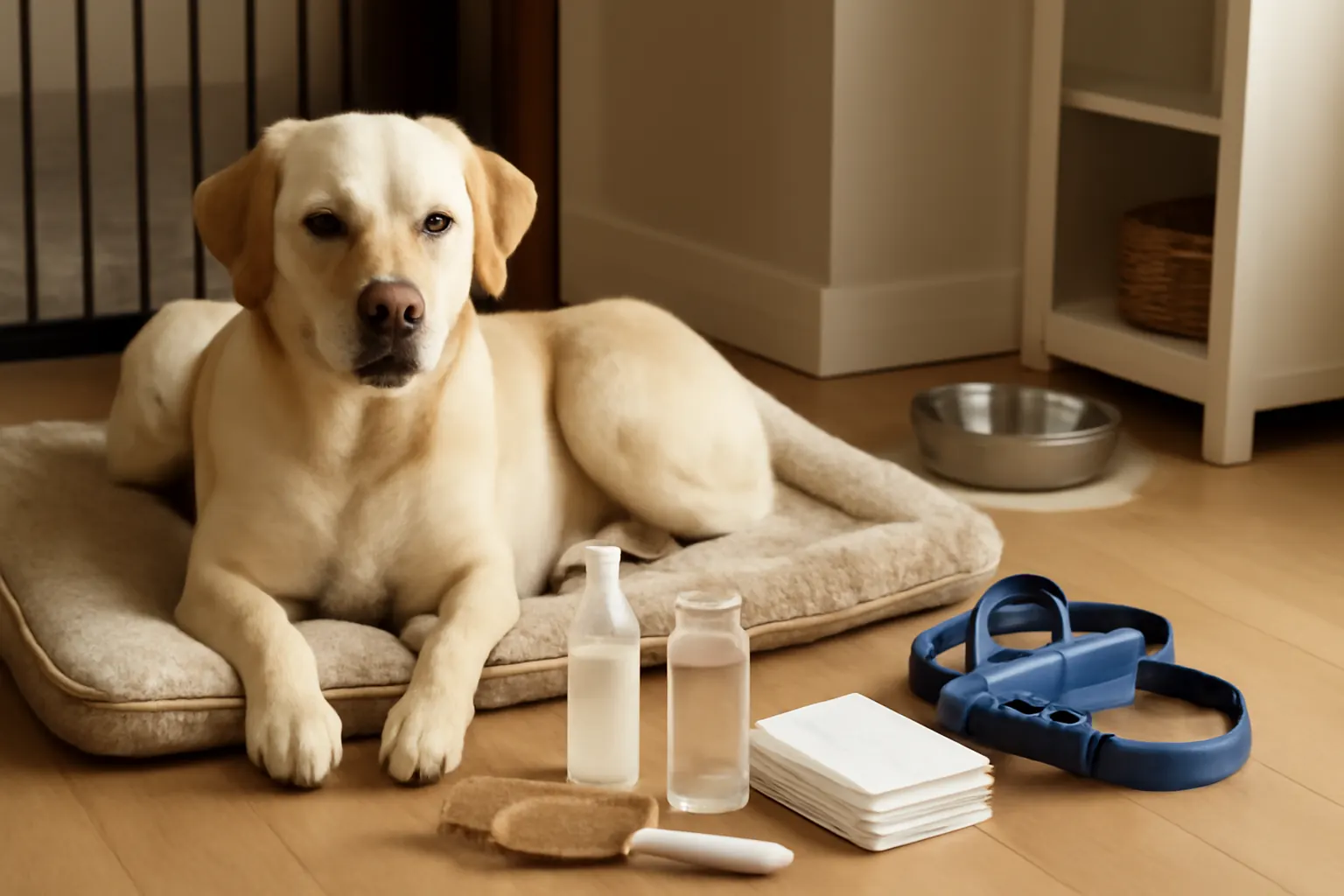
- Prepare Your Supplies: Gather cotton balls or gauze pads, the cleaning solution, and a towel to protect clothing and catch any excess fluid.
- Position Your Dog Comfortably: Have your dog sit or lie calmly. Enlist assistance to gently but securely hold your dog if needed to prevent sudden movements.
- Apply the Cleaning Solution: Lift the ear flap gently and carefully squeeze a few drops of the cleaning solution into the ear canal, following product instructions exactly.
- Massage the Ear Base: Gently massage the base of the ear for 20-30 seconds to help loosen wax and debris and encourage them to rise to the ear flap.
- Allow your Dog to Shake Its Head: This natural action helps dislodge debris from inside the ear canal.
- Wipe the Outer Ear: Use cotton balls or gauze pads to gently wipe away softened debris and excess solution from the ear flap and ear entrance. Never insert cotton swabs or fingers deep into the ear canal as this can cause injury.
- Reward Your Dog: Offer praise and treats afterward to create a positive association and make future cleanings easier.
Practical Owner Scenarios and Tips
Scenario 1: A Labrador Retriever owner notices frequent head shaking and a foul odor coming from the ears. They initiate weekly ear cleanings using veterinarian-approved solutions and promptly consult their veterinarian. The vet diagnoses a yeast infection and prescribes medicated ear drops. With the combined home care and treatment, symptoms resolve fully within two weeks, demonstrating the importance of early detection and veterinary collaboration.
Scenario 2: A Cocker Spaniel owner neglects routine ear checks and cleaning. The dog develops recurrent infections requiring multiple veterinary visits and rounds of antibiotics. After thorough professional intervention, the owner adopts a regular ear cleaning routine and works with the veterinarian to manage underlying allergies, successfully preventing further infections and improving quality of life.
Practical Tip: If your dog resists ear cleaning, break the process into short sessions rather than forcing a full cleaning at once. Train and acclimate your dog gradually by pairing cleaning with positive reinforcement. Use treats and gentle praise to build trust and cooperation.
Essential Preventive Measures for Ear Health
- Regular Ear Inspections: Check your dog’s ears weekly for any signs of debris, redness, swelling, or unusual odor, particularly after swimming, baths, or outdoor activities.
- Establish a Cleaning Routine: Determine a cleaning frequency based on your dog’s breed, ear type, and risk factors. For some dogs, monthly cleaning suffices; others may require weekly care. Avoid overcleaning to prevent irritation.
- Keep Ears Dry: Moisture promotes bacterial and yeast growth. After baths or water exposure, dry the ears thoroughly with a soft towel. Your veterinarian might recommend drying sprays if your dog is prone to infections.
- Manage Allergies and Skin Conditions: Allergies are a frequent underlying cause of ear infections. Work with your veterinarian to identify allergens and manage symptoms with medication or dietary changes.
- Grooming: Regularly trim excess hair around the ears to aid airflow and reduce debris accumulation. Professional grooming can also identify early signs of ear problems.
- Maintain Overall Health: A balanced diet, regular exercise, and preventive veterinary care support your dog’s immune system and skin health, helping reduce infection risk.
Common Owner Mistakes to Avoid
- Inserting cotton swabs or objects deep into the ear canal: This can injure the ear canal, push debris deeper, and worsen infections.
- Ignoring early symptoms: Delaying treatment can lead to chronic infections, persistent pain, or hearing loss.
- Using human ear care products: Human products may contain ingredients toxic or irritating to dogs.
- Overcleaning: Excessive cleaning strips protective oils, causing dryness and inflammation that increase infection risk.
- Cleaning unnecessarily: Only clean ears when debris or symptoms are present to preserve natural ear balance.
- Neglecting veterinary advice: Persistent or severe infections require professional diagnosis and treatment; avoid risky self-treatment.
When to Contact Your Veterinarian
Seek veterinary care promptly if symptoms persist more than a few days despite home cleaning, worsen, or include increased redness, swelling, discharge, pain, or behavioral changes. Immediate care is essential for severe cases showing intense pain, bleeding, balance loss, or sudden hearing loss to prevent serious complications like ear canal damage or systemic infection.
What to Expect from Veterinary Treatment
Your veterinarian will perform a thorough ear examination using an otoscope to view the ear canal and eardrum. They may take swabs for cytology or culture to identify the infection cause — bacterial, yeast, or mites — and prescribe treatment accordingly. Typical treatments include medicated ear drops or ointments, oral antibiotics or antifungals in severe cases, and managing underlying conditions such as allergies or hormonal imbalances. Following the full prescribed treatment course is vital for complete healing and to prevent recurrence.
Final Tips for Maintaining Healthy Ears
Routine, gentle ear care using veterinarian-approved products, early recognition of infection signs, and timely professional consultation form the foundation of effective prevention and management. Staying informed and proactive will help ensure your dog’s ears remain comfortable, healthy, and infection-free.
For trusted guidance, regularly consult reputable veterinary sources such as the American Kennel Club, VCA Hospitals, the American Veterinary Medical Association, and trusted animal welfare organizations.
FAQ
How often should I clean my dog's ears to prevent infections?
For most dogs, cleaning the ears once a week is sufficient. Dogs prone to infections or with floppy ears may need more frequent cleaning as advised by a veterinarian.
Can I use human ear cleaning products on my dog?
No. Human ear cleaning products can irritate a dog's sensitive ear canal and may contain harmful ingredients. Always use veterinarian-approved products formulated specifically for dogs.
What should I do if my dog is shaking its head or scratching its ears frequently?
These are common signs of ear discomfort or infection. Inspect your dog's ears for redness, swelling, or discharge, and schedule a veterinary appointment for proper diagnosis and treatment.
Is it safe to use cotton swabs to clean a dog's ears?
No. Cotton swabs can damage the delicate ear canal by pushing debris deeper or causing injury. Use cotton balls or gauze to clean only the outer ear parts.
When should I seek emergency veterinary care for my dog's ear infection?
Seek immediate care if your dog shows severe pain, swelling, bleeding, loss of balance, or hearing loss, indicating a serious infection or complication requiring urgent treatment.