cats
The Essential Guide to Preventing and Managing Hairballs in Cats
Hairballs are a common issue for cats, but with the right care, you can minimize their frequency and protect your cat’s digestive health.
Hairballs are a natural but often troublesome part of a cat's life. As cats groom themselves by licking their fur, they inevitably swallow loose hair, which can accumulate and form hairballs. While occasional hairballs are normal, frequent or difficult-to-pass hairballs can cause discomfort and health issues that require proactive management by cat owners.
Why Do Cats Get Hairballs?
Cats are meticulous groomers. When they lick their coats, especially during heavy shedding seasons, they ingest loose hairs. Most of these hairs pass through their digestive system without issue, but some accumulate in the stomach forming hairballs. Cats then typically vomit these up to clear their digestive tract.
Hairballs themselves are not inherently dangerous, but when they become frequent or large, they can indicate or cause health concerns like digestive blockages or irritation. Understanding the causes helps cat owners provide preventative care that can reduce the incidence of hairballs and promote overall digestive health.
Practical Steps to Prevent Hairballs
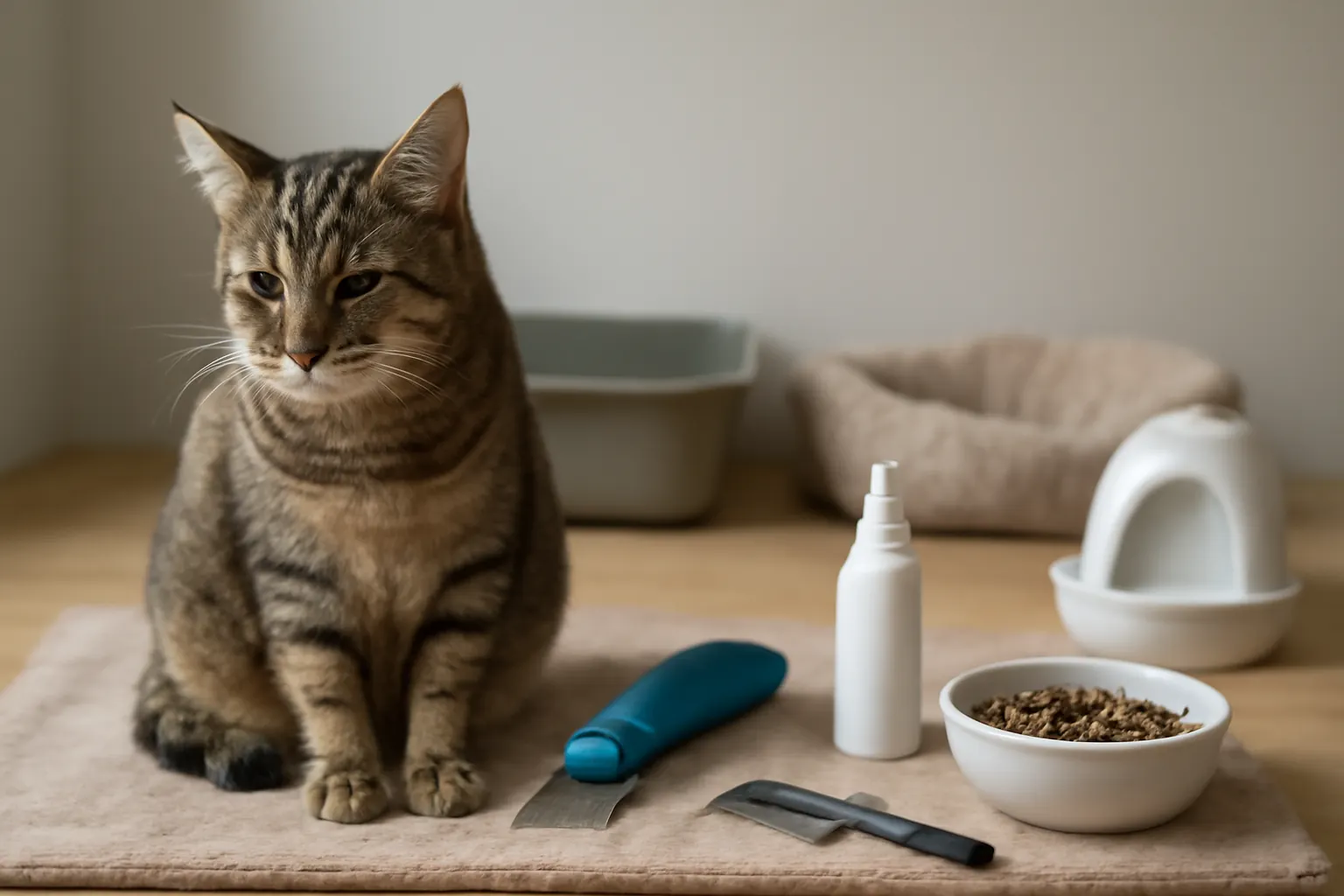
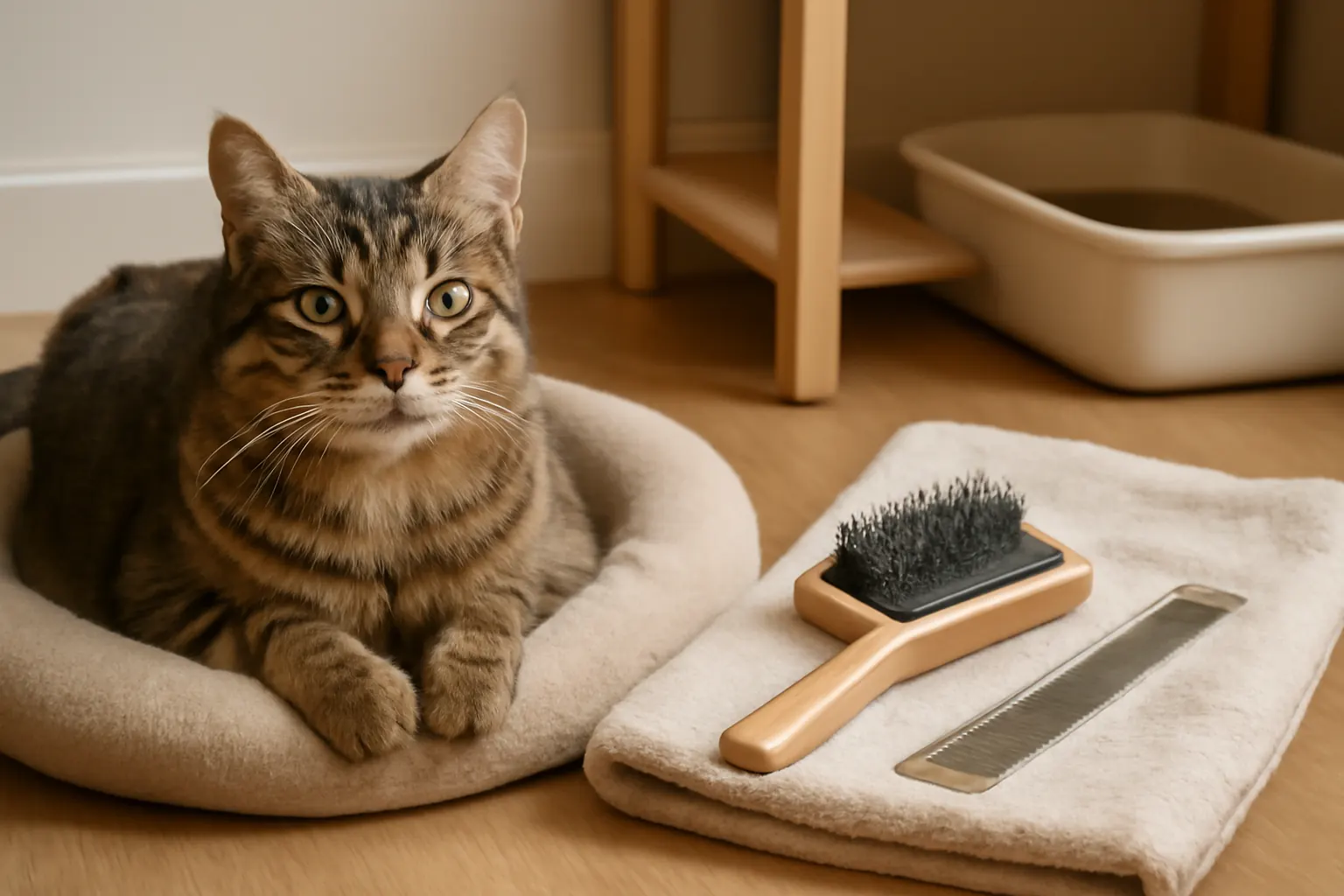
- Regular Grooming: Brush your cat daily to remove loose hair before they ingest it. Long-haired cats especially benefit from consistent grooming to reduce shedding. This step is critical during seasonal shedding periods when hair loss significantly increases. Using the right type of brush for your cat's fur type can improve effectiveness; for example, slicker brushes work well on long fur while rubber brushes are good for short-haired cats.
- Use Hairball Control Diets: Specialized cat foods are formulated with increased fiber content, which helps move hair through the digestive tract more effectively. Gradually transition your cat onto these diets over a week or two to avoid upset stomachs, and monitor stool quality and overall tolerance. Some diets also include ingredients like psyllium husk to aid hair passage.
- Hydration is Key: Cats on dry food diets are more prone to hairballs due to less lubricated digestive tracts. Ensure your cat has access to fresh water at all times, and consider supplementing dry food with wet food to improve hydration naturally. Water fountains designed for cats can encourage more frequent drinking and help maintain hydration balance.
- Hairball Remedies: Lubricants and gels designed to ease hairball passage can be given occasionally; consult your veterinarian for proper product recommendations and dosage instructions to avoid overuse or masking other issues. These products often contain mineral oil or petroleum jelly and work by lubricating the digestive tract.
- Environmental Enrichment: Reducing stress and boredom with toys, interactive play, and a predictable daily routine can decrease excessive grooming driven by anxiety, which contributes to hair ingestion. Providing scratching posts, hideouts, and a calm environment also benefits overall feline well-being.
Common Owner Mistakes to Avoid
- Neglecting regular grooming, especially in multi-cat households or long-haired breeds, which increases hair ingestion and hairball frequency.
- Overfeeding dry kibble without ensuring adequate hydration, increasing the risk of hairball formation due to dry digestive tracts.
- Using over-the-counter hairball remedies excessively without veterinary guidance, which can mask symptoms of underlying digestive or health issues and potentially cause complications.
- Failing to observe subtle changes such as altered vomiting frequency, decreased appetite, or changes in stool quality, delaying necessary veterinary intervention and risking complications.
Step-by-Step Guide for Cat Owners
- Start with daily brushing: Choose a brush suited to your cat’s fur type. Spend 5-10 minutes focusing on loose hair removal, especially in areas your cat tends to shed the most, such as the neck and back. Be gentle and praise your cat to make grooming a positive experience.
- Monitor diet quality: Gradually introduce high-fiber or hairball-control formulas recommended by your vet. Observe your cat’s acceptance, stool consistency, and overall digestive comfort over two weeks. Keep a food diary if needed to track reactions.
- Encourage hydration: Add fresh water daily, consider a pet water fountain to stimulate drinking, and offer wet food alongside dry kibble to supplement fluid intake. Avoid sudden diet changes that can stress your cat's digestive system.
- Use hairball remedies cautiously: Administer vet-approved gel or lubricant only as needed, following label directions for dosage frequency and amount. Avoid long-term reliance on these products without veterinary consultation.
- Watch for signs of distress: Track any changes in grooming behavior, vomiting frequency, appetite, or stool consistency. Document observations carefully to share with your veterinarian if needed. Early action can prevent complications.
When to Contact a Veterinarian
Knowledge of warning signs is crucial. Contact your veterinarian if your cat:
- Has frequent, forceful vomiting without producing hairballs or shows vomiting that lasts more than 24 hours.
- Shows signs of lethargy, loss of appetite, unexplained weight loss, or dehydration.
- Displays constipation or difficulty passing stool over several days despite increased fiber intake.
- Exhibits coughing, gagging, or retching alongside hairballs without resolution.
- Has a sudden increase in grooming behavior paired with digestive upset or behavioral changes.
These symptoms could indicate hairball impactions or other medical issues needing professional assessment and treatment. Prompt veterinary evaluation is important to prevent serious complications such as intestinal blockages.
Additional Preventative Practices
Besides the basics, cat owners can consider these advanced strategies to further reduce hairball risks and promote digestive health:
- Regular veterinary checkups: Routine health exams help monitor digestive and overall health, catch early signs of blockages or skin issues causing excessive shedding, and allow timely interventions.
- Weight management: Overweight cats often groom excessively due to limited mobility and may have less efficient digestive motility. Maintaining a healthy weight supports overall well-being and reduces hairball risk.
- Environmental temperature and humidity control: Mitigate excessive shedding by maintaining a stable indoor temperature and humidity level, which helps reduce seasonal shedding intensity.
- Use of supplements: Some veterinarians recommend omega-3 fatty acids or specialized supplements to improve skin and coat condition, indirectly reducing shedding and hairballs.
Common Mistakes to Avoid When Using Hairball Products
- Avoid relying solely on hairball remedies without addressing grooming and diet, as these products do not prevent hair accumulation.
- Do not exceed recommended dosages or frequencies, which can cause digestive upset or mask symptoms requiring veterinary attention.
- Always consult your veterinarian before starting any treatment to ensure the product fits your cat’s health profile, especially if underlying conditions are present.
Conclusion
Hairballs are a manageable part of cat care. Through consistent daily grooming, appropriate diet choices, proper hydration, and careful observation, cat owners can greatly reduce the frequency and severity of hairballs. Being proactive and educated on common mistakes and warning signs ensures your feline companion remains comfortable and healthy. Always consult your veterinarian for personalized advice tailored to your cat’s unique needs and health conditions. With patience and diligence, you can help your cat enjoy a comfortable, hairball-free life.
FAQ
How often should I groom my cat to prevent hairballs?
Daily grooming is ideal, especially for long-haired cats, to remove loose fur before your cat can ingest it and reduce hairball formation. Regular brushing also helps reduce shedding and promotes skin health.
Are hairball control diets effective?
Yes, special diets with increased fiber help your cat pass hair more easily and reduce hairball formation when combined with good hydration and grooming. It's important to introduce these diets gradually and monitor your cat's response.
When should I see a vet about my cat’s hairballs?
Consult your veterinarian if your cat vomits frequently without passing hairballs, loses appetite or weight, shows signs of constipation or distress, or if vomiting is forceful and prolonged. These could indicate serious health issues requiring professional care.
Can stress contribute to hairball problems?
Yes, stress can lead to excessive grooming and hair ingestion. Providing toys, playtime, routine, and a calm environment can help reduce stress-related hairballs and improve overall feline welfare.
Is overusing hairball remedies safe for my cat?
No, overuse can mask underlying health issues and cause digestive imbalances. Always use these remedies under veterinary guidance and avoid excessive or prolonged use without professional advice.