health-behavior
Understanding and Managing Canine Resource Guarding: A Comprehensive Guide for Pet Owners
Resource guarding is a common canine behavior that can pose challenges for pet owners. This guide explains how to recognize, understand, and manage resource guarding to promote a safe and harmonious home, complete with step-by-step methods, practical owner scenarios, and safety tips.
Resource guarding in dogs is an instinctual behavior where a dog protects valued possessions such as food, toys, or resting spots. While natural, it can sometimes lead to aggressive episodes that risk safety for owners, families, and other pets. Understanding this behavior deeply is essential to effectively manage it and maintain a healthy, safe, and peaceful household environment.
What is Resource Guarding?
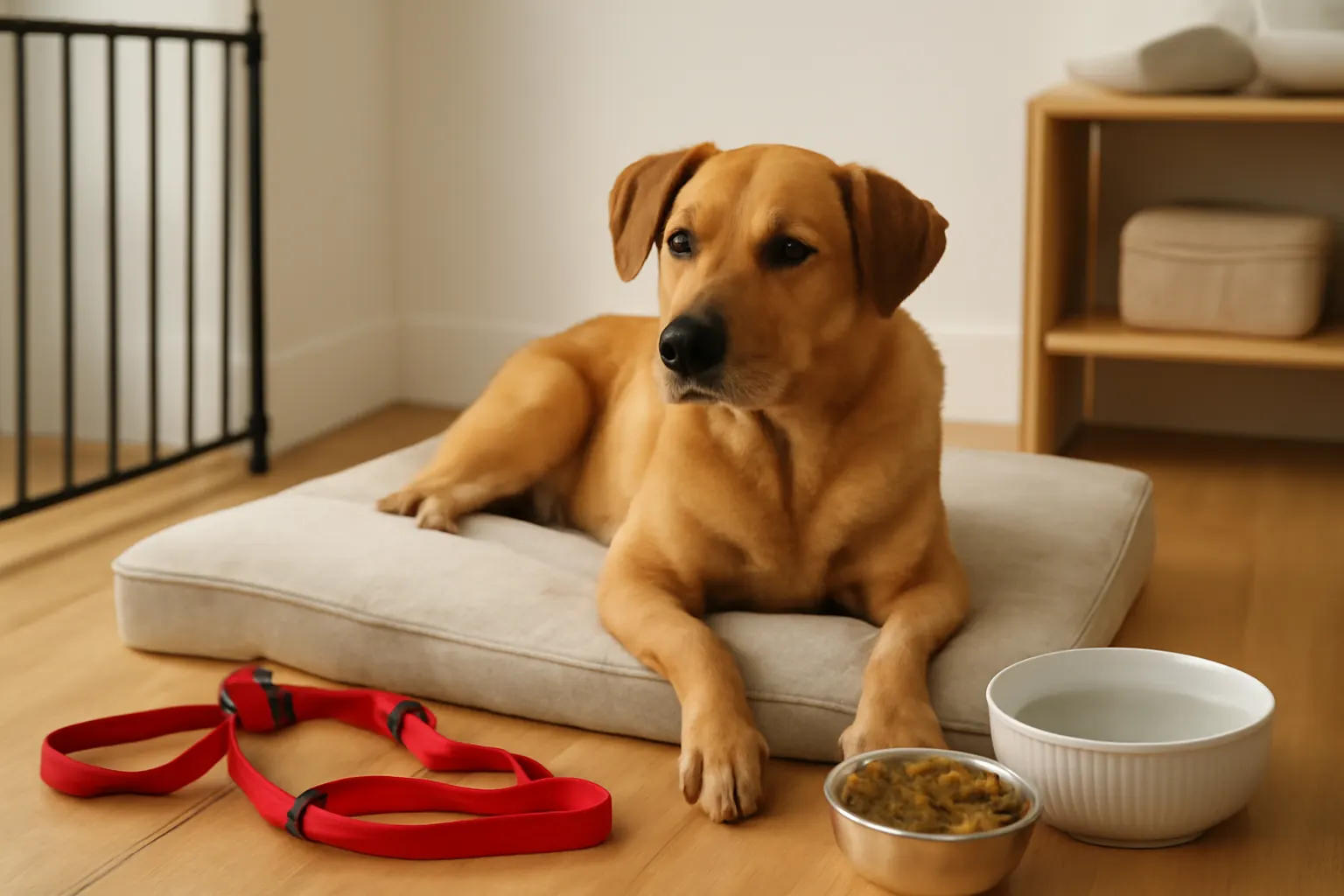
Resource guarding is a dog's tendency to defend items they consider valuable from real or perceived threats. It can include growling, snarling, freezing, snapping, or biting to keep perceived intruders away from resources such as food bowls, chew toys, bones, beds, or even their favored people. Rooted in survival instincts, this behavior can sometimes become problematic in domestic homes if left unaddressed.
Recognizing the Signs of Resource Guarding
Early recognition helps in managing resource guarding before it escalates. Common signs include:
- Growling or snarling when someone approaches a guarded item.
- Body freezing or stiffening when approached with an object.
- Snapping or biting if warning signs are ignored.
- Backing away while still guarding, or standing protectively over the item or space.
- Refusing to drop an item or retreat from a guarded area.
Common Owner Mistakes That May Worsen Resource Guarding
Unintentional owner actions can heighten fear or aggression in dogs exhibiting resource guarding. Avoid these mistakes:
- Harsh punishment: This can increase a dog’s fear, anxiety, and aggression, worsening guarding behavior.
- Forceful item removal: Snatching items can escalate tension and lead to defensive reactions.
- Ignoring subtle warnings: Overlooking growls or stiffening can lead to bites or other unsafe incidents.
- Poor environment management: Letting a dog have free access to highly valued items without supervision encourages guarding.
Step-by-Step Strategies for Managing Resource Guarding
Effective management requires patience, consistency, and the use of positive reinforcement. Here is a detailed guide:
- Identify Trigger Items: Carefully observe which objects or situations your dog guards most. Avoid sudden approaches to these triggers during initial training.
- Use Positive Reinforcement Commands: Teach commands like "Drop It" and "Leave It" by rewarding voluntary release of items with treats and praise. Start training with low-value items and gradually progress to higher-value ones.
- Implement the Trade-Up Method: Always offer a higher-value treat in exchange for the guarded object to encourage willingness to relinquish it. For example, trade a toy for a piece of cooked chicken.
- Practice Desensitization and Counterconditioning: Gradually accustom your dog to people approaching cherished items without threat. Begin at a distance and pair the approach with positive experiences such as treats or affection. Slowly decrease the distance over several sessions.
- Example: Approach your dog’s food bowl briefly, dropping a treat nearby, then retreat. Repeat, shortening the distance only when your dog remains calm.
- Manage the Environment Proactively: Separate dogs during mealtimes, remove tempting items when unattended, and create safe spaces where your dog can relax without disturbance.
- Practice Regular and Consistent Training: Short, positive training sessions daily help reinforce non-guarding behaviors and build your dog’s confidence.
Common Owner Mistakes to Avoid
Understanding what not to do is as crucial as knowing the training steps. Here are additional practical mistakes to watch for:
- Rushing the process: Resource guarding is complex and requires gradual progress; impatience can stress your dog and set back training.
- Overloading the dog: Avoid overwhelming your dog by introducing too many changes or training sessions at once.
- Inconsistent rules: Ensure all family members follow the same rules and training commands to prevent confusion and setbacks.
- Failing to monitor interactions with children: Children may inadvertently provoke guarding; supervision and education on safe handling are essential.
When to Seek Professional Help
If your dog's resource guarding involves biting, lunging, or if you feel unsafe managing the behavior, it is crucial to consult a veterinarian, certified veterinary behaviorist, or an experienced professional dog trainer specializing in behavior modification. Early intervention can prevent escalation and helps ensure safety for all household members. Professionals can tailor behavior plans suited to your dog’s specific needs.
Safety Tips for Managing Resource Guarding
- Never punish growling: Growling is a warning and helps prevent biting by signaling discomfort.
- Supervise interactions: Closely watch dogs, especially with children, during potentially triggering situations.
- Use positive reinforcement: Focus on rewards and calm redirection rather than punishment or force.
- Remove access to high-value items: When guarding is severe, keep treasured objects out of reach to prevent incidents.
- Maintain calm and confident body language: Dogs respond to their owner’s demeanor, so remain steady and composed during training.
Practical Owner Scenarios and Tips
Feeding Time: If your dog growls when approached during meals, try standing several feet away while tossing treats into their food bowl, gradually moving closer over time. Avoid grabbing the bowl or food abruptly. This builds trust and reduces guarding over time.
Toys and Chews: Engage your dog with interactive games where they can "trade" toys for treats voluntarily. Frequently use the "trade-up" technique during playtime to reinforce positive associations with giving up items.
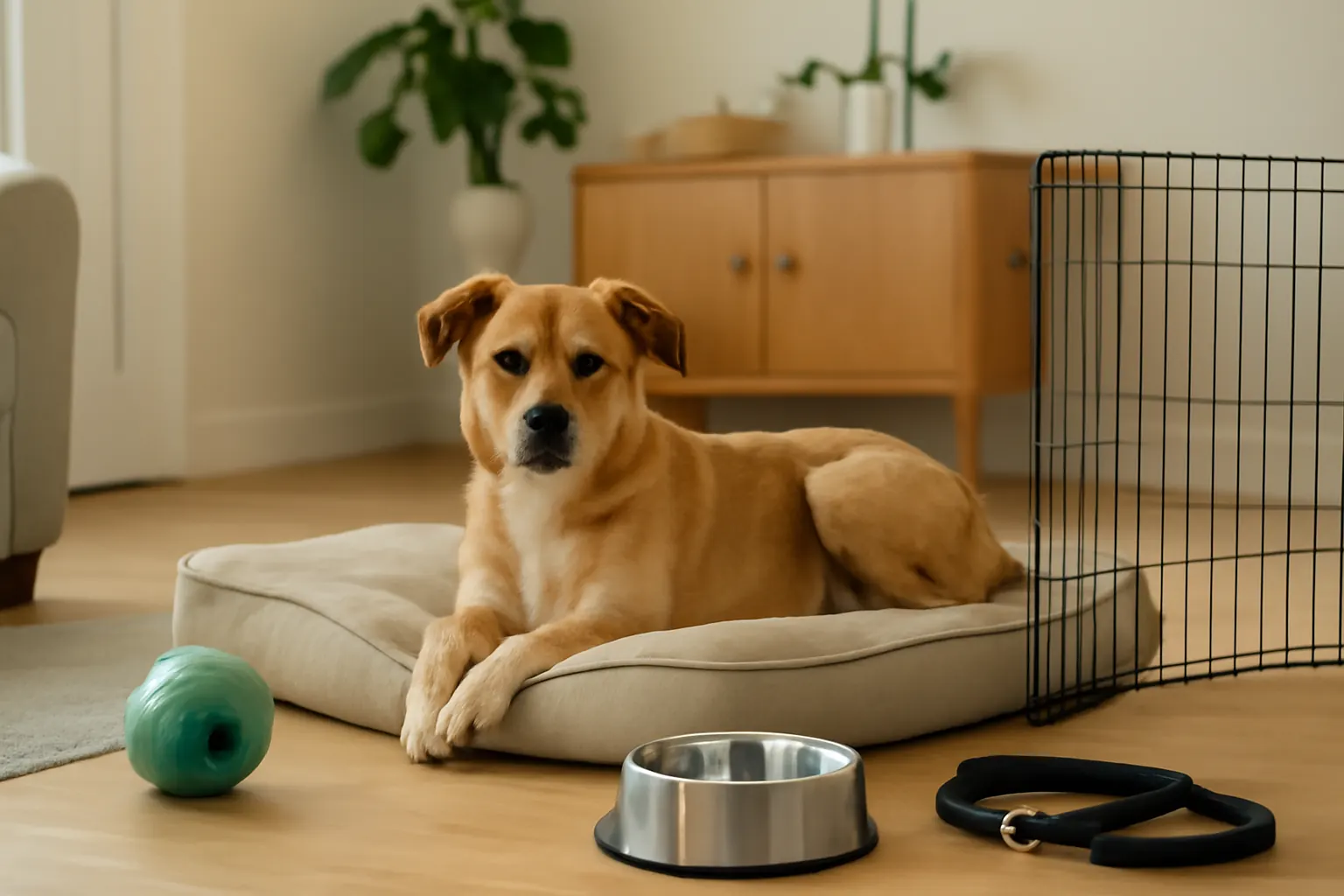
Resting Spots: Teach your dog to willingly share favored spaces by rewarding calm behavior and allowing gentle access only when invited. Use a command like "place" to direct them to a specific location, providing clear boundaries.
Step-by-Step Owner Guidance for a Training Session
- Start in a calm environment: Ensure minimal distractions and a relaxed dog.
- Introduce a low-value item: Present the item and let your dog hold it comfortably.
- Approach slowly: Move slowly toward the dog while offering a higher-value treat.
- Give the command: Use "Drop It" or "Leave It" clearly and calmly.
- Reward immediately: Give the treat the moment your dog releases the item and praise warmly.
- Repeat: Repeat multiple short sessions, gradually increasing item value and proximity.
- Note reactions: Stop and retreat if your dog shows signs of stress, and move back to a previous easier step.
Summary
Resource guarding is a natural canine behavior that can be effectively managed by recognizing early signs, avoiding common mistakes, and applying positive, step-wise training techniques. Consistency and patience, combined with professional guidance when necessary, ensure a safe and harmonious home where both dogs and family members feel secure and respected.
FAQ
Is resource guarding common in all dogs?
Yes, resource guarding is a natural behavior seen in many dogs to some degree, though its intensity varies by individual dog and situation.
What should I do if my dog growls when I approach their food?
Avoid punishing the growl. Instead, use positive reinforcement to associate your approach with good things like treats, gradually reducing guarding behavior over time.
Can resource guarding be completely cured?
While resource guarding can often be effectively managed with training and behavior modification, some dogs may retain guarding instincts. The goal is to minimize unsafe behavior and create a safe environment.
When is professional help necessary for resource guarding?
Seek professional help if your dog shows aggressive behaviors like biting, if you feel unsafe handling the behavior, or if your attempts at training have not improved guarding.