rescue
Helping Senior Dogs Thrive After Adoption: A Comprehensive Expert Guide for New Owners
Adopting a senior dog is a rewarding commitment requiring specialized care. This expert guide offers expanded practical advice, detailed daily routines, common pitfalls, and veterinary recommendations to help senior dogs thrive and enjoy fulfilling lives in their new homes.
Welcoming a senior dog into your family—typically classified as a dog aged seven years or older, though this can vary by breed size—is a deeply compassionate and rewarding decision. Senior dogs often present distinct health and behavioral needs shaped by their age, breed, and past experiences. Successfully supporting a senior dog after adoption requires understanding these unique requirements, ensuring they receive specialized care to thrive and enjoy a high quality of life.
This comprehensive guide offers expert-backed insights into the common age-related health challenges, emotional needs, and best practices for adapting your home and daily routines to support your new senior canine companion. With practical strategies and veterinary recommendations, you can confidently navigate the rewarding journey of senior dog adoption.
Understanding the Unique Health and Behavioral Needs of Senior Dogs
Senior dogs face physiological and psychological changes that necessitate more attentive, proactive care. Recognizing these shifts early improves outcomes and enhances your dog's wellbeing.
- Arthritis and Degenerative Joint Disease: Affecting many aging dogs, arthritis leads to joint pain, stiffness, and mobility challenges. Signs include reluctance to climb stairs, difficulty rising, limping, or decreased enthusiasm for walks or play.
- Sensory Decline: Vision and hearing typically deteriorate with age, causing disorientation or increased anxiety, especially in new environments.
- Dental Disease: Periodontal disease is prevalent among senior dogs and contributes to pain, difficulty eating, weight loss, and systemic infections if untreated.
- Chronic Illnesses: Common diseases such as kidney disease, heart disease, diabetes, and cognitive dysfunction syndrome (canine dementia) require vigilant monitoring and ongoing treatment.
- Behavioral and Emotional Changes: Anxiety, irritability, confusion, and social withdrawal might indicate both physical discomfort and stress from environmental or emotional trauma.
Attentive owners will notice subtle signs such as mild limping, slight appetite shifts, altered social interactions, or disorientation early on. Prompt recognition and veterinary partnership for routine wellness exams and diagnostics are essential for managing these changes effectively.
Advanced Health Monitoring and Preventive Care Practices
Implementing systematic health care upon adoption sets the foundation for your senior dog's ongoing well-being:
- Comprehensive Veterinary Exams: Arrange a thorough baseline exam soon after adoption, including blood panels, urinalysis, dental assessment, and any needed imaging. Follow-up visits every 4-6 months, tailored to individual health status, allow early detection of emerging issues.
- Custom Medication and Supplement Plans: Collaborate with your vet to develop regimens including supplements like glucosamine, chondroitin, omega-3 fatty acids, and antioxidants that support joint, cognitive, and cardiovascular health. Pain management options may encompass prescription medications, physical therapy, acupuncture, or integrative care.
- Senior-Specific Nutrition: Choose nutritionally balanced diets formulated for senior dogs, addressing metabolism changes, weight management, and digestive sensitivity. Gradually transition foods to observe tolerance and maintain ideal body condition. Sometimes prescription diets may be advisable for chronic conditions.
- Consistent Dental Hygiene: Maintain regular tooth brushing with canine-specific toothpaste, offer dental chews designed to reduce plaque, and schedule professional cleanings to prevent periodontal disease complications.
- Mental and Sensory Enrichment: Provide scent games, interactive puzzles, and gentle training activities that stimulate cognitive function and diminish anxiety caused by sensory loss.
Emotional and Behavioral Support: Building Trust and Security
Many senior dogs face emotional hurdles due to past neglect, abandonment, or trauma. Providing emotional support fosters recovery and comfort:
- Establish Predictable Routines: Consistent feeding, exercise, and rest schedules reduce anxiety and build security.
- Gradual Socialization: Slowly introduce new people, pets, and environments. Monitor stress signals like yawning or lip licking and adjust exposure to avoid overwhelming your dog.
- Tailored Enrichment: Modify play and exercise to fit mobility limits. Emphasize mental stimulation through scent tracking, obedience training, and puzzle feeders.
- Patient, Gentle Handling: Employ calm voices and slow, reassuring movements. Reward progress with positive reinforcement to nurture trust and reduce fear.
Adapting Your Home Environment for Senior Dog Comfort and Safety
A safe, senior-appropriate home supports your dog's independence and comfort:
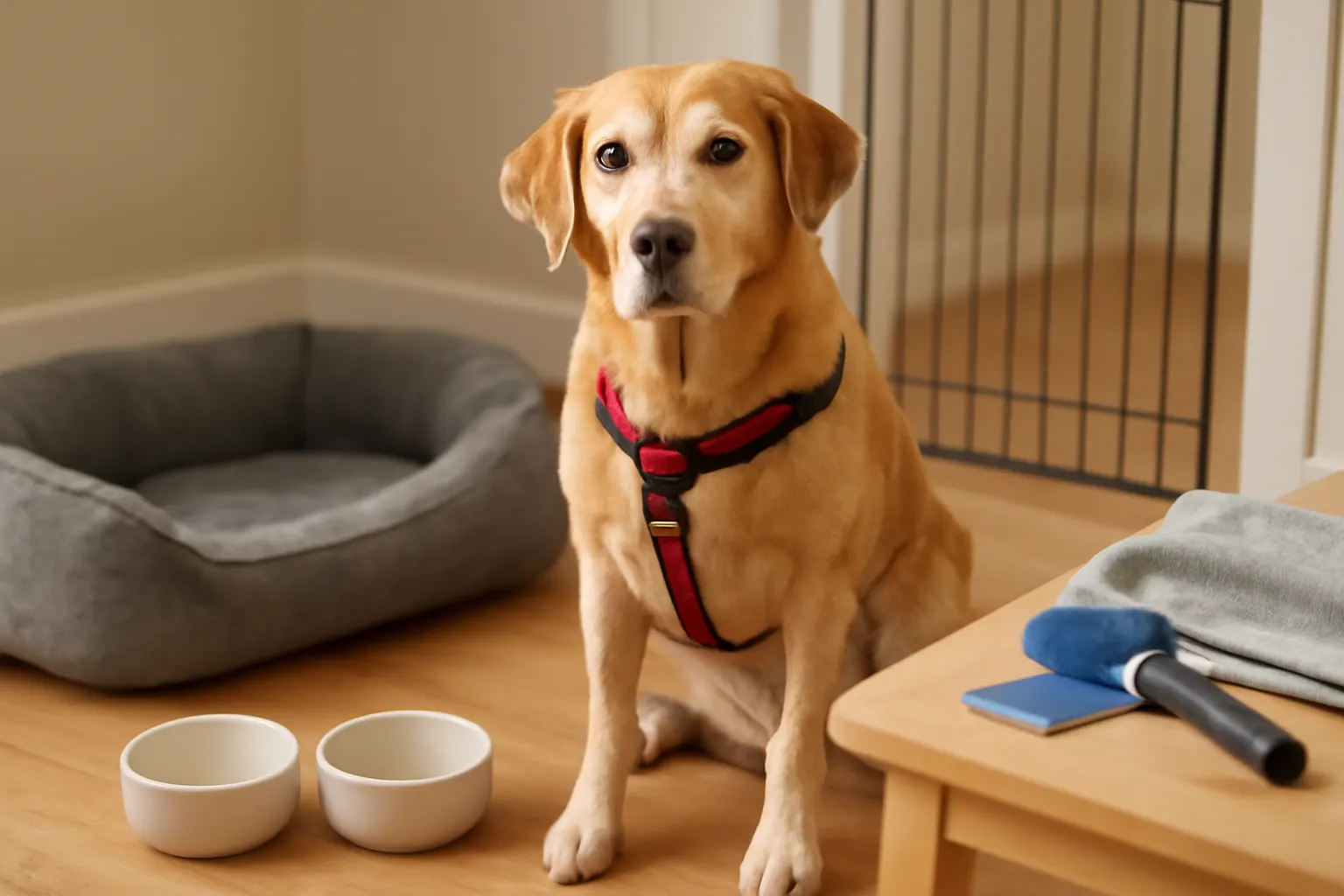
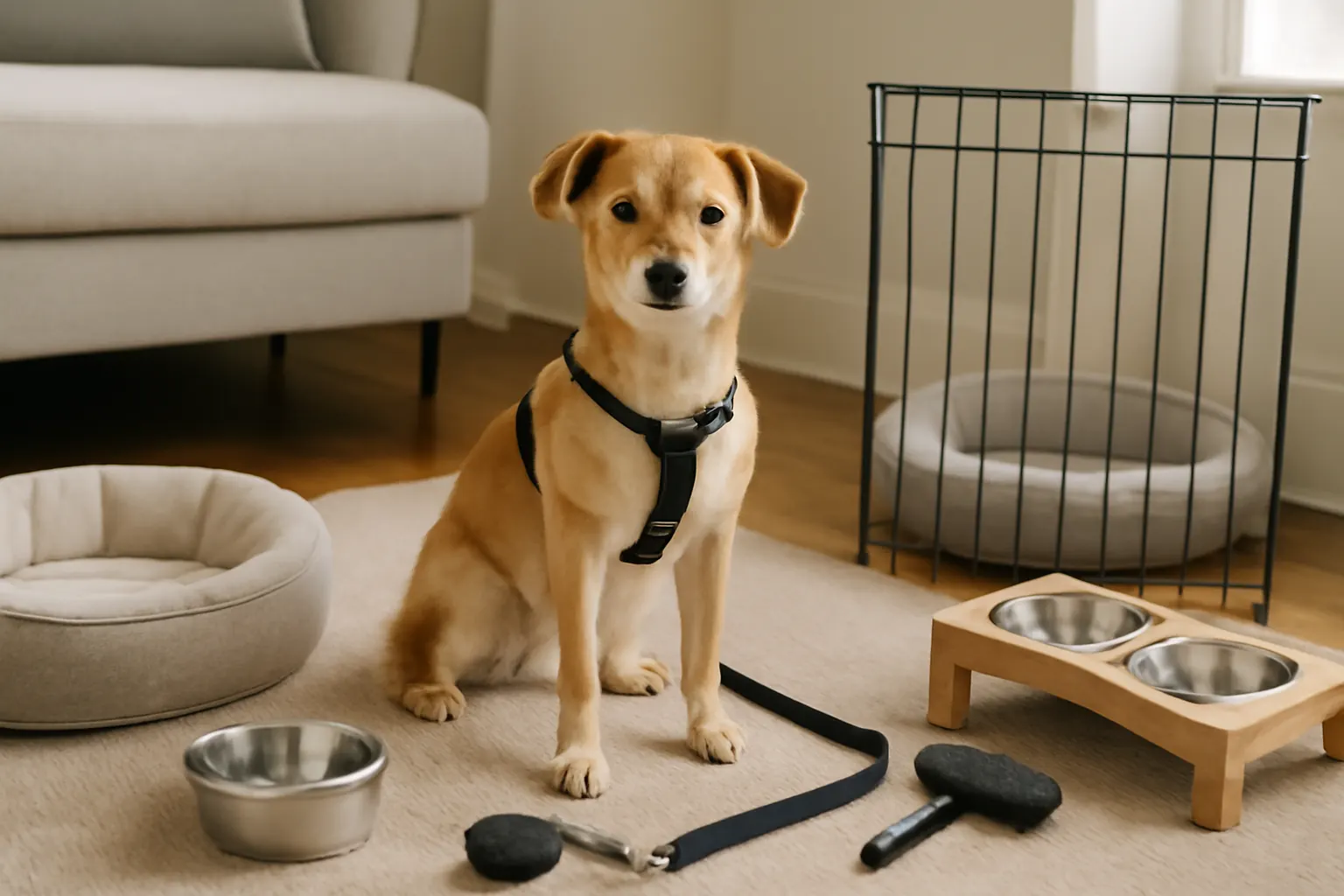
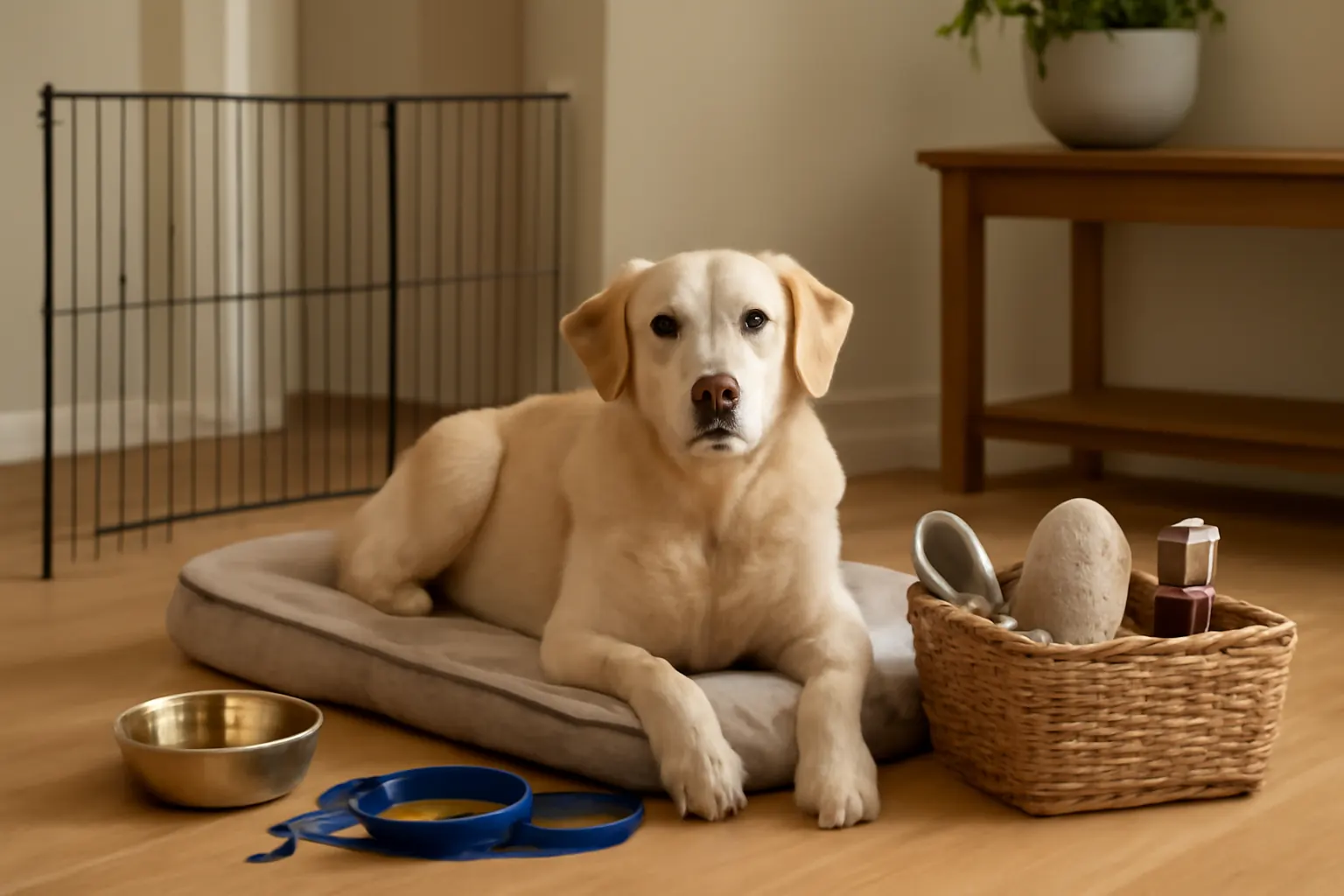
- Orthopedic Bedding: Support joints with beds designed to relieve pressure and cushion aches.
- Mobility Aids: Provide ramps, pet stairs, and non-slip mats to facilitate access to favorite spots and reduce fall risk.
- Non-Slip Flooring: Cover slippery surfaces with rugs, rubber mats, or traction tape to enhance footing and confidence.
- Elevated Food and Water Bowls: Height-adjusted dishes reduce neck strain and ease feeding, especially for dogs with arthritis or dental issues.
- Quiet Rest Zones: Designate calm, low-traffic areas for restful sleep away from household activity or noise.
- Proper Lighting: Brighten corridors and common areas to aid navigation for dogs with vision impairments and decrease anxiety.
Detailed Step-by-Step Daily Care Routine
Consistent daily care helps monitor health and maintain quality of life:
- Careful Mobility and Comfort Observation: Watch how your dog moves: note limping, stiffness, or reluctance to jump. Look for signs of pain in resting postures, and report changes to your vet promptly.
- Monitor Nutrition and Hydration: Track appetite and water intake. Offer multiple smaller meals and warm food if dental pain is present to encourage eating and hydration.
- Grooming and Skin Care: Regular brushing boosts circulation, maintains coat health, and allows early detection of skin issues, lumps, or parasites.
- Mental Engagement: Incorporate simple obedience commands, scent games, and puzzle toys to support brain function.
- Bathroom Access and Behavior Monitoring: Ensure easy outdoor access and observe urination and defecation patterns for any abnormalities or changes.
- Track Emotional and Behavioral Health: Note shifts in mood, social interaction, or sleep patterns that might indicate distress or cognitive decline.
Common Mistakes to Avoid When Caring for Senior Dogs
- Ignoring Subtle Pain or Health Signs: Mistaking all changes for normal aging delays critical diagnosis and treatment. Vigilance and veterinary evaluation matter.
- Overexertion: Avoid strenuous activities; opt for gentle walks or vet-advised physical therapies suited to your dog’s condition.
- Skipping Routine Vet Visits: Preventive care is fundamental for managing chronic conditions and detecting new illnesses early.
- Sudden Changes in Routine or Environment: Abrupt adjustments can increase confusion and anxiety; introduce changes slowly and patiently.
- Neglecting Nutrition and Dental Care: These key areas greatly influence comfort, mobility, and overall health.
When to Consult Your Veterinarian
Your veterinarian is essential for guiding senior dog care. Seek prompt consultation if your dog exhibits:
- Rapid, unexplained changes in weight, appetite, or water consumption.
- Worsening mobility difficulties such as limping, stiffness, or refusal to move.
- Gastrointestinal distress lasting over 48 hours, including vomiting or diarrhea.
- Confusion, aggression, withdrawal, or new behavioral shifts.
- Respiratory difficulty, skin sores, or urinary abnormalities.
Supporting Your Senior Dog’s Transition into Their New Home
Easing the transition enhances your dog’s emotional wellbeing and adjustment:
- Provide Familiar Comforts: Offer bedding or toys from their previous home to present reassuring scents and familiarity.
- Introduce Changes Gradually: Slowly acclimate your dog to new people, pets, and environments to prevent overwhelm and build confidence.
- Communicate with All Caregivers: Ensure everyone involved understands the dog’s medical history, behavior cues, medication schedules, and routines for consistency and effective support.
- Set Realistic Expectations: Patience is crucial; building comfort and trust can require weeks to months. Celebrate small progress milestones.
- Use Care Tracking Tools: Maintain logs or digital records of medications, veterinary visits, behavior changes, and health notes to facilitate early issue detection and continuity.
Practical Owner Scenarios with Veterinary Guidance
- Mobility Improvement: Introduce ramps with rewards to help reach elevated resting spots. Vet-recommended physical or hydrotherapy can support joint health.
- Encouraging Appetite: Softening or warming food soothes dental discomfort. Professional dental care is vital for underlying health.
- Recognizing Behavioral Changes: Increased disorientation or agitation signals possible cognitive dysfunction. Early veterinary evaluation enables supportive care.
- Informed Treatment Decisions: Develop care plans through quality-of-life assessments with your veterinarian, prioritizing comfort and dignity.
- Managing Anxiety and Cognitive Symptoms: Consult vets or certified behaviorists for tailored behavior therapies and, if warranted, medication.
Managing Chronic Pain and Enhancing Comfort
Chronic pain, often from arthritis, is frequently underdiagnosed but heavily impacts senior dogs. Signs include reluctance to jump, avoidance of stairs, or diminished playfulness. Effective management combines prescription pain medication, physical rehabilitation, hydrotherapy, and acupuncture.
Home care measures such as orthopedic beds, gentle massages, and heat therapy can alleviate discomfort. Never administer human pain medications without veterinary approval due to toxicity risks. Comprehensive pain control improves mobility, mood, and life quality.
Authoritative Resources for Senior Dog Care
- ASPCA Adoption Tips – Trusted animal welfare guidance on adopting pets responsibly.
- Humane Society Adoption Resources – Comprehensive shelter adoption knowledge.
- American Veterinary Medical Association Pet Owner Resources – Veterinary expertise on senior pet care and preventive health.
- American Kennel Club Senior Dog Care Guide – Detailed advice covering nutrition, health, and behavior for aging dogs.
- Veterinary Centers of America (VCA) Aging in Dogs – Veterinary insights on the aging process and care practices.
- PetMD Senior Dog Care Guide – Practical veterinary knowledge on managing senior dog health and behavior.
- Merck Veterinary Manual: Aging in Dogs – Authoritative veterinary resource outlining geriatric care and diseases.
- Cornell University College of Veterinary Medicine: Older Pets Care – Expert information on aging pet health management.
Conclusion
Adopting a senior dog enriches both your life and theirs, offering deep fulfillment through compassionate care tailored to their specialized needs. By committing to proactive health monitoring, emotional support, environmental adaptations, and close collaboration with veterinary professionals, you can ensure your senior companion enjoys comfort, dignity, and happiness well into their golden years. Patience, knowledge, and consistent care foster a thriving, meaningful bond that honors the unique journey of an adopted senior dog.
FAQ
What are the most important health issues to watch for in an adopted senior dog?
Monitor for arthritis-related pain, dental problems, kidney and heart function, sensory decline, appetite changes, and mobility difficulties. Regular veterinary exams are essential for early detection and management.
How can I best adapt my home environment for a senior dog?
Provide orthopedic beds to cushion joints, ramps or pet stairs to ease mobility, non-slip rugs or mats to prevent falls, elevated food and water bowls for comfortable eating, quiet resting areas away from noise, and sufficient lighting to assist navigation for dogs with impaired vision.
When should I seek veterinary care for my senior dog?
Seek veterinary advice immediately if your dog experiences rapid or unexplained changes in eating, drinking, movement, behavior, signs of pain or confusion, or persistent symptoms such as vomiting, diarrhea, or breathing difficulties lasting longer than 48 hours.
How can I help a senior dog adjust emotionally after adoption?
Establish consistent daily routines, introduce new people and environments gradually, provide gentle handling and positive reinforcement, and use familiar comfort items like blankets or toys to reduce anxiety and build trust.
What are effective ways to manage chronic pain in senior dogs?
Work with your veterinarian to develop a pain management plan including medications, physical therapy, acupuncture, and home care measures such as orthopedic beds and gentle massage. Avoid human medications unless prescribed by your vet.