dogs
A Practical Guide to Managing Your Dog’s Shedding Year-Round
Shedding is a natural part of your dog’s life, but effective management can enhance your dog's comfort and keep your home cleaner. Explore detailed, actionable expert advice, common owner pitfalls, and step-by-step guidance to handle shedding through every season.
Understanding Why Dogs Shed
Shedding is a natural biological process where dogs lose old or damaged hair to enable new hair growth. Shedding patterns vary widely depending on your dog's breed, age, health status, living environment, and seasonal changes. Double-coated breeds like Siberian Huskies and Golden Retrievers typically shed heavily twice a year, while breeds like Poodles and Bichon Frises shed minimally year-round.
Understanding your dog’s specific shedding cycle is key to managing it effectively. Shedding can be influenced by the length and texture of the coat, hormonal changes, and even environmental factors like indoor heating or humidity.
Common Causes of Excessive Shedding
- Seasonal Changes: Most dogs shed more during spring and fall as they lose their winter or summer coat to adapt to changing temperatures.
- Nutrition: A diet lacking essential nutrients such as omega-3 and omega-6 fatty acids can lead to dry skin and increased shedding.
- Skin Health Issues: Parasites (fleas, mites), allergies (food or environmental), bacterial or fungal infections, and dry or irritated skin often cause abnormal or excessive hair loss.
- Stress and Hormonal Imbalances: Illness, anxiety, or hormonal disorders like hypothyroidism and Cushing’s disease can trigger notable shedding changes.
- Underlying Medical Conditions: Certain systemic illnesses, autoimmune diseases, or nutritional deficiencies may also lead to patchy or significant hair loss requiring veterinary diagnosis.
In-Depth Practical Steps to Manage Dog Shedding
- Regular and Appropriate Grooming: Tailor your grooming sessions to your dog’s coat type. For short-haired breeds, weekly brushing can suffice, while thick double-coated breeds may require daily brushing during peak shedding periods to remove loose fur efficiently and avoid matting. For example, start with gentle brushing sessions of about 10-15 minutes daily when shedding increases, gradually increasing as needed to keep loose hair under control.
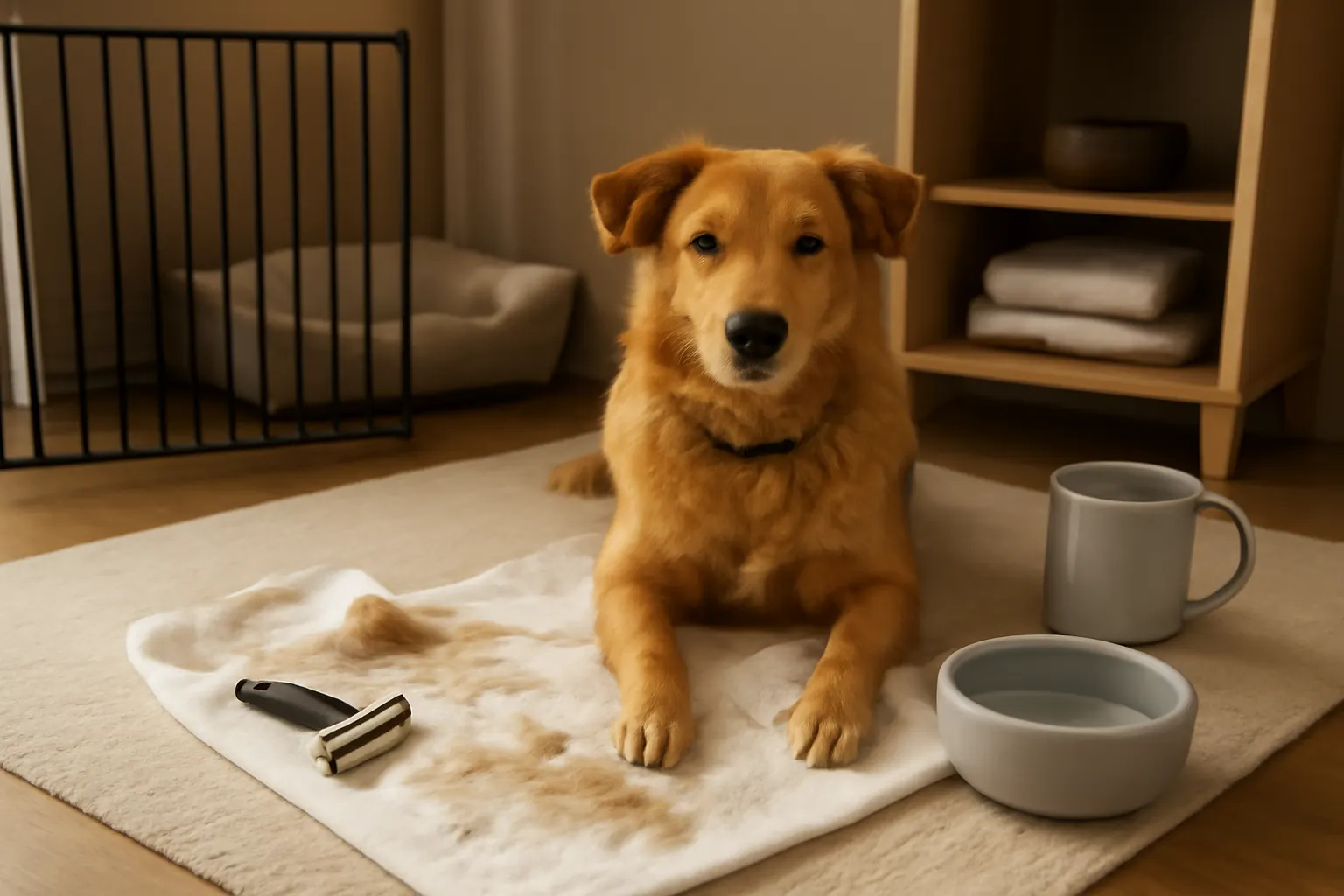
- Select the Right Grooming Tools: Different coat types require different tools. Slicker brushes are excellent for thick coats, de-shedding tools target the undercoat without damaging topcoats, and grooming gloves aid in gentle hair removal. Avoid over-brushing or harsh tools that can irritate the skin. Consider investing in a tool specifically designed for your dog's breed for optimal results.
- Maintain a High-Quality, Balanced Diet: Feed your dog premium dog food enriched with omega fatty acids (EPA and DHA) and vitamins such as Vitamin E and Biotin. These nutrients promote healthy skin and a shiny coat, reducing excessive shedding. Consult your vet to choose supplements if necessary. Monitor your dog’s weight and coat condition regularly as indicators of dietary health.
- Hydrate and Protect Skin: Keeping your dog’s skin hydrated is vital. Use vet-approved moisturizing sprays or conditioners after baths, especially if the indoor environment is dry. Adding omega fatty acid supplements can also improve skin hydration. If you notice flaky or rough skin, increasing humidity with a humidifier or providing additional skin care can help reduce discomfort and shedding.
- Regular Bathing: Bathe your dog with mild, hypoallergenic shampoos designed for canine skin. Bathing removes loose hair and dirt, soothing the skin. However, avoid frequent bathing—once a month or as advised by your vet—since over-bathing can strip natural oils and cause dryness. Always brush your dog before bathing to loosen and remove dead hair efficiently.
- Parasite and Allergy Control: Use veterinarian-recommended flea and tick preventatives year-round. If allergies are suspected (e.g., frequent itching, redness), consult your vet for appropriate allergy testing and treatment to reduce shedding triggered by skin irritation. Early intervention can prevent chronic skin damage and excessive hair loss.
- Reduce Stress and Maintain Activity: Stress increases shedding in dogs. Provide a calm environment, consistent routines, regular exercise, and mental stimulation to minimize stress-induced hair loss. Activities like daily walks, playtime, and training sessions can enhance well-being and reduce shedding caused by anxiety.
- Seasonal Grooming Intensification: Increase grooming frequency during peak shedding seasons (spring and fall). Consider professional grooming appointments for breeds that shed heavily, which can prevent matting and remove dead undercoats correctly. Professional groomers can also offer advice customized to your dog's coat type and local climate.
- Environmental Adjustments: Use humidifiers in dry climates to maintain skin moisture. Regular vacuuming and cleaning also help manage shed hair around your home effectively. Consider using washable covers on furniture and designated grooming areas to contain shedding messes.
Step-by-Step Seasonal Shedding Management Plan
- Pre-Spring Grooming: Begin increasing brushing frequency 2-3 weeks before shedding accelerates. Inspect your dog's coat and skin for any irregularities or signs of irritation.
- Spring Routine: Brush daily using de-shedding tools to effectively remove loose undercoat hairs. Bathe monthly with moisturizing, hypoallergenic shampoo to soothe skin and wash away dead fur. Maintain balanced diet and supplements to support coat health.
- Summer Care: Reduce bathing frequency but maintain weekly brushing. Warm weather can cause increased sweating and dirt buildup, so regular brushing removes debris and dead hair while keeping skin healthy.
- Fall Preparation: Similar to spring, increase grooming and bathing to prepare for the winter coat shed. Consider scheduling a professional grooming session if your dog has a dense or thick coat.
- Winter Maintenance: Keep brushing consistent to avoid matting and tangling. Use humidifiers indoors to protect skin from drying due to indoor heating systems. Monitor skin for any dryness or irritation during colder months.
Common Owner Mistakes to Avoid
- Neglecting Brushing: Skipping regular brushing causes mats, traps dirt, and increases shedding around the home. Establish a consistent routine to maintain coat health and minimize loose hair.
- Using Inappropriate Grooming Products: Human shampoos or harsh detergents can irritate your dog’s skin and worsen shedding. Always use products specifically formulated for dogs, preferably recommended by your veterinarian or a professional groomer.
- Ignoring Dietary Impact: Poor-quality food lacking nutrients essential for skin and coat health contributes to excessive shedding. Avoid sudden diet changes without veterinary guidance to prevent digestive and coat health issues.
- Delaying Veterinary Care: Waiting too long when shedding is sudden, patchy, or accompanied by skin issues can lead to worsening health problems. Early diagnosis and treatment can prevent complications.
- Overbathing or Underbathing: Excessive bathing strips natural oils, causing flaky skin and shedding; too infrequent bathing may leave dead hair and skin debris to accumulate. Follow recommended bathing schedules.
- Failing to Address Parasites or Allergies Promptly: These often underlie chronic shedding and associated discomfort. Regular preventive treatments and veterinary assessments are essential.
When to Contact Your Veterinarian
Consult your veterinarian if you notice:
- Sudden or excessive shedding that differs from your dog’s usual pattern.
- Patchy hair loss with red, inflamed, or scaly skin.
- Intense itching, licking, or scratching behavior.
- Behavioral changes such as lethargy or loss of appetite accompanying shedding.
- Signs of parasites or infections.
- Persistent dryness or flakiness despite home care.
Your vet can perform thorough skin examinations, allergy testing, blood work, and parasite screening to diagnose the cause of abnormal shedding. Early diagnosis ensures targeted treatment and prevents complications.
Additional Tips for Managing Shedding in Multi-Pet Households
- Assign separate grooming tools for each pet to avoid cross-contamination of parasites or allergens.
- Schedule staggered grooming times to avoid stress and ensure each pet gets adequate attention.
- Use air purifiers to help reduce allergens caused by pet dander in shared living spaces.
- Implement regular cleaning routines targeting areas frequented by your pets to manage accumulated hair.
Sources
- American Kennel Club: Grooming Tips
- VCA Hospitals: Skin Allergy and Disease in Dogs
- Humane Society: Dog Care Resources
- ASPCA: Common Dog Skin Conditions
- PetMD: How to Control Dog Shedding
- AVMA: Dog Care and Grooming
- Dog Health: Skin Allergies and Shedding
- Veterinary Partner: Hair Loss Causes and Care
- PetCoach: Why Do Dogs Shed?
- Dogster: How to Stop Dog Shedding
Summary
Effectively managing your dog’s shedding requires understanding the biological process, paying attention to seasonal and health factors, and maintaining consistent grooming and nutrition routines tailored to your dog's specific needs. Avoid common mistakes such as neglecting grooming or using harsh products, and seek veterinary care promptly when shedding signals underlying health issues. With proactive care, you can enhance your dog's comfort, coat quality, and maintain a cleaner home environment year-round.
FAQ
How often should I brush my dog to control shedding?
Frequency depends on your dog's breed and coat type, but generally brushing 2-3 times a week is recommended. Heavy-shedding breeds may benefit from daily brushing during peak shedding seasons to manage loose fur effectively.
Can diet really affect my dog's shedding?
Yes, a balanced diet rich in fatty acids, vitamins, and minerals supports healthy skin and coat, which can reduce excessive shedding. Poor nutrition often leads to dry, dull coats and increased hair loss.
When is shedding a sign of a medical problem?
Shedding may signify a medical problem if it is sudden, patchy, or accompanied by itching, redness, sores, or behavioral changes. These symptoms could indicate infections, parasites, allergies, or hormonal imbalances, necessitating veterinary evaluation.
What grooming tools are best for managing shedding?
Tools like slicker brushes, de-shedding tools (e.g., Furminator), and grooming gloves are effective for different coat types. Choosing the correct tool tailored to your dog's coat helps remove loose hair safely and efficiently.
How can I help my dog’s skin stay hydrated to reduce shedding?
Using vet-approved moisturizing sprays or conditioners after bathing and adding omega fatty acid supplements to your dog’s diet can help maintain skin hydration and reduce excess shedding.