cats
A Comprehensive Guide to Preventing and Managing Litter Box Issues in Cats
Litter box problems can be frustrating for cat owners and stressful for cats. Understand causes, prevention strategies, and management tips including step-by-step guidance, common mistakes, and when to see a vet.
Understanding Litter Box Issues in Cats
Litter box problems rank among the most frequent behavioral challenges for cat owners. When a cat stops using its litter box, they may urinate or defecate outside the box, causing frustration for owners and stress for the cat. Early recognition of causes and thoughtful management promote a healthier and happier environment for cats and people alike.
Common Causes of Litter Box Problems
- Medical Issues: Urinary tract infections (UTIs), bladder stones, arthritis, or other health conditions can cause pain or difficulty in litter box use, prompting avoidance. Prompt veterinary diagnosis and treatment are essential when changes in litter box habits appear. (aspca.org)
- Litter Box Cleanliness: Cats are naturally clean and often refuse dirty or strongly scented boxes. Daily scooping and thorough weekly cleaning with mild, unscented cleaners keep boxes inviting. (petmd.com)
- Litter Type: Cats can be sensitive to the litter's texture and scent. Some prefer fine clumping litters; others reject scented or coarse types. Offering options and monitoring preferences prevent avoidance. (petmd.com)
- Location of the Litter Box: Boxes in noisy, busy, or hard-to-access spots deter use. A quiet, private, and reachable place reduces stress and encourages consistent use. (merckvetmanual.com)
- Stress or Environmental Changes: New pets, furniture rearrangement, or altered routines can cause anxiety affecting litter box habits. Managing stress with routine and safe spaces is important. (aspca.org)
- Insufficient Number of Litter Boxes: Too few boxes in multi-cat households can cause territorial disputes and avoidance. The recommended rule is one litter box per cat, plus one extra for good measure. (merckvetmanual.com)
Step-by-Step Guidance to Prevent and Manage Litter Box Issues
- Ensure Enough Litter Boxes: Follow the "one box per cat plus one" guideline. In multi-level homes, place boxes on every floor for accessibility. This minimizes territorial stress and promotes consistent litter box use. (merckvetmanual.com)
- Maintain Cleanliness: Scoop daily to remove waste and clumps, keeping the box inviting. Wash boxes weekly with mild, unscented soap, avoiding ammonia-based cleaners that mimic cat urine and can deter use. Use enzymatic cleaners for accidents to neutralize odors effectively. (petmd.com)
- Choose Suitable Litter: Typically, unscented, clumping litter is favored for odor control and cleaning ease. If your cat avoids the box, try offering different textures or natural litters. Avoid dusty or strongly scented varieties that cause discomfort. (petmd.com)
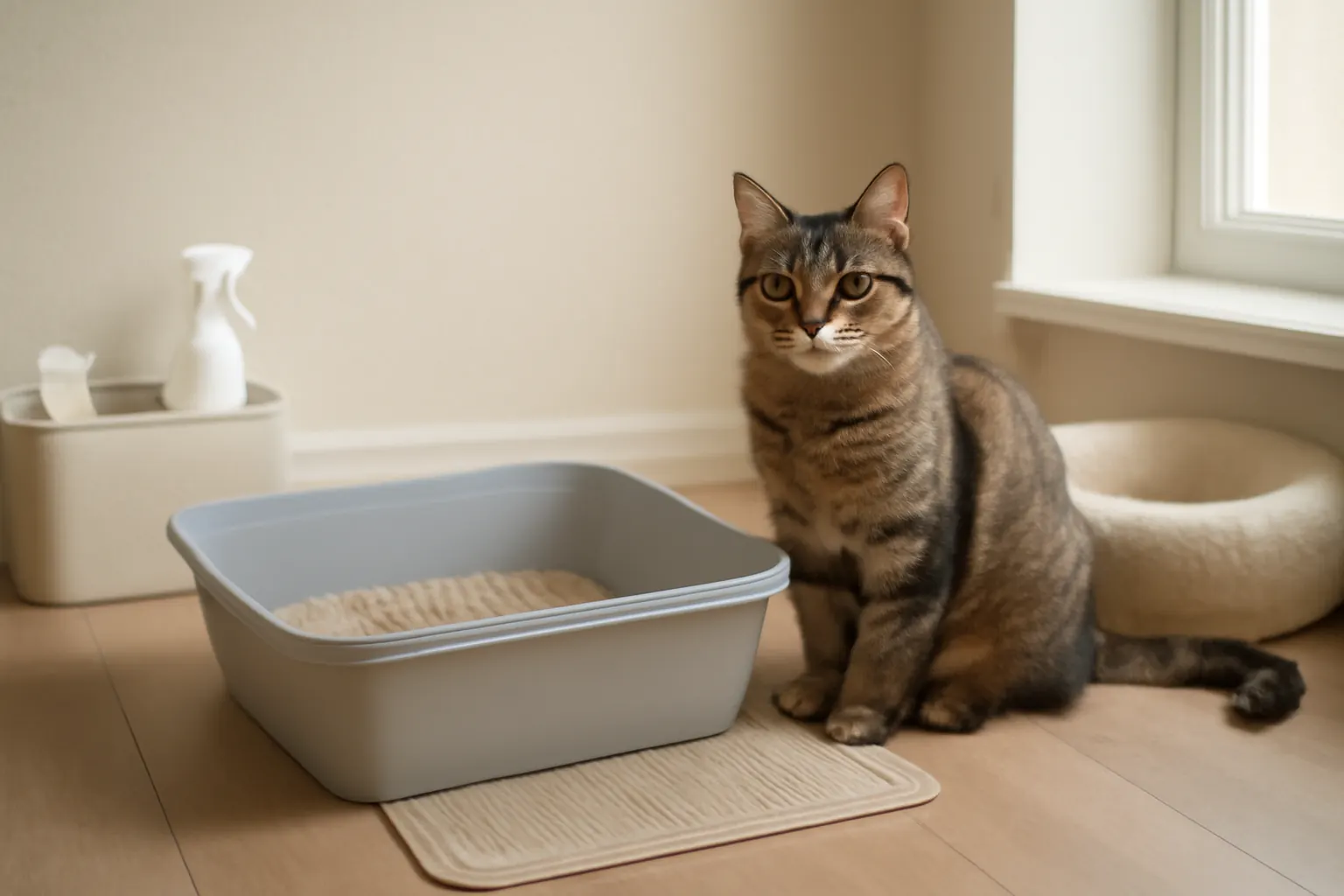
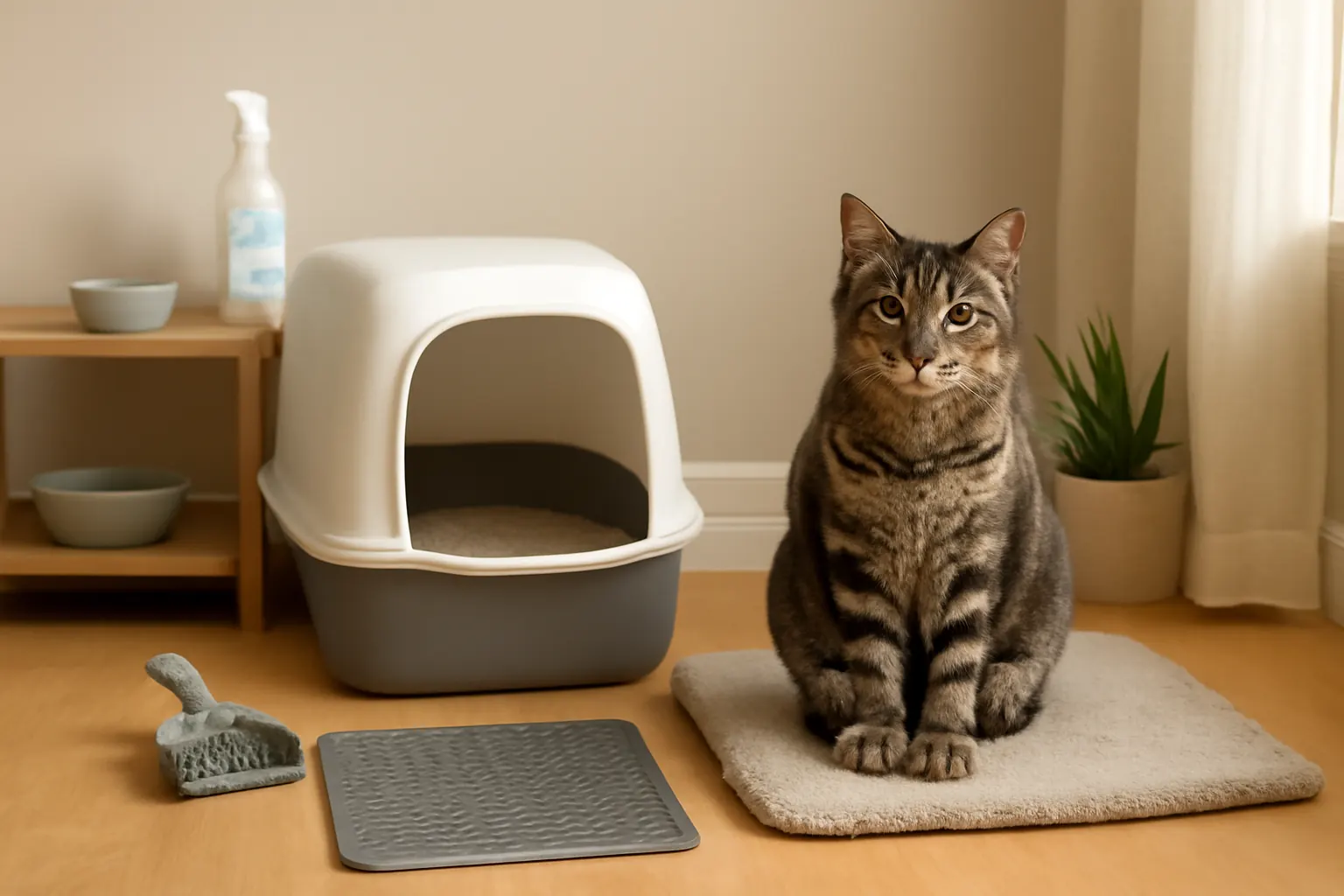
- Select Appropriate Box Size and Style: The box should be large enough for your cat to comfortably turn and dig. Open boxes offer better airflow; some cats prefer covered boxes for privacy. For kittens, elderly, or arthritic cats, low-entry boxes improve accessibility. Observe your cat’s preferences and adjust accordingly. (merckvetmanual.com)
- Place Boxes Strategically: Position boxes in quiet, low-traffic areas away from noisy appliances and food/water dishes. For cats with mobility or anxiety issues, ensure easy access without obstacles. Creating a safe, inviting spot fosters comfortable use. (merckvetmanual.com)
- Manage Stress and Environmental Changes: Keep a steady daily routine for feeding, playing, and litter box care. Introduce new pets, furniture, or changes gradually. Provide hiding spaces and consider pheromone diffusers to promote calmness near litter areas. (aspca.org)
- Monitor and Adapt: Observe behavior and try adjusting one factor at a time — litter type, box style, or location — to find what suits your cat best. Keep records of changes and your cat’s responses, displaying patience during adjustment periods. (catclinicplymouth.com)
- Handle Accidents Calmly: Clean accidents immediately with enzymatic cleaners to remove odors. Avoid punishment, which increases anxiety and can worsen behavior. Instead, reinforce positive litter box use with treats and gentle affection. (aspca.org)
Common Owner Mistakes to Avoid
- Using Strong-Smelling Cleaners or Scented Litter: These deter cats. Always opt for mild, unscented products, and avoid ammonia-based cleaners that mimic urine. (petmd.com)
- Insufficient Number of Boxes: Not following the one-plus-one rule increases territorial disputes and avoidance. (merckvetmanual.com)
- Delaying Veterinary Consultation: Sudden litter box issues may indicate illness. Early vet visits are crucial. (aspca.org)
- Placing Boxes in Noisy or Hard-to-Reach Areas: Cats need privacy and quiet for elimination; avoid busy spots. (merckvetmanual.com)
- Punishing Accidents: This increases stress and worsens the problem. Use positive reinforcement. (aspca.org)
When to Consult Your Veterinarian
Seek immediate veterinary attention if your cat suddenly avoids the litter box along with symptoms like frequent attempts to urinate, straining, blood in the urine, or vocalizing in pain. Such signs may indicate urinary tract infections or bladder issues. (aspca.org)
If litter box avoidance persists without medical cause, a veterinary behaviorist can identify stress or environmental triggers and develop a specialized behavior plan. Early intervention improves outcomes. (merckvetmanual.com)
Practical Tips for Managing Accidents
- Clean accidents quickly with enzymatic cleaners that break down urine odors and stains, preventing repeat elimination in the same spot. Avoid ammonia-based products, which can attract your cat back. (aspca.org)
- Use positive reinforcement immediately after your cat uses the litter box correctly, such as treats or affection, to encourage consistent behavior. (aspca.org)
- Reduce household stress by maintaining predictable feeding and play schedules and providing quiet spaces for retreat and relaxation. Incorporate toys and gentle play to boost emotional well-being. (aspca.org)
- If your cat refuses one box, try varying box types, sizes, or locations patiently, introducing only one change at a time to observe preferences. (merckvetmanual.com)
Additional Considerations for Multi-Cat Households
In homes with several cats, social dynamics may affect litter box use. Dominant cats might intimidate others from using boxes, causing accidents. Provide multiple boxes, spaced apart in different areas, so each cat can access them comfortably. Create separate safe zones and reduce competition by enriching the environment. Frequent cleaning is vital to maintain box acceptance in multi-cat homes. (The Humane Society)
Signs Your Cat May Need a New Litter Box Setup
- Sudden refusal to use an otherwise clean, accessible box despite health.
- Changes in digging or elimination, such as avoiding box entrances.
- Frequent accidents near the box or in new locations.
- Vocalizing or distress related to litter box use.
- Variations in preference for covered vs. uncovered boxes or litter types.
Quickly adjusting box size, style, location, or litter can prevent escalation. Being attentive to your cat’s behavior ensures ongoing comfort and acceptance.
Common Mistakes to Avoid When Changing Litter Boxes or Litter
Introducing new litter types or boxes too rapidly without gradual transition can cause stress or rejection. Always mix old and new litter to help your cat adapt gradually over weeks. Similarly, when switching box styles or locations, keep the old box available until your cat fully accepts the new setup. This patience prevents sudden aversion and supports smoother transitions.
When to Consult a Professional Behaviorist
If litter box problems continue despite correcting medical causes and optimizing the environment, a veterinary behaviorist or certified cat behavior consultant can assess stressors and provide tailored behavior modification plans. These experts can guide strategies such as desensitization, enrichment, and anxiety reduction to resolve persistent issues. Early professional help often improves success rates.
Conclusion
Preventing and managing litter box problems requires a comprehensive approach including medical vigilance, an optimized environment, and behavioral awareness. By providing clean, accessible, and appropriately sized litter boxes in quiet locations, managing stress, and responding to your cat's preferences, you foster a comfortable setting encouraging regular use. Timely veterinary consultation rules out or treats medical causes effectively. Consistent care, patience, and positive reinforcement maintain a clean home and a happy, healthy cat. (aspca.org)
FAQ
What should I do if my cat suddenly stops using the litter box?
Observe for signs of illness such as frequent urination, straining, or blood in the urine. Consult your veterinarian promptly as these could indicate medical issues like urinary tract infections. Meanwhile, ensure the litter box is clean, accessible, and placed in a quiet area.
How many litter boxes do I need if I have multiple cats?
You should provide one litter box per cat plus one additional box. For example, if you have two cats, offer at least three litter boxes spread in different quiet locations to reduce competition and territorial stress.
Can the type of litter affect my cat's use of the litter box?
Yes. Cats are often sensitive to texture and scent. Unscented, clumping litters are commonly preferred, but you may need to try different types to find what your cat likes best. Avoid strongly scented or dusty litters.
When should I consider consulting a veterinary behaviorist for litter box issues?
If your cat avoids the litter box despite no medical causes and stress or behavioral factors seem involved, a veterinary behaviorist can help develop a behavior modification plan to address the issue effectively.
How can I reduce stress-related litter box problems in my cat?
Maintain consistent routines, provide safe and quiet spaces, introduce changes gradually, and consider pheromone diffusers. Environmental enrichment, positive reinforcement, and gentle play also reduce anxiety and improve litter box use.