Cat Care
Effective Litter Box Management: An Essential Guide for Cat Owners
Master the essentials of litter box maintenance, common issues, and practical solutions to ensure your cat’s well-being and a clean home environment.
Introduction
Litter box management is a fundamental aspect of cat care that directly affects your cat’s health and your home’s cleanliness. Proper maintenance and understanding common issues can prevent frustrating problems such as inappropriate elimination and odors. This guide provides clear steps, common mistakes to avoid, and advice on when to seek veterinary help.
Choosing and Setting Up the Right Litter Box
Selecting the appropriate litter box and placing it correctly lays the foundation for good litter habits.
Readers may also find The Ultimate Beginner’s Guide to Safe, Effective, and Compassionate Dog Training, The Essential Guide to Choosing Safe and Comfortable Dog Beds, and How to Help a Rescue Pet Settle In: A Comprehensive Adoption Transition Guide for Long-Term Success useful. For more stories like this, browse our Product Guides section.
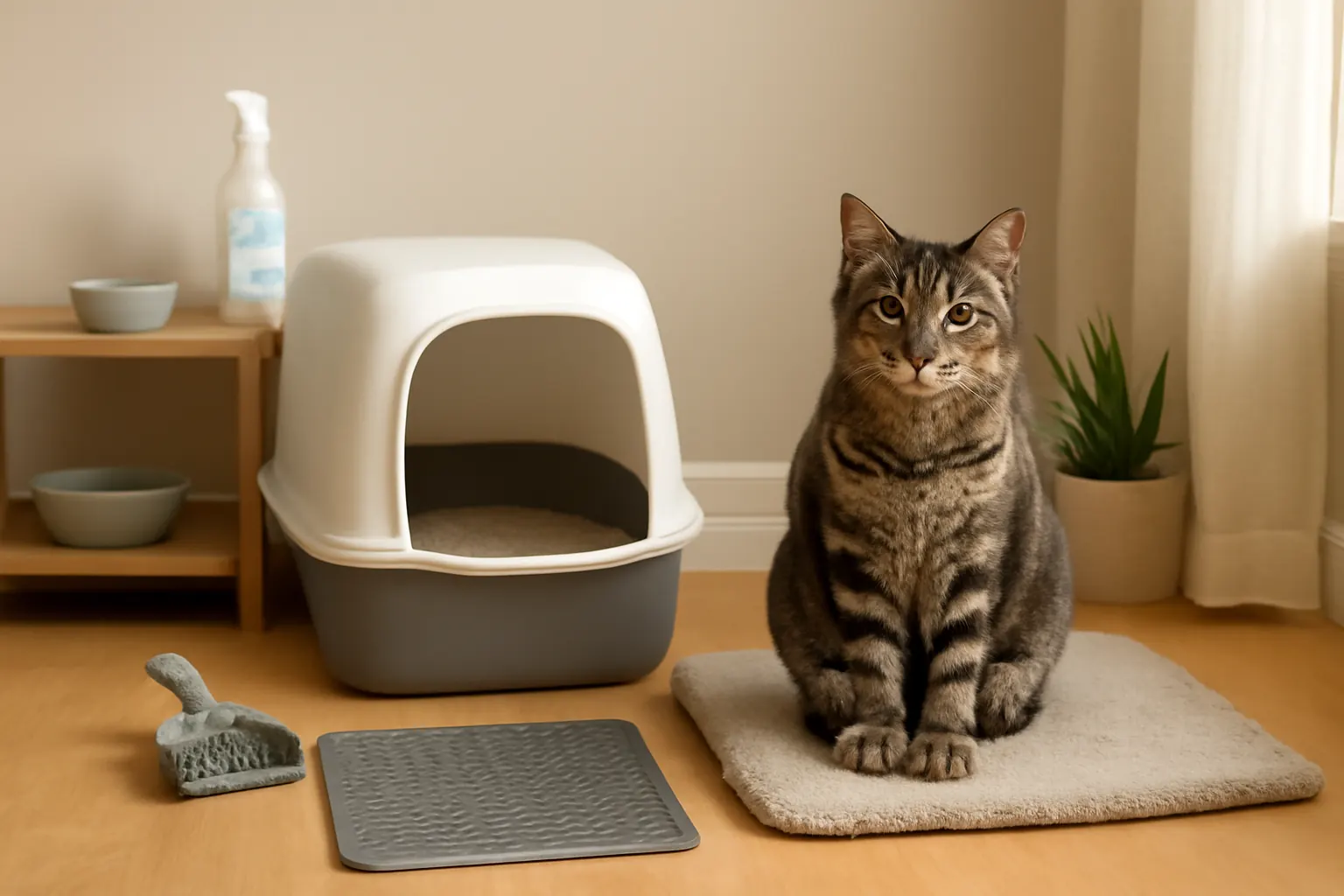
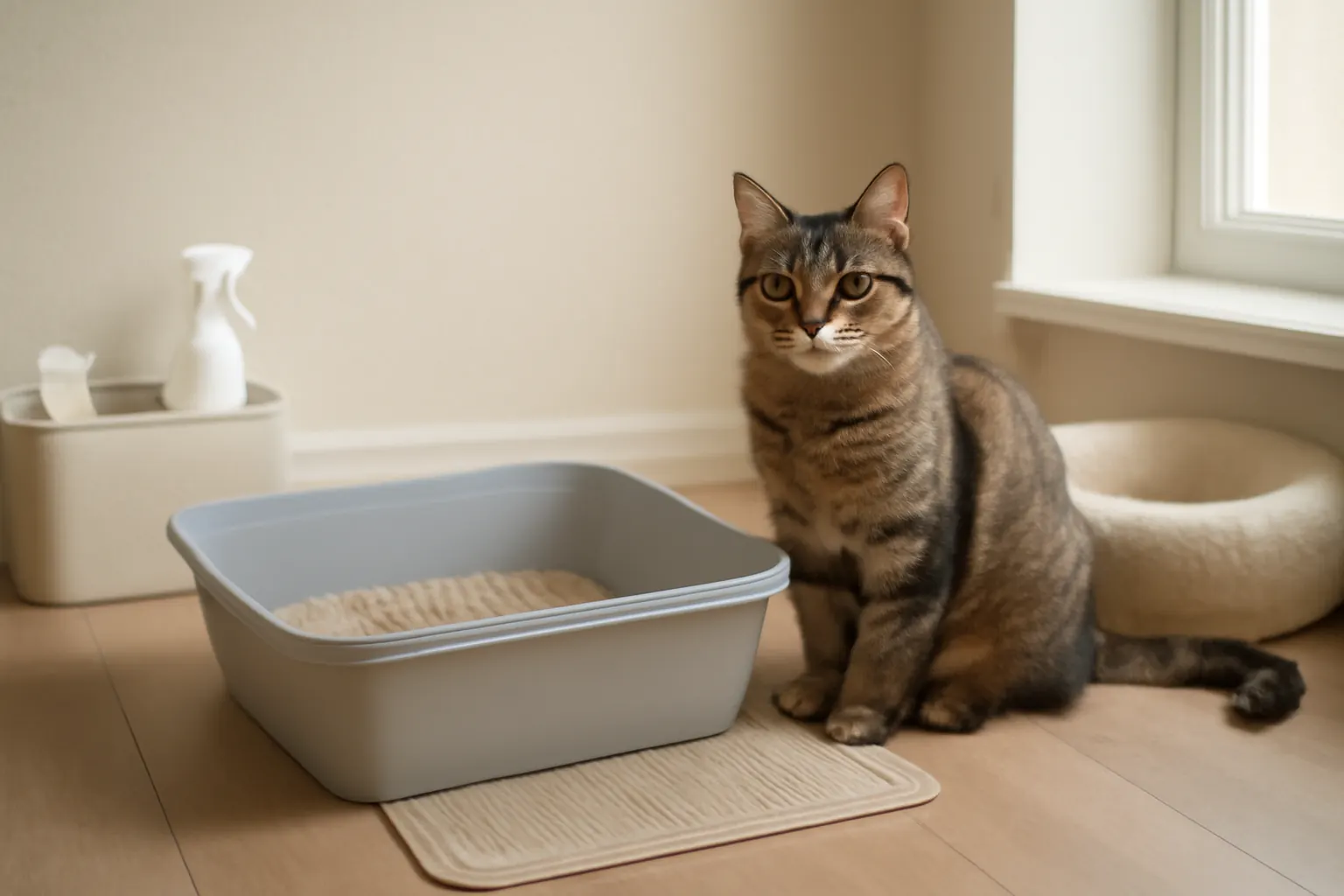
- Size and Type: Ensure the box is large enough for your cat to turn around comfortably. Covered boxes reduce odors but some cats prefer open ones.
- Number of Boxes: Provide one litter box per cat plus one extra to prevent territorial issues and accidents.
- Location: Place boxes in quiet, accessible areas away from the cat's food and water bowls.
Choosing the Right Litter
Cat preferences vary, so experimentation may be needed.
- Texture and Type: Clumping clay litter is popular for ease of cleaning, but some cats prefer alternatives like silica gel or natural litters.
- Unscented Litter: Cats are sensitive to strong odors. Use unscented or lightly scented litters to encourage use.
Litter Box Maintenance Best Practices
Keeping the litter box clean is critical to encourage use and avoid hygiene issues.
- Scoop Daily: Remove waste at least once a day to reduce odor and maintain a clean surface.
- Complete Change and Cleaning: Thoroughly empty and wash the box with mild soap weekly to prevent bacterial buildup.
- Avoid Harsh Cleaning Agents: Use non-toxic products, avoiding bleach or ammonia which can deter cats.
- Maintain Litter Depth: Provide 2–3 inches of litter for digging and coverage.
Common Litter Box Problems and How to Address Them
- Inappropriate Elimination: If your cat urinates or defecates outside the box, consider medical issues, litter box cleanliness, stressors, or location changes.
- Litter Box Avoidance: Some cats dislike covered boxes or scented litters, or may be deterred by a dirty box.
- Multiple Cats: Conflicts over boxes can cause avoidance; ensure enough boxes and place them in different quiet spots.
Tip: If problems persist despite addressing environment and hygiene, consult a veterinarian as medical issues like urinary tract infections or arthritis may be involved.
When to Call the Veterinarian
Contact your vet if you notice:
- Sudden changes in litter box habits.
- Signs of pain, straining, or frequent attempts to urinate.
- Blood in urine or feces.
- Excessive urination or defecation outside the box.
These symptoms can indicate health conditions that require prompt evaluation and treatment.
Owner Mistakes to Avoid
- Infrequent Cleaning: Waiting too long to scoop or change litter encourages cats to avoid the box.
- Ignoring Cat Preferences: Not observing if your cat dislikes the type of litter or box can cause problems.
- Inadequate Number of Litter Boxes: Failing to provide enough boxes in multi-cat households causes stress and accidents.
Final Thoughts
Consistent litter box management supports your cat’s comfort, health, and household hygiene. Pay attention to your cat’s behavior, maintain cleanliness rigorously, and be proactive in addressing issues early. When in doubt, veterinary guidance helps uncover underlying health problems to ensure your feline friend thrives.
FAQ
How often should I clean my cat's litter box?
You should scoop waste from your cat's litter box daily and completely change and wash the litter and box weekly to maintain cleanliness and prevent odors.
What can I do if my cat stops using the litter box?
Check for medical problems with your vet first. Also, ensure the litter box is clean, in a quiet, accessible place, and that the litter type and box style suit your cat's preferences.
How many litter boxes should I have if I have multiple cats?
It's recommended to have one litter box per cat plus an additional box to reduce territorial issues and provide enough options for all cats.