Product Guides
Stainless Steel vs Plastic Pet Bowls: Which Is Easier to Keep Clean?
Discover how stainless steel and plastic pet bowls compare when it comes to keeping them clean, preventing bacteria, and maintaining your pet's health.
Best choice by situation
- Choose the first option if: Choose stainless steel if you want a bowl that resists bacteria, is easy to sanitize, and lasts for years.
- Choose the second option if: Choose plastic if you need a lightweight, low-cost option for travel or temporary use, and you're willing to replace it regularly.
- Use both if: Use both if you have multiple pets or feeding stations and want to balance cost with hygiene.
Side-by-side comparison
| Factor | Option A | Option B | Practical verdict |
|---|---|---|---|
| Ease of cleaning | Excellent; dishwasher safe, non-porous, no scratches | Fair; can scratch, porous, may require hand washing | Stainless steel is easier. |
| Bacteria resistance | High; smooth surface inhibits bacterial growth | Low; scratches harbor bacteria | Stainless steel wins. |
| Durability | Very durable; resists dents, rust, and stains | Less durable; cracks and scratches over time | Stainless steel lasts longer. |
| Pet safety | Generally safe; no chemicals, but can be noisy | Risk of 'plastic bowl dermatitis' and allergies | Stainless steel is safer for most pets. |
| Cost | More expensive upfront | Very inexpensive | Plastic is cheaper initially but needs replacement. |
Quick answer: Stainless steel pet bowls are generally easier to keep clean because they are non-porous, scratch-resistant, and dishwasher safe. Plastic bowls tend to develop scratches that harbor bacteria and are harder to sanitize over time.
Quick Verdict
For long-term hygiene and low maintenance, stainless steel is the better choice. Plastic bowls are acceptable as temporary or backup options but require frequent replacement.
Side-by-Side Comparison
| Factor | Stainless Steel | Plastic | Verdict |
|---|---|---|---|
| Ease of cleaning | Excellent; dishwasher safe, non-porous, no scratches | Fair; can scratch, porous, may require hand washing | Stainless steel is easier. |
| Bacteria resistance | High; smooth surface inhibits bacterial growth | Low; scratches harbor bacteria | Stainless steel wins. |
| Durability | Very durable; resists dents, rust, and stains | Less durable; cracks and scratches over time | Stainless steel lasts longer. |
| Pet safety | Generally safe; no chemicals, but can be noisy | Risk of 'plastic bowl dermatitis' and allergies | Stainless steel is safer for most pets. |
| Cost | More expensive upfront | Very inexpensive | Plastic is cheaper initially but needs replacement. |
Best Routine for Cleaning Pet Bowls
Follow these steps to keep your pet's bowls hygienic:
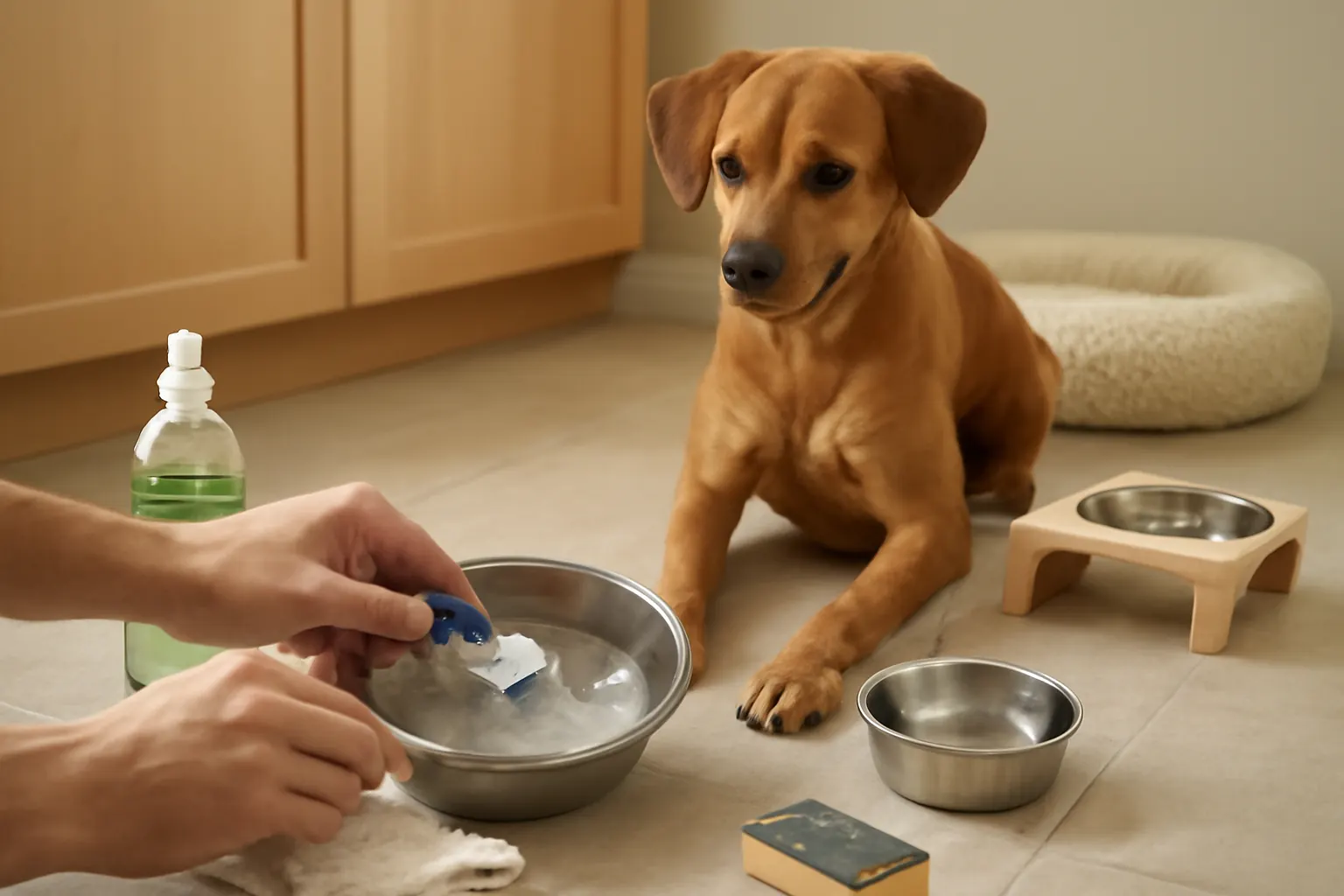
- Wash bowls daily with hot soapy water or in the dishwasher.
- For stainless steel, use a mild detergent and avoid abrasive pads.
- For plastic, inspect for scratches and replace immediately if scratched.
- Dry bowls thoroughly before refilling to prevent bacterial growth.
- Sanitize weekly by soaking in a diluted bleach solution (1 tbsp bleach per gallon water) for stainless steel; replace plastic before sanitizing.
Mistakes to Avoid
- Using steel wool or harsh scrubbers on plastic bowls.
- Leaving wet bowls out, which encourages bacteria.
- Keeping scratched plastic bowls in use.
- Not washing bowls daily, especially for wet food.
- Using bowls made from recycled plastic that may contain chemicals.
Safety and Comfort Notes
Replace plastic bowls at the first sign of scratches or discoloration. Some ceramic bowls contain lead; avoid antique bowls. Elevated bowls may be better for some pets with medical conditions. Check for BPA-free plastic if using plastic. Consult a veterinarian if your pet develops chin acne or skin irritation.
FAQ
Is stainless steel or plastic easier to clean for pet bowls?
Stainless steel is easier because it is non-porous and can be washed in the dishwasher without risk of scratching. Plastic bowls scratch over time, trapping bacteria.
How often should I clean my dog's bowl?
At least once a day. For wet food, wash after every meal. For dry food, a daily wash is still recommended to prevent bacteria and slime.
Can I use bleach to sanitize pet bowls?
Yes, for stainless steel bowls. Use a diluted solution (1 tablespoon bleach per 1 gallon water), soak for 2 minutes, then rinse thoroughly. Do not use bleach on plastic as it can cause chemical leaching.
Why does my dog get acne from plastic bowls?
Plastic bowl dermatitis is caused by bacteria in scratches and contact dermatitis from chemicals. Switching to stainless steel often resolves this.
Are plastic bowls safe for pets?
They can be safe if kept in good shape and replaced regularly. However, many experts recommend stainless steel for better hygiene.