health-behavior
A Practical Guide to Understanding and Managing Canine Separation Anxiety
Separation anxiety can significantly affect your dog's happiness and behavior. This guide offers clear steps to identify signs, prevent worsening, and manage anxiety safely with proven strategies and expert advice.
Step-by-Step Management Strategies
Effective management requires patience, consistency, and structure. Follow these detailed steps to build your dog’s confidence and reduce stress:
- Gradual Desensitization & Counter-Conditioning: Start with very brief absences—seconds to a few minutes—and slowly extend the duration as your dog remains calm. Pair departures with high-value treats or toys to build positive associations. If anxiety arises, reduce separation time and progress more gradually. Make sure to only increase time when the dog shows calm behavior, and don't rush the process, as setbacks are common.
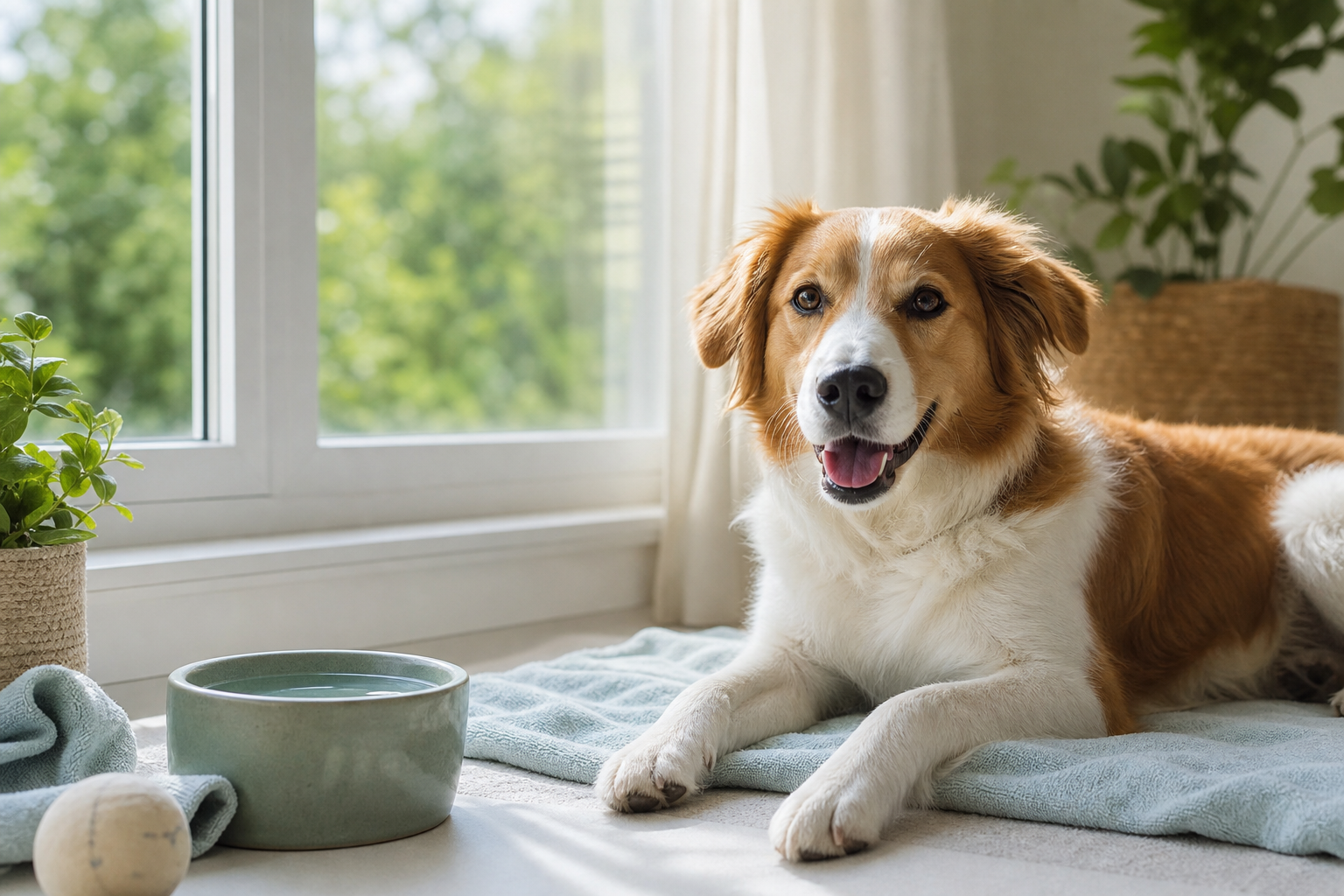
- Create a Safe, Comfortable Space: Arrange an area with favorite bedding, toys, and a worn item of your clothing to provide familiar scents that soothe your dog. Customize this space according to your dog's preferences, whether a crate or a room. Keep this area consistent and accessible during absences.
- Establish Consistent Routines: Maintain regular feeding, walking, play, and departure schedules to minimize unpredictability, which can increase anxiety. Predictability helps your dog feel secure.
- Increase Physical Exercise and Mental Stimulation: Engage your dog in daily walks, playtime, training sessions, and interactive puzzle toys. Sufficient physical activity and mental challenges help expend nervous energy and reduce overall anxiety.
- Use Calming Aids: Consider pheromone diffusers, anxiety wraps that provide gentle pressure, or calming music designed specifically for pets. Consult your veterinarian for tailored recommendations and appropriate usage.
- Keep Departures and Arrivals Low-Key: Avoid emotional goodbyes or welcomes to prevent triggering anxiety by heightening arousal. Practicing calm behavior around your dog's departures and returns helps maintain a relaxed environment.
- Provide Engaging Toys and Treats During Absence: Use chew toys, puzzle feeders, or treat-dispensing toys as distractions to comfort and occupy your dog during alone time. Rotate toys regularly to maintain interest.
- Seek Professional Assistance When Necessary: If anxiety results in physical harm, severe distress, or fails to improve with home strategies, consult a veterinarian or certified animal behaviorist. They can tailor behavior modification plans and evaluate the need for medical support, such as anti-anxiety medications.
Detailed Examples of Management in Practice
Consider a dog owner starting with 30-second departures once a day. The dog initially shows signs of stress, such as pacing or whining, but relaxes within that short period. The owner gradually increases away time by 30 seconds every few days only if the dog remains calm, rewarding the dog with treats afterward. Over weeks, the dog learns that alone time predicts positive outcomes, reducing anxiety symptoms.
Another example involves a dog that destroys furniture after being left alone. Instead of punishment, the owner evaluates whether the safe space is sufficiently comforting or if additional mental stimulation is needed through puzzle feeders or toys. They keep a detailed behavior journal and consult a behaviorist if the problem persists. The behaviorist may suggest combining gradual desensitization techniques with medication support for more severe cases.
Common Mistakes in Implementation
- Advancing alone time too quickly without ensuring calm behavior, causing setbacks and increased anxiety.
- Using punishment or negative reinforcement during anxious episodes, worsening fear and confusion.
- Inconsistent routines that confuse the dog and undermine progress.
- Overlooking the emotional and psychological needs behind the physical symptoms.
- Relying solely on medication without accompanying behavior modification and environmental management.
- Failing to monitor and adapt strategies based on your dog's reactions and progress.