Rescue & Adoption
How to Create a Calm, Welcoming Home for Your Newly Adopted Rescue Pet
Discover effective strategies to ease your rescue pet’s transition into your home, build trust, and promote a happy, stress-free adjustment.
Preparing Your Home for a New Rescue Pet
Adopting a rescue pet is a wonderful decision that changes both your life and the pet’s life for the better. However, many rescue pets come with past experiences of stress, trauma, or uncertainty. Creating a calm and welcoming home environment helps your new companion adjust smoothly and feel safe. This process requires patience, consistency, and understanding to foster trust and reduce fear.
Steps to Help Your Rescue Pet Settle In
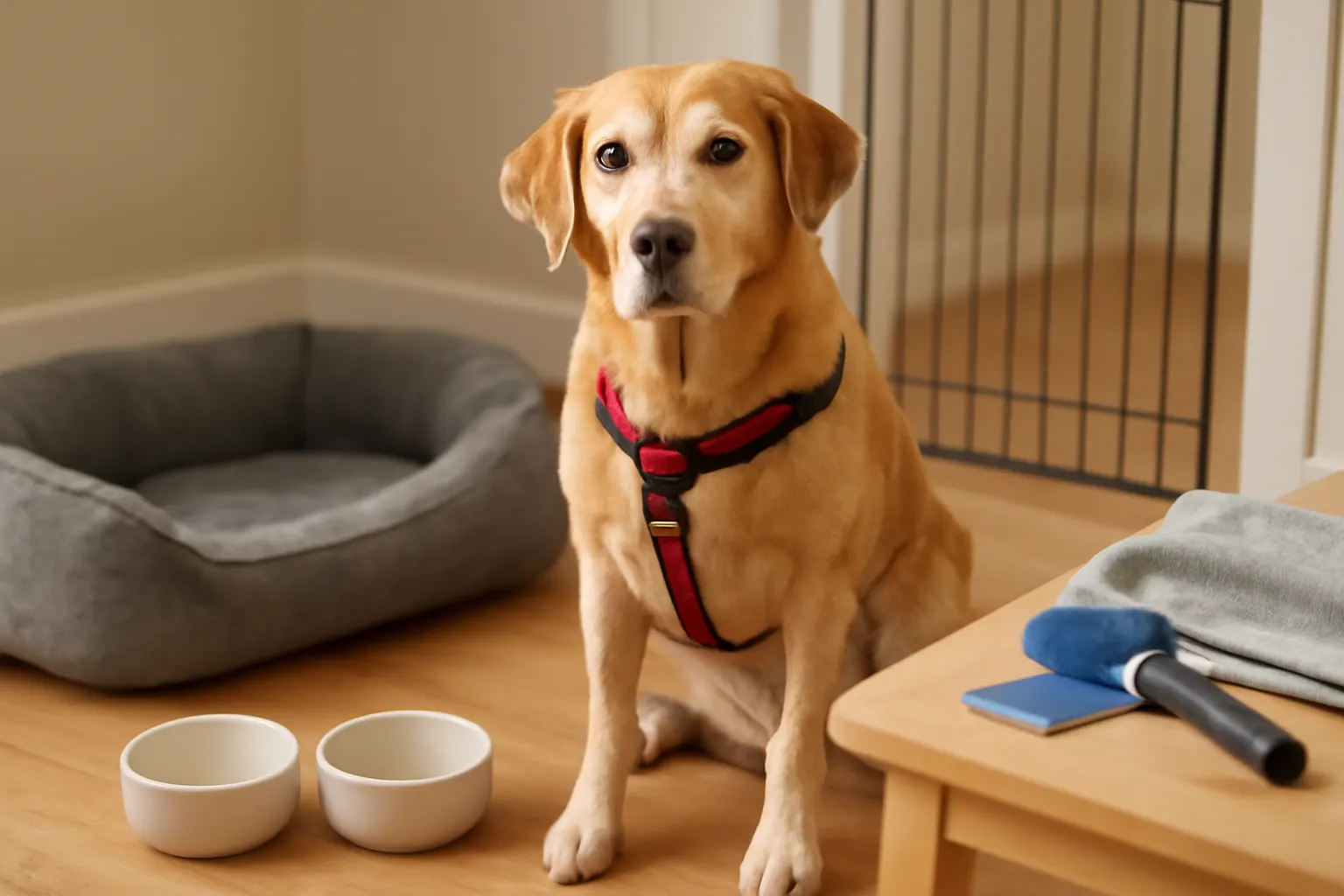
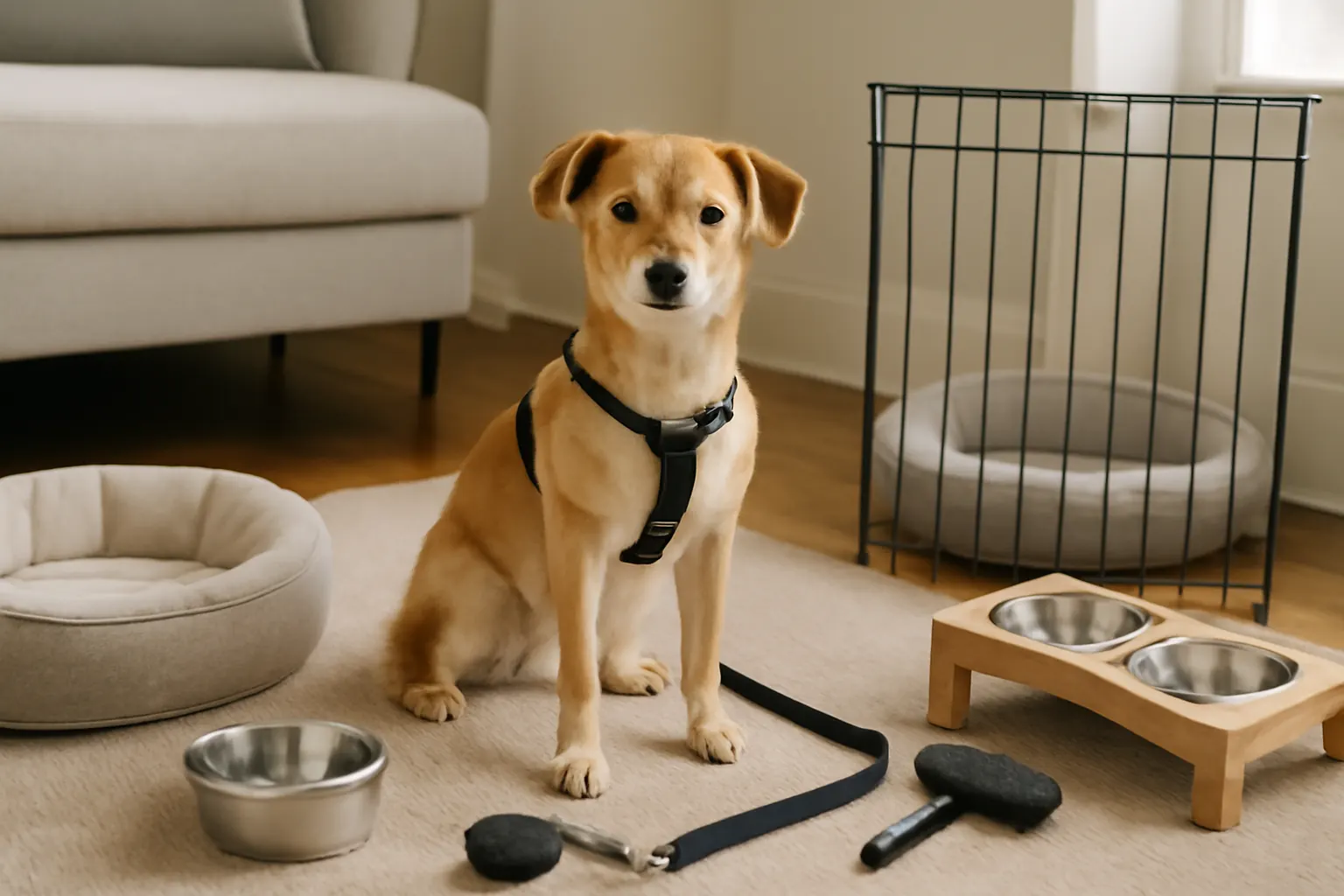
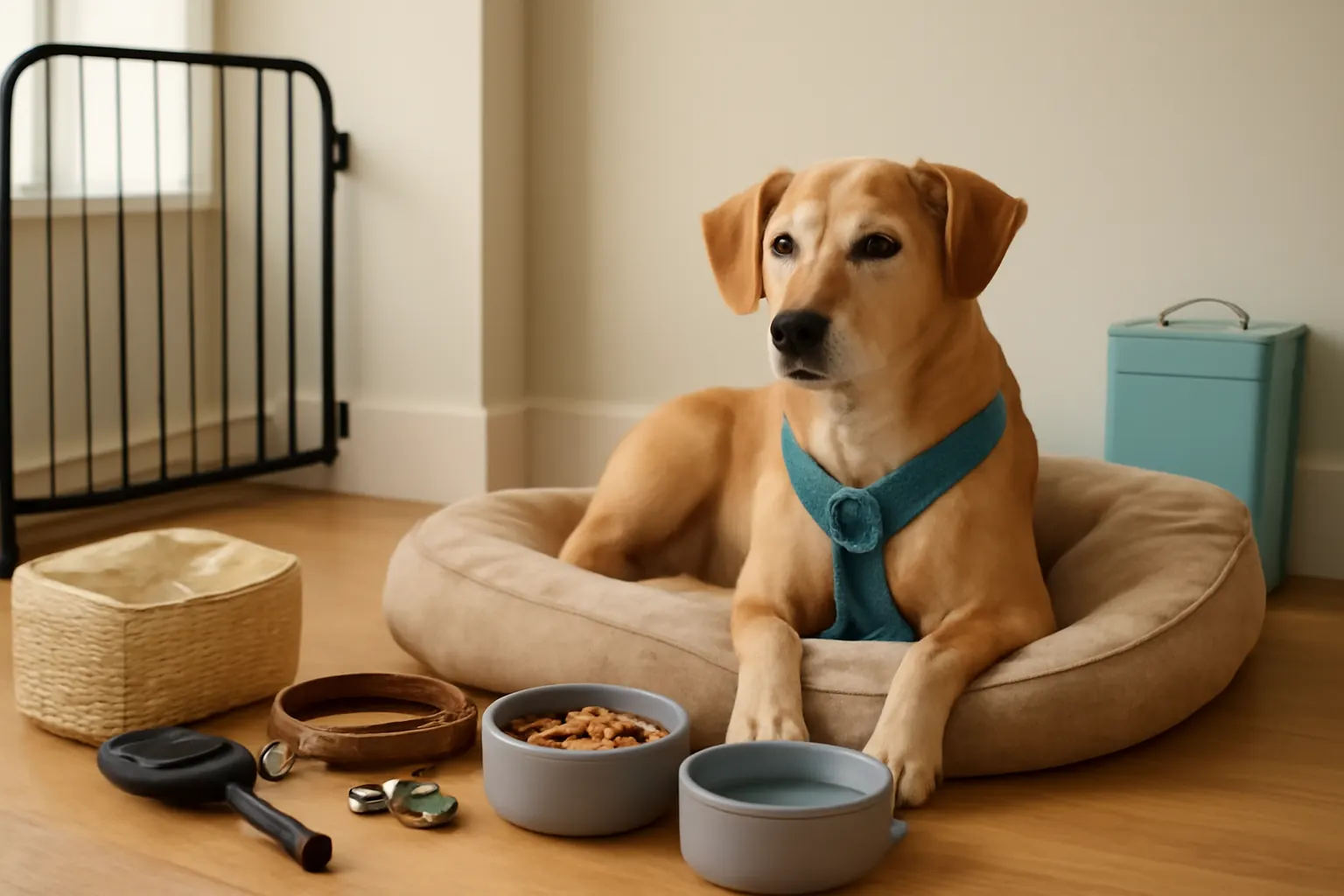
- Designate a Quiet Space: Prepare a specific area in your home where your pet can retreat without disturbance. This space should have a comfortable bed, familiar toys, and access to water. Think of it as their safe haven to escape overwhelming stimuli and relax.
- Establish a Routine: Pets thrive on predictability. Consistent feeding times, daily walks, play sessions, and quiet periods help reduce anxiety and build trust. Try to keep the routine regular, especially in the first few weeks.
- Limit Visitors and Noise: Avoid overwhelming your pet with many new people or loud sounds during their initial days. A quiet environment minimizes stress and helps your rescue feel secure.
- Example: If you’re expecting guests, introduce your pet to them one at a time, and only when your pet seems comfortable.
- Introduce Family Members and Other Pets Gradually: Allow your rescue pet to meet household members and any other pets slowly. Watch for signs of stress such as cowering, growling, or hiding, and pause introductions if needed. Controlled, positive interactions build confidence.
- Tip: Use treat rewards to associate new introductions with positive experiences.
- Use Positive Reinforcement: Reward calm and relaxed behavior with treats, praise, and affection. This encourages your pet to feel confident and secure around you.
- Common Mistake: Avoid punishing fearful behaviors, which can worsen anxiety and hinder bonding.
Common Owner Mistakes to Avoid
- Rushing the Bonding Process: Expecting immediate affection or full trust can lead to frustration. Every pet adjusts on their own timeline; some may take weeks or even months to feel comfortable.
- Overwhelming Your Pet: Offering too many new experiences, people, or stimuli at once can increase fear and anxiety. Gradual exposure is key.
- Neglecting Medical Checks: Schedule a veterinary visit soon after adoption to ensure your pet is healthy, update vaccinations, and discuss any behavioral concerns.
Step-by-Step Guidance for the First Week
- Set up the quiet space before your pet arrives, stocking it with essentials like food, water, bedding, and safe toys.
- Bring your pet home during a quiet time of day to avoid chaos.
- Allow your pet to explore their safe space first, letting them settle at their own pace.
- Keep interactions gentle and minimal initially; sit quietly near them without forcing contact.
- Maintain predictable feeding and walking times, providing reassurance through calm voices and soft petting if welcomed.
- Gradually increase engagement over days, introducing family members one at a time and supervising any interaction with other pets.
- Monitor your pet’s behavior closely, adapting your approach if signs of stress increase.
When to Contact Your Veterinarian
While some adjustment behaviors like hiding or reduced appetite are normal in the first days, please contact your vet if you notice any of the following signs persisting beyond a few days or worsening:
- Persistent vomiting, diarrhea, or lethargy
- Signs of pain or injury
- Excessive aggression or extreme fear behaviors
- Refusal to eat or drink for more than 24 hours
It’s also advisable to schedule a general wellness exam within the first week to ensure your pet’s overall health and to discuss any behavioral concerns.
Readers may also find A Practical Guide to Understanding and Managing Canine Separation Anxiety, A Practical Guide to Understanding and Redirecting Your Dog’s Excessive Barking, and A Comprehensive Guide to Preventing and Managing Litter Box Issues in Cats useful. For more stories like this, browse our Rescue & Adoption section.
Encouraging a Strong, Lasting Relationship
Patience, consistency, and understanding are essential to transforming your rescue pet’s life and building a lifelong bond. Offering gentle care and predictable routines helps your pet develop confidence and trust. Remember to celebrate small milestones together, like your pet initiating contact or showing relaxed behavior. Over time, these moments build a joyful and loving companionship that enriches both your lives.
FAQ
How long does it typically take for a rescue pet to adjust to a new home?
Adjustment times vary depending on the pet's history and personality, but many rescue pets start feeling comfortable within a few days to several weeks. Providing a calm, predictable environment and respecting their pace helps accelerate trust building.
What should I do if my rescue pet seems afraid or withdrawn at home?
Create a quiet, safe space where your pet can retreat without pressure. Use gentle tones, avoid forcing interaction, and allow your pet to approach you when ready. Reward calm behaviors with treats and affection to boost confidence.
Is it important to take my new rescue pet to the vet right after adoption?
Yes, a veterinary visit soon after adoption is crucial to confirm your pet’s health, update vaccinations, and discuss any behavioral or medical concerns. Early veterinary care supports a healthy, smooth transition.