Health & Behavior
A Comprehensive Guide to Preventing and Managing Canine Resource Guarding Behavior
Resource guarding in dogs can be challenging for pet owners. This guide provides practical steps to recognize, prevent, and manage guarding behaviors to keep your dog safe and happy.
1. Early Socialization and Training
Introduce your dog to gentle handling around valued resources at a young age, if possible. Reward calm behavior near resources. For example, when your dog is playing with a toy, approach slowly and offer a treat. If your dog remains calm, reward them. This helps them associate your presence with positive experiences. Consistency and patience are key in this process. (petmd.com)
2. Teach 'Give' and 'Drop It' Commands
Use positive reinforcement training to teach your dog to willingly relinquish items. Start by offering a low-value item and trade it for a high-value treat. Gradually increase the value of the items involved. For example, if your dog holds a ball, offer a favorite snack in exchange, ensuring the dog understands giving up the ball leads to rewards. This builds trust and reduces the need for guarding. Practice this regularly in low-stress situations before trying with more valued items. (preventivevet.com)
3. Manage the Environment
- Feed dogs separately if multiple pets are present to prevent competition and guarding around food. Creating separate feeding areas can reduce stress. (aspca.org)
- Remove access to high-value items unless supervised to prevent guarding behaviors. For example, keep favorite toys out of reach when you cannot monitor playtime. (seattlehumane.org)
- Provide plenty of alternative toys and chew items to reduce the dog’s focus on specific possessions. Rotate toys to maintain interest. (smalldoorvet.com)
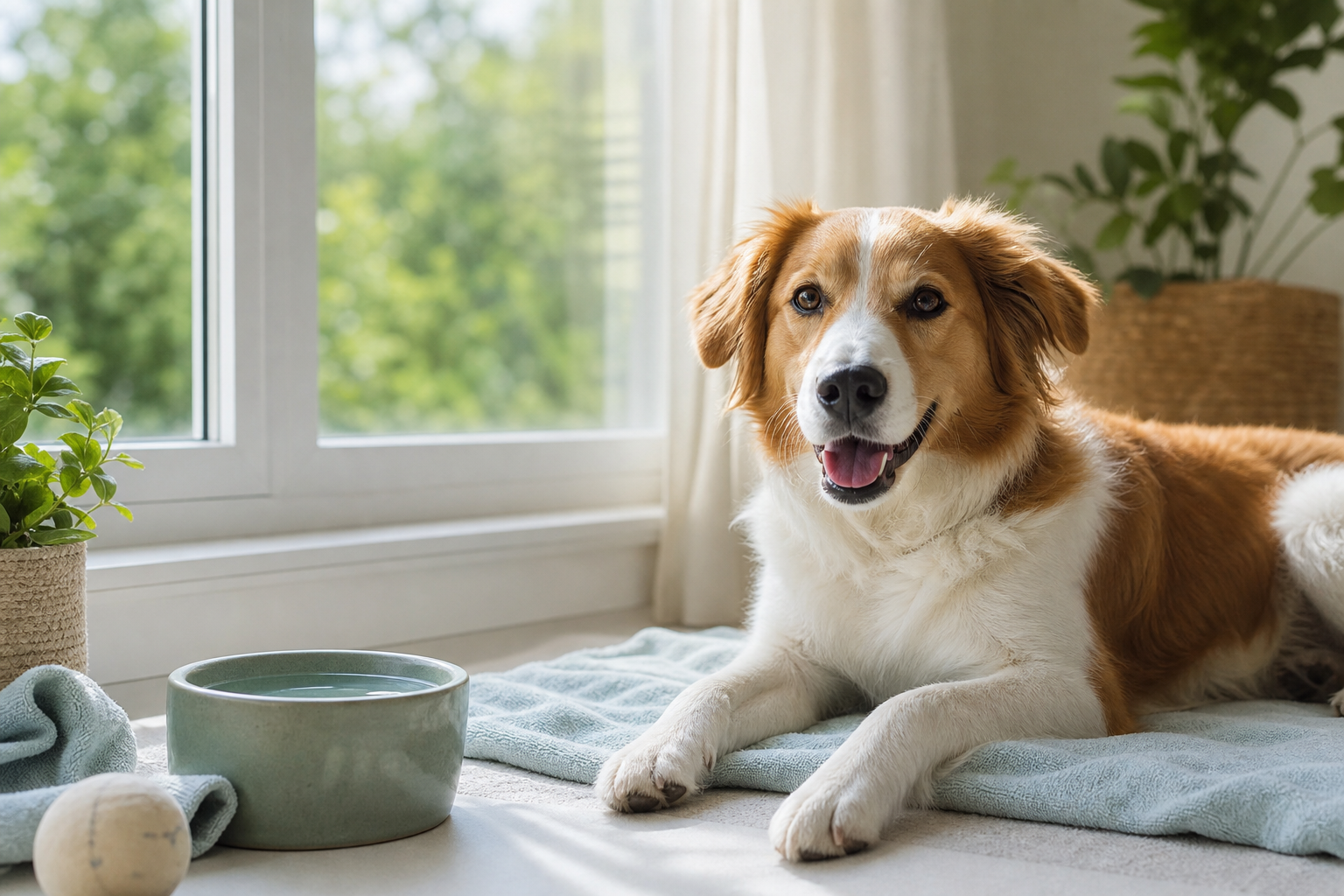
- Ensure your dog has a quiet, comfortable place where they feel secure and can enjoy resources without threats. This can be a separate room or a cozy crate. (seattlehumane.org)
4. Gradual Desensitization and Counterconditioning
Gently approach your dog near guarded items while offering high-value treats, creating a positive association with your presence. If your dog guards their food bowl, start by tossing treats nearby from a distance where your dog is comfortable. Gradually decrease this distance over several sessions, watching for calm behavior. Always end on a positive note. This process requires patience and should never be rushed. (petmd.com)
5. Create a Safe Space
Give your dog a quiet, comfortable area where they can feel secure and enjoy their possessions without feeling threatened. This might be a crate, separate room, or a designated corner with their bed and toys. Make sure this space is respected by all household members, especially children and other pets, to reduce guarding triggers and promote relaxation. (seattlehumane.org)