product-guides
A Practical Guide to Choosing the Best Pet Feeding Supplies
Learn how to pick the right feeding bowls, automatic feeders, and accessories to support your pet's nutrition and well-being with confidence.
Understanding Your Pet’s Feeding Needs
Choosing the right feeding supplies is essential to support your pet’s health and make mealtime easier for both you and your pet. Different pets and breeds have specific needs, so selecting appropriate bowls and feeders can help maintain proper nutrition, prevent digestive issues, and encourage good eating habits.
Consider factors such as your pet’s eating style, age, size, and any health conditions. For instance, flat-faced breeds may require special shallow bowls to reduce strain, while older pets with dental issues might need softer feeding options. Pets with arthritis may benefit from elevated feeders that reduce neck and joint strain. Identifying these needs beforehand makes selecting the right products more effective and comfortable for your pet.
Types of Feeding Supplies
1. Bowls
- Material: Common materials include stainless steel, ceramic, and plastic. Stainless steel bowls are durable, easy to clean, and resistant to bacteria, making them a top choice. Ceramic bowls, while attractive and heavy enough to prevent tipping, may chip or break over time and must be inspected regularly for cracks. Plastic bowls are lightweight but can harbor bacteria in scratches and may cause allergies or chin acne in some pets, so their use should be cautious and limited.
- Size and Shape: Choose bowls appropriate for your pet’s size and breed. Small animals need smaller, proportionate bowls to prevent overeating or spills. Shallow bowls benefit flat-faced dog breeds and cats by reducing discomfort during eating, while deep bowls can contain messy eaters’ food better and reduce scatter.
- Non-slip Bases: Bowls with rubber bases or paired with non-slip mats help prevent sliding during mealtime, reducing frustration for both pets and owners and minimizing messes.
- Specialty Bowls: Slow-feed bowls can help pets who eat quickly by forcing them to eat more slowly, reducing the risk of choking, vomiting, or bloat, especially in deep-chested dog breeds. Elevated bowls may benefit larger or older pets by improving posture and digestion.
2. Automatic Feeders
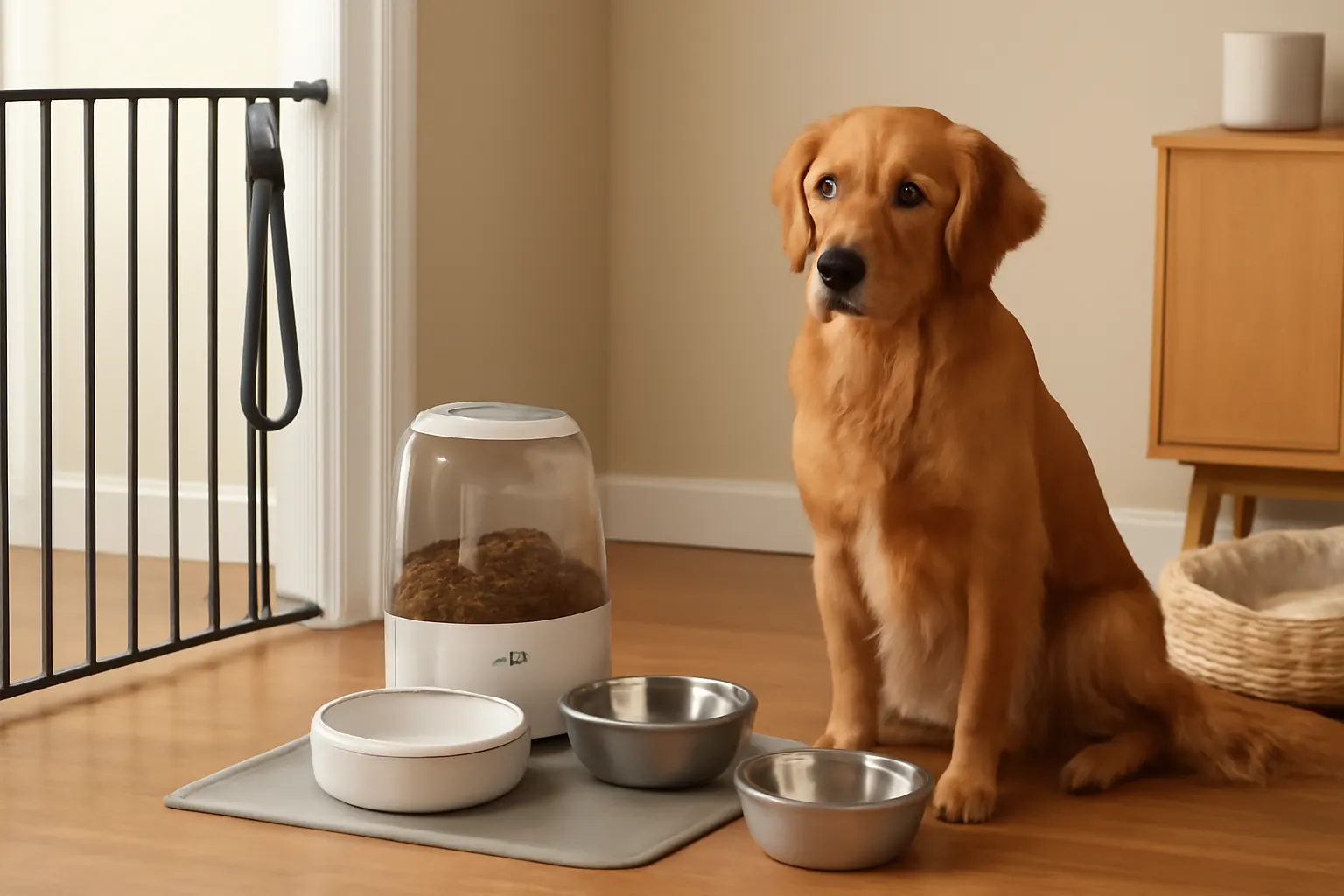
- Programmable Feeders: These devices allow pet owners to dispense controlled portions at scheduled times throughout the day. They are ideal for pets on strict feeding routines, weight management programs, or when owners are away for extended periods. Look for feeders with customizable portion sizes, alarms to notify you of low food levels, and easy-to-clean components.
- Gravity Feeders: Simple and affordable, gravity feeders automatically refill your pet's bowl as they eat. These are suitable for pets that self-regulate their food intake well, but they may contribute to overeating in pets prone to weight gain. Also, hygiene and food freshness may be a concern if food sits out too long.
- Cleaning and Maintenance: Regular cleaning of feeders is critical to prevent mold, bacteria, or insect infestations. Follow manufacturer instructions carefully, clean weekly or more frequently if your pet is prone to messes, and disassemble parts as needed for thorough cleaning.
3. Water Dispensers
Hydration is critical for your pet's well-being. Choosing the right water dispenser can help ensure your pet always has access to clean, fresh water. Options range from standard water bowls to filtered water dispensers that remove impurities and encourage more water consumption. Automatic water fountains offer continuous circulation, which can be especially appealing for cats and can help reduce waterborne bacteria buildup. Regular cleaning and refilling are essential to avoid bacterial growth and maintain water quality.
Common Owner Mistakes When Selecting Feeding Supplies
- Using Inappropriate Materials: Plastic bowls can cause allergies or chin acne in some pets and promote bacterial growth if scratched or not cleaned properly. Avoid low-quality plastic bowls and regularly inspect for wear.
- Overfeeding or Underfeeding: Blindly using feeders without monitoring portion sizes can lead to weight problems, digestive issues, or malnutrition. Always measure food portions based on your pet’s specific nutritional requirements.
- Neglecting Cleaning: Dirty bowls and feeders become breeding grounds for bacteria and mold, which can lead to infections or illness. Establish a regular cleaning schedule.
- Ignoring Pet’s Specific Needs: Pets with unique requirements, such as flat-faced dogs, arthritic older pets, or food-aggressive eaters, need specialized bowls or feeding methods to eat comfortably and safely.
- Choosing Products Without Considering Your Pet’s Behavior: Some pets eat too quickly; slow-feed bowls or feeders that regulate eating pace can prevent choking or bloat. Others may have anxiety requiring distraction-free feeding areas. Observe your pet to select appropriate supplies.
- Not Rotating or Replacing Supplies: Over time, feeding bowls and feeders may become scratched, cracked, or worn. Regularly inspect and replace damaged items to maintain hygiene and safety.
Step-by-Step Guidance for Selecting Feeding Supplies
- Assess Your Pet’s Specific Needs: Consider breed traits, age, medical conditions, feeding behavior, and any veterinary advice.
- Select Materials Wisely: Prefer stainless steel or high-quality ceramic bowls for durability and hygiene. Use plastic cautiously and avoid if your pet shows sensitivity.
- Choose Proper Size and Shape: Match bowl size to your pet to minimize spills and maximize comfort, and consider special shapes for flat-faced breeds or pets with mobility issues.
- Decide on Feeder Type: Evaluate if automatic feeders, gravity feeders, or manual bowls suit your pet’s habits and your schedule.
- Incorporate Water Solutions: Provide fresh water daily, and consider filtered or fountain water dispensers to encourage hydration.
- Implement Safety Features: Use non-slip mats or bowls with rubber bases to prevent accidents and messes.
- Plan Maintenance: Establish a cleaning routine for all feeding supplies—daily for bowls, weekly for feeders and water dispensers—to maintain hygiene and prevent illness.
Owner Mistakes to Avoid: Practical Examples
- Example 1: A pet owner used a deep, narrow bowl for their Persian cat with a flat face, causing discomfort and refusal to eat. Switching to a wide, shallow bowl improved the cat’s comfort and eating habits.
- Example 2: A dog who ate too quickly regularly vomited after meals. Introducing a slow-feed bowl reduced the speed of eating, improving digestion and overall comfort.
- Example 3: An owner left dry food in a gravity feeder for days without cleaning, resulting in mold growth. After cleaning and implementing a strict maintenance schedule, the pet had fewer digestive issues.
When to Consult Your Veterinarian
If your pet exhibits signs of eating difficulty such as hesitation, pawing at the bowl, excessive drooling, regurgitation, or refusal to eat, it is important to consult a veterinarian. These behaviors may indicate dental pain, swallowing issues, or other health problems that require specific feeding adaptations or medical treatment. Additionally, discuss portion control, special dietary needs, or weight concerns with your vet to get tailored advice on the best feeding supplies and techniques for your pet.
Tips for a Successful Feeding Setup
- Choose durable, easy-to-clean bowls made of stainless steel or ceramic to maintain hygiene.
- Use non-slip mats to keep bowls stable during meals and reduce mess.
- Monitor your pet’s eating habits and adjust bowl types or feeder settings accordingly.
- Keep feeding areas clean and hygienic to prevent illness.
- Consider slow-feed bowls for pets that eat too quickly to prevent choking or digestive upset.
- Regularly inspect feeding supplies for wear and promptly replace damaged items.
- Avoid mixing feeding supply materials (e.g., plastic with ceramic) if your pet has known allergies or sensitivities.
- Provide fresh, clean water continuously, using fountains or filtered dispensers as needed to encourage drinking.
- Ensure the feeding area is calm and free from distractions to reduce anxiety during meals.
Selecting feeding supplies thoughtfully improves your pet’s overall well-being and makes mealtime safer and more enjoyable. Using trustworthy products and maintaining good hygiene are key steps every pet owner can take to nurture their pet’s health and happiness.
FAQ
What is the safest material for pet food bowls?
Stainless steel bowls are generally the safest and most hygienic option because they are durable, easy to clean, and resist bacteria buildup. Ceramic bowls are also safe if well-maintained, while plastic may cause allergies or harbor germs if scratched.
How often should I clean my pet's feeding bowls?
Feeding bowls should be washed daily with hot, soapy water to prevent bacteria growth. Automatic feeders and water dispensers also need regular cleaning according to manufacturer instructions, usually weekly.
Can automatic feeders help with managing my pet’s weight?
Yes, programmable automatic feeders allow you to dispense precise portions at scheduled times, helping to prevent overfeeding and promote a healthy weight. However, always monitor your pet’s overall diet and consult a veterinarian when needed.
What should I consider when choosing a feeding bowl for a flat-faced dog breed?
Flat-faced dogs benefit from shallow bowls that reduce neck and facial strain during eating. Bowls with wide openings and low sides make access easier and more comfortable for these breeds.
When is it necessary to consult a veterinarian about feeding supplies?
If your pet shows signs of eating difficulty, such as hesitation, pawing at the bowl, excessive drooling, or refusal to eat, consult a veterinarian. There may be underlying health issues requiring specialized feeding methods or products.