Safety Alerts
Essential Steps to Protect Your Pet from Common Household Toxins
Household toxins like certain plants, chemicals, and foods pose hidden risks to pets. This guide outlines what to watch for, prevention tips, and when to seek veterinary care.
Understanding Household Toxins and Your Pet
Many common household items can be toxic to dogs and cats, often posing serious health hazards if ingested or contacted. Being aware of these dangers and taking preventive actions is a crucial responsibility for every pet owner. Awareness and precaution can save your pet from severe health issues or worse.
Common Household Toxins to Watch For
- Foods: Chocolate, grapes, raisins, onions, garlic, xylitol (a sweetener), alcohol, and caffeine are well-known toxins. Even small amounts can be harmful to pets, sometimes causing life-threatening problems. Always double-check if human foods are safe before offering to your pet.
- Plants: Lilies, azaleas, daffodils, and sago palms are toxic plants that can cause severe reactions in both cats and dogs. Some of these plants can cause fatal kidney failure, so removing or replacing them is vital to pet safety.
- Cleaning Products and Chemicals: Household cleaners such as bleach, antifreeze, insecticides, rodenticides, and certain detergents contain harmful chemicals that can lead to poisoning if ingested or absorbed through the skin. Always use pet-safe alternatives when possible.
- Medications: Human medications such as pain relievers, antidepressants, vitamins, and supplements should always be securely stored out of pets' reach, as accidental ingestion can cause life-threatening effects. Even small doses can be dangerous.
- Other Substances: Certain essential oils, batteries, nicotine products, and even some pet food ingredients occasionally pose risk if improperly handled or accessed. Be mindful of household objects your pets can reach.
Practical Steps to Prevent Pet Exposure
- Secure Potentially Harmful Items: Store medications, cleaning products, and toxic foods in locked cabinets or high shelves. Using child-proof latches adds an extra layer of safety. Regularly check bags, purses, and countertops to keep irresistible but dangerous items out of reach.
- Choose Pet-Safe Plants: Replace toxic houseplants with non-toxic varieties recommended by trusted veterinary sources. Spider plants, Boston ferns, and African violets are examples of safe plants. Research any new plant thoroughly before bringing it home.
- Supervise Outdoor Activities: Prevent your pet from ingesting unknown plants, mushrooms, or substances during walks or yard time. Leashing your pet and inspecting outdoor areas frequently can help avoid accidental poisoning. Remove fallen fruit or berries promptly.
- Inform Household Members and Visitors: Make sure everyone understands the risks of feeding pets inappropriate foods or leaving toxic products accessible. Children and guests especially should be aware to reduce accidental exposures.
- Use Pet-Safe Cleaning Products: Opt for natural or pet-friendly cleaning solutions. Always read labels for harmful chemicals, test new products in small, unattended areas, and store all cleaners securely.
- Regularly Inspect Your Home: Check floors and surfaces for dropped medications, food scraps, or plant debris. Prompt cleanup prevents your pet from accessing dangerous substances.
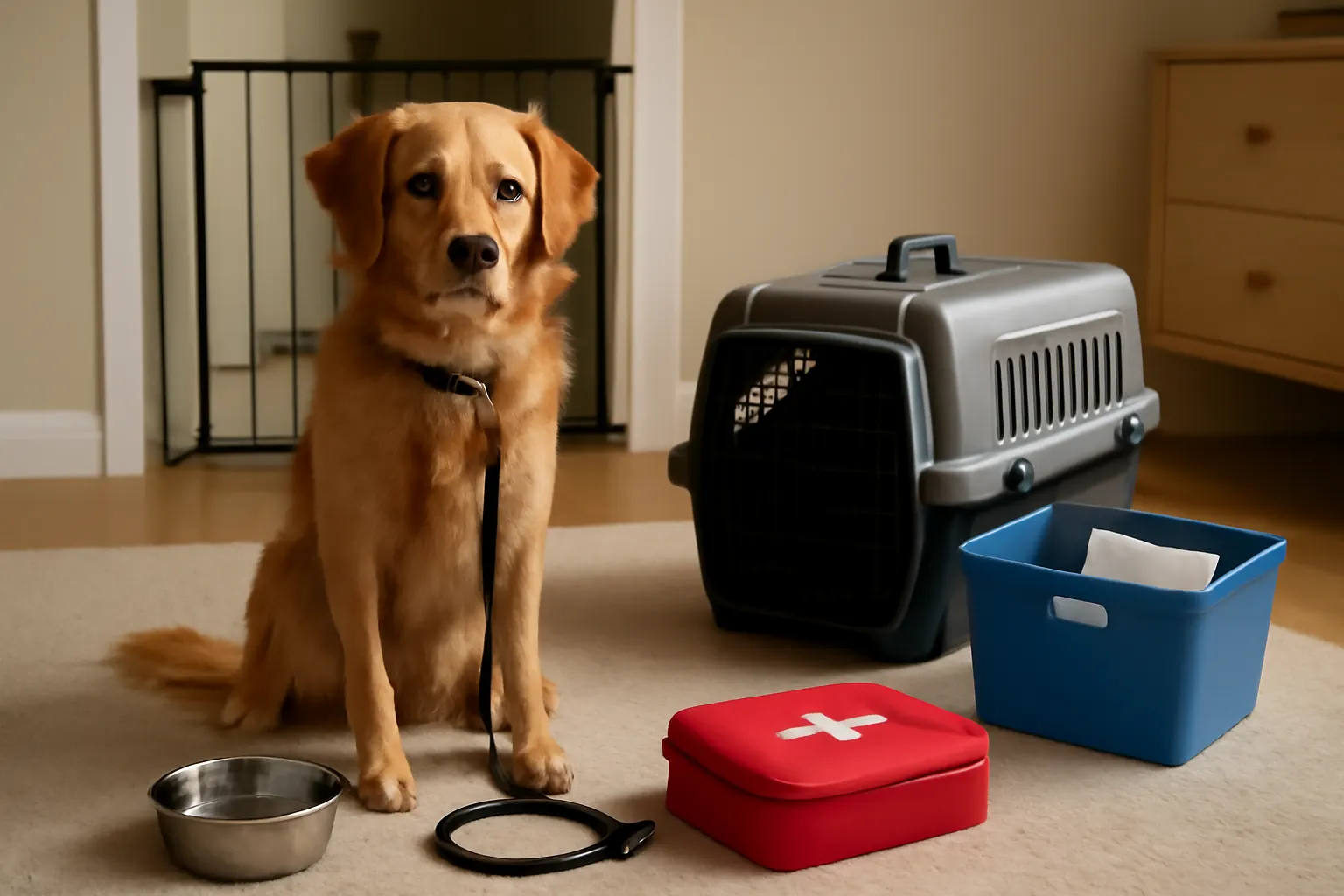
- Establish Emergency Protocols: Keep emergency numbers for your vet and pet poison control centers (such as ASPCA Animal Poison Control and Pet Poison Helpline) visible. Prepare a pet-specific first aid kit and familiarize yourself with basic pet first aid techniques.
- Train Your Pet Commands: Commands like "leave it" and "drop it" can save lives by preventing your pet from ingesting harmful items. Consistent training and positive reinforcement strengthen these behaviors.
Recognizing Signs of Toxin Exposure
Early recognition is key to timely treatment. Signs your pet may have ingested a toxin include:
- Vomiting or diarrhea
- Drooling or foaming at the mouth
- Lethargy or weakness
- Unusual behavior such as agitation, disorientation, or excessive vocalization
- Tremors, seizures, or incoordination
- Loss of appetite or difficulty breathing
Even subtle behavioral changes should prompt quick veterinary consultation. Prompt treatment greatly improves outcomes.
Step-by-Step Guidance If You Suspect Poisoning
- Remove Access: Prevent further exposure by isolating your pet from the toxin immediately.
- Gather Information: Identify the substance, estimate the amount ingested, and note the time of exposure—this helps veterinarians provide accurate treatment.
- Contact Professionals: Call your veterinarian or a recognized pet poison control center such as:
- ASPCA Animal Poison Control: 1-888-426-4435
- Pet Poison Helpline: 1-855-764-7661
- Follow Instructions Carefully: Do not induce vomiting or attempt home remedies unless directed to do so by a professional, as incorrect actions can worsen the situation.
- Prepare for Veterinary Visit: If advised to take your pet to the clinic, transport them promptly and bring any packaging or sample of the toxin to assist treatment.
Common Owner Mistakes to Avoid
- Leaving medications or cleaning products where pets can reach them, including purses, bags, or countertops.
- Giving pets human food without verifying if it is safe, risking exposure to toxic ingredients like garlic or onions.
- Ignoring early signs of illness or strange behavior, hoping the symptoms will resolve without medical help.
- Not having emergency veterinary contact information readily accessible, causing delays in critical care.
- Using essential oils or home remedies around pets without veterinary approval.
- Allowing pets unsupervised access to unfamiliar outdoor environments where toxins may be present.
When to Contact Your Veterinarian
Contact your veterinarian immediately if your pet shows sudden illness signs, has ingested a toxic substance, or if you suspect toxin exposure. Early veterinary intervention is critical and can save lives. In emergencies, do not wait for symptoms to worsen before seeking help.
Additional Tips for Household Safety
Maintaining a pet-safe environment requires ongoing efforts. Consider the following additional measures:
- Label and Store Properly: Clearly label hazardous materials; avoid transferring chemicals into unmarked containers that pets might mistake for food or water.
- Dispose of Waste Correctly: Use sealed trash bins and promptly discard food scraps, medicines, or hazardous waste to prevent scavenging.
- Be Mindful of Seasonal Risks: During holidays or winter, be extra cautious with antifreeze, holiday plants, candles, and decorations that might contain toxins.
- Use Physical Barriers: Gate off or block access to rooms where dangerous substances are stored.
- Stay Informed: Continuously update your knowledge on emerging toxins and pet safety through trusted veterinary websites and organizations.
Practical Scenarios and Mistakes to Avoid
Consider a scenario where a pet owner receives visitors who bring flowers with lilies, unaware those are highly toxic to cats. Ensuring communication and removing such plants before guests arrive prevents accidental poisoning. Another common mistake is assuming "natural" or "herbal" products are safe; however, many essential oils can be toxic to pets.
Supervising pets thoroughly when exploring new environments and training them to avoid unknown objects can prevent ingestion of harmful substances. Carrying identification and emergency contacts during outdoor activities is also beneficial.
When in Doubt, Always Consult a Professional
If you suspect any level of exposure or are unsure about a substance, erring on the side of caution is essential. Veterinarians and poison control centers provide critical, tailored guidance that can make a life-saving difference. Keep their contact information handy and seek help promptly.
FAQ
What should I do if I think my pet has ingested a toxic substance?
Immediately remove the toxin if possible and contact your veterinarian or a pet poison control center for guidance. Do not try to induce vomiting unless instructed by a professional, and seek veterinary care promptly.
Are there common household plants that are safe for pets?
Yes, many plants are non-toxic to pets, such as spider plants, Boston ferns, and African violets. It’s important to research any plant before bringing it into your home to ensure it’s safe for your pet.
How can I prevent my pet from accessing toxic foods or chemicals?
Store all medications, food, and cleaning products in secure cabinets or out of reach. Educate family members and guests about what is safe to give pets, and supervise your pet during activities where exposure risk is higher.
What are some common signs that my pet may have been poisoned?
Signs include vomiting, diarrhea, excessive drooling, lethargy, unusual behavior (like disorientation or agitation), tremors, seizures, and loss of appetite. If you notice any of these, contact a veterinarian immediately.
Can common cleaning products harm my pet?
Yes, many household cleaners contain chemicals that are toxic to pets. Always use pet-safe alternatives when possible and store all cleaning products out of pets' reach.