safety
How to Keep Your Pets Safe During Seasonal Household Toxin Risks
Seasonal changes often bring unique household hazards for pets. This comprehensive guide covers toxin identification, prevention strategies, practical owner scenarios, and emergency responses to keep your furry friends safe year-round.
Introduction
Seasonal changes introduce a variety of household toxins and hazards that can seriously endanger your pets. Whether it is antifreeze spills in the winter or insecticides in summer, these hazards require constant vigilance from pet owners. This expanded guide provides detailed insight into identifying seasonal risks, practical prevention methods, common owner mistakes, and concrete steps you can take to protect your pets. By understanding these risks and acting proactively, you can reduce the chances of accidental poisoning and keep your pets safe year-round.
Common Seasonal Household Toxins
- Winter: Antifreeze (ethylene glycol), de-icing salts, and decorative plants like holly or mistletoe. Antifreeze’s sweet taste is particularly attractive to pets but is extremely toxic, causing kidney failure even in small amounts. De-icing salts can irritate paws and be harmful if ingested.
- Spring: Fertilizers, herbicides, pesticides, and new plant growth. Many garden treatments and new blooms contain toxic compounds that can harm pets upon ingestion or contact. Additionally, emerging plants such as azaleas and lilies can be dangerous.
- Summer: Insect repellents, mosquito treatments, certain cleaning agents, and potential hazards from outdoor pools or stagnant water. Pets can ingest harmful chemicals or contaminated water which can cause illness. Outdoor barbecues also present risks with food scraps and toxic human foods like grapes or onions.
- Fall: Rodenticides and toxic plants such as autumn crocus bulbs or moldy pumpkins. Rodent poisons frequently appear in residential areas to control pests but can be deadly to pets if accessed. Fallen leaves and mold can also cause digestive upset.
Practical Steps to Prevent Exposure
- Identify and store toxins safely: Keep all chemicals, medications, and potentially hazardous plants stored in locked cabinets or out of pets’ reach. Use clear labeling and communicate risks with all household members. For example, store antifreeze in sealed containers on high shelves and use childproof latches where possible.
- Use pet-safe products: Opt for pet-friendly lawn treatments and pest control products whenever available. Always read product labels carefully for any warnings related to pets. When using products, follow all instructions, and allow treated areas to dry or settle before allowing pets access.
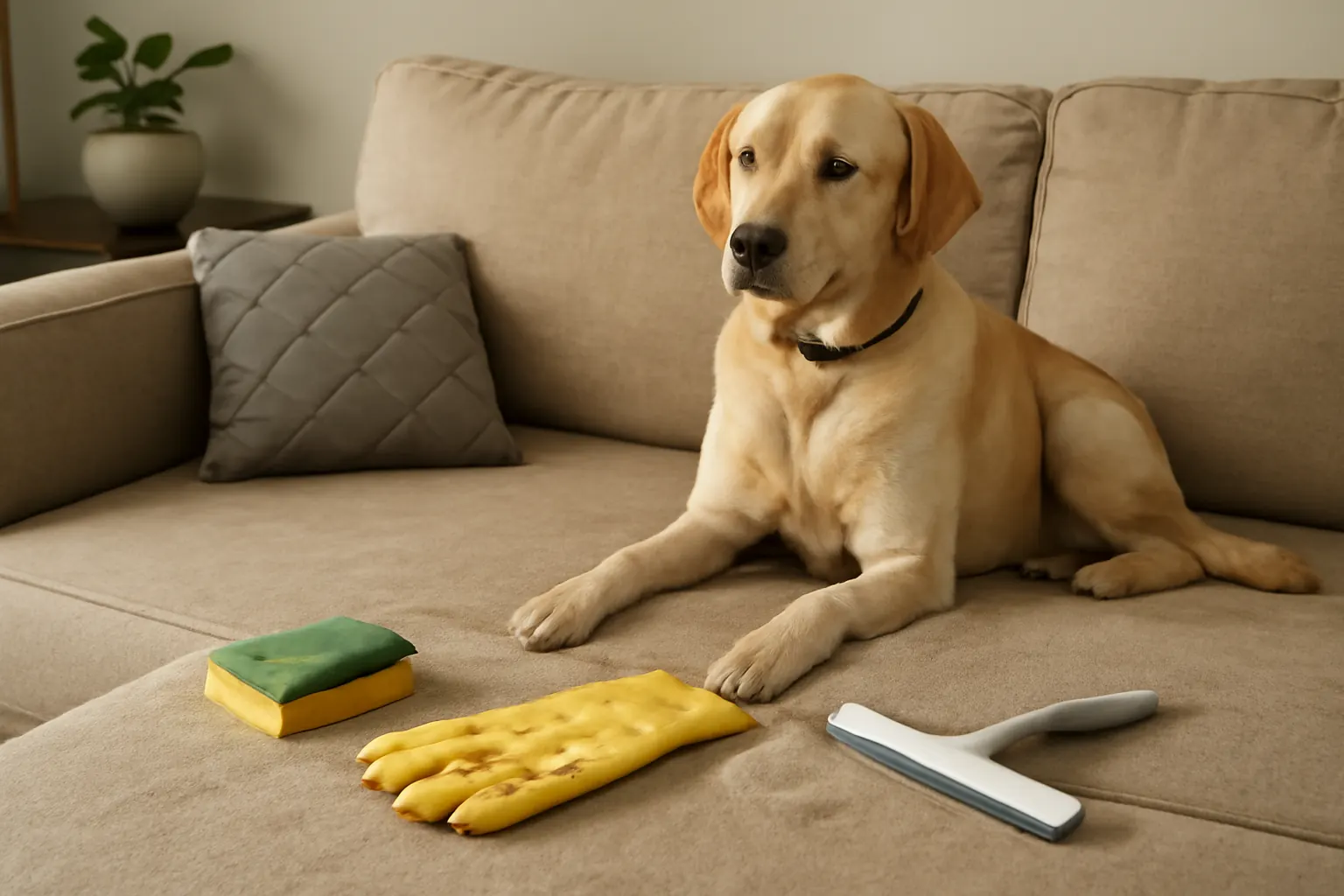
- Clean up spills immediately: Quickly and thoroughly clean any antifreeze or chemical spills using gloves and disposable absorbent materials. Proper disposal of these materials prevents accidental ingestion. Consider having a spill kit available in garage areas where such chemicals are stored.
- Monitor outdoor areas regularly: Check your yard for fallen toxic plants, baited traps, or chemical residues. Supervise pets closely when they are in new or recently treated outdoor environments, especially during gardening activities or pest control treatments.
- Maintain secure trash management: Use pet-proof trash bins and avoid leaving food scraps or spoiled items accessible, which might attract pets and expose them to harmful substances. Be aware of items like chocolate wrappers or raisin packs that can be fatal if ingested.
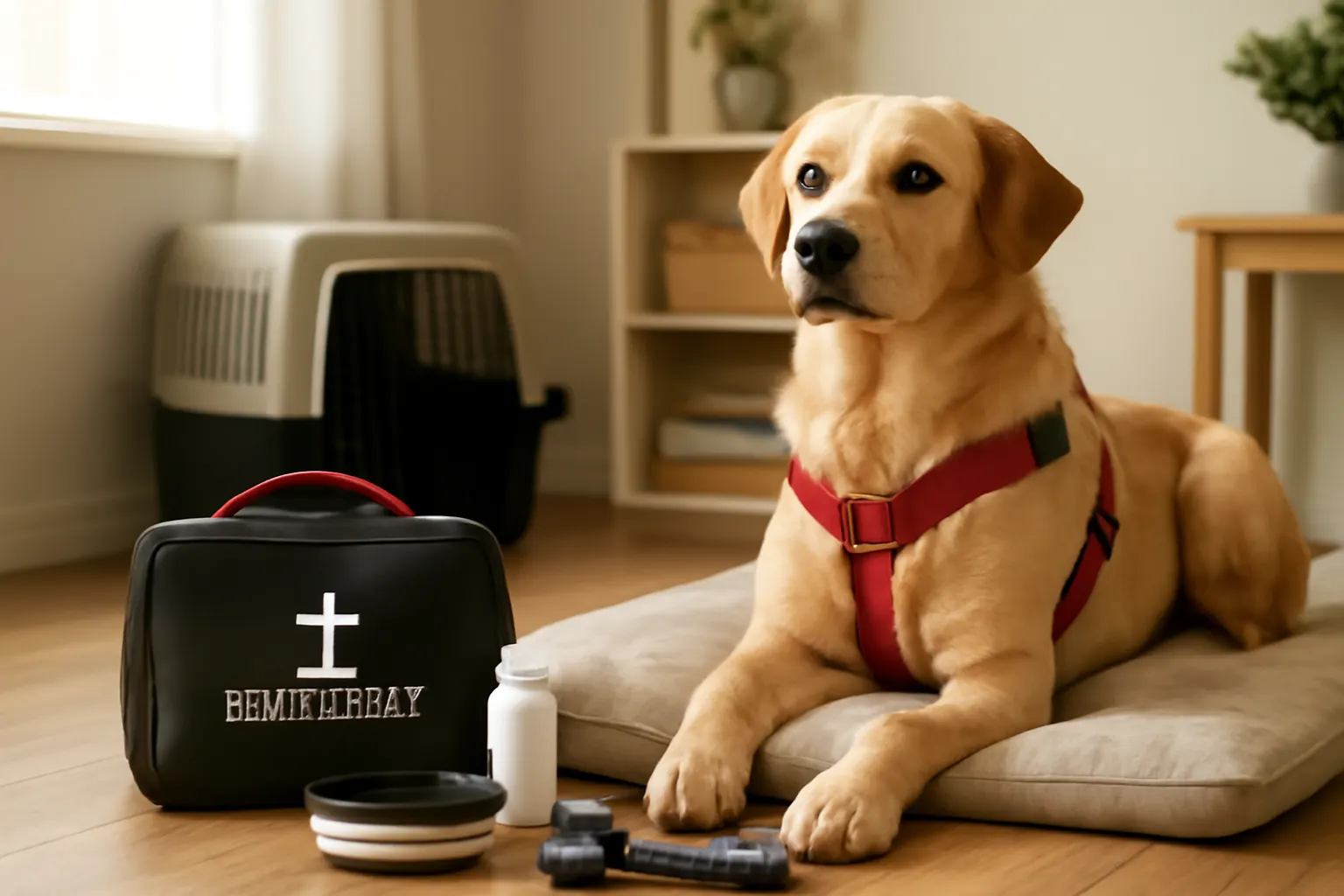
- Have emergency information readily available: Post emergency numbers like the ASPCA Animal Poison Control and your local veterinary emergency contacts in visible locations for quick access. Also, keep a pet first-aid kit handy and be familiar with basic emergency procedures.
- Educate yourself and your family: Learn to recognize early symptoms of poisoning such as vomiting, drooling, lethargy, seizures, or uncoordinated movements, and understand the importance of prompt veterinary care. Discuss with family members the seasonal hazards specific to your environment and pets’ routines.
Common Owner Mistakes to Avoid
- Assuming natural products or home remedies are safe: Essential oils, certain plants, and herbal supplements can be highly poisonous to pets despite their natural origin. For instance, tea tree oil and wintergreen oil can be toxic in small amounts.
- Leaving medications accessible: Pets can accidentally overdose by chewing on pill bottles or ingesting improperly stored supplements. Secure all pharmaceuticals immediately after use and dispose of unused medications responsibly.
- Using human insect repellents or cleaning products around pets: Many contain harmful chemicals like DEET or phenols that can cause serious health issues if licked, ingested, or absorbed through the skin. Always choose pet-safe alternatives and keep pets away during cleaning.
- Delaying veterinary care: Early symptoms such as vomiting or tremors can escalate rapidly. Immediate professional assessment is critical for a positive outcome. Avoid home treatments unless instructed by your vet.
- Narrow focus on one season: Recognize that hazards vary through the year and precaution measures should adapt with seasonal changes. Stay informed about emerging risks and update your safety protocols accordingly.
When to Call Your Veterinarian or Emergency Pet Poison Control
If you suspect your pet has come into contact with a toxin, act without delay. Signs including vomiting, diarrhea, drooling, weakness, tremors, seizures, or sudden behavioral changes require urgent veterinary attention. Call your veterinarian or the ASPCA Animal Poison Control hotline for immediate guidance.
Prepare the following information to expedite assistance: your pet’s breed, weight, the suspected toxin name or description, the amount ingested if known, and the time elapsed since exposure. Do not attempt to induce vomiting or administer treatments unless directed by a professional, as improper actions can worsen the situation.
Practical Owner Scenario: Handling Suspected Antifreeze Exposure
Consider this situation: you notice a crack in an antifreeze container in the garage and see your dog sniffing near the spill. Here is a step-by-step response plan:
- Immediately remove your pet from the area to prevent further exposure.
- Put on gloves and thoroughly clean the spill using absorbent materials, disposing of these safely in accordance with local hazardous waste guidelines.
- Monitor your pet for signs such as drooling, vomiting, staggering, lethargy, or seizures, which may develop within a few hours.
- Contact your veterinarian or a pet poison control center immediately, even if symptoms have not yet appeared, as early intervention is critical for antifreeze poisoning.
- Follow all veterinary advice for transportation and treatment. Antifreeze poisoning is nearly always fatal if untreated but has much better outcomes with rapid therapy.
- Prevent future incidents by storing antifreeze in tightly sealed, elevated containers inaccessible to pets and cleaning up spills promptly.
Additional Safety Tips and Resources
Beyond toxin prevention, maintaining a safe living environment includes regular pest control checks, using natural pest deterrents safe for pets, and ensuring your pet’s environment is stimulating to reduce stress-based behaviors such as chewing on unsafe items. Consider training your pets on commands like "leave it" to prevent accidental ingestion during outdoor activities.
Additional reliable resources include the American Veterinary Medical Association’s (AVMA) emergency preparedness guide, the Pet Poison Helpline’s comprehensive toxicology database, and FDA's animal and veterinary recalls. These sources provide in-depth information for pet owners on safety and emergency care.
Conclusion
Seasonal household toxins present evolving risks to pets throughout the year. By understanding these hazards and implementing thorough preventive measures, you can protect your pets from serious harm. Always store hazardous substances securely, select pet-safe products, regularly inspect your home and yard for dangers, and promptly seek veterinary care if poisoning is suspected. With careful attention and preparedness, your pets can enjoy safe and healthy lives across all seasons.
FAQ
What are the most common household toxins for pets during winter?
Common winter toxins include antifreeze (ethylene glycol), de-icing salts, and decorative plants like holly or mistletoe. Antifreeze is especially dangerous due to its sweet taste and severe toxicity.
How can I prevent my pet from ingesting fertilizers or pesticides during spring?
Store fertilizers, herbicides, and pesticides in secure places out of reach. Use pet-safe products when available and keep pets away from treated areas until completely dry or safe per product instructions.
What immediate steps should I take if I suspect my pet has ingested a household toxin?
Remove your pet from the exposure site and contact a veterinarian or the ASPCA Animal Poison Control immediately. Avoid inducing vomiting or giving treatments unless advised by a professional.
Are natural or essential oil products safe for pets?
Not necessarily. Many natural or essential oil products can be toxic to pets, so always check safety information and consult a vet before use.
When should I seek emergency veterinary care for a suspected poisoning?
Seek immediate veterinary care if your pet shows symptoms like vomiting, drooling, trembling, weakness, seizures, or sudden behavioral changes after toxin exposure.