safety
Recognizing and Avoiding Hidden Household Hazards to Protect Your Pets
Household items and chemicals that seem harmless can pose serious risks to pets. This guide helps you spot dangers, avoid common mistakes, and implement practical safety measures to ensure your pets stay protected and healthy.
- Introducing Unsafe Items Without Verification: Always research and confirm the pet safety of new household products, foods, or plants before bringing them into your home.
- Delaying Veterinary Intervention: Do not wait for symptoms to worsen; early veterinary care can be lifesaving.
- Neglecting Secure Storage: Assume that pets can reach unsecured items even if they have not before; use locks and secure storage diligently.
- Overlooking Mild Symptoms: Attend to subtle changes in your pet’s behavior or health promptly, as these can quickly escalate.
- Administering Human Medications Without Guidance: Only give medications prescribed specifically for your pet by a veterinarian.
- Ignoring Small Object Hazards: Regularly remove small objects that might be swallowed, cause choking, or intestinal blockages.
Case Example: Managing Chocolate Ingestion in Dogs
Chocolate poisoning is a common and dangerous occurrence due to the toxic theobromine content. Handling it effectively involves these critical steps:
- Remove Access: Immediately take away any remaining chocolate from your dog’s reach.
- Estimate Details: Determine the type of chocolate (dark and baking chocolates have the highest toxicity) and estimate the amount consumed relative to your dog's weight.
- Contact Veterinary Experts: Call your veterinarian or poison control with this information for tailored instructions specific to your dog’s safety.
- Monitor Symptoms Closely: Watch for vomiting, restlessness, rapid breathing, seizures, shaking, excessive thirst, or unusual hyperactivity. Immediate veterinary attention is necessary if any symptoms appear.
- Prevent Future Incidents: Secure all chocolate and educate household members and visitors about the dangers. Maintain vigilance especially during holidays and special occasions when chocolate is more common.
Additional Tips and Seasonal Safety Considerations
- Holiday Hazards: Festive decorations like tinsel, ornaments, poinsettias, and lit candles pose unique risks. Supervise pets closely and keep these items well out of their reach.
- Safe Medication Disposal: Dispose of expired or unused medications through pharmacy take-back or hazardous waste programs. Never leave medicines unsecured and accessible to pets.
- Designated Safe Zones: Create quiet, hazard-free spaces where pets can retreat during busy occasions or when visitors are present to reduce stress and accidents.
- Seasonal Plant Awareness: Recognize seasonal plants or flowers that become toxic during certain times of the year, and adjust pet access accordingly.
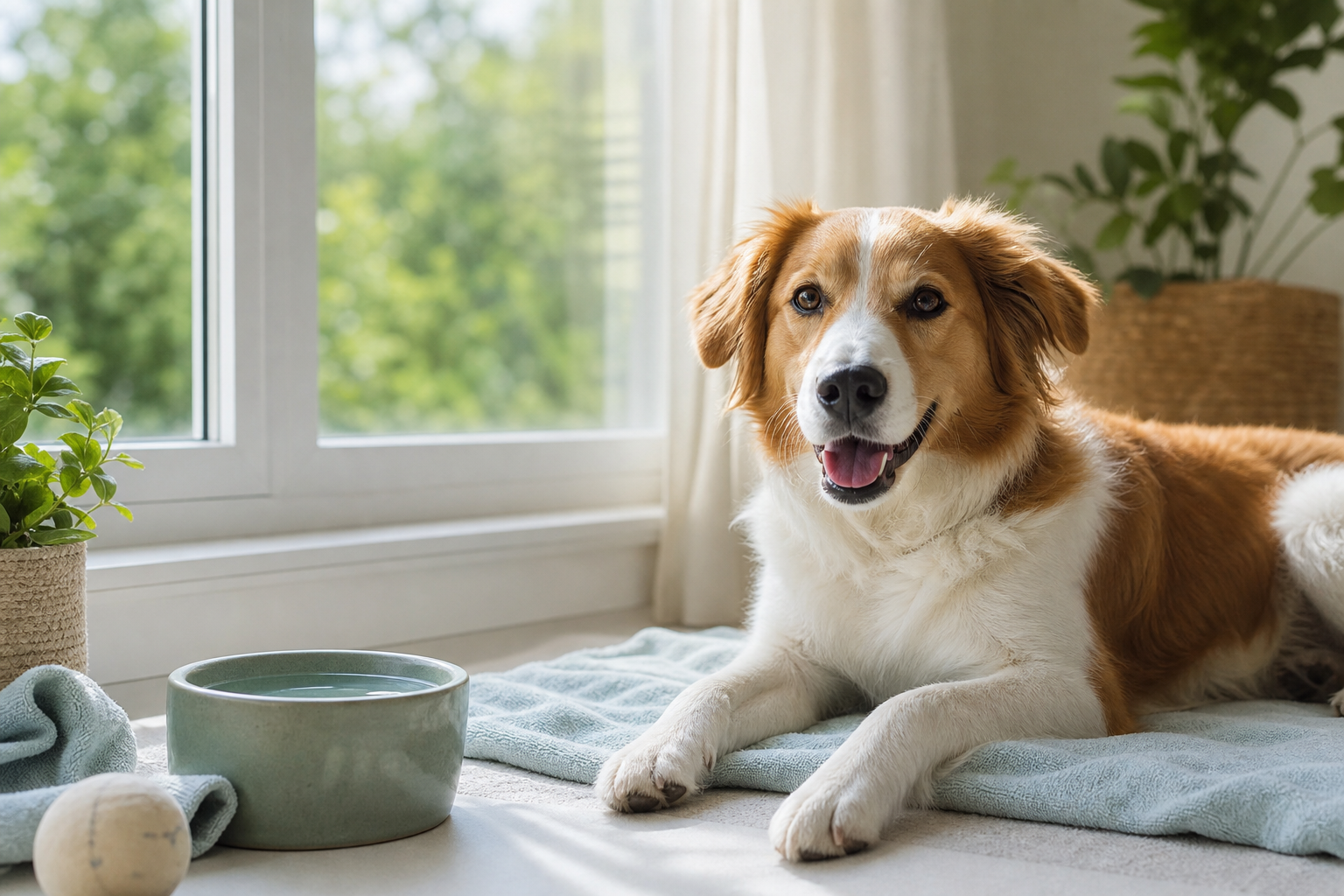
By applying these thorough prevention strategies, emergency procedures, and educational efforts, you can transform your home into a sanctuary of safety for your pets. Understanding risks from your pet’s viewpoint and staying vigilant empowers you to prevent accidents and respond effectively, ensuring long, healthy, and happy lives together.
FAQ
What are the most common household dangers to pets?
The most common dangers include toxic chemicals like antifreeze and cleaning products; toxic human foods such as chocolate, grapes, and xylitol; medications; poisonous plants; small choking hazards; electrical cords and batteries; and certain essential oils.
How can I recognize if my pet has been poisoned?
Symptoms include vomiting, diarrhea, excessive drooling, lethargy, difficulty breathing, seizures, sudden behavioral changes, or visible injuries. Immediate veterinary evaluation is essential if poisoning is suspected.
What should I do first if my pet consumes a toxic substance?
Safely remove your pet from the hazard, gather details about the substance and the exposure, then contact your veterinarian or a poison control center immediately. Follow their instructions carefully and avoid home remedies unless directed.
How can I effectively pet-proof my home?
Secure hazardous substances in locked cabinets, restrict access to toxic foods and plants, provide safe toys, protect electrical cords, educate everyone in your household, and regularly inspect your home from your pet’s perspective to identify and mitigate risks.
When should I seek emergency veterinary care for my pet?
Seek immediate vet care if your pet exhibits severe symptoms such as seizures, difficulty breathing, collapse, or has ingested highly toxic substances, even if symptoms seem mild at first.