dogs
How to Safely Manage Your Dog's Shedding: An Essential Guide for Owners
Shedding is a natural part of your dog's life. This guide offers clear strategies to manage shedding, maintain skin health, minimize household mess, and ensure your dog’s well-being.
Shedding is one of the most common challenges dog owners face, especially during seasonal changes. While shedding is a natural process where dogs lose old or damaged hair to make room for new growth, excessive shedding can be frustrating and sometimes indicate underlying health issues. Managing your dog's shedding effectively helps maintain a healthy coat, reduce allergens in your home, and keep your living space cleaner.
Understanding Why Dogs Shed
Shedding varies by breed, age, diet, and environment. Some breeds, like Siberian Huskies and German Shepherds, shed heavily, whereas others, such as poodles and bichon frises, shed minimally. Seasonal shedding is common, with most dogs shedding more in spring and fall as they adjust their coats for temperature changes.
- Seasonal shedding: Most dogs shed more in the spring and fall as they adjust their coats for temperature changes.
- Health factors: Poor nutrition, allergies, parasites, hormonal imbalances, or skin infections can increase shedding.
- Stress and anxiety: Behavioral stress may cause temporary shedding increases.
Practical Steps to Manage Shedding Effectively
Proper coat care and lifestyle management can reduce excess shedding and improve your dog's comfort. Here’s a detailed step-by-step approach:
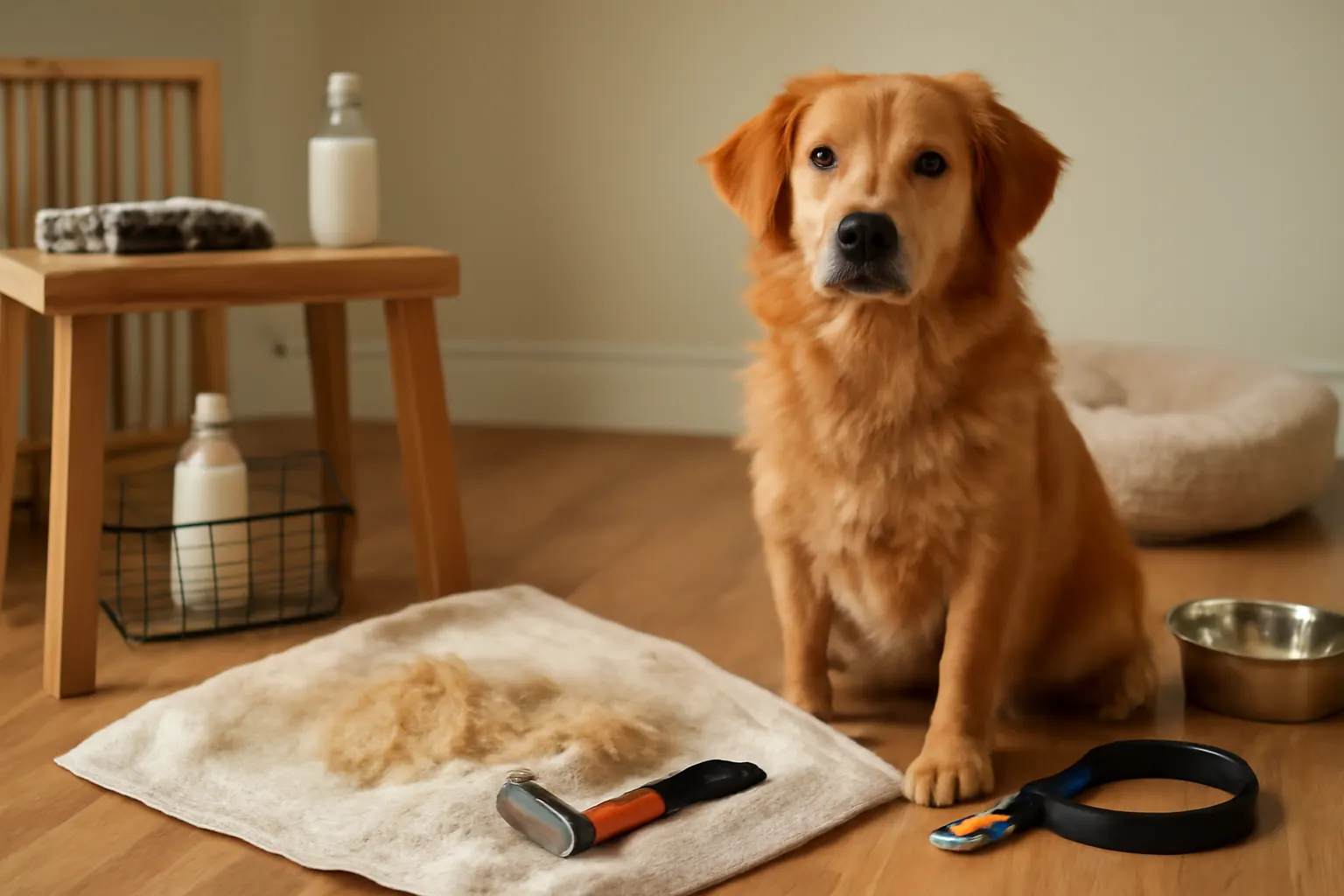
- Regular grooming: Brush your dog several times a week using a brush specifically suited to your dog's coat type. For thick double-coats, undercoat rakes and shedding blades are effective at removing loose hair. For curly or fine coats, slicker brushes and combs work best. Regular brushing removes loose fur before it falls around your home and stimulates healthy skin oils.
- Bathing: Bathe your dog about once a month or as recommended by your veterinarian. Use dog-specific shampoos that are free of harsh chemicals and formulated to maintain skin moisture. Bathing helps loosen dead hair and debris, especially before grooming sessions. Avoid over-bathing as it can dry out skin and worsen shedding.
- Balanced diet: Feeding a high-quality diet rich in omega-3 and omega-6 fatty acids is critical for healthy skin and coat. Fatty acids help reduce inflammation and promote hair follicle health, minimizing shedding. Consider supplements like fish oil or specialized omega fatty acid blends, but always consult your vet before adding supplements.
- Hydration: Always ensure your dog has access to fresh water. Proper hydration keeps the skin supple and reduces dryness and flakiness, which can worsen shedding and cause irritation.
- Control parasites: Fleas, ticks, and mites can irritate the skin and lead to hair loss. Use effective, vet-recommended parasite preventatives year-round to avoid infestations. Regularly check your dog, especially during peak parasite seasons.
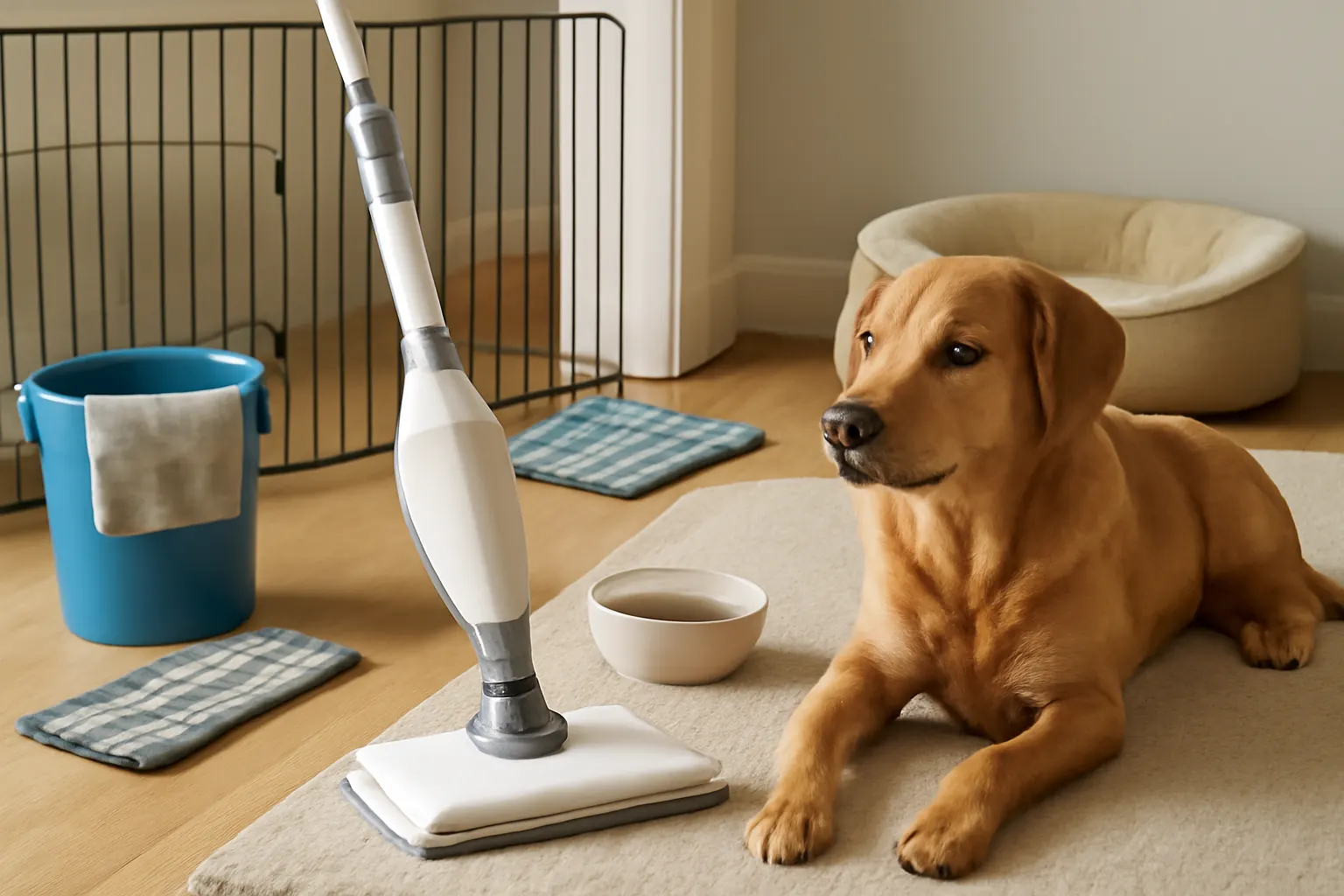
- Maintain a clean environment: Regularly vacuum floors, carpets, and furniture using vacuum cleaners with HEPA filters which are best at trapping pet hair and dander. Consider using washable furniture covers and lint rollers to keep household surfaces clean.
Common Owner Mistakes to Avoid
- Using human shampoos or products with harsh chemicals that dry out or irritate your dog’s skin.
- Over-bathing your dog, which strips natural oils and can intensify shedding.
- Neglecting regular grooming, particularly during peak shedding seasons.
- Feeding low-quality food that lacks essential nutrients for skin and coat health.
- Ignoring signs of underlying skin problems such as redness, flakes, excessive itching, or bald patches.
When to Consult Your Veterinarian
While shedding is natural, certain symptoms warrant professional evaluation to rule out health issues:
- Sudden or patchy hair loss that doesn’t correlate with normal shedding cycles.
- Red, irritated, scaly, or inflamed skin.
- Persistent scratching, licking, or biting at the coat or skin.
- Changes in appetite, behavior, or energy that coincide with increased shedding.
Your veterinarian can perform necessary diagnostics to identify allergies, infections, hormonal disorders (like hypothyroidism), or other medical conditions and recommend appropriate treatments.
Additional Practical Tips for Owners
Incorporate daily grooming into your routine as a bonding time that benefits both you and your dog. Choose grooming tools comfortable for your pet to reduce stress during sessions. Introducing grooming gently from puppyhood or adoption helps your dog adjust easily.
Consider creating a shedding-season schedule where you increase grooming frequency and monitor coat condition closely. Use lint rollers or pet hair removers on clothing and furniture regularly during peak shedding periods.
For multi-dog households, groom each dog separately and maintain hygiene tools to avoid cross-contamination of parasites or skin infections.
Remember, while shedding cannot be completely stopped, these practical techniques combined with attentive care will help you manage shedding effectively, maintain your dog’s coat health, and keep your home cleaner and allergen-free.
FAQ
Is excessive shedding always a sign of illness?
No. Shedding is a natural process, especially seasonally. However, sudden or patchy hair loss, skin irritation, or other symptoms may indicate underlying health issues and should be evaluated by a veterinarian.
How often should I brush my dog to manage shedding?
Frequency depends on your dog's coat type. Dogs with heavy shedding coats benefit from daily brushing, while dogs with shorter or single coats may need brushing a few times per week.
Can diet affect my dog's shedding?
Yes. A balanced diet rich in essential fatty acids supports healthy skin and coat, which can reduce excessive shedding. Poor nutrition often leads to dry skin and increased hair loss.
What grooming tools are best for reducing shedding?
Undercoat rakes, deshedding brushes, and slicker brushes are effective for removing loose fur. Choose tools based on your dog's coat type to avoid discomfort or skin irritation.
When should I bathe my dog during shedding season?
Bathing about once a month with dog-specific shampoos helps loosen dead hair and maintain skin health. Avoid over-bathing, as it can dry out the skin and worsen shedding.