
health-behavior
Understanding and Managing Separation Anxiety in Dogs: A Practical Owner’s Guide
Explore effective strategies to identify and ease your dog’s separation anxiety, helping create a calmer, happier home environment with step-by-step guidance, common owner mistakes to avoid, and expert tips.
Part 2: Signs and Steps
Step-by-Step Management Strategies
- Gradual Desensitization: Start by leaving your dog alone for very short periods (seconds to minutes). Gradually increase the duration only when your dog shows calm behavior, building their confidence over time and reducing anxiety triggers. For example, begin by stepping out of a room briefly and gradually increase your time away, monitoring your dog’s response after each session.
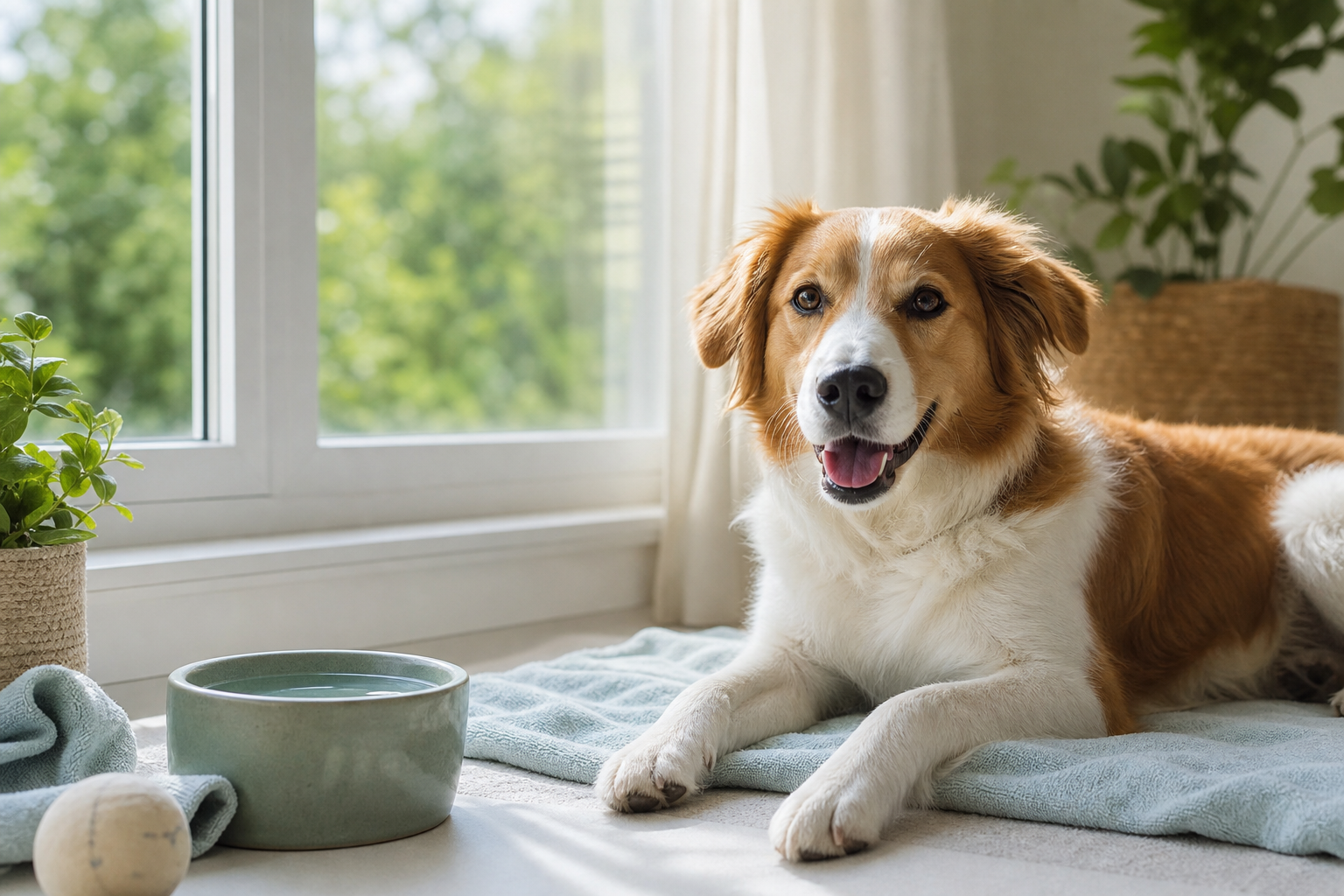
- Create a Safe Space: Set up a comfortable, quiet, and familiar area with your dog’s favorite bed, toys, and access to water. This safe zone should serve as a secure retreat during your absences. Avoid creating associations that might increase anxiety like confinement to an uncomfortable crate unless it is accustomed and safe.
- Exercise and Mental Stimulation: Engage your dog in vigorous physical activity before departing to expend excess energy. Use puzzle feeders or interactive toys during alone time to keep their mind occupied and alleviate anxiety. A tired dog generally copes better with alone time.
- Low-Key Departures and Arrivals: Avoid dramatic goodbyes or enthusiastic greetings, which can heighten anxiety. Keep departures and returns brief and calm to help your dog remain relaxed and not overly fixated on your comings and goings.
- Positive Reinforcement: Reward calm and relaxed behaviors with treats and praise to reinforce the idea that alone time is positive and safe. Use training clickers or verbal praise to encourage desirable behaviors consistently.
- Professional Support: For longer absences or severe cases, consider hiring professional dog walkers, pet sitters, or enrolling your dog in daycare to provide social interaction and supervision. Behavioral specialists can also guide targeted training or recommend medication if necessary.
Common Owner Mistakes to Avoid
- Overreacting to Anxiety Behaviors: Reacting with sympathy or punishment can inadvertently reinforce anxiety. Maintain a calm and consistent demeanor instead.
- Leaving Dogs Alone Without Preparation: Failing to provide sufficient exercise or mental engagement before departure often exacerbates anxiety and destructive behaviors.
- Using Punishment or Negative Reinforcement: Punitive methods can increase fear and worsen symptoms, delaying recovery.
- Ignoring Early Symptoms or Delaying Help: Early intervention is critical. Delaying professional advice can lead to worsening behaviors and more complex management needs.
- Inconsistent Routine or Training: Changing routines frequently or inconsistent training can confuse your dog and worsen anxiety symptoms.
When to Consult Your Veterinarian or a Behaviorist
If your dog's anxiety leads to severe distress, self-injury, or destructive behavior that threatens safety or property, seek professional guidance promptly. Veterinarians may recommend behavioral therapy, certified trainers, or medication as part of a tailored treatment plan.
Signs that professional intervention is needed include:
- Persistent and escalating destructive behavior
- Signs of physical harm such as wounds or sore spots from self-trauma
- Unmanageable vocalization disturbing neighbors or household members
- Lack of improvement despite consistent owner efforts
Additional Practical Tips for Daily Life
- Maintain a predictable daily routine to provide your dog with a sense of security and stability.
- Practice brief separations regularly to gradually increase your dog’s tolerance to alone time.
- Leave items infused with your scent, like worn clothing or blankets, to comfort your dog during absences.
- Offer affection and reassurance without encouraging anxious behaviors. Avoid coddling that can increase dependency.
- Create a calm home environment with soothing sounds or white noise to mask external triggers that may cause distress.
- Use calming pheromone diffusers recommended by veterinarians to help reduce anxiety symptoms.
- Avoid making departures or returns a big event; instead, normalize your comings and goings.