dogs
A Practical Guide to Preventing and Managing Canine Allergies
Allergies can cause discomfort and health issues in dogs. This detailed guide offers clear steps to recognize symptoms, reduce triggers, and care for allergic dogs effectively, including practical advice for owners.
Introduce Changes Gradually: When starting a new diet or treatment, gradual transition helps prevent digestive upset. Observe your dog closely for any adverse reactions during these periods.
Wear Protective Clothing: When handling flea treatments or cleaning agents, use gloves and follow all product instructions carefully to avoid accidental exposure or irritation for you and your pet.
Use Allergen-Proof Bedding: Choose bedding materials less prone to dust accumulation and wash regularly in hot water to reduce allergen presence.
Consider Professional Allergy Testing: Advanced veterinary allergy testing can precisely identify specific environmental or food allergens, allowing for targeted treatment plans tailored to your dog’s unique needs. This can be especially helpful if symptoms persist despite standard management.
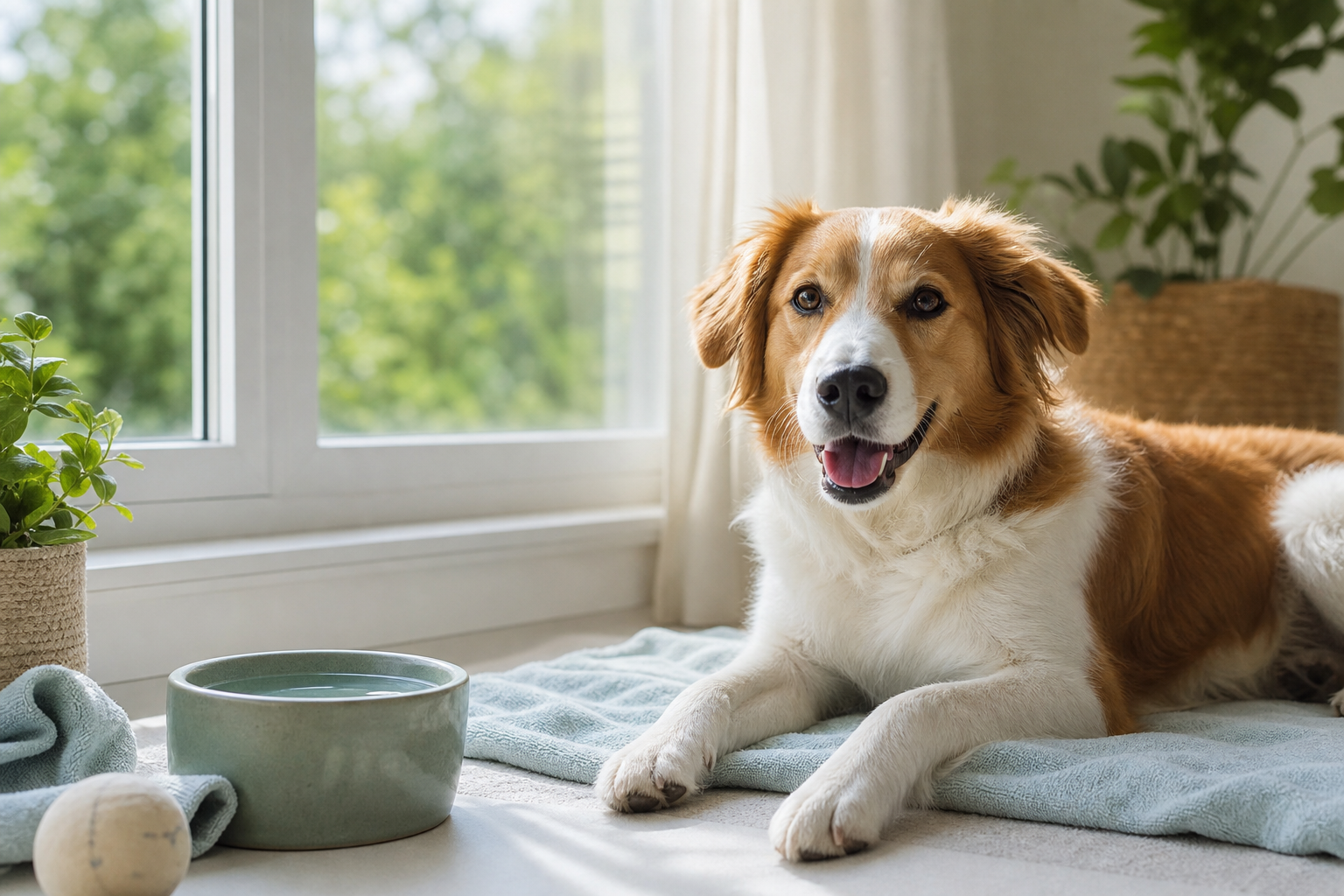
Create a Comfortable Environment: Ensure your dog has a calm, clean resting area and maintains regular exercise. Stress can exacerbate allergy symptoms, so a stable environment supports overall well-being.
Avoid Sudden Exposure Changes: Be cautious about introducing your dog to new environments or grooming products suddenly, as these can trigger allergic reactions.
FAQ
How can I tell if my dog has allergies or just dry skin?
While both cause itching, allergies often present with redness, swelling, and recurring symptoms linked to specific triggers, whereas dry skin usually causes mild flaking without significant inflammation. A veterinarian can perform proper diagnostics to differentiate the two.
Are there safe over-the-counter treatments for dog allergies?
Some antihistamines can be used under veterinary guidance, but you should never give human allergy medications without a vet's approval, as many are unsafe for dogs. Many allergy treatments require prescriptions or specialized shampoos designed for dogs.
Can food allergies in dogs be cured or just managed?
Food allergies usually cannot be cured but can be effectively managed by identifying and avoiding the offending ingredients through elimination diets and careful feeding under veterinary supervision.
When should I seek emergency care for my dog's allergies?
If your dog has severe difficulty breathing, swelling of the face or throat, or sudden collapse, seek emergency veterinary care immediately. For persistent itching and infections, prompt vet visits are also important but less urgent.