
Health & Behavior
Comprehensive Guide to Managing Canine Separation Anxiety: Effective Strategies and Insights
Separation anxiety is a prevalent behavioral issue among dogs. This guide provides owners with actionable steps to alleviate their pet’s distress during periods of separation, enhancing the well-being of both dog and owner.
Part 2: Signs and Steps
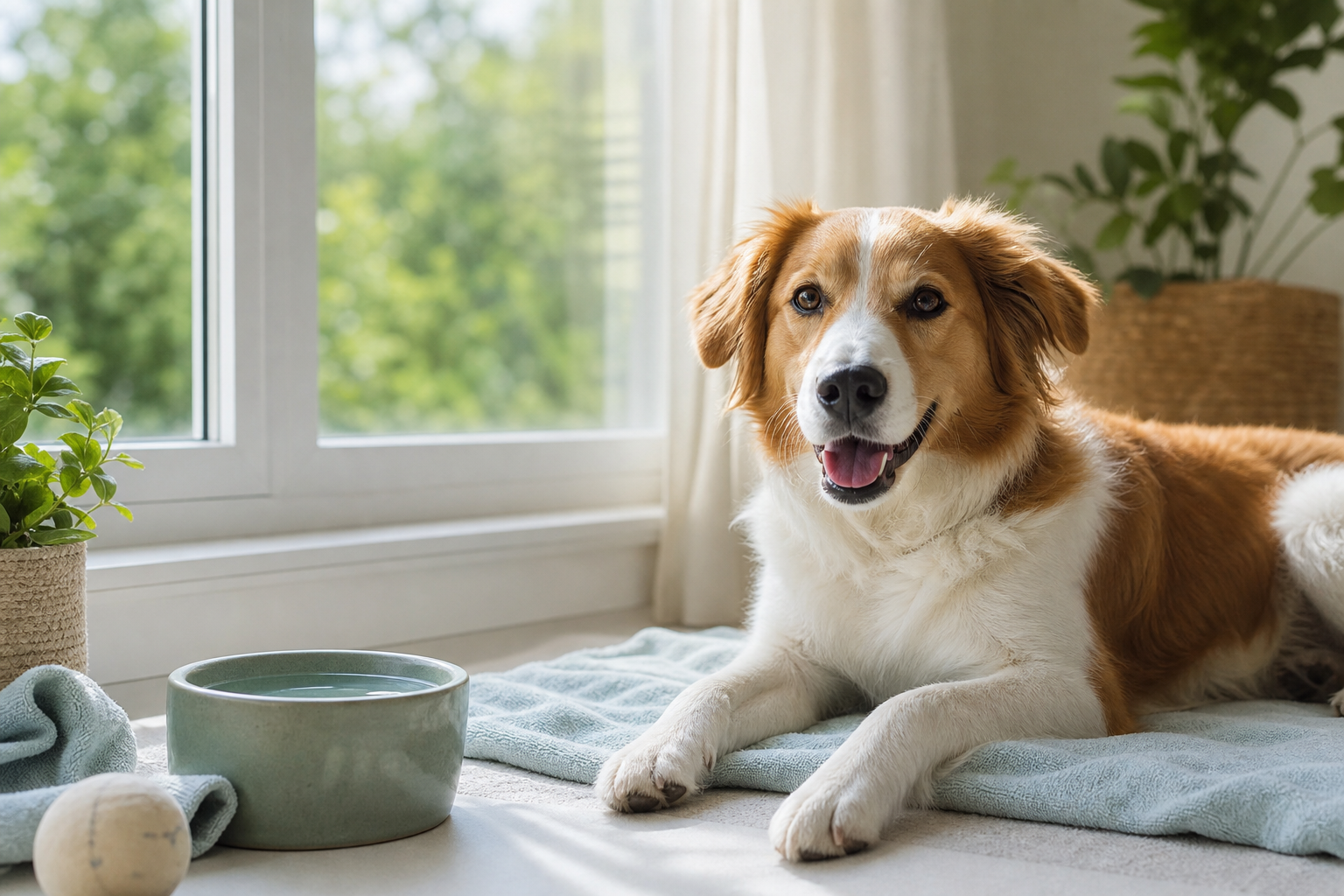
- Include familiar bedding, toys, and items with your scent such as worn clothing.
- Use a crate only if your dog views it positively; avoid forcing confinement if it exacerbates stress.
- Consider leaving a radio or white noise machine playing softly to mask external sounds.
3. Engage in Regular Physical and Mental Stimulation
Providing ample exercise helps reduce excess energy that may otherwise fuel anxiety.
- Engage your dog in daily walks, play sessions, and training to tire them physically.
- Offer puzzle toys or long-lasting chews during alone time to provide mental stimulation and distraction.
4. Maintain a Consistent Routine
Dogs thrive on predictability, which reduces uncertainty and stress.
- Feed, walk, and play with your dog at consistent times daily.
- Establish a departure routine with cues that do not signal anxiety (e.g., putting on a hat but not always leaving immediately).
5. Use Calming Products and Techniques
Incorporate supportive aids to enhance your dog’s comfort during separation.
- Consider calming pheromone sprays or diffusers scientifically shown to reduce stress.
- Weighted calming vests may provide soothing pressure for some dogs.
- Play audio or video content designed for pets to create a calming environment.