Health & Behavior
Comprehensive Guide to Managing Canine Separation Anxiety: Effective Strategies and Insights
Separation anxiety is a prevalent behavioral issue among dogs. This guide provides owners with actionable steps to alleviate their pet’s distress during periods of separation, enhancing the well-being of both dog and owner.
Separation anxiety in dogs is a challenging condition that affects pets and their owners emotionally and physically. Recognizing symptoms early and applying effective management techniques can significantly reduce your dog's stress when left alone. This comprehensive guide offers practical, veterinary-backed strategies and step-by-step advice to help your canine companion feel calm and secure during periods of separation.
Understanding Separation Anxiety in Dogs
Separation anxiety manifests when dogs experience excessive distress or panic upon being left alone or separated from their owners. Symptoms typically include persistent barking, howling, destructive behavior (such as chewing furniture or scratching doors), inappropriate elimination (urinating or defecating indoors), pacing, drooling, and escape attempts. These behaviors often intensify when the dog anticipates being left alone, triggered by certain cues such as picking up keys or putting on shoes.
It is important to differentiate separation anxiety from general boredom or disobedience, as the former is a clinical behavioral issue requiring structured intervention. For related guidance, readers might also find useful A Comprehensive Guide to Understanding and Preventing Common Cat Digestive Issues, An Owner’s Guide to Preventing and Managing Canine Ear Infections, and Choosing the Right Dog Harness: An Evergreen Guide for Comfort and Control. For broader resources, our Product Guides section offers expert-curated advice.
Step-by-Step Practical Strategies to Manage Separation Anxiety
1. Gradual Desensitization and Counter-Conditioning
One of the most effective approaches is gradual desensitization combined with counter-conditioning. This process helps your dog slowly build tolerance to your absence without triggering panic.
- Start Small: Begin by leaving your dog alone for just a few seconds or minutes. Return before your dog shows signs of anxiety.
- Incremental Increase: Gradually increase the duration of your absences over days and weeks, as tolerated by your dog.
- Low-Key Departures and Arrivals: Avoid emotional goodbyes or greetings that can arouse anxiety; keep interactions calm and neutral.
- Use Positive Reinforcement: Reward calm behavior upon your return with treats or praise to reinforce relaxation during separation.
This technique requires patience and consistency. Expect progress to take weeks or months depending on severity.
2. Create a Safe and Comfortable Space
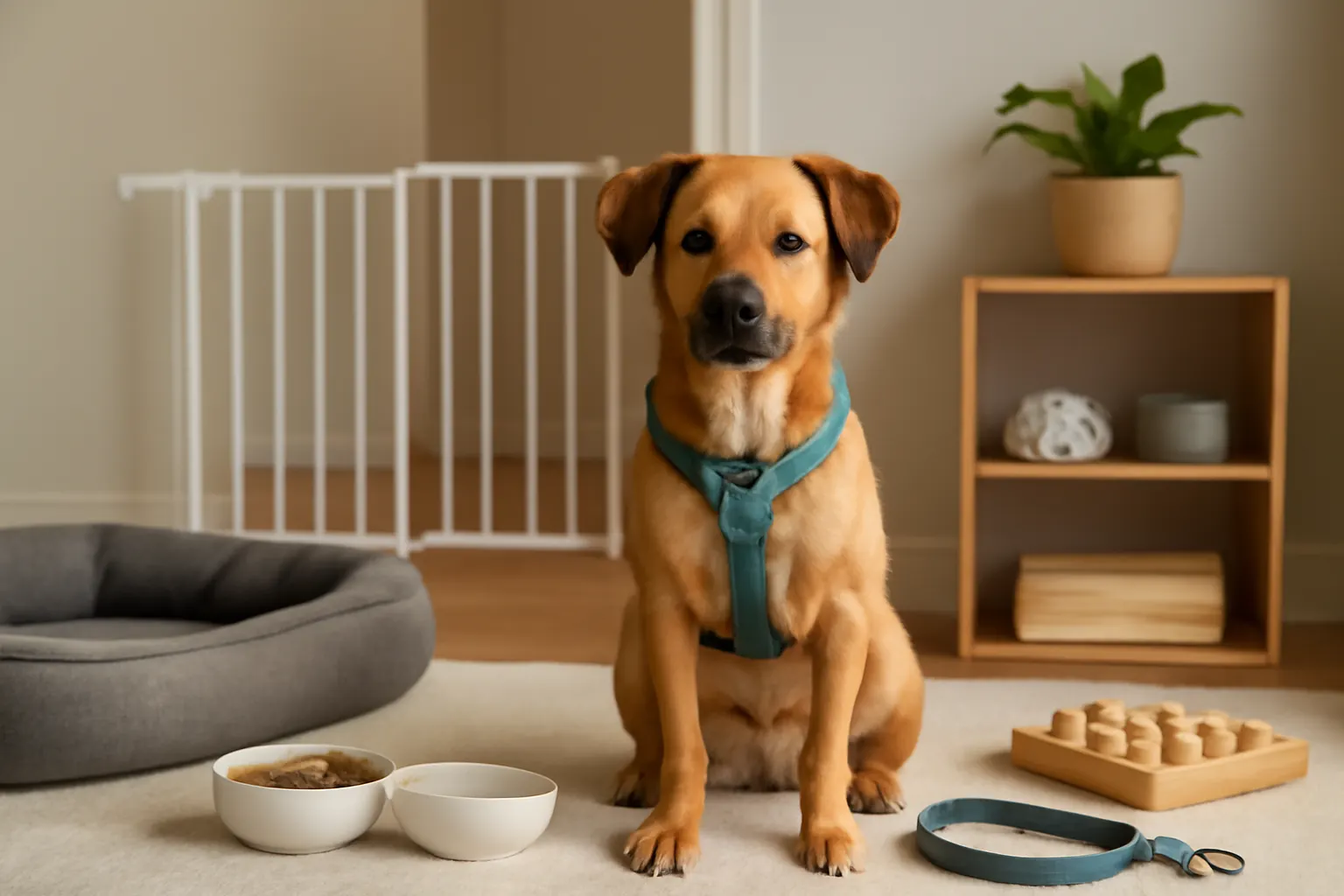
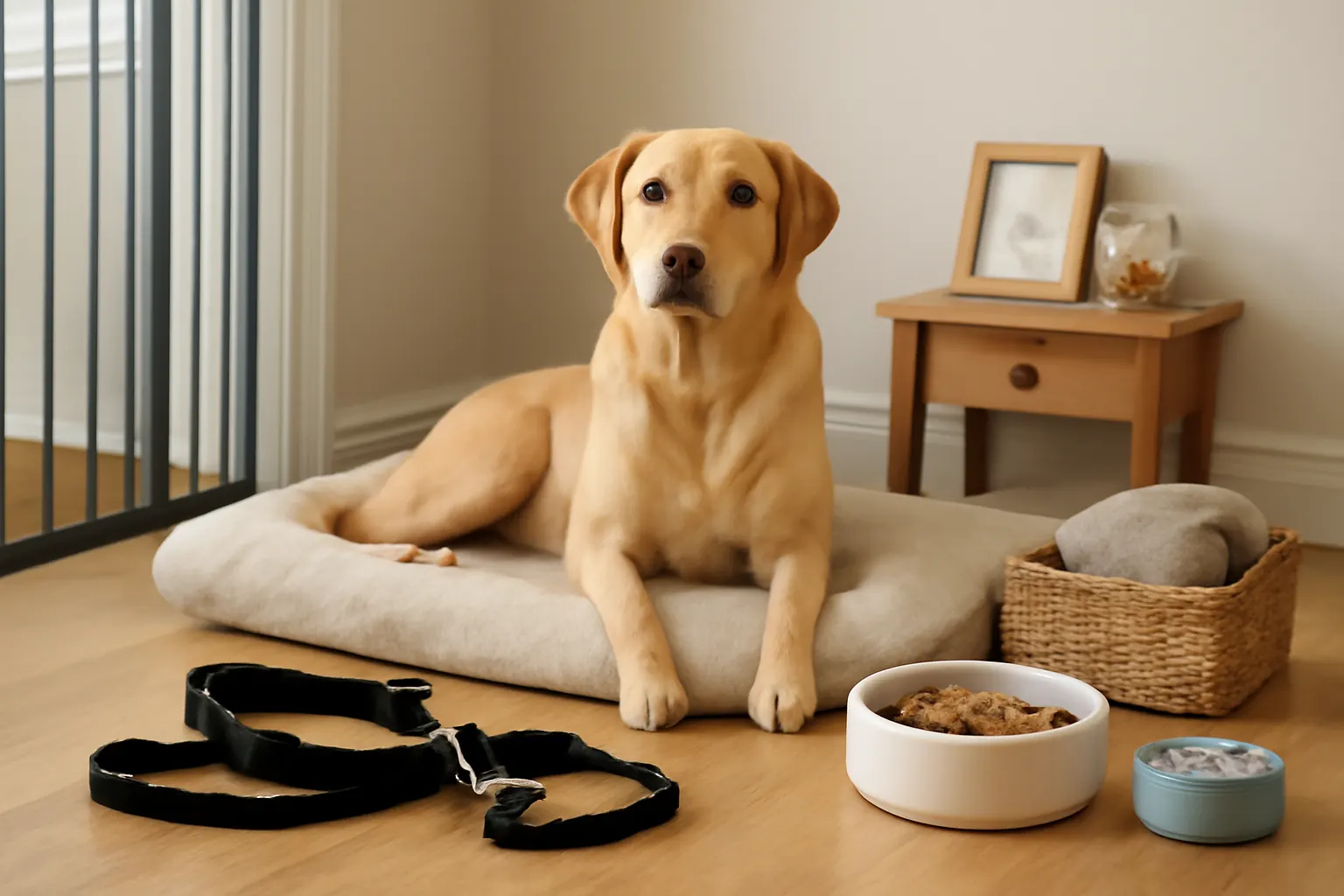
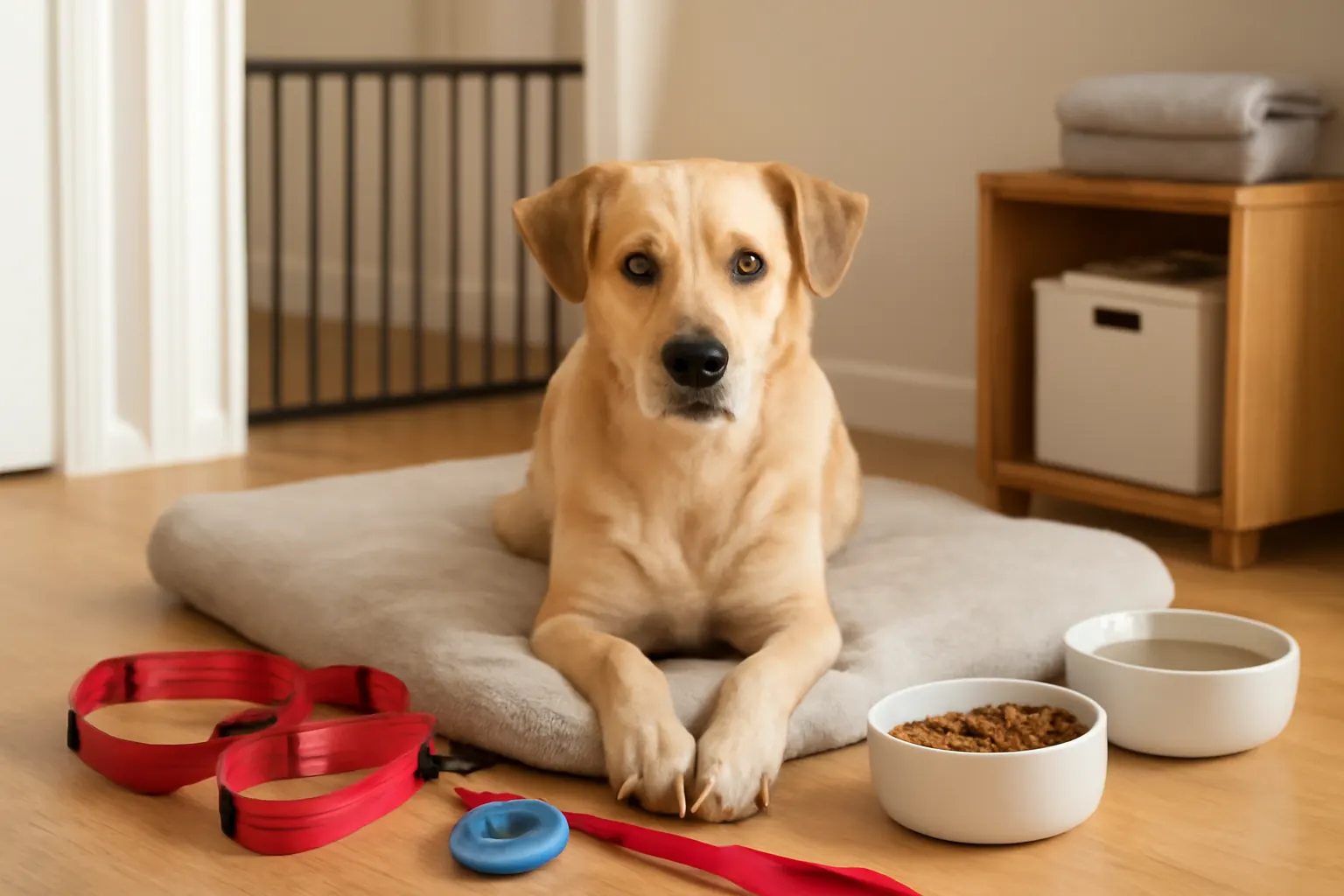
Designate a specific area where your dog feels secure and relaxed during your absence.
- Include familiar bedding, toys, and items with your scent such as worn clothing.
- Use a crate only if your dog views it positively; avoid forcing confinement if it exacerbates stress.
- Consider leaving a radio or white noise machine playing softly to mask external sounds.
3. Engage in Regular Physical and Mental Stimulation
Providing ample exercise helps reduce excess energy that may otherwise fuel anxiety.
- Engage your dog in daily walks, play sessions, and training to tire them physically.
- Offer puzzle toys or long-lasting chews during alone time to provide mental stimulation and distraction.
4. Maintain a Consistent Routine
Dogs thrive on predictability, which reduces uncertainty and stress.
- Feed, walk, and play with your dog at consistent times daily.
- Establish a departure routine with cues that do not signal anxiety (e.g., putting on a hat but not always leaving immediately).
5. Use Calming Products and Techniques
Incorporate supportive aids to enhance your dog’s comfort during separation.
- Consider calming pheromone sprays or diffusers scientifically shown to reduce stress.
- Weighted calming vests may provide soothing pressure for some dogs.
- Play audio or video content designed for pets to create a calming environment.
Common Mistakes to Avoid When Managing Separation Anxiety
- Overreacting to Departure or Return: Dramatic emotional displays can unintentionally reinforce anxiety. Instead, keep goodbyes and greetings calm and brief.
- Inconsistency in Routine: Variations in schedule or random departures confuse dogs and heighten anxiety.
- Ignoring Early Warning Signs: Addressing mild anxiety early prevents escalation and more severe behavioral issues.
- Punishing Anxiety-Related Behaviors: Scolding or reprimanding a dog for anxious behaviors worsens distress and can damage trust.
- Rushing the Process: Recovery requires gradual progress; pushing too fast can cause setbacks.
When to Seek Veterinary or Professional Behavioral Help
If your dog's anxiety is severe, persistent, or poses risks like self-harm or property damage, professional intervention is crucial.
- Veterinary Assessment: Rule out medical causes of anxiety symptoms and discuss treatment options. (petmd.com)
- Certified Animal Behaviorist: Professionals can tailor behavior modification plans and training. (vet.cornell.edu)
- Medication: In conjunction with behavioral therapy, medications may help severe cases to reduce anxiety and improve quality of life. (fda.gov)
Early consultation improves outcomes and quality of life for you and your dog.
Owner Case Example: Step-by-Step Application
Jenna noticed her golden retriever, Max, showed distress when she prepared to leave for work, barking and scratching at the door. She implemented gradual desensitization by stepping out briefly and returning calmly, then slowly increasing alone time daily. She created a cozy space with Max's favorite blanket and a puzzle toy, maintained a consistent schedule, and avoided emotional goodbyes. After several weeks, Max's anxious behaviors lessened markedly, and Jenna felt more confident leaving him at home.
Key Takeaway
Managing canine separation anxiety demands patience, empathy, and a structured approach. By gradually building your dog’s confidence through desensitization, providing comforting environments, and avoiding common pitfalls, you can significantly improve your dog's emotional wellbeing and strengthen your bond. Early intervention and professional guidance ensure the best results.
FAQ
What are the early signs of separation anxiety in dogs?
Early signs include restlessness, whining, pacing, excessive salivation, and clinginess before you leave. Recognizing these early allows you to intervene before the anxiety worsens.
How can I start gradual desensitization for my dog?
Begin by leaving your dog alone for very short periods, such as a few seconds, before returning calmly. Gradually increase the length of time away over several weeks, always returning before your dog shows anxiety signs.
Can exercise help reduce my dog's separation anxiety?
Yes, physical and mental exercise can help by tiring your dog and promoting relaxation during alone time. Daily walks, play, and puzzle toys are effective options.
When should I seek veterinary help for my dog's separation anxiety?
If anxiety behaviors are severe, cause harm or persistent damage, or don't improve with management, consult your veterinarian. They can recommend behavior specialists or medication if needed.
Are medications safe for treating separation anxiety?
Medications prescribed by veterinarians can be safe and effective when used alongside behavior training. They help reduce anxiety symptoms to improve training success but are not a standalone solution.