Product Guides
Essential Guide to Choosing the Best Dog Crate for Comfort and Safety
Finding the perfect dog crate enhances your pet’s comfort and safety. This comprehensive guide provides in-depth tips for choosing, using, and maintaining the ideal crate tailored to your dog’s needs, including step-by-step owner guidance, common mistakes to avoid, and when to consult professionals.
Why Choosing the Right Dog Crate Matters
A dog crate is more than just a containment tool—it serves as a sanctuary where your pet can find comfort, security, and rest. A carefully chosen crate supports effective crate training, enhances travel safety, and provides a controlled environment that promotes your dog's overall well-being. However, selecting the wrong crate or using it improperly can lead to discomfort, anxiety, or even injury, negating these benefits.
Understanding your dog's size, temperament, and lifestyle needs is essential to choosing the right crate. This guide covers the various types of crates, how to determine the appropriate size, step-by-step setup instructions, maintenance tips, common mistakes to avoid, and signs indicating when to seek professional help to ensure crate use is a positive experience for both you and your pet.
Types of Dog Crates: Pros, Cons, and Best Uses
Knowing the differences between crate types helps you select one that aligns with your dog's personality and your household environment.
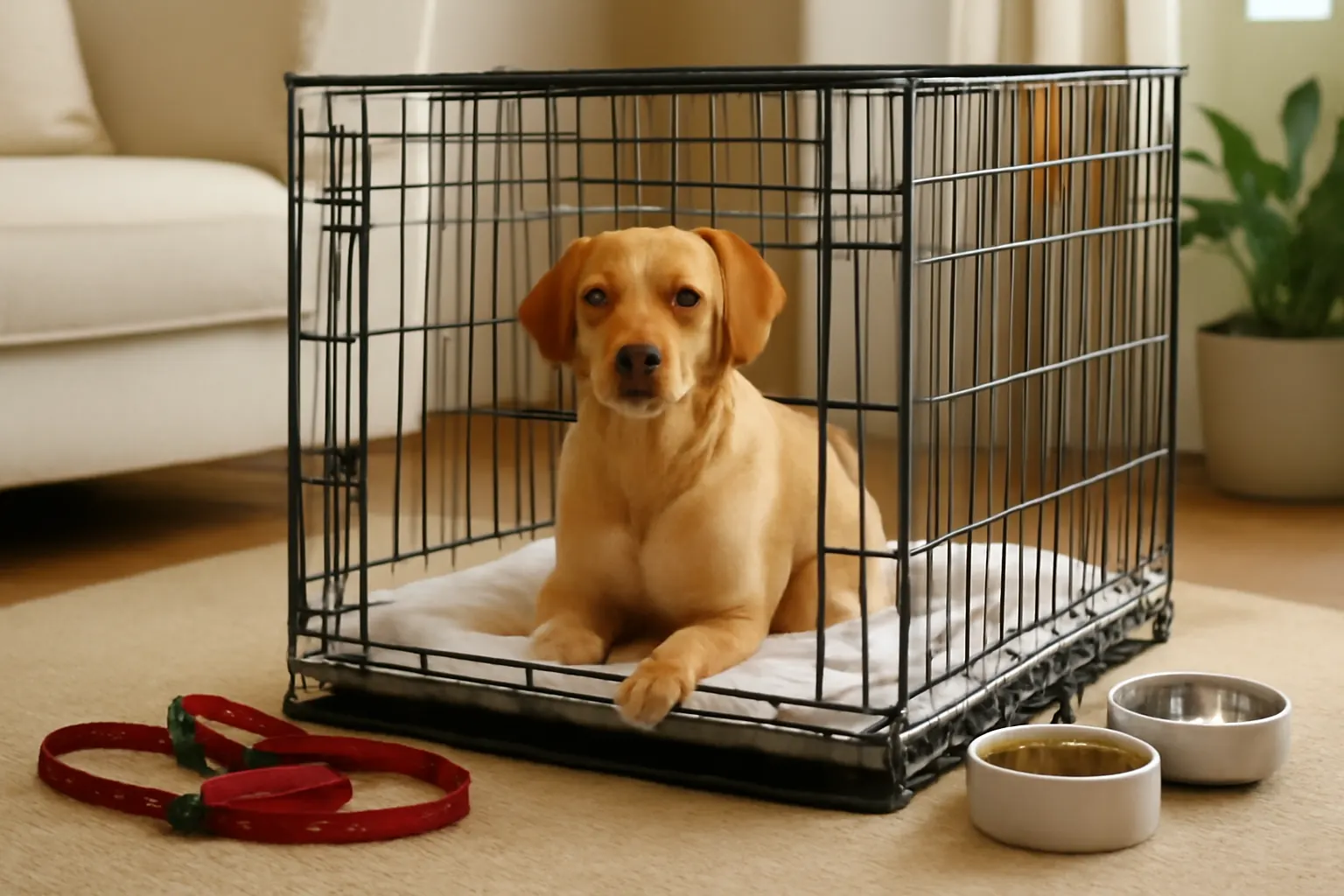
- Wire Crates: These crates provide excellent airflow and visibility, allowing dogs to observe their surroundings which can be soothing for social pets. They often have removable trays for easy cleaning. However, wire crates can feel less cozy, particularly in cooler climates, so adding soft bedding is advisable. Wire crates are ideal for homes where supervision varies and where proper ventilation is important.
- Plastic Crates: Also known as airline crates, they offer a more enclosed, den-like space that comforts dogs prone to anxiety. They are lightweight and portable, making them perfect for travel or vet visits. Ensure your plastic crate has sufficient ventilation to prevent overheating. Plastic crates are great for creating a secure refuge but may visually blend less into home environments.
- Soft-Sided Crates: Constructed from durable fabric with mesh panels, these crates are lightweight and easy to transport, suitable for calm dogs during short-term use such as car rides or temporary stays. They are not suitable for aggressive chewers or escape-prone dogs, as fabric can be torn. Soft-sided crates work well for indoor or travel use when portability is a priority.
- Heavy-Duty or Escape-Proof Crates: Designed for strong, anxious, or determined dogs prone to breaking out, these crates use reinforced metals or heavy-duty materials with secure locking mechanisms. They prioritize safety and durability, perfect for dogs that repeatedly escape standard crates.
Measuring Your Dog: Choosing the Right Crate Size
Selecting the correct size crate is critical to ensure comfort and proper behavior. A crate that is too small restricts movement and causes stress, while one that is too large may lead to soiling inside the crate.
- Length: Measure your dog's length from the tip of the nose to the base of the tail.
- Height: Measure from the floor to the top of the ears or head, whichever is higher when standing.
- Allow Extra Space: Add 2 to 4 inches to your dog's length and height measurements so they can comfortably stand, turn around, and lie down inside the crate.
- Consider Growth: For puppies, estimate their adult size or consider crates with adjustable dividers to manage growth phases effectively.
These measurement guidelines help make your dog’s crate a comfortable retreat rather than a restrictive cage.
Step-by-Step Setup for Your Dog's Crate: Ensuring Comfort and Safety
- Choose Suitable Bedding: Use washable, non-slip mats or thin padding that avoids suffocation risks. Avoid excessively thick or fluffy materials dogs might chew or swallow. Factor in your dog's temperature tolerance and any allergies when selecting bedding material.
- Position the Crate Strategically: Place the crate in a quiet, draft-free area with moderate temperature. Avoid exposure to direct sunlight and noisy areas to minimize stress and overheating.
- Check Safety Features: Thoroughly inspect all latches, welds, and crate corners for sturdiness to prevent escapes and injury.
- Introduce Gradually: Make the crate inviting by placing treats, toys, and familiar scents inside. Begin with short periods and gradually increase crate time to build positive associations, always praising calm behavior.
- Incorporate the Crate into Routine: Encourage daytime naps and overnight stays. Avoid using the crate for punishment, which can cause fear and resistance.
Practical Owner Scenarios and Solutions
Scenario 1: Crate Training a Puppy – Use crates with adjustable dividers to accommodate puppy growth. Schedule brief crates intervals interspersed with frequent potty breaks. Utilize positive reinforcement to create pleasant associations with crate time.
Scenario 2: Managing an Anxious Adult Dog – For dogs scared of loud noises or separation, a plastic crate with comforting bedding in a quiet room can help. Complement this with calming pheromone sprays or sound machines. Professional training can assist with anxiety management by combining crate use with behavior modification.
Scenario 3: Handling an Escape Artist – Heavy-duty crates with secure locking mechanisms are essential for dogs prone to escaping. Avoid soft-sided crates for these dogs and monitor the crate regularly for tampering. Combine strict supervision and training to discourage escape attempts.
Common Crate Mistakes to Avoid
- Using the Crate as Punishment: This creates negative associations leading to crate refusal and anxiety. Always emphasize positive reinforcement to encourage crate acceptance.
- Excessive Confinement: Dogs need daily exercise, socialization, and bathroom breaks. Limiting crate time to a maximum of a few hours for adults, and less for puppies or seniors, helps prevent stress, muscle loss, and behavioral issues.
- Improper Crate Size: Not measuring your dog properly can lead to discomfort or accidents inside the crate. Always size crates correctly based on measurements and growth projections.
- Poor Ventilation and Placement: Crates placed in hot, cold, noisy, or drafty spots increase stress and physical discomfort. Assess the environment to maintain a calm and comfortable space for your dog.
- Ignoring Distress Signals: Whining, scratching, or attempts to escape may signal the crate is causing anxiety or discomfort. Address these signs promptly by reassessing crate size, location, or training methods.
When to Consult Your Veterinarian or Trainer
If your dog persistently resists crate use, exhibits destructive behavior, excessive barking, or aggression while near the crate, expert help is advisable. Veterinarians can identify any underlying medical conditions and recommend behavioral interventions. Certified trainers provide tailored strategies to gradually improve crate acceptance and reduce anxiety.
Dogs with trauma histories, severe separation anxiety, or other special needs especially benefit from professional evaluation to ensure the crate remains a safe environment.
Caring for Your Dog’s Crate: Maintenance and Cleaning
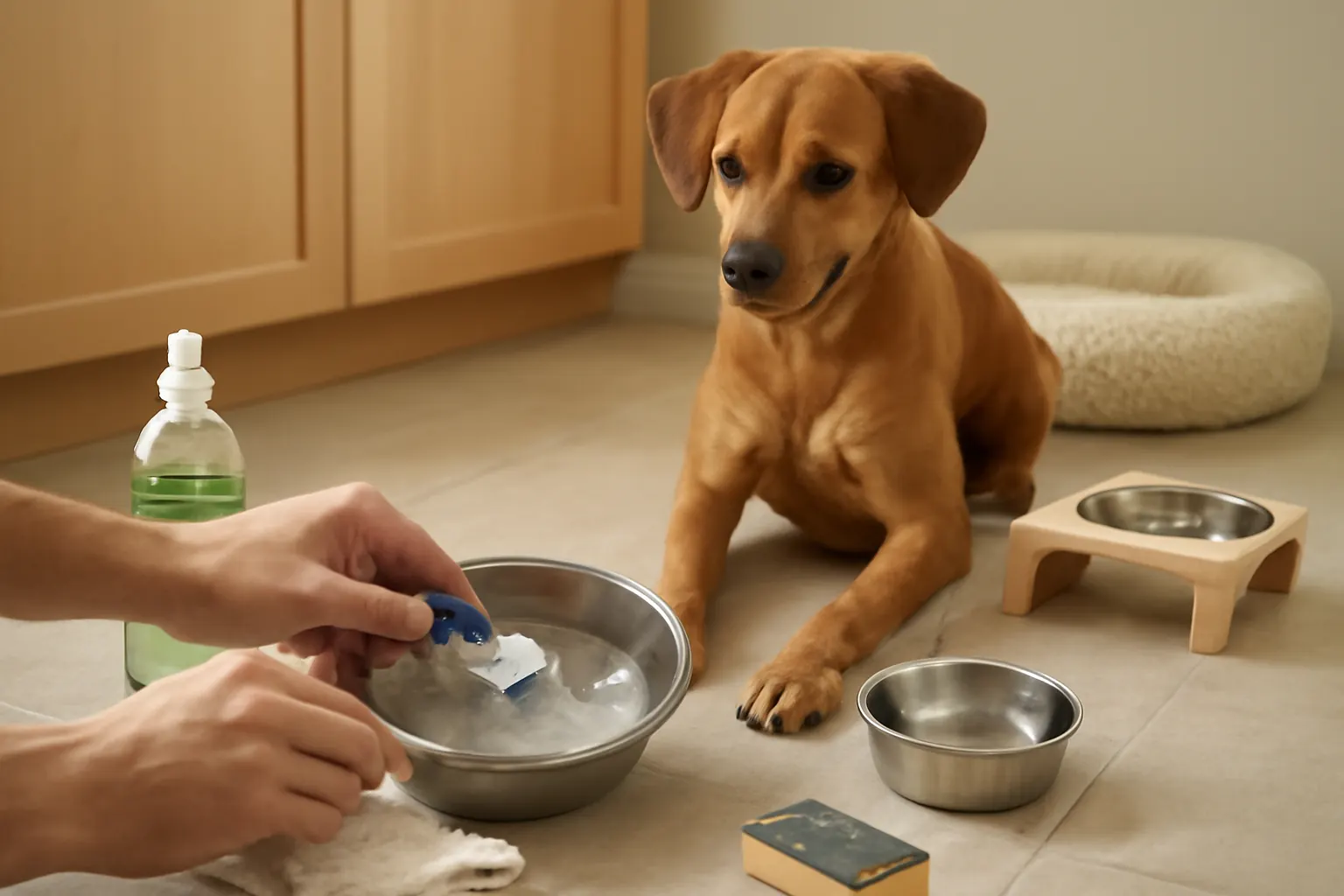
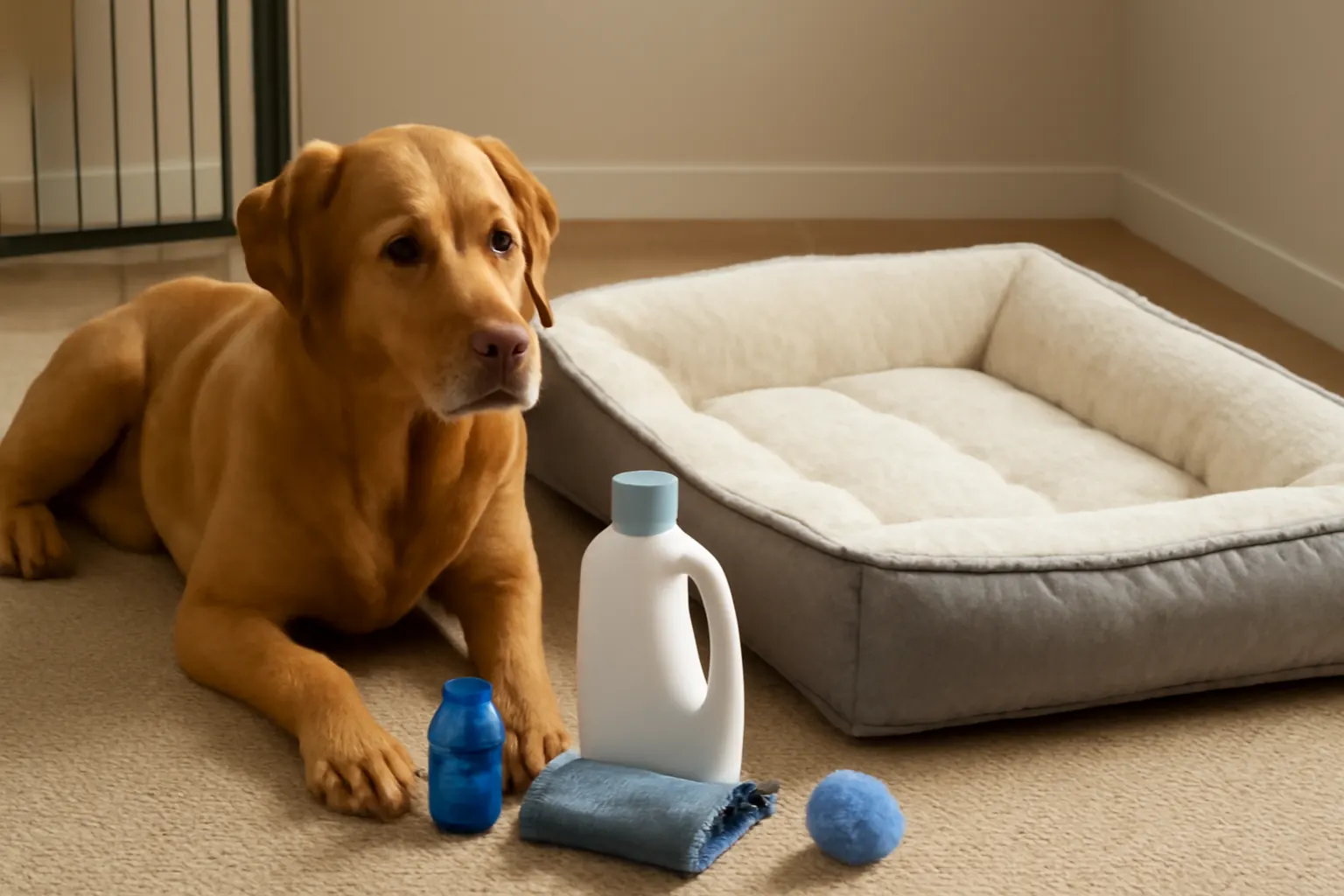
Maintaining a clean crate is critical for your dog’s health and comfort. Wire and plastic crates should be cleaned weekly using mild, pet-safe disinfectants, including removable trays. Soft-sided crates require spot cleaning and occasional full washing per the manufacturer’s instructions. Regularly inspect the crate for wear, damage, or corrosion, and replace parts or the entire crate as needed to maintain safety and hygiene.
Final Owner Takeaway
Choosing the right dog crate tailored to your pet’s size, temperament, and lifestyle is essential to their comfort and safety. A thoughtful, gradual introduction combined with proper setup and consistent positive experiences will help your dog view the crate as a secure retreat. Be attentive to your dog’s behavior and promptly address any signs of distress. When challenges arise, seek veterinary or professional trainer support to optimize crate use. With patience and care, a well-chosen crate becomes a valuable tool for your dog’s health and happiness.
FAQ
How do I correctly measure my dog for a crate?
Measure your dog's length from nose to tail base and height from floor to the top of the ears or head, whichever is taller. Add 2–4 inches to allow comfortable standing, turning, and lying down.
Which crate type is best for an anxious dog?
Plastic crates are typically preferred for anxious dogs because of their enclosed, den-like feel that offers security, but ensure proper ventilation and watch your dog’s comfort preferences.
Is it safe to leave my dog in a crate all day?
No. Dogs require breaks for exercise, bathroom needs, and social interaction. Limit crate time to a few hours at a stretch, increasing gradually only after establishing positive associations.
How can I introduce my dog to the crate effectively?
Begin with short, positive sessions using treats and toys, praise calm behavior, and never use the crate for punishment. Gradually increase crate time as comfort grows.
When should I seek professional help with crate training?
Consult a veterinarian or certified trainer if your dog shows ongoing distress, refusal to enter, destructive behavior, or anxiety related to the crate despite consistent positive training efforts.